Satish V Dakore, Avinash B. Ranvir, Kirti A. Jadhav
Poultry farming is one of the fastest-growing sectors of livestock production in India, contributing significantly to national income and rural employment. Feed represents more than 70% of the total cost of broiler production, with dietary protein constituting one of the most expensive components. Proteins are composed of amino acids, of which essential amino acids cannot be synthesized in sufficient quantities by birds and therefore must be supplied through the diet. An adequate and balanced supply of essential amino acids is crucial for achieving optimal growth, feed efficiency, and overall productive performance in broiler chickens.
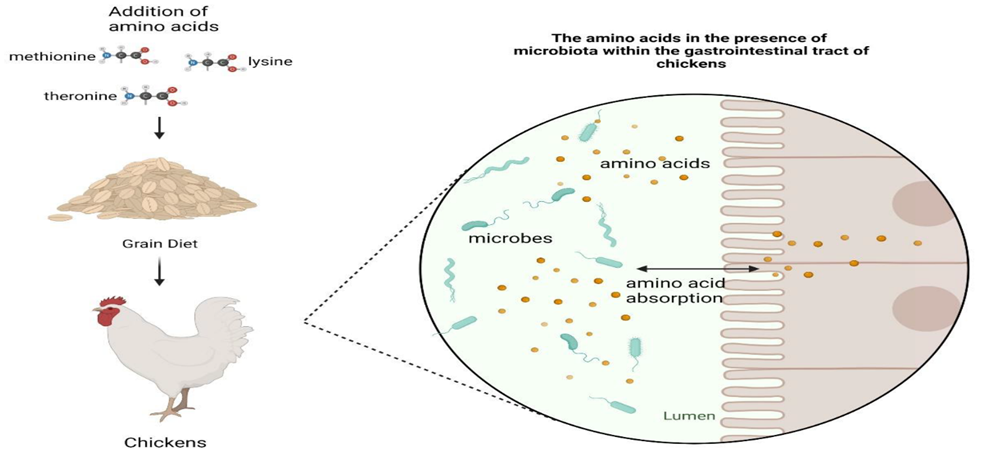
In broiler nutrition, methionine and lysine are the first two limiting amino acids, followed by L-threonine. Broiler cannot sufficient threonine must be obtained from corn soyabean meal diet. Threoninebecomes more critical when crude protein levels are reduced in diets of synthetic amino acids. While, lowering dietary crude protein helps diminish feed cost and environmental nitrogen load, improper amino acid balance can negatively affect broiler growth performance, feed efficiency, and carcass characteristics. Therefore, maintaining an adequate dietary threonine level is essential in low-protein diets to meet the birds’ requirements without compromising productive performance. Total dietary level of threonine ranges from 0.70 to 0.93% reported. Threonine is the key component of intestinal mucin; act as a filtrating barrier in intestinehave impact on nutrient digestion and absorption.Mucin is a glycoprotein able to maintains intestinal health, immune function by protecting the intestinal epithelium from acidic chyme, pathogens, and digestive enzymes.Therefore, precise threonine supplementation to raise feed intake, weight gain and sustain overall growth performance.If the diet contains improper balance of threonine led to decline in growth rate, feed efficiency, and overall production performance.
Effects on Gut Health
The gut is an important system responsible for nutrient absorption and immune defense. In intensive poultry production systems, intestinal health plays a crucial role in determining the growth performance, feed efficiency, and overall economic profitability of poultry farming. supplementation threonine had no significant effect on the relative lengths of intestinal segments, crypt depth, or goblet cell numbers but improvement in the absorptive surface area and nutrient utilization capacity of the intestine. Therefore, some researchers have shown that supplemented threonine increases duodenal villus height increased at 0.89% threonine, while jejunal villus width increased at 0.93%, and significantly improved the villus height-to-crypt depth ratio. Ultimately, optimal level of dietary threonine can promote intestinal morphological development and maturation, thereby enhancing nutrient absorption and overall intestinal function.
Effects on Growth Performance
when dietary crude protein levels were below 20%, did not improve body weight gain in broiler, level of protein in diet is required.If marginal dietary deficiencies of threonine may result in economic losses due to increased feed conversion and reduced breast meat accretion in broilers. Therefore, optimum level of digestible Threonine needs to support optimum growth and act as a precursor of lysine and serine. The recommended supplementation of L-Threonine 110% significantly improved body wight gain, feed efficiency, feed conversion ratio and support better carcass quality.In contrast beyond basal level of dietary threonine did not further growth.
Effect on Immunity
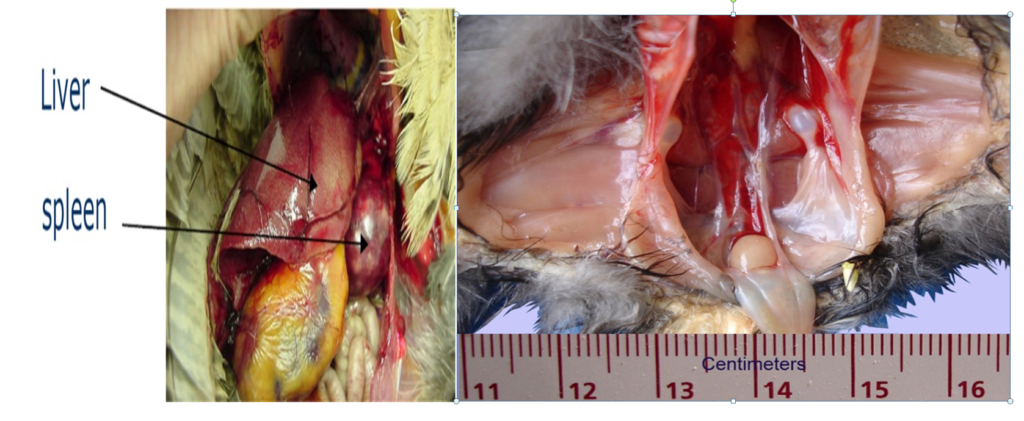
Immunity plays a major role in improving maximum growth performance, immune status, along with function of immune organs. Supplementation of dietary threonine above the NRC recommendation improve weight of immune organs (spleen, thymus) result in T-lymphocytes production. Furthermore, threonine influence on immune responses of birds by modulating the gut microbial flora and secretion of immunoglobulin IgA, leads to alleviates immune stress induced by Escherichia coli or Newcastle disease virus (NDV) infection in challenged birds.
Effect on FeedIntake
Underrestricted feeding conditions, many researchers have reported that threonine supplementation does not significantly affect feed intake. Feed intake generally remains relatively stable regardless of whether the dietary threonine level is high or low. Additionally,threonineinfluences the efficiency of nutrient utilization rather than voluntary feed intake.
Effect on Feed Conversion Ratio (FCR)
Optimized dietaryL-threonine supplementation significantly improves the feed conversion ratio (FCR) and overall growth performance in broiler chickens, but once the ideal threonine level is reached, further supplementation may not yield additional improvements in FCR.
Effect on Carcass Traits
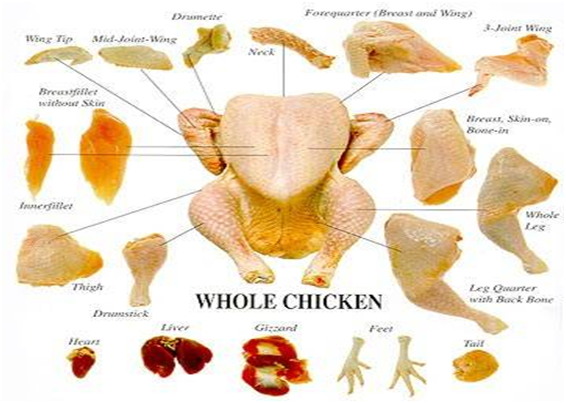
The threonine requirement for optimal carcass yield in broilers is variable and depends on several factors, including age, strain, sex, crude protein (CP) content of the diet, and the type and proportion of dietary ingredients used. Several studies have reported that dietary threonine levels of 0.64%, 0.71%, and 0.78% significantly improved eviscerated carcass yield compared with lower supplementation levels. Furthermore, increasing dietary threonine concentrations has been associated with improved breast meat color, as indicated by increased redness and reduced lightness (brightness). These findings suggest that dietary threonine may preferentially enhance muscle deposition in specific carcass components, particularly breast muscle, rather than causing a generalized increase in total carcass yield.
Conclusion
Dietary threonine supplementation has a positive influence on growth performance, feed conversion efficiency, intestinal morphology, and carcass characteristics in broiler chickens, while feed intake generally remains unaffected. Improved intestinal structure enhances nutrient digestion, absorption, and utilization, thereby promoting greater body weight gain and muscle deposition. Overall, threonine can be considered an effective functional amino acid for improving broiler productivity and carcass quality when supplemented at appropriate levels.