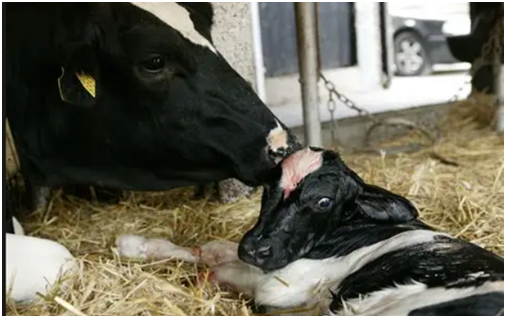
“Transition Cow: The Profit Driver”
Critical period for Health, Production, and Fertility
The transition period—from about three weeks before calving to three weeks after—is the most important stage in a dairy cow’s life. Even though it covers only a small part of the lactation cycle, it greatly affects milk production, fertility, health, and overall farm profit.
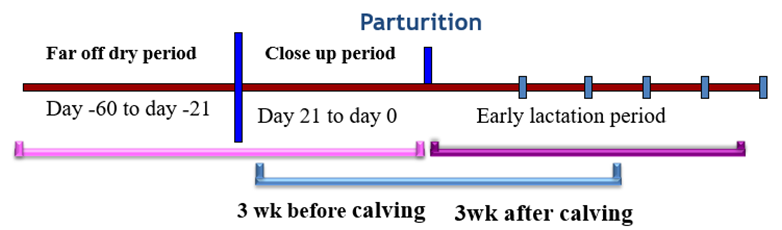
During the transition period, cows go through major changes in their body, hormones, and nutrition as they move from pregnancy to milk production. If this phase is not managed well, it can lead to health problems, lower milk yield, poor fertility, higher treatment costs, and even early removal of cows from the herd.
On the other hand, a well-managed transition program can increase milk production by 273 to 682 kg per cow per lactation. That’s why farmers must give special attention to this critical period to improve both performance and farm profitability.
Around calving, a cow’s need for nutrients increases sharply as milk production begins. However, feed intake often drops by 10–30% just before calving. This gap between what the cow needs and what she eats leads to a negative energy balance, forcing her body to use stored fat for energy.
When too much body fat is broken down, it can cause problems like ketosis, fatty liver, weak immunity, and poor fertility. In fact, about 75% of health problems in dairy cows occur within the first month after calving. This clearly shows how important proper transition management is.
Major Challenges During the Transition Period
1. Negative Energy Balance
After calving, milk production increases quickly and often becomes higher than the cow’s energy intake. To meet this demand, the cow starts using her body fat for energy.
This negative energy balance can lead to problems such as:
- Ketosis
- Fatty liver
- Lower milk production
- Delayed return to normal fertility
2. Calcium Metabolism Disorders
At calving, the cow suddenly needs a large amount of calcium to produce colostrum and milk. Sometimes, her body cannot supply calcium fast enough.
This can lead to low calcium levels (hypocalcemia), which may cause:
- Milk fever
- Retained placenta
- Uterine infections (metritis)
- Reduced feed intake
- Higher risk of displaced abomasum
3. Immune Suppression
During the transition period, cows often experience a temporary drop in immunity due to hormonal changes, stress, and lack of key nutrients. This makes them more prone to infections.
Common problems seen during this time include:
- Mastitis
- Uterine infections (metritis)
- Retained placenta
- Respiratory infections
4. Heat Stress
In tropical climates, heat stress makes the transition period even more challenging. It reduces feed intake and puts extra stress on the cow’s body.
Cows affected by heat stress often show:
- Lower feedingintake
- Reduced milk production
- Poor fertility
- Higher risk of diseases
Nutritional Strategies for Successful Transition
Maintain the Right Body Condition Score (BCS)
Target Body Condition Score (BCS):
- Dry-off: 3.0 – 3.5
- At calving: 3.0 – 3.5
Why it matters:
- Obese cows are more likely to suffer from ketosis and fatty liver
- Lean cows may not have enough energy reserves to support early milk production
Keeping cows in the right body condition helps ensure better health, production, and fertility.
Optimize Dry Matter Intake
Maximize Feed Intake Around Calving
Increasing feed intake before and after calving is one of the best ways to prevent health problems in transition cows.
For better feed intake:
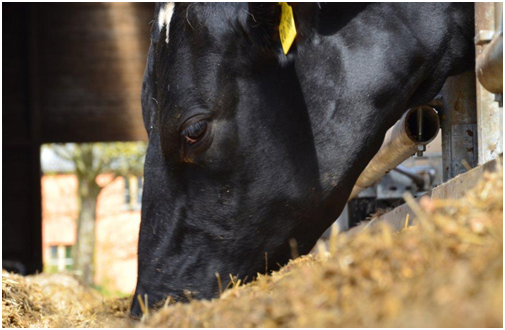
- Provide tasty, high-quality feed
- Ensure enough feeding space for all cows
- Keepfeedfresh and clean
- Avoid overcrowding in the shed
Good feed intake helps reduce metabolic disorders and supports better milk production and health
Controlled Energy Diets
Modern transition feeding focuses on controlled-energy diets for dry cows. This helps prevent cows from gaining too much body weight while preparing their rumen for the upcoming lactation.
Benefits include:
- Better energy balance
- Fewer Metabolic Diseases
- Improved milk production in early lactation
A well-balanced diet during this period sets the cow up for a healthier and more productive lactation
Calcium Management
Proper calcium management is very important during the transition period to prevent milk fever.
Using special feeding strategies like DCAD diets before calving helps the cow’s body release and use calcium more effectively.
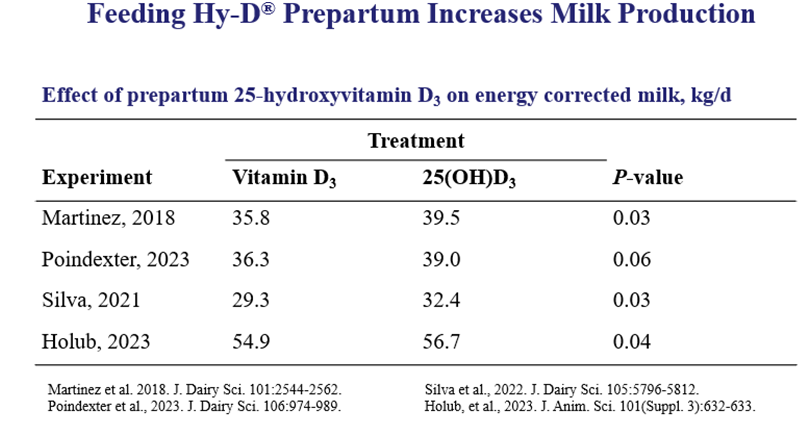
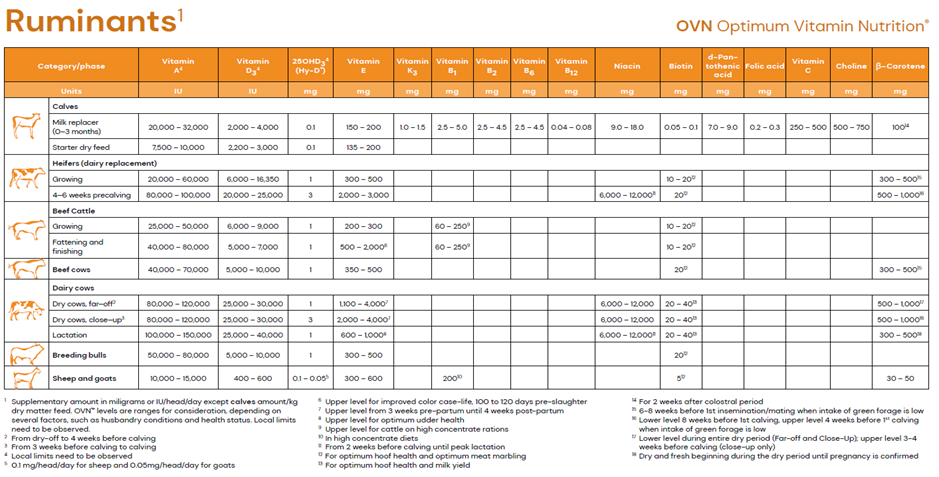
Vitamin D3 supplementation (25OHD3) during this period also supports better calcium and phosphorus balance.
Benefits include:
- Lower risk of milk fever
- Better mineral balance after calving
- Improved overall health of the cow
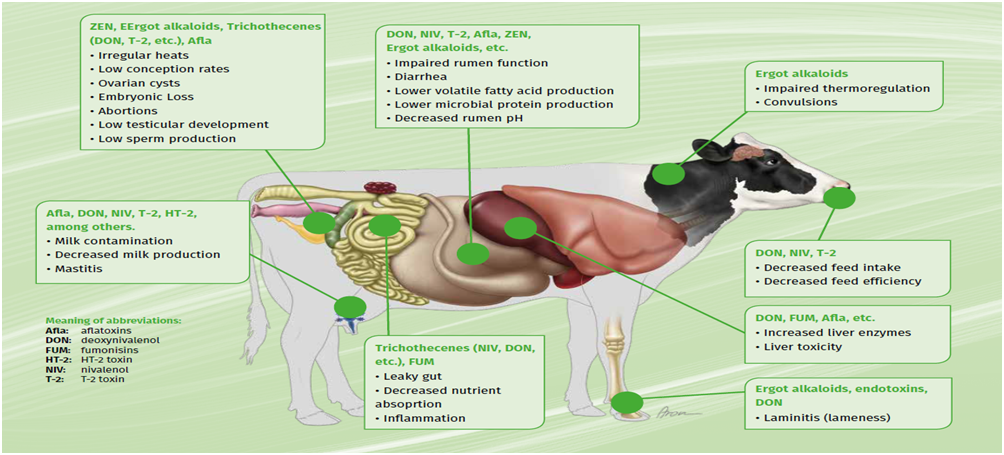
The Emerging Challenge: Mycotoxins During Transition
Mycotoxins are increasingly recognized as hidden contributors to transition of cow disorders.Recent surveys conducted by industry and academic organizations indicate that multi-mycotoxin contamination is common across dairy feeds in India, particularly during hot and humid seasons.
All commodities sourced between Jan – Jun 2026
(Survey data -dsm-firmenich)
| Aflatoxins | A-Trichothecenes | B-Trichothecenes | Ergot Alkaloids | Fumonisins | OTA | ZEN | |
| Total samples | 1,087 | 1,087 | 1,087 | 7 | 1,087 | 1,087 | 1,087 |
| Prevalence | 77% | 34% | 1% | 71% | 55% | 79% | 48% |
| % Above risk threshold | 77% | 5% | 1% | 0% | 35% | 44% | 17% |
| Threshold (ppb) | 2 | 50 | 150 | 30 | 500 | 10 | 50 |
| Average of positives (ppb) | 28 | 38 | 461 | 3 | 1,245 | 23 | 58 |
| Median of positives (ppb) | 17 | 33 | 250 | 2 | 660 | 12 | 38 |
| Maximum (ppb) | 300 | 191 | 1,770 | 8 | 18,962 | 533 | 512 |
Impact of Mycotoxins on Transition Cows
Mycotoxins impact overall performance of dairy animals:
- Reduce feed intake, impair rumen function, Increase oxidative stress
- Suppress immunity, Increase mastitis incidence
- Reduce fertility, Exacerbate ketosis and fatty liver
Mycotoxin Management Strategies
- Routine feed testing
- Good silage management
- Proper feed storage
- Use of scientifically validated mycotoxin deactivators
- Continuous monitoring of feed quality
Effective mycotoxin risk management contributes significantly to transition success and herd profitability.
Role of Antioxidants in Transition Cow Health
Transition cows experience considerable oxidative stress due to increased metabolic activity and immune challenges.Benefits of antioxidant supplementation are Enhanced immune function, Reduced mastitis incidence, Lower retained placenta rates, Improved reproductive performance, better milk production
Heat Stress Mitigation During Transition
Heat stress management should be considered a core component of transition programs in tropical dairy systems.Recommended practices to mitigate stress are Fans and sprinklers, Adequate shade, Continuous access to clean water, Feeding during cooler hours, Electrolyte supplementation.
Studies demonstrate that effective cooling systems can improve milk yield, fertility, and overall health while generating significant returns on investment.
Economic Impact of Poor Transition Management
The financial consequences of transition disorders are substantial.
Economic Losses Due to Poor Transition Management
| Disorder | Incidence (%) | Average Cost per Case (USD) | Cost (INR Approx.) |
| Milk Fever | 5–10 | $250 | ₹21,000 |
| Ketosis | 15–40 | $290 | ₹24,000 |
| Retained Placenta | 8–15 | $350 | ₹29,000 |
| Metritis | 10–20 | $400 | ₹33,000 |
| Displaced Abomasum | 2–5 | $700 | ₹58,000 |
| Mastitis (Early Lactation) | 15–25 | $300 | ₹25,000 |
Total potential loss per affected cow can exceed ₹50,000–1,00,000 per lactation.
(Source: University of Wisconsin, Cornell University, and international dairy economics studies)
Key Economic Benefits of Good Transition Management
Table 1: Return on Investment (ROI)
| Intervention | Cost/Cow (₹) | Economic Benefit (₹) | ROI |
| Close-up mineral supplementation | 500–700 | 3,000–5,000 | 5–7x |
| Rumen-protected choline | 1,000–1,500 | 5,000–8,000 | 4–6x |
| Mycotoxin management | 400–800 | 2,500–6,000 | 4–8x |
| Antioxidant supplementation | 300–600 | 2,000–4,000 | 4–7x |
| Proper transition ration | 1,000–2,000 | 8,000–15,000 | 5–8x |
Impact on Milk Production
| Parameter | Poor Transition | Good Transition |
| Peak Milk Yield | 28 L/day | 33 L/day |
| Lactation Yield | 7,500 L | 8,500 L |
| Pregnancy Rate | 25% | 40% |
| Culling Rate | 12% | 6% |
Additional 1,000 liters milk/lactation × ₹35/L = ₹35,000 extra income per cow.
Monitoring Key Performance Indicators
Successful transition programs require continuous monitoring of:
- Dry matter intake
- Body condition score
- Blood calcium status
- Ketone levels
- Retained placenta incidence
- Metritis incidence
- Milk yield during the first 60 days in milk
- Pregnancy rate
These indicators provide early warning signals and allow timely corrective action.
Conclusion
The transition period remains the most economically important phase in dairy production. Successful management requires an integrated approach involving nutrition, cow comfort, metabolic disease prevention, heat stress mitigation, antioxidant support, and mycotoxin risk management.
Investments made during these critical six weeks generate returns throughout the entire lactation by improving milk yield, reproductive efficiency, animal health, and longevity. In modern dairy systems, transition management should not be viewed as a cost but as one of the most profitable investments a dairy farm can make.
A healthy transition cow is not merely a management objective—it is the cornerstone of sustainable dairy profitability.