Quality and technology, from feed mill to flock
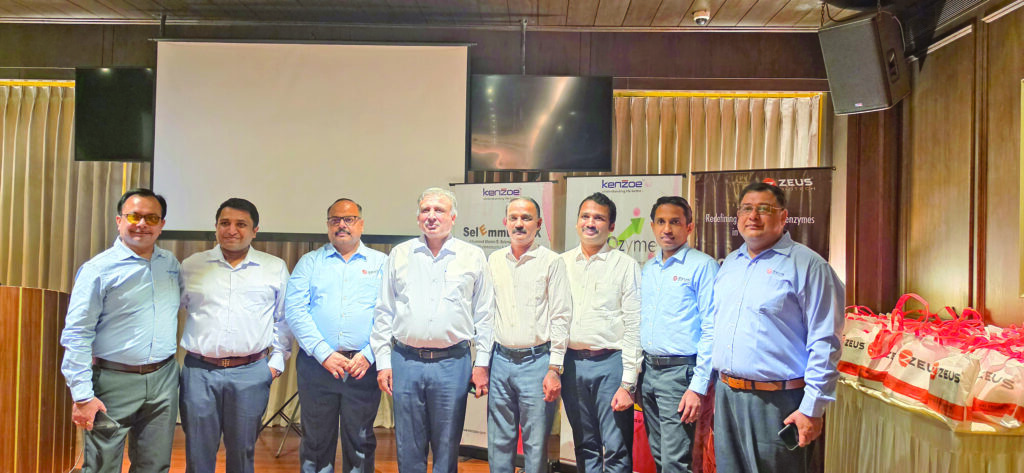
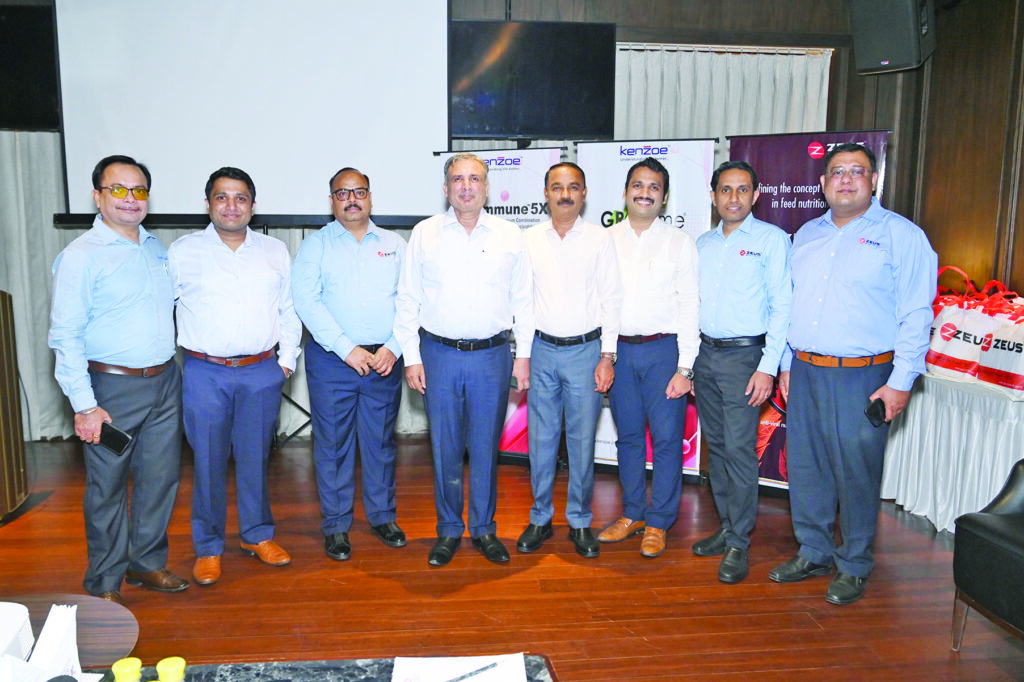
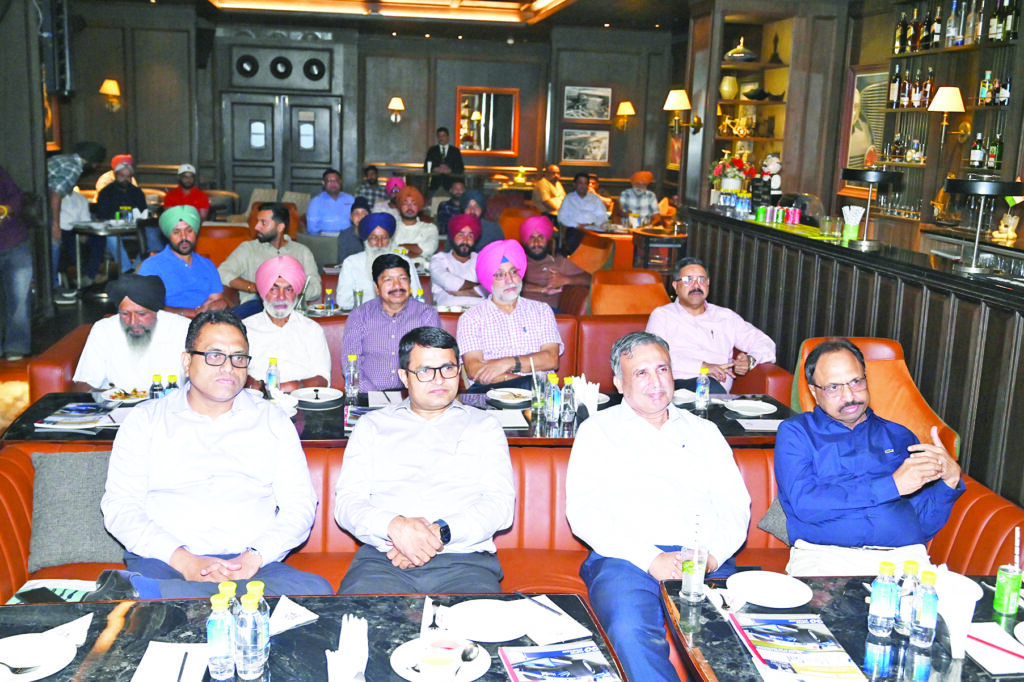
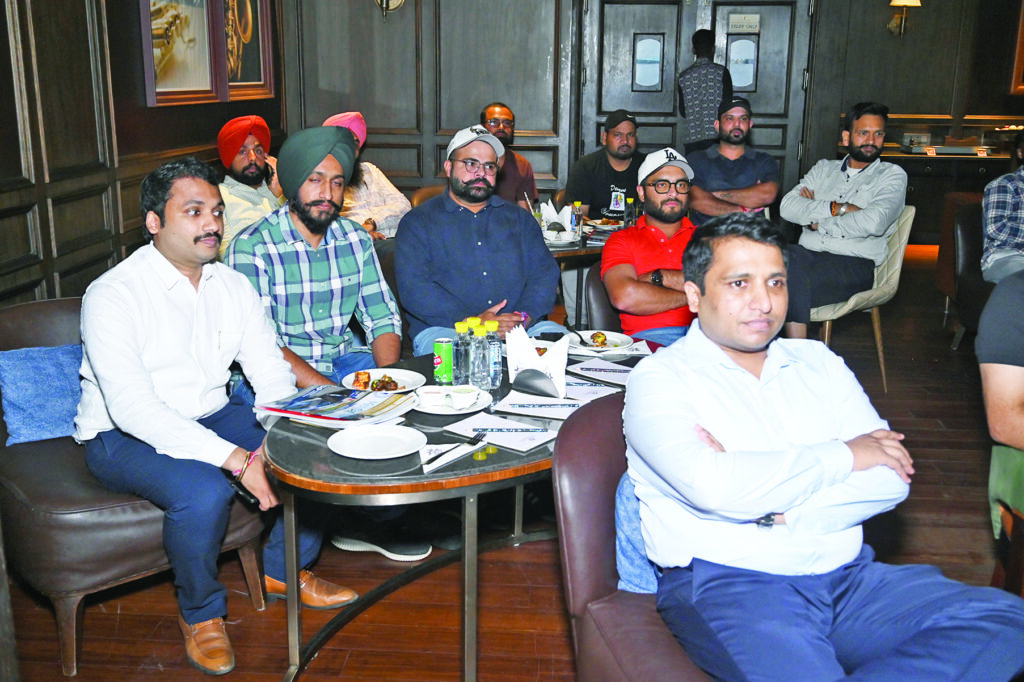
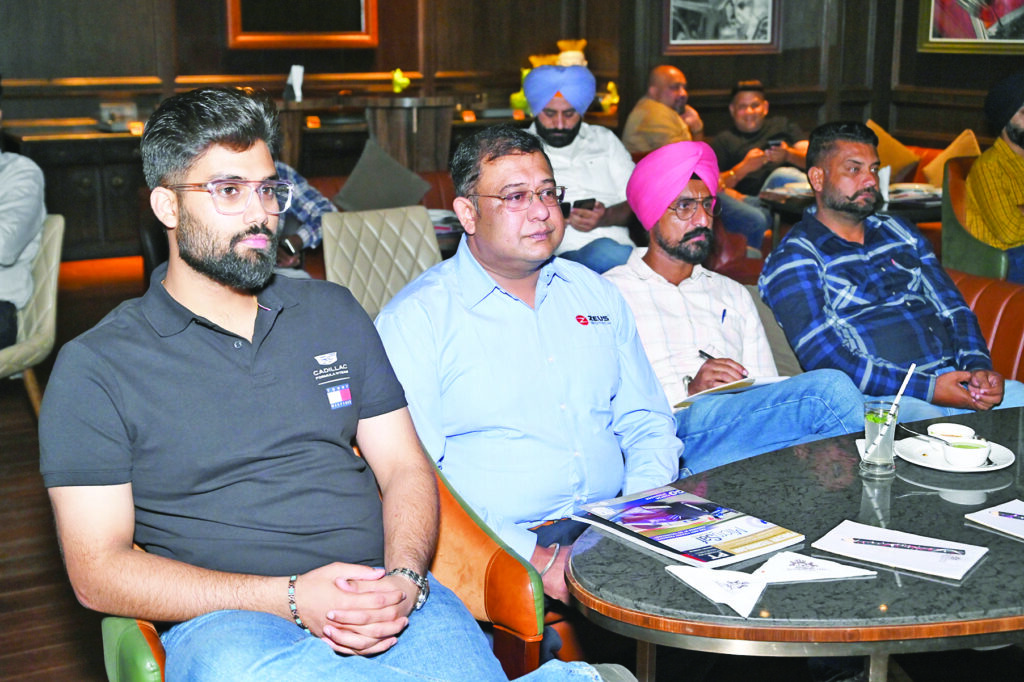
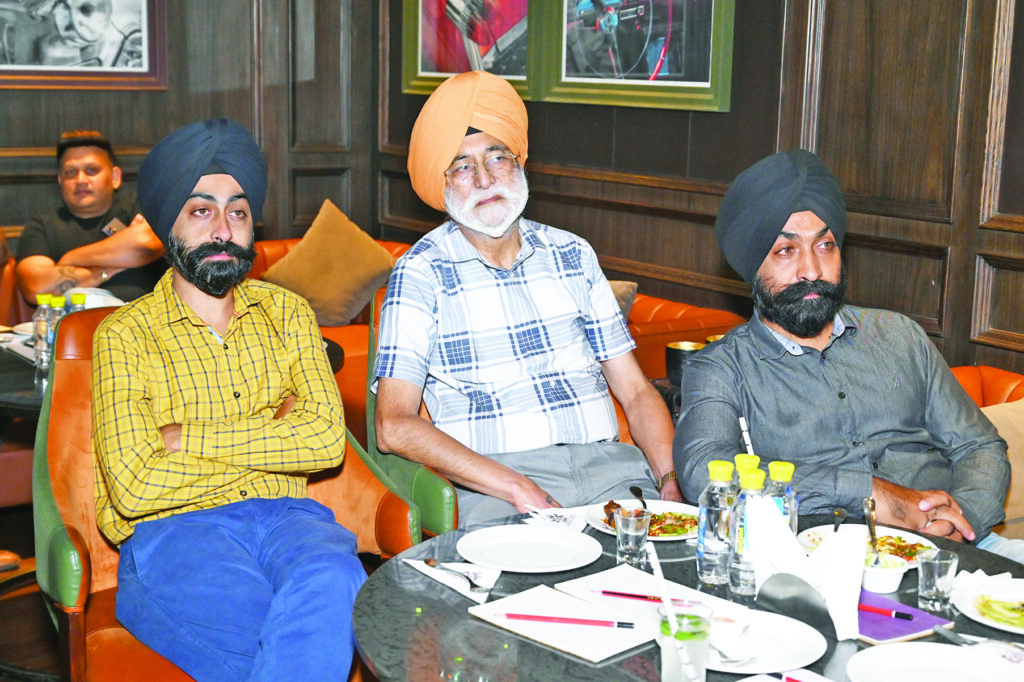
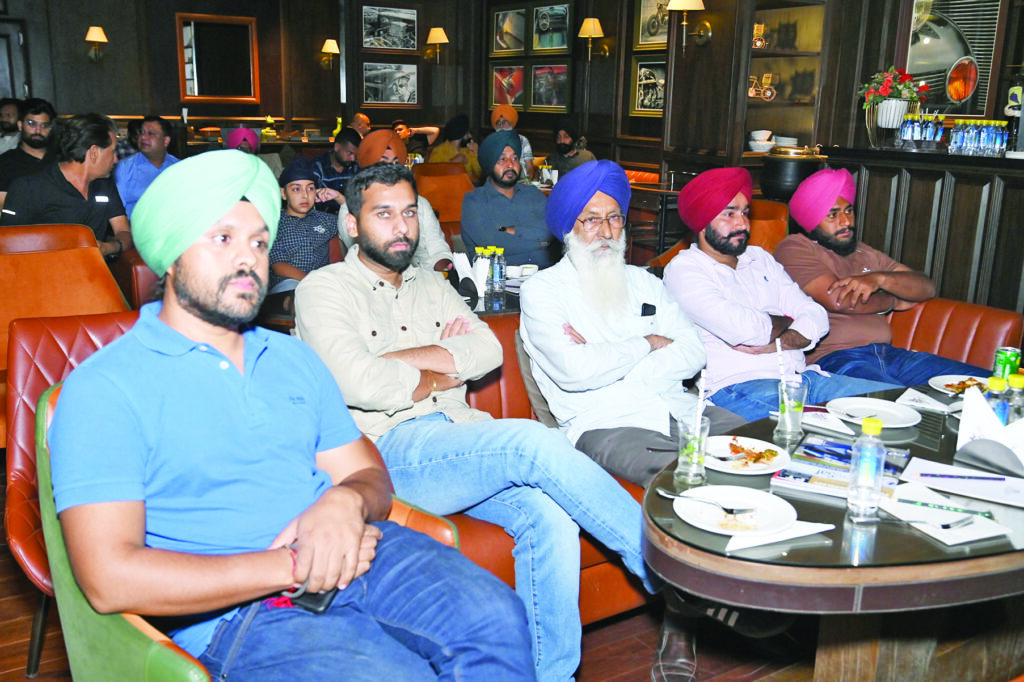
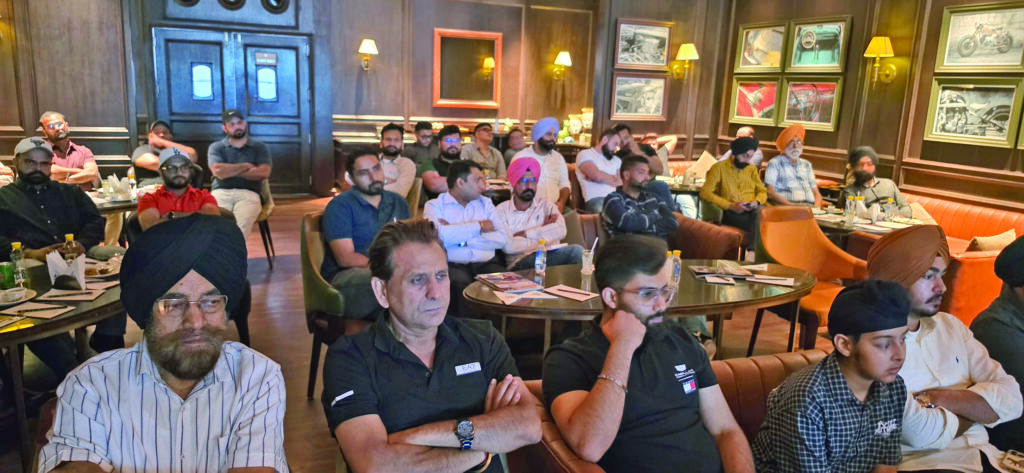
At the Next Gen Poultry Wellness Seminar, Zeus Biotech connected practical feed quality control with a life-cycle approach to layer nutrition, gut health, immunity and production resilience.
SEMINAR FEATURE | ZEUS BIOTECH PVT. LTD.
Quality in poultry production is often described through specifications, laboratory values and finished-product checks. However in practice, the approach should be broader: quality begins with the raw material, is protected through controlled processing and analytical verification, and is meaningful only when it produces a consistent biological response. Technology is judged in the same way. A strain, enzyme, mineral complex or phytomolecule becomes useful only when its identity, stability, relevance and response can be demonstrated.
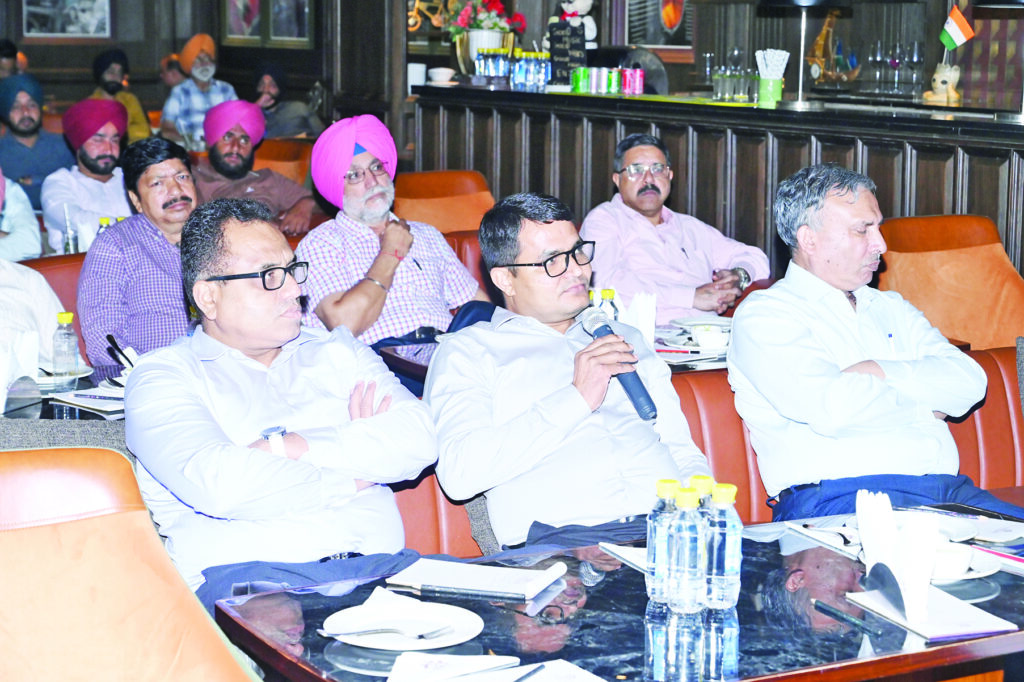
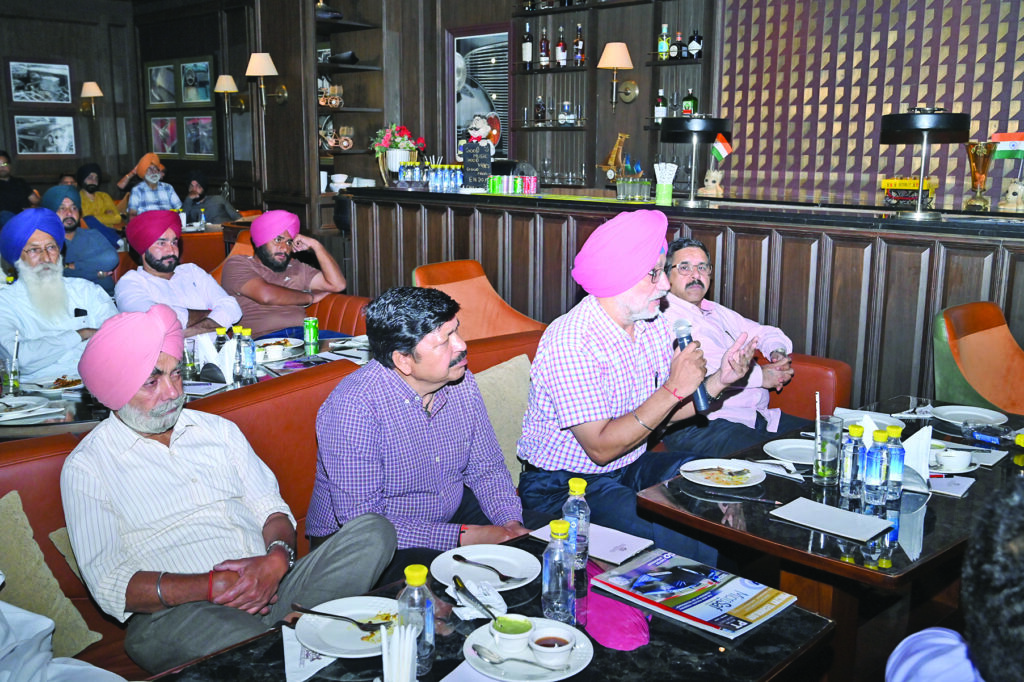
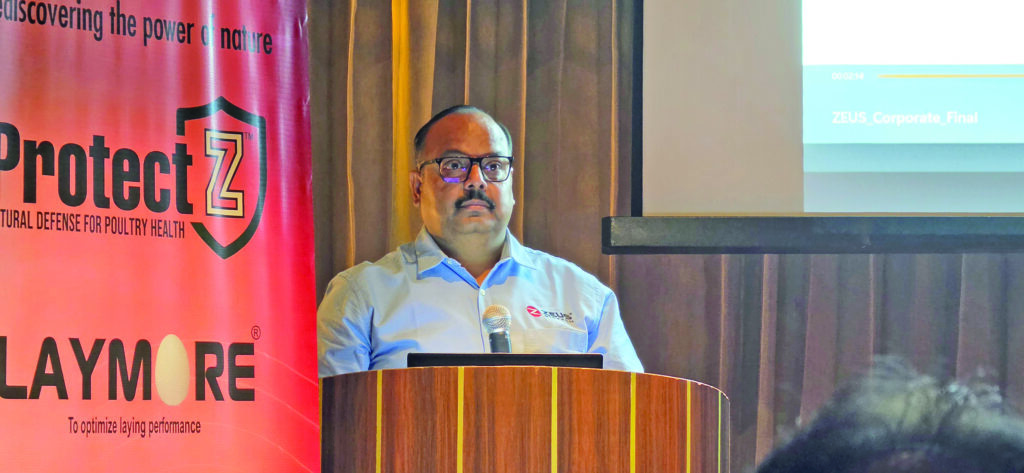
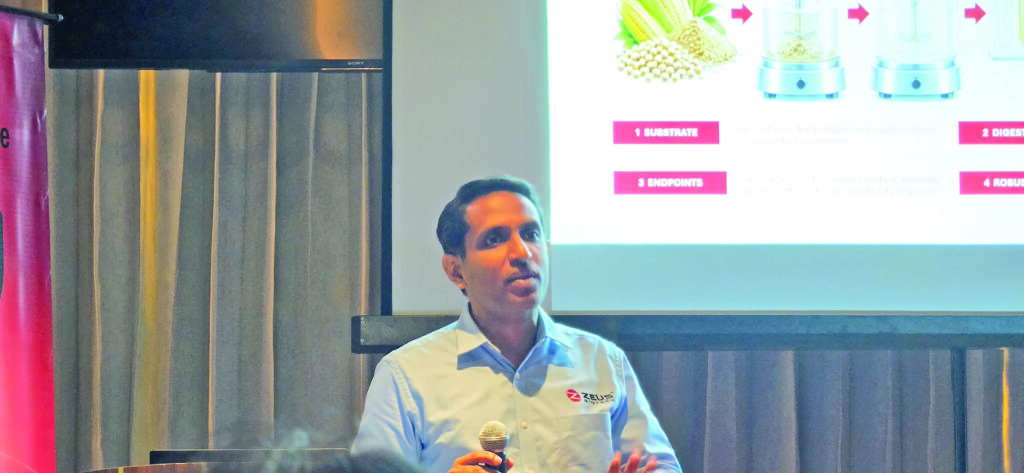
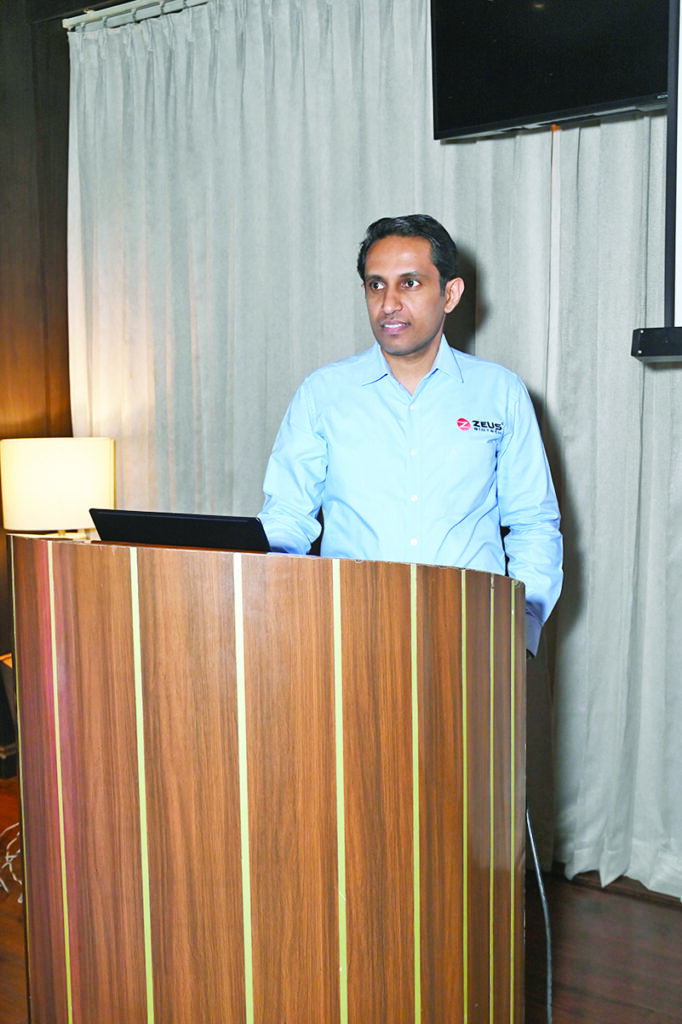
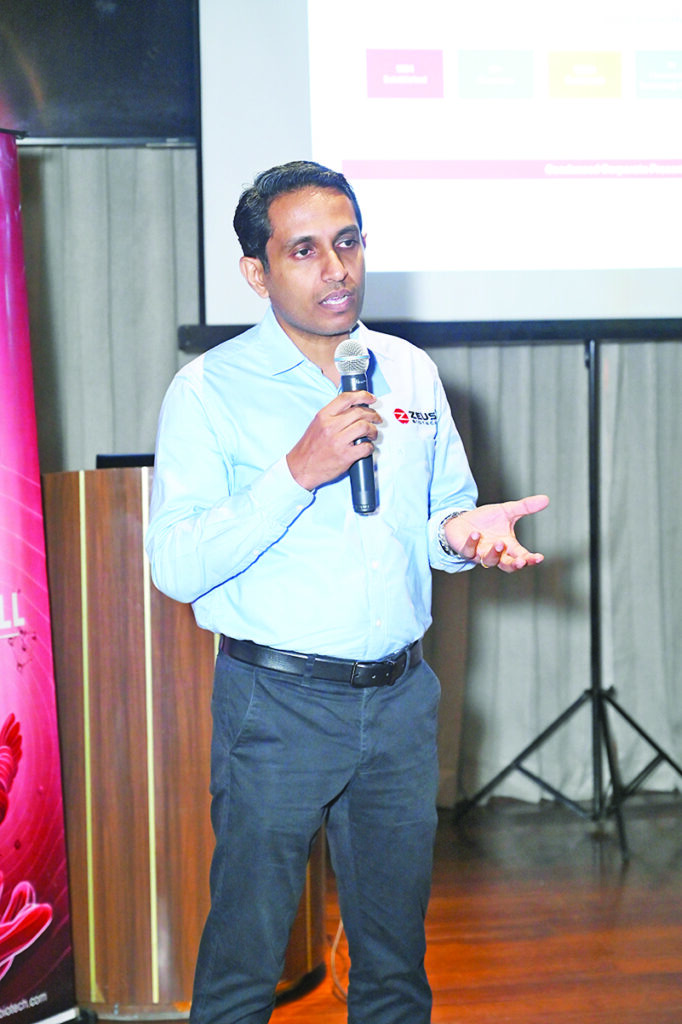
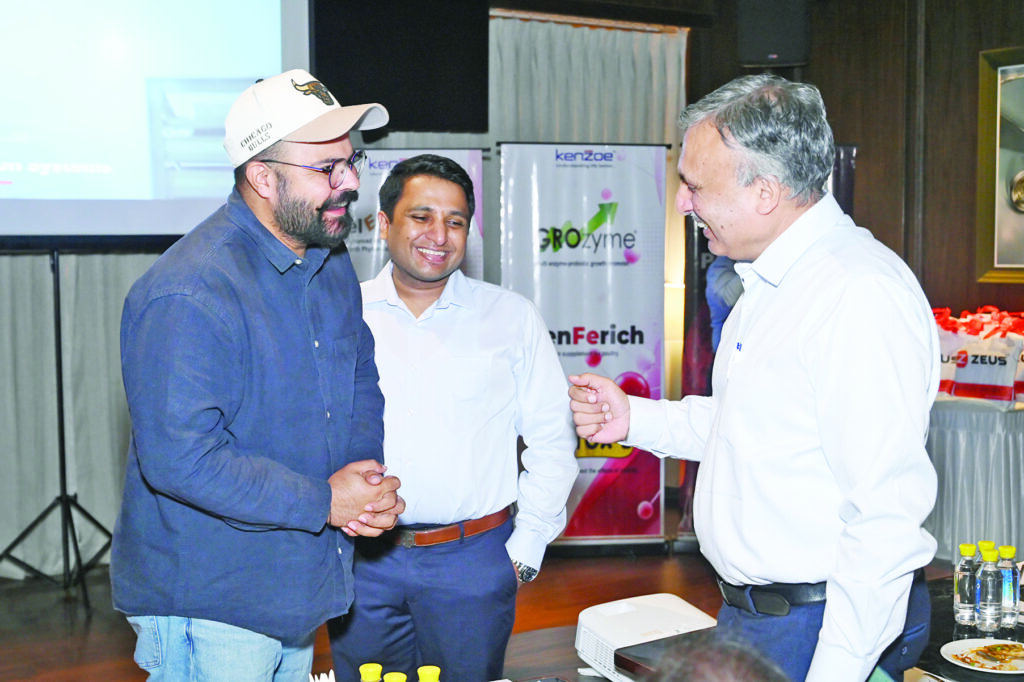
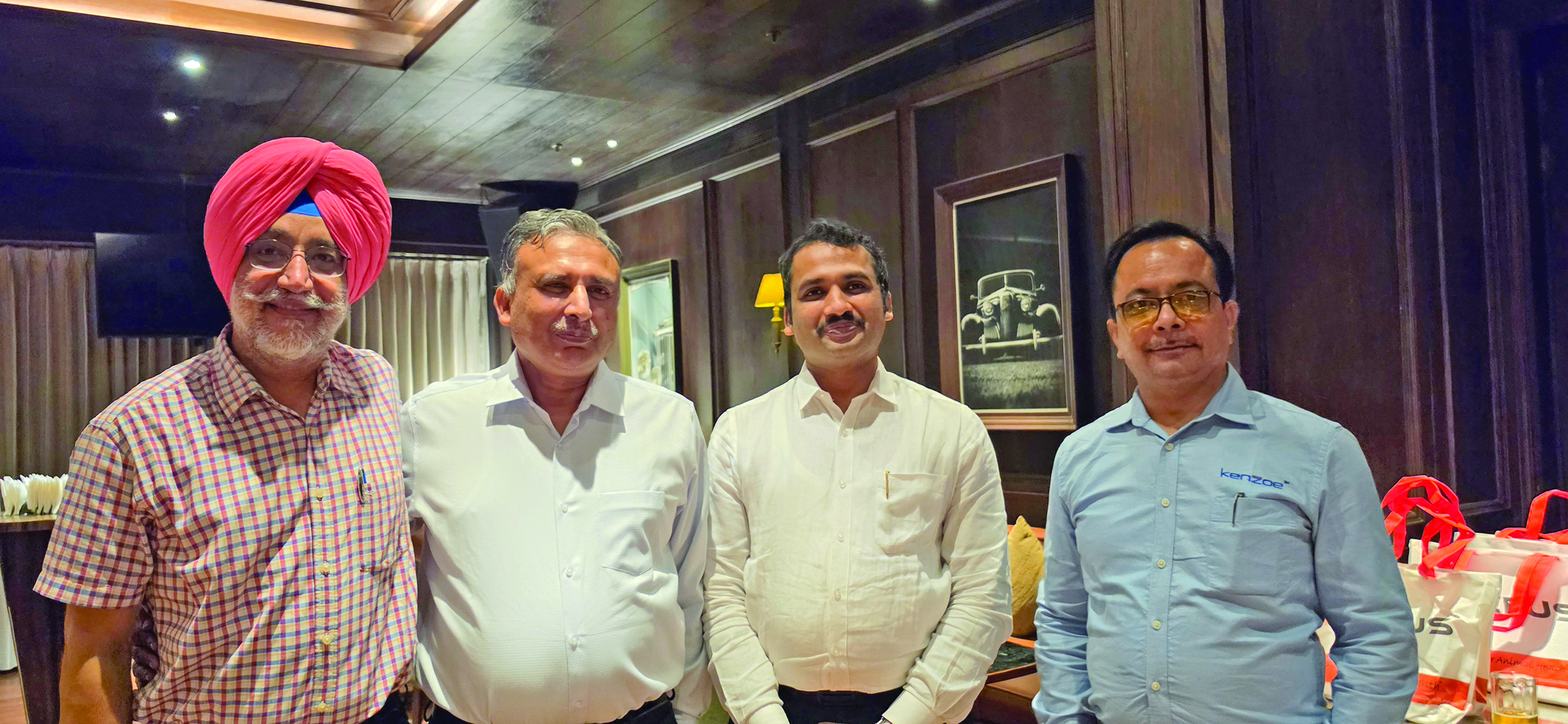
That philosophy shaped the Next Gen Poultry Wellness Seminar. Dr Channegowda, Senior Field Veterinarian, Poultry & Livestock Nutritionist, addressed practical feed processing and quality control of layer mash, while Dr. Arunchand, Head of Quality & Research, examined layer poultry life-cycle challenges, interventions and the uncertainties that should be considered before routine use of any technology. Together, the sessions linked feed-mill precision with bird-level resilience.
The central message was simple: reduce avoidable variation first, then apply validated tools according to the real feed matrix, production phase and biological challenge.
“Quality is not a final checkpoint. It is a chain of decisions that begins before the mixer and continues until the bird responds.”
For Zeus Biotech, quality control and technology evaluation therefore belong in the same decision process—from raw-material selection and manufacturing control to finished-product verification and field relevance.
“Control what can be measured. Validate what is claimed. Apply technology where biology needs it.”
QUALITY BEGINS BEFORE THE MIXER
Dr Channegowda presented feed quality as a sequence of practical controls rather than a single laboratory certificate. Procurement and storage are followed by physical inspection, representative sampling, processing and nutrient verification. Truck condition, weight, colour, odour, visible fungus, insects, lumps, adulterants and foreign matter are basic but decisive quality gates. Sampling is equally important because analysis can only be as representative as the sample sent to the laboratory.
NIR and wet-laboratory analysis add the next level of control, with attention to protein, fibre, ash, acid-insoluble ash, oil quality, calcium, magnesium and solubility. The objective is not merely to generate numbers, but to understand how an ingredient will behave in formulation, digestion and production.
MASH QUALITY IS MORE THAN FORMULATION
For layer mash, formulation and physical structure are inseparable. Particle size affects intake and selective feeding, while grinding, hammer-mill screen size, loading sequence and mixer efficiency influence uniformity. The session highlighted the importance of maintaining a useful particle-size distribution, with most material in the 2-4 mm range while avoiding excessive fines and oversized fractions. Ingredient economics should also be judged by nutrient value—cost per calorie or cost per gram of protein—rather than price per kilogram alone.
Changeovers require the same discipline. Abrupt shifts in raw-material source or formulation can alter feed structure and substrate supply to the gut. Gradual change, moisture control, mould inhibition and good storage practices help reduce avoidable variability and mycotoxin risk.
THE BIRD CHANGES—SO MUST THE STRATEGY
Dr. Arunchand extended the discussion from feed variability to biological variability. Early life is dominated by intake, microbiome establishment, brooding stress and pathogen exposure. Growers require digestibility, amino-acid use, mineral reserves, vaccination management and flock uniformity. Pre-lay introduces greater calcium demand and reproductive transition, while peak lay increases the need for feed conversion, gut stability, mineral transport and immune readiness. Later, persistency, shell quality, oxidative stress, immune fatigue and livability become increasingly important.
This life-cycle view changes how interventions are used: the same product class may have a different priority, dose or purpose at different stages.
TECHNOLOGY MUST PROVE FIT
The second session emphasized that an additive should be selected by evidence, not by a label claim alone. Enzymes should be evaluated by production method, enzyme spectrum, real-feed substrate relevance, processing stability and dose response. Probiotics require more than a high CFU count; strain identity, feed and heat stability, acid-bile survival, pathogen relevance, genomic safety and bird-level response all matter. Organic trace minerals require proof of safe inputs, controlled solubilisation, adequate ligand capacity, complex formation and bioavailability. Phytobiotics should be supported by identified actives, analytical fingerprints, pathway relevance and biological confirmation.
Polyzyme, Microguard, Organomin Forte and ProtectZ were used as examples of this evaluation logic, linking manufacturing method and analytical control with application-specific evidence.
JUDICIOUS USE, ONE QUALITY SYSTEM
No additive class should be expected to solve every problem. Enzymes are primarily nutritional tools; probiotics support gut ecology; phytobiotics contribute to immune and stress support; trace minerals support metabolism, skeletal development and shell quality. Vaccines remain disease-specific preventive tools, while antibiotics retain a therapeutic role when clinically justified under veterinary guidance.
The same scrutiny must apply to the manufacturer. Raw-material identity and safety, controlled processing or fermentation, finished-product release testing, stability and field-relevant product development form one capability chain. This is the practical meaning of quality by design at Zeus Biotech: know the input, control the process, verify the output and confirm the biological response. When those steps are connected from feed mill to flock, technology becomes a tool for designing resilience rather than reacting to losses.