Dr. Gopal Potdar & Dr. Hardik Patel
The El Niño–Southern Oscillation (ENSO) is a major driver of interannual climate variability that significantly affects agricultural and livestock systems worldwide. In India, El Niño events are typically associated with weakened Southwest monsoon rainfall, elevated ambient temperatures, increased frequency and intensity of heat waves, and prolonged dry spells. These climatic shifts pose serious challenges to the poultry sector, one of India’s fastest-growing agricultural industries that supports food security, nutrition, and rural livelihoods. This comprehensive review synthesises scientific evidence on the direct and indirect impacts of El Niño on poultry production, encompassing feed resource constraints, heat stress physiology, immune suppression, water scarcity, disease dynamics, and economic instability. It further integrates translational, mechanism-based strategies using targeted nutritional and health interventions from Regen Biocorps, including Thermogard, Gutsol, Colikil-R, Immon, and Hepatotox-ES. The analysis underscores the urgent need for integrated climate-resilient approaches combining scientific management, technological innovation, and supportive policy frameworks to safeguard poultry productivity amid increasing climatic variability.
Keywords: El Niño; ENSO; Poultry production; Heat stress; Climate change; India; Feed cost; Gut health; Immune modulation; Disease susceptibility; Climate resilience; THERMOGARD; GUTSOL; COLIKIL-R; IMMON; HEPATOTOX-ES
1. Introduction
The El NiñoSouthern Oscillation (ENSO) involves periodic fluctuations in sea surface temperatures and atmospheric pressure in the equatorial Pacific, with the warm El Niño phase disrupting global atmospheric circulation patterns (Iizumi et al., 2014). India’s climate, especially the Southwest monsoon, is highly sensitive to ENSO. El Niño years are characteristically marked by below-normal monsoon rainfall, delayed onset, higher temperatures, and more frequent heat waves (Royal Meteorological Society, 2003).
India’s poultry industry has experienced rapid expansion and plays a critical role in supplying affordable animal protein, generating employment, and contributing to agricultural GDP. However, its biological sensitivity and economic dependency on climate-linked inputs (feed, water, and ambient conditions) make it highly vulnerable to El Niño events. This review compiles scientific understanding of these impacts and presents practical, mechanism-driven translational applications using Regen Biocorps solutions.
2. Climatic Effects of El Niño in India
During El Niño episodes, the weakening of the Indian monsoon leads to:
- Reduced rainfall, often below 90% of the long-period average
- Increased frequency and duration of heat waves
- Elevated mean and maximum temperatures
- Prolonged dry spells and drought-like conditions
These changes can causea 1-15% declinein foodgrain production(Royal Meteorological Society, 2003), with cascading effects on poultry through feed availability, water access, and direct thermal stress on birds.
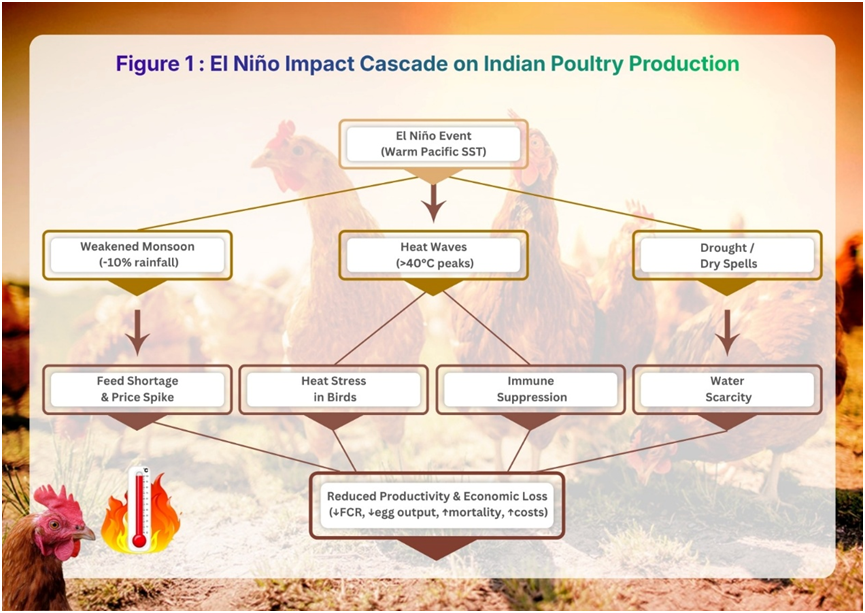
Figure 1: El Niño Impact Cascade on Indian Poultry Production
3. Impact on Feed Resources and Economic Stability
Poultry feed accounts for 70–75% of total production costs and depends heavily on monsoon-dependent crops such as maize and soybean. El Niño-induced rainfall deficits and higher temperatures reduce crop yields (Iizumi et al., 2014), leading to supply shortages, quality deterioration, and sharp price inflation. Farmers often respond by reducing flock size, switching to inferior feed, or delaying cycles, all of which affect profitability.
Additional economic burdens include higher costs for cooling, water extraction, and veterinary care, disproportionately affecting smallholder farmers.
4. Heat Stress and Poultry Physiology
Poultry lack sweat glands and rely on panting for heat dissipation. Their thermoneutral zone is approximately 18–24°C. El Niño-associated heat waves frequently push temperatures beyond this threshold, inducing heat stress.
Physiological Mechanisms: Activation of the hypothalamic–pituitary–adrenal (HPA) axis elevates corticosterone, triggering oxidative stress, metabolic disruption, reduced nutrient utilisation, and inflammation (Oluwagbenga & Fraley, 2023; Lara & Rostagno, 2013).
Production Impacts:
- Broilers: Reduced feed intake, deteriorated feed conversion ratio (FCR), and 10–20% decline in body weight gain.
- Layers: Up to 25% drop in egg production, poorer shell quality, and reduced egg weight.
- Mortality: High risk of heat stroke and dehydration above 36°C, especially in open housing systems common in India (Das et al., 2014; Wasti et al., 2020).
Translational Intervention:THERMOGARD is a comprehensive anti-heat stress formulation combining phytogenic extracts, electrolytes, osmolytes, minerals, and antioxidant vitamins. It supports thermoregulation, counters oxidative stress, maintains electrolyte balance, sustains feed intake and FCR, reduces mortality, and helps preserve growth and egg production during peak El Niño heat waves.
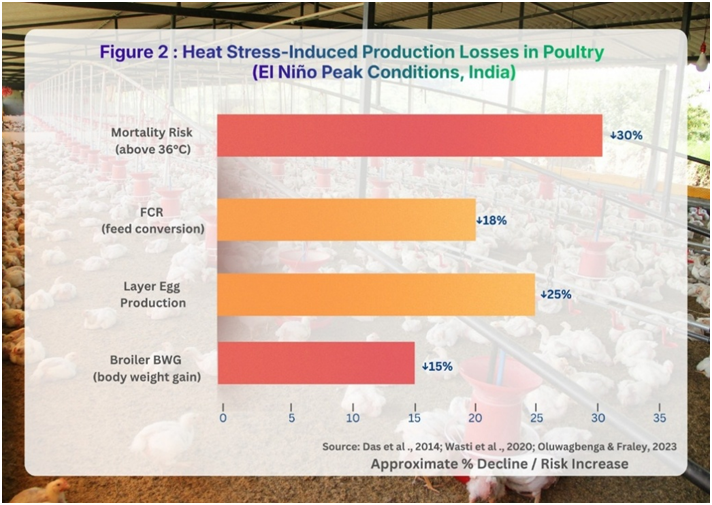
Figure 2: Heat Stress-Induced Production Losses in Poultry
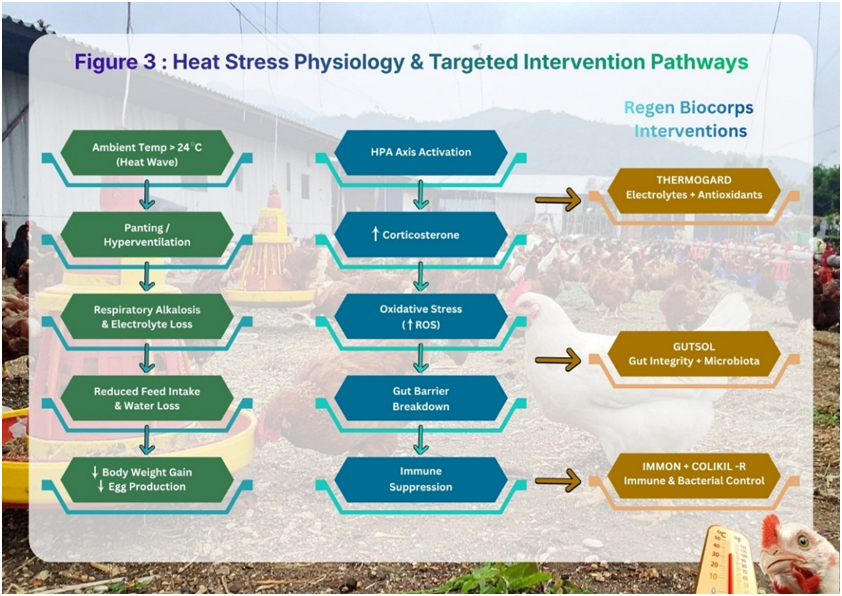
Figure 3: Heat Stress Physiology & Targeted Intervention Pathways
5. Immune Suppression and Disease Risk
Heat stress impairs immune function by reducing lymphocyte activity, antibody production, and vaccine efficacy, increasing susceptibility to bacterial (e.g., E. coli, Clostridium perfringens), viral, and enteric pathogens such as necrotic enteritis and coccidiosis (Mijgar, 2024; Oke et al., 2024). Dry, dusty conditions during El Niño further promote airborne disease transmission.
Translational Interventions:
- IMMON: A natural immune booster that strengthens overall immune response, enhances disease resistance, and supports flock resilience under stress-induced immunosuppression.
- COLIKIL-R: Targeted support for managing E. coli and other gram-negative infections, helping control colibacillosis, airsacculitis, omphalitis, and early chick mortality, particularly during brooding under fluctuating El Niño temperatures.
6. Water Scarcity and Quality Issues
Poultry consume 2–4 times more water than feed. El Niño exacerbates groundwater depletion, reduces water availability, and increases Total Dissolved Solids (TDS), salinity, and contaminants. Poor water quality reduces intake, impairs medication/vaccine efficacy, and worsens dehydration.
Supportive water sanitation, and stabilisation strategies become critical during such periods.
7. Gut Health Disruption and Liver Function under Stress
Heat stress compromises intestinal barrier integrity (“leaky gut”), leading to dysbiosis, reduced nutrient absorption, increased enteric disease incidence, wet litter, and poorer FCR. Additionally, oxidative stress and metabolic load can impair liver function, affecting detoxification and overall performance.
Translational Interventions:
- GUTSOL: A 100% natural complete gut care solution enriched with herbal oils and extracts. It supports intestinal integrity, balances gut microbiota, reduces non-specific diarrhoea, litter moisture and ammonia, controls necrotic enteritis and coccidiosis challenges, and improves nutrient absorption and FCR under heat stress.
- HEPATOTOX-ES: An advanced liver support tonic that promotes liver cell regeneration, enhances detoxification, improves digestion, and aids overall metabolic health during periods of oxidative and toxic stress induced by heat and feed variability.
8. Structural Challenges in Indian Poultry Systems
Open housing systems, limited climate control infrastructure, heavy dependence on monsoon agriculture for feed, and a large smallholder base amplify El Niño vulnerabilities.
9. Adaptation and Mitigation Strategies
Effective resilience requires layered interventions:
Environmental & Nutritional Management:
- Improved ventilation, foggers, reduced stocking density, and feeding during cooler hours.
- THERMOGARD for proactive heat stress mitigation.
Gut and Immune Support:
- COLIKIL-R for early bacterial challenge management.
- GUTSOL for intestinal integrity and enteric disease control.
- IMMON for immune strengthening.
Liver and Metabolic Support:
- HEPATOTOX-ES to safeguard liver function under stress.
Water Management:
- Rainwater harvesting, storage, quality monitoring, and sanitizers.
Health & Technological Measures:
- Strengthened biosecurity, timely vaccination, precision farming tools, and climate sensors.
10. Integrated Climate-Resilience Framework Using Regen Biocorps Solutions
El Niño stressors converge on key biological pathways: oxidative/heat stress, gut barrier breakdown, immune suppression, bacterial challenges, and liver/metabolic overload. An integrated program can be structured in phases:
| Phase | Primary Challenge | Key Regen Biocorps Solution(s) | Expected Benefit |
| Pre-Heat Conditioning | Gut vulnerability, oxidative load | GUTSOL + IMMON | Stronger gut barrier & baseline immunity |
| Peak Heat Stress | Heat stress, reduced intake | THERMOGARD | Lower mortality, sustained FCR & intake |
| Early/Brooding Stage | Temperature fluctuations, infections | COLIKIL-R + IMMON | Reduced early chick mortality & colibacillosis |
| Recovery & Ongoing | Gut repair, liver support, immunity | GUTSOL + IMMON + HEPATOTOX-ES | Improved digestion, detoxification & resilience |
| Water Stress Periods | Poor quality & hydration | Supportive sanitation + THERMOGARD/GUTSOL | Better hydration & medication efficacy |
This mechanism-based approach—complementing good management practices (ventilation, biosecurity, hygiene)—helps translate scientific insights into sustained productivity under El Niño conditions. All products should be used under veterinary supervision, in compliance with local regulations and antimicrobial stewardship principles.
11. Future Outlook and Conclusion
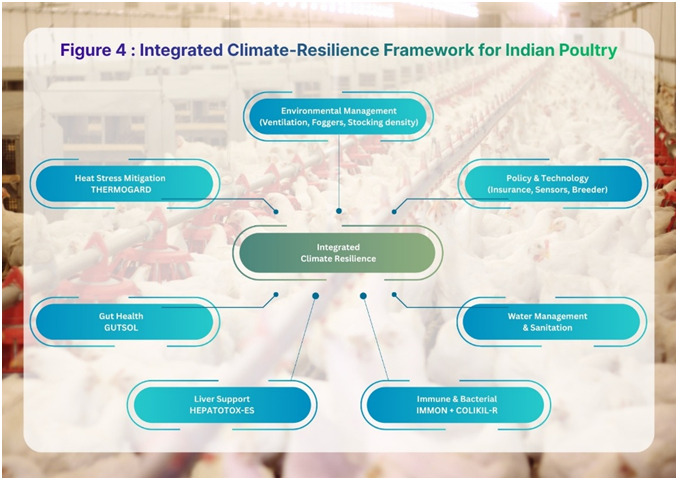
Figure 4: Integrated Climate-Resilience Framework for Indian Poultry
Climate projections indicate rising frequency and intensity of El Niño events, leading to more frequent heat waves, feed volatility, and water stress. Without adaptation, poultry productivity and economic viability in India face significant threats.
In conclusion, El Niño exerts multi-dimensional impacts on Indian poultry production through direct heat stress and indirect disruptions to feed, water, immunity, and economics. Heat stress acts as the central trigger, cascading into gut dysfunction, immune suppression, disease outbreaks, and performance losses. Targeted, science-aligned interventions such as THERMOGARD (heat stress), GUTSOL (gut integrity), COLIKIL-R (bacterial control), IMMON (immunity), and HEPATOTOX-ES (liver support) from Regen Biocorps offer practical tools to engineer resilience by addressing specific physiological pathways.
By combining these mechanism-driven solutions with environmental management, technological innovation, and policy support, the Indian poultry sector can mitigate El Niño risks and continue contributing robustly to national food and nutritional security.
In an unpredictable climate, poultry productivity must be strategically engineered through scientific solutions rather than left to chance.
*References are available on request