Dr. S. K. Maini
Consultant, Vesper Group, Bengaluru.
Gut health heavily depends on the maintenance of a delicate balance between the host, the intestinal microbiota, the intestinal environment, various stress, dietary nutrients and composition, presence of mycotoxins, anti nutrients and other antagonistic compounds. If this balance is disturbed, the birds suffer, their growth, health and performance are all compromised.
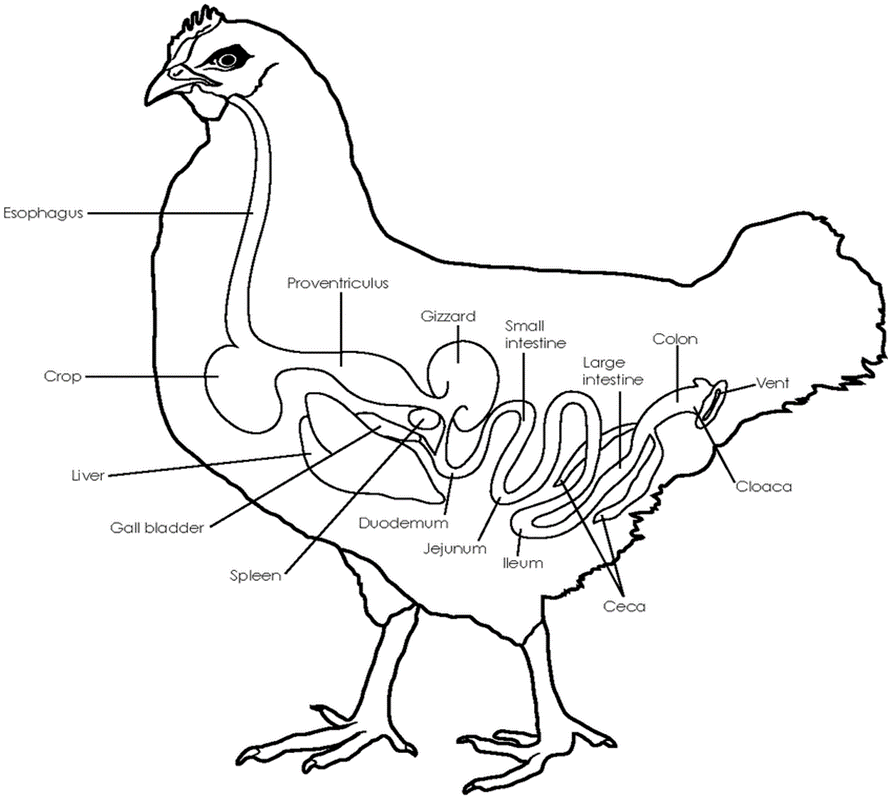
The gastro-intestinal tract of a bird is a highly specialised tube, that starts at the beak and ends in the cloaca. The primary function of the gastro-intestinal tract of the chicken is to digest and absorb the nutrients contained in the feed being fed, to meet the metabolic demands for maintenance, growth, development, production and reproduction, and forms a barrier to prevent the entry of pathogens (Bacteria, Virus’s, Fungus, Protozoa etc), biotoxins (mycotoxins, tannins, anti-nutrients, incompatiable chemicals, medicines and drugs etc.), due to its barrier function, a state of desirable homeostasis exists, that is essential for the birds growth, immunity, health and performance .
How the barrier function works:
Selective Permeability: Allows essential nutrients, water, and electrolytes to pass while restricting or stopping the harmful substances.
Physical & Chemical Defense: The mucus layer and antimicrobial peptides provide protection from harmfull micro-organisms.
Immune Surveillance: Local immune cells monitor and respond to various types of microbial threats, entering through the contaminated drinking water or feed.
The Gastro-intestinal tract of the chicken like other animals, normally harbours and maintains a variety of microbiota consisting of bacteria, virus’s, protozoa, fungi etc., which keep changing with the environment, season, weather conditions, various stresses, type of feed, its composition and the birds age, helping the digestion, absorption of nutrients and the immune functions of the birds and disease resistance, to ensure good overall performance.
Factors Affecting/Damaging the Barrier Function:
Stress: Can activate the HPA axis, leading to barrier dysfunction.
Diet: Amino acids (like arginine, glutamine, threonine) and supplements (like Chlorella vulgaris) can support barrier integrity, while poor nutrition weakens it.
Infectious Agents: Pathogens (e.g., Salmonella) and toxins directly damage the barrier.
Microbiota Imbalance: Dysbiosis increases susceptibility to disease.
This barrier function needs to be maintained in good working conditions at all the times, to ensure, there is no inflammation, physical damage, and the gut integrity is adequately maintained to ensure proper absorption of nutrients, their utilisation and metabolism for the birds requirements, to ensure performance as per its genetic potential.
The intestinal barrier consists of 4 layers: microbiological, chemical, physical and immunological. Under the influence of exogenous or endogenous factors, the intestinal barrier is damaged, leading to a phenomenon called “leaky gut”.
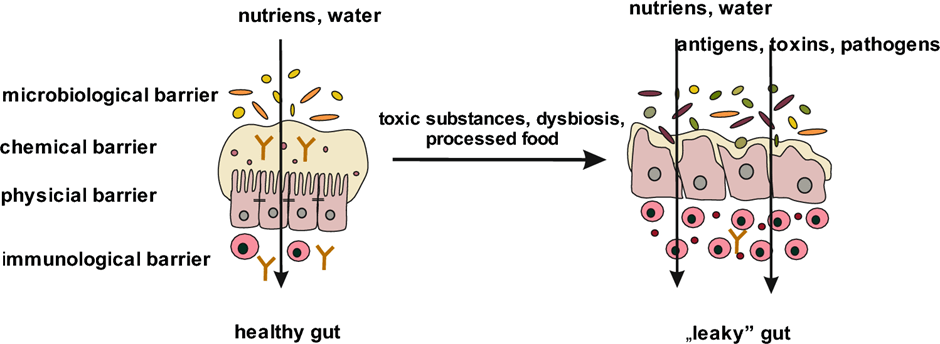
The barrier function in the chicken intestine is a crucial defence system, acting as a selective filter using a single cell layer (epithelium) with tight junctions, mucus, and immune cells to absorb nutrients while blocking pathogens, toxins, and antigens from entering the bloodstream, with its integrity essential for health and performance, maintained by specialized cells and influenced by diet and microbiota.
Epithelial Cells: A single layer of cells forms the primary physical barrier, connected by junctions. Intercellular Junctions: Tight junctions (TJs), adherens junctions, and desmosomes seal the spaces between cells, controlling paracellular (between cells) transport of the required nutrients and preventing leakage of unwanted materials into the blood stream out of the intestinal lumen.
Mucus Layer: Secreted by goblet cells, this thick layer separates microbes from the epithelium, housing antimicrobial peptides and maintaining microbial balance.
Microbiota: A balanced gut flora contributes to barrier integrity and competes with pathogens.
Immune Cells: Located in the lamina propria, these cells provide immune defense against invaders.
Specialized Cells: Goblet cells (mucus), Paneth cells (antimicrobial), tuft cells, and enteroendocrine cells support barrier function and nutrient absorption. A clear understanding of the Gastro Intestinal Tract of the chicken, the barrier system and its maintenance is vital for optimum bird health, growth, feed consumption, digestibility, efficiency etc., is a must, barrier system dysfunction leads to disease (like necrotic enteritis, coccidiosis), loss of production and poor over all performance..