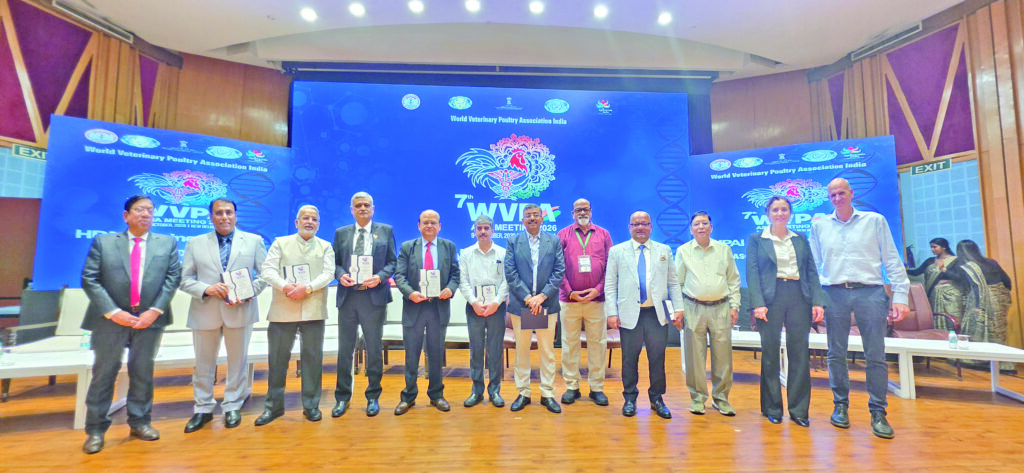
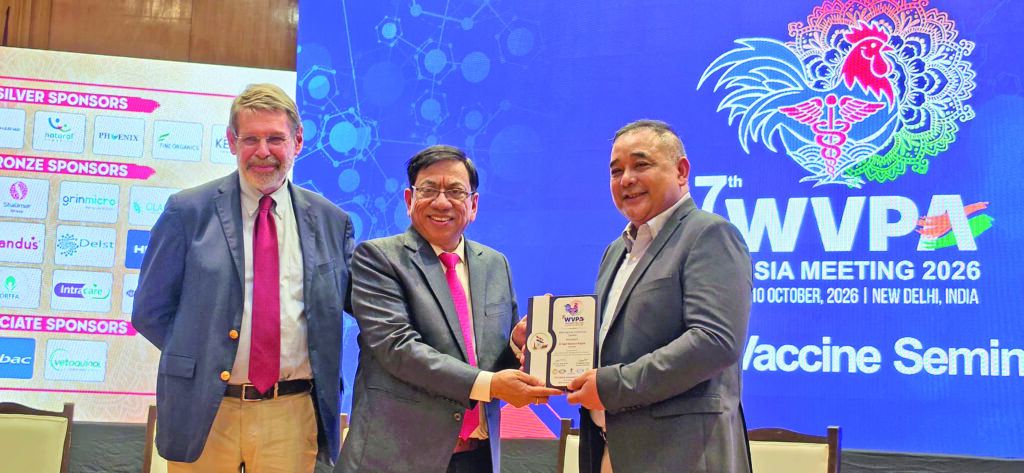
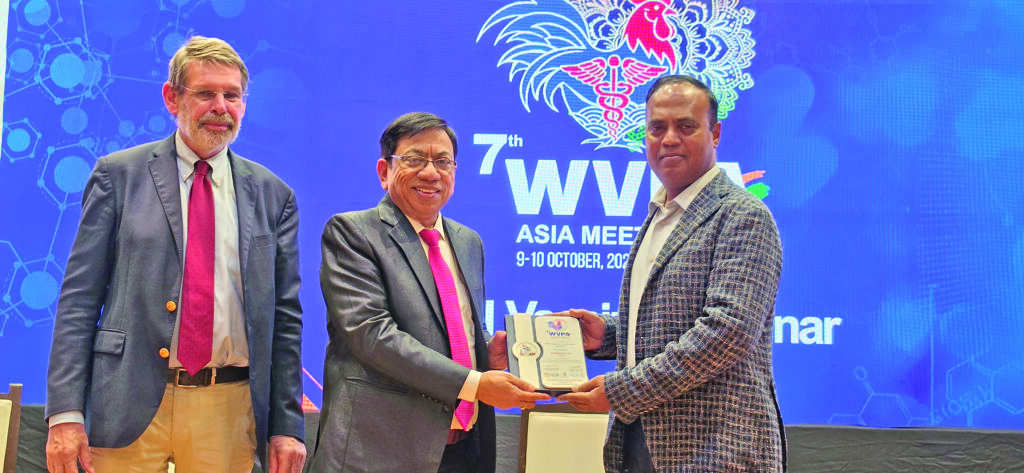
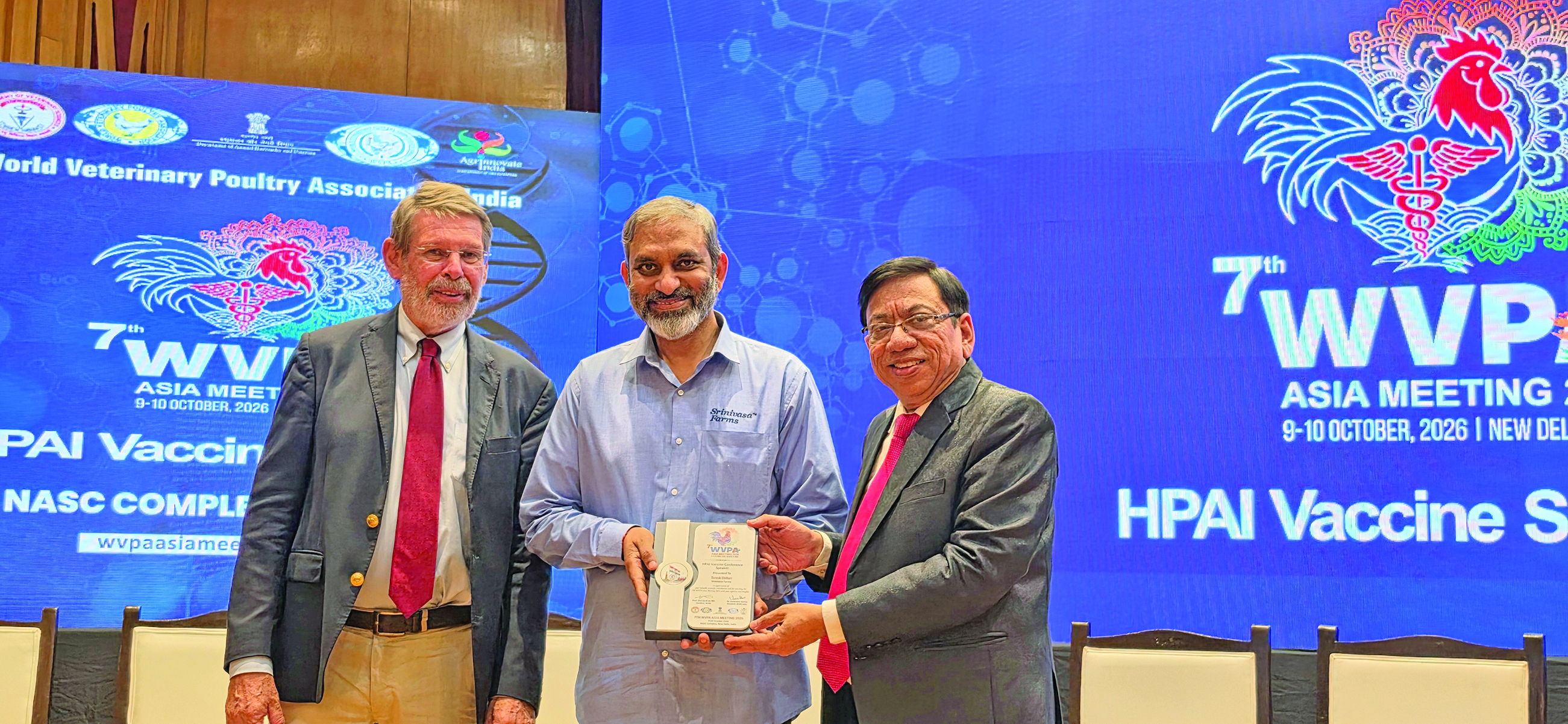
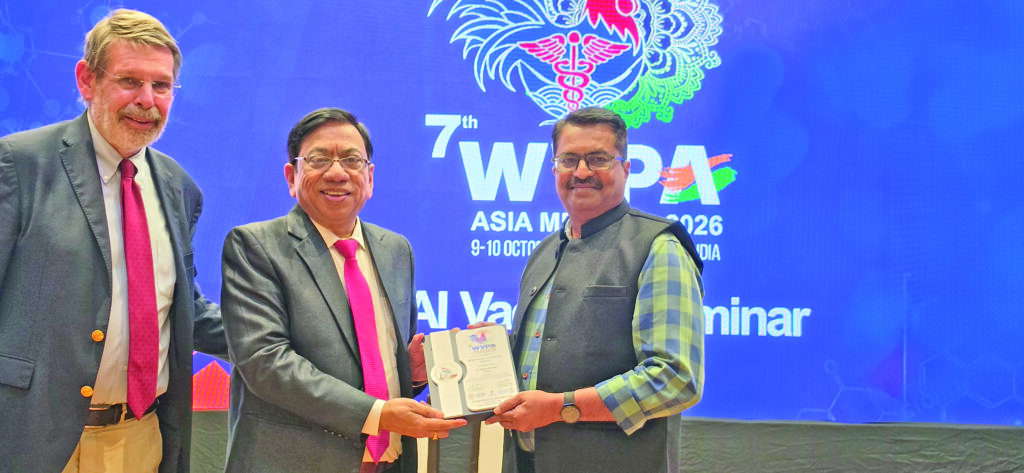
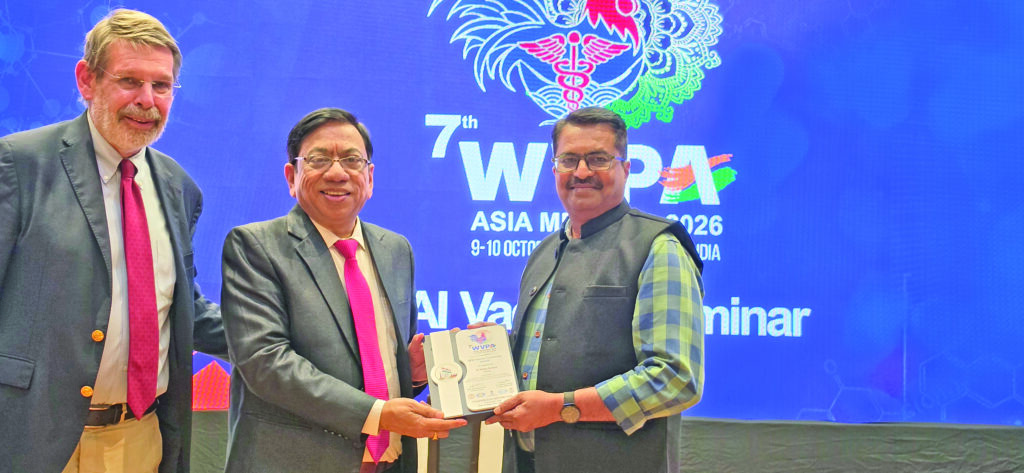
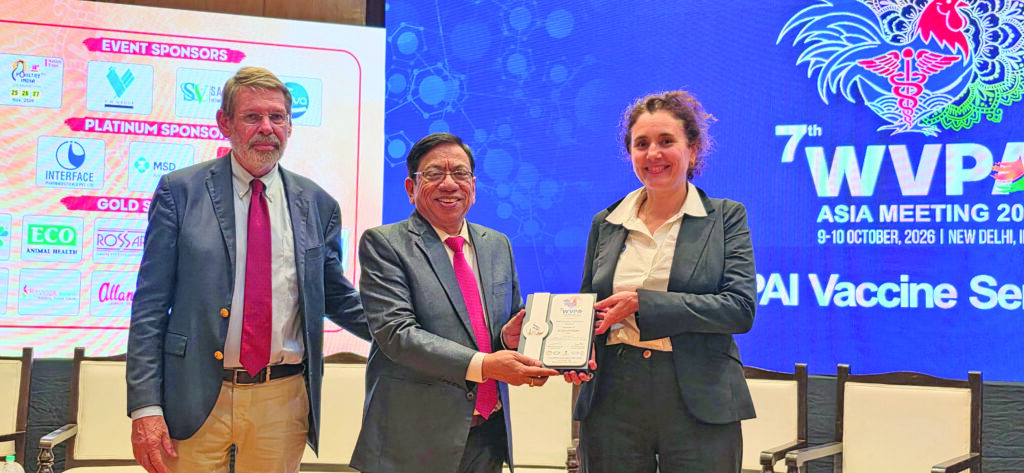
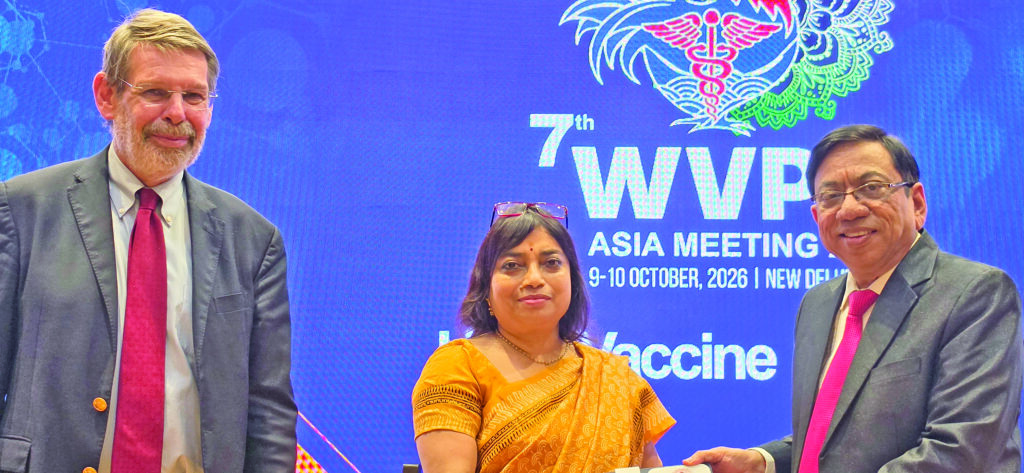
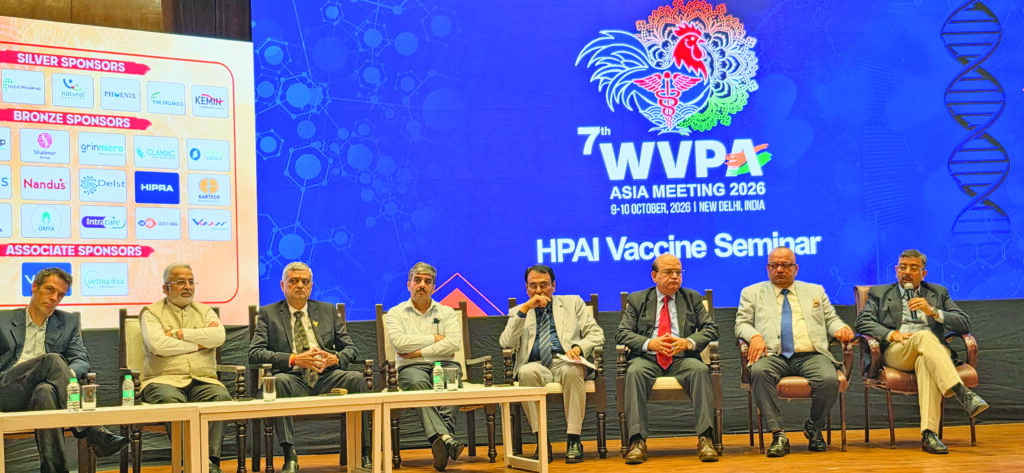
The HPAI Vaccine Seminar held at the NASC Complex, New Delhi, brought together international experts, veterinary scientists, policymakers and industry representatives to discuss the evolving global situation of highly pathogenic avian influenza (HPAI), advances in vaccine technology and strategies for strengthening poultry health and preparedness in India.The seminar was organised as a pre-conference event ahead of the 7thWVPA Asia Meeting 2026, held on 9–10 October 2026 under the theme “Poultry Disease Management for a Safer and Healthier World.”
Global H5N1 Developments and International Perspectives
The scientific programme addressed the global epidemiology and evolution of H5N1 avian influenza, international approaches to HPAI prevention and control, recent developments in vaccine trials, and the practical considerations involved in implementing vaccination strategies.
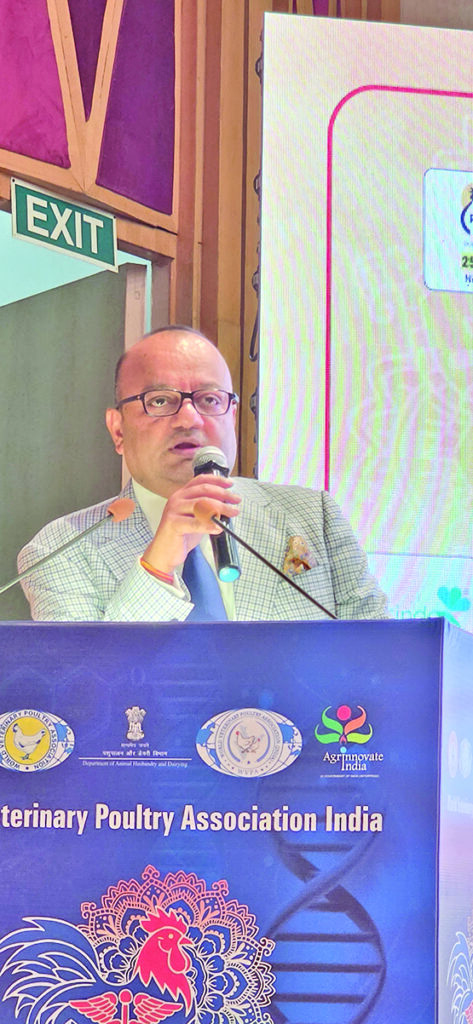
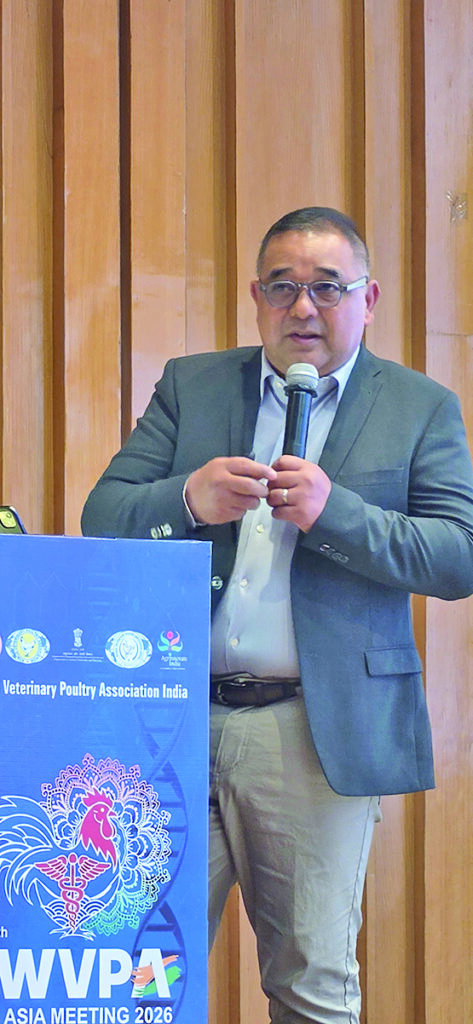
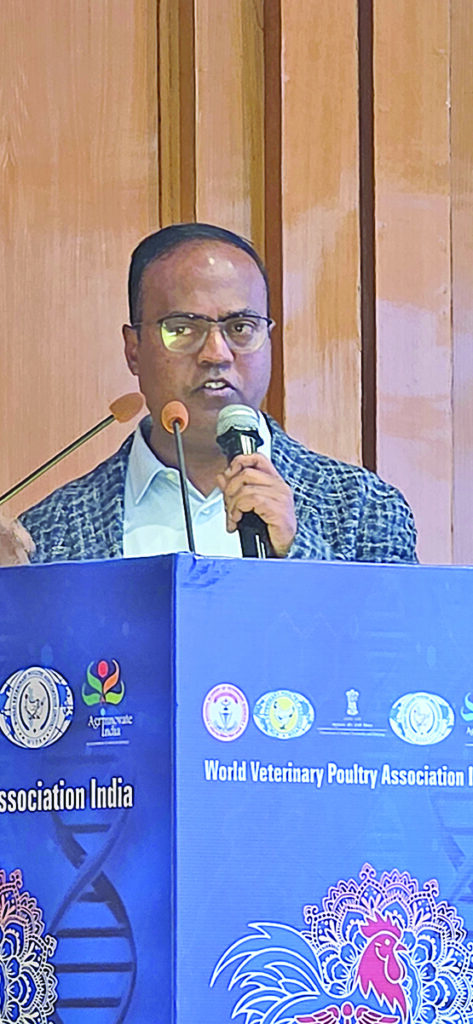
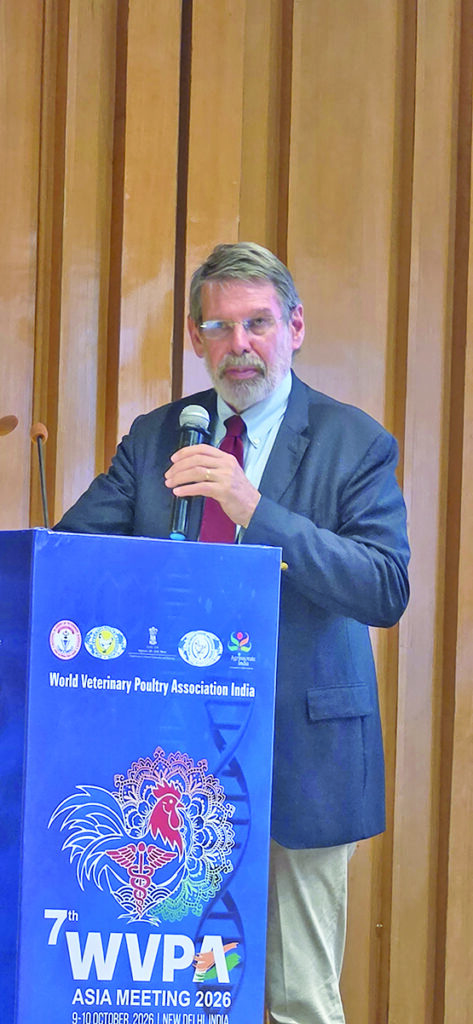
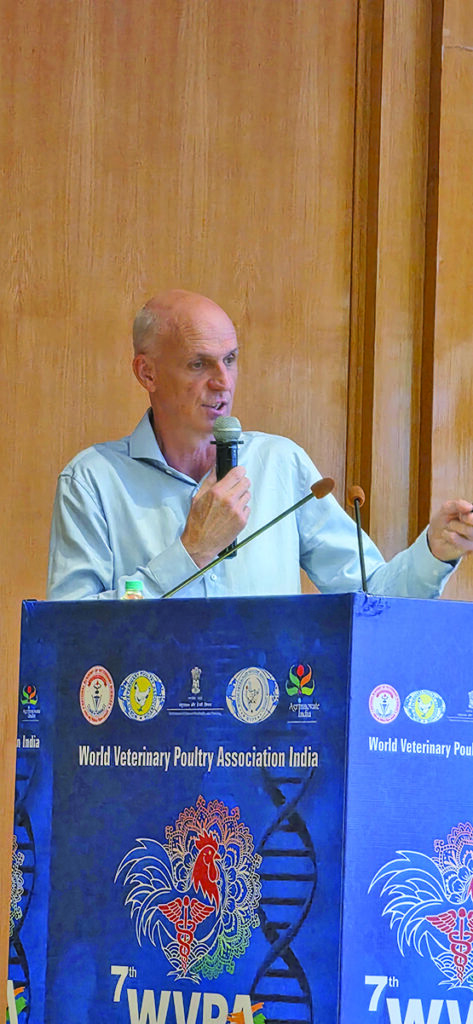
Dr.Teguh Y. Prajitno discussed global H5N1 epidemiology and evolution. Dr.GounalanPavade, Senior Scientific Coordinator for Avian Influenza at the World Organisation for Animal Health (WOAH), presented “Past, Present and Future: WOAH’s Approach to HPAI,” outlining the international animal-health perspective on HPAI preparedness and control.
Prof.Sjaak de Wit of Royal GD, the Netherlands, and Utrecht University reviewed recent HPAI vaccine trials and technological developments, providing scientific perspectives on the evaluation of available and emerging vaccine approaches.
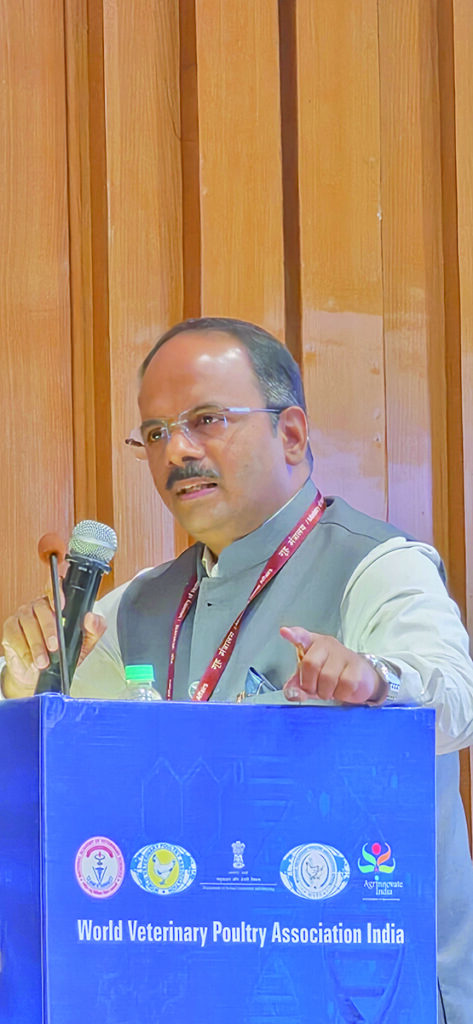
HPAI Vaccination: From Scientific Evidence to Field Implementation
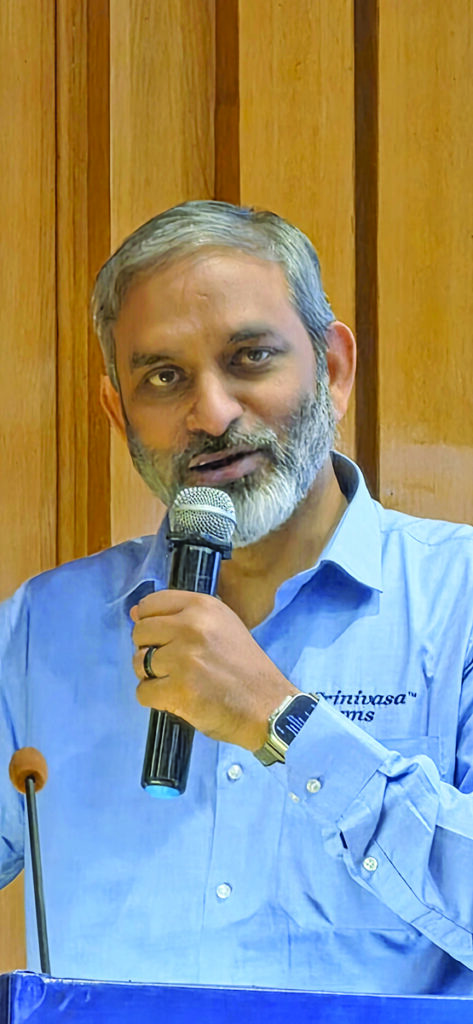
The seminar also examined the practical dimensions of HPAI vaccination, particularly in the Indian context. Dr. Sanjay K. Gavkare, General Manager–Technical, Ventri Biologicals, Venkateshwara Hatcheries Pvt. Ltd., delivered a presentation titled “HPAI Vaccination in India: From Vaccine Availability to Disease Control.” The presentation addressed the importance of linking vaccine availability with effective implementation and disease-control objectives.
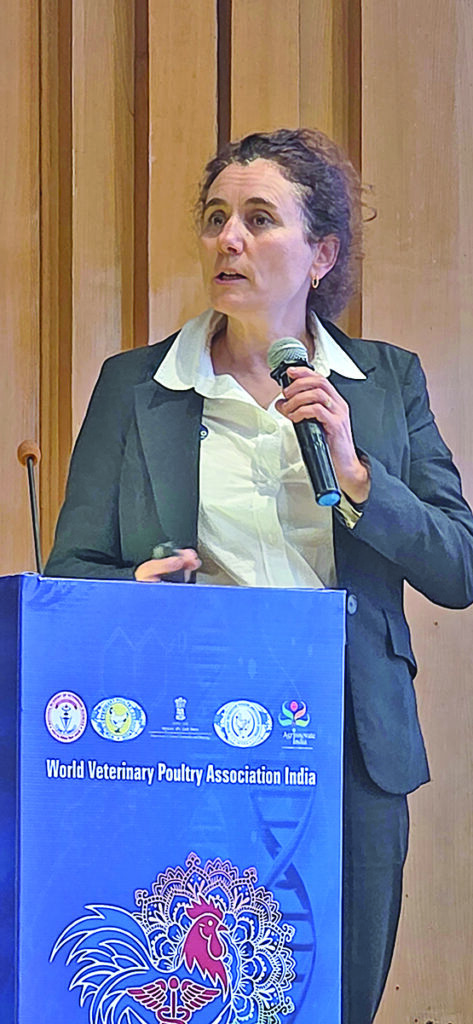
Dr.Gwenaëlle Dauphin, Director of the Global Platform for Scientific Support and Investigations at Ceva Animal Health, presented “Why Does the Ceva Vector Vaccine Against HPAI H5 Influenza Merit Consideration for an HPAI H5 Vaccination Policy in India?” The presentation highlighted recombinant vector vaccine technology and its potential relevance to discussions on HPAI vaccination policy.
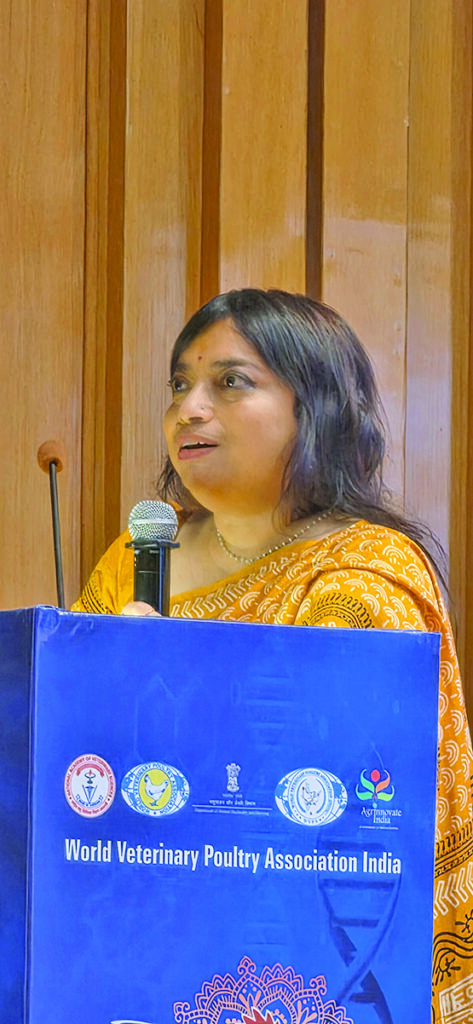
Dr.Rubina Bose, Deputy Drug Controller, Central Drugs Standard Control Organisation (CDSCO), Headquarters shared regulatory perspectives relevant to veterinary vaccines, including regulatory oversight, vaccine evaluation and approval processes.
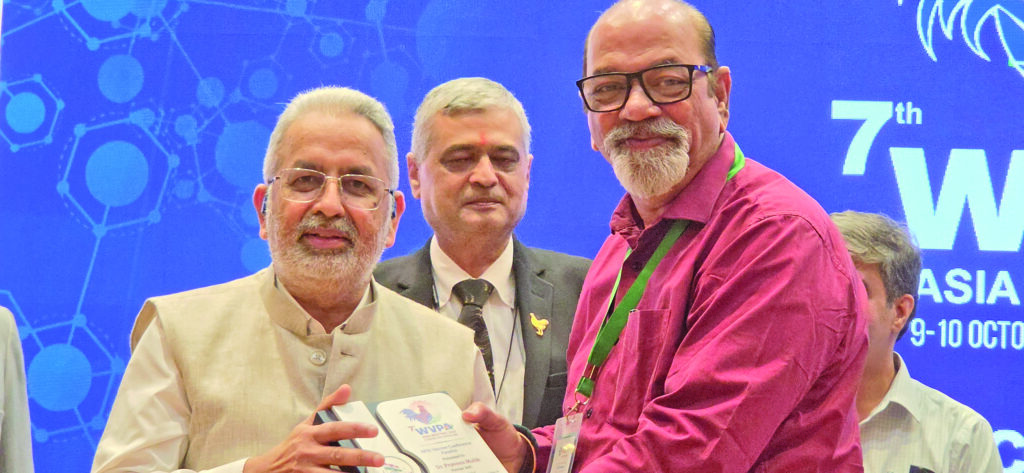
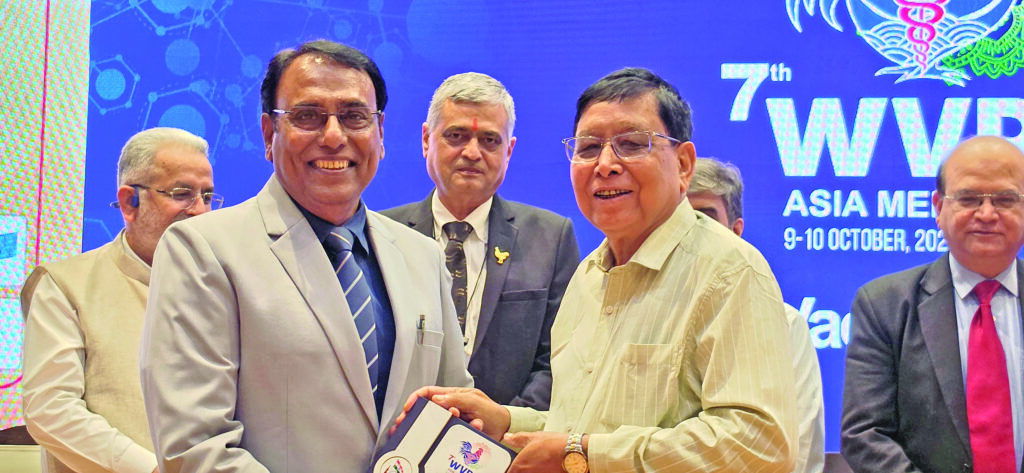
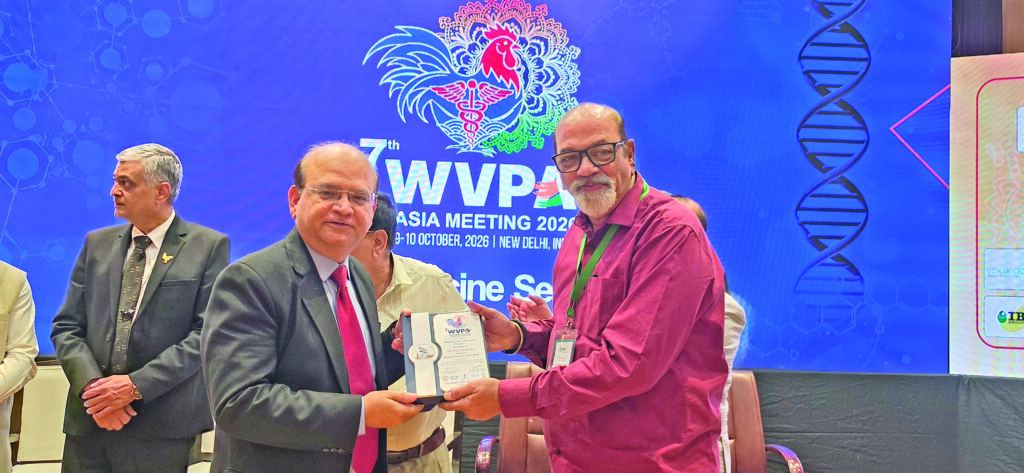
Panel Discussion: Policy, Science and Implementation of HPAI Vaccination
The panel discussion brought together distinguished representatives from veterinary administration, animal-health policy, scientific institutions and the poultry industry. The panel comprised Dr. Praveen Malik, CEO Agri Innovate; Dr.DiwakarHemadri, Additional Director General (ADG), Health, Dr. R. K. Jaiswal,IB Group, Dr. Vijay Makhija,INFAHDr. Thomas Tiley, Elanco,Dr.AnupamShrivastava,Zoetis,Dr.Sharad Singh,Dr.Harsha K. Shetty, Dr. Pankaj Shukla and Dr.Shirish Nigam.
The discussion focused on the role of vaccination in complementing surveillance, early detection and biosecurity; scientific evaluation of available and emerging vaccine technologies; and the policy and operational considerations involved in developing an effective HPAI vaccination strategy for India.
The panellists deliberated on translating scientific evidence and international experience into practical field-level interventions, strengthening coordination among government authorities, veterinary professionals, research institutions and industry stakeholders, and ensuring that vaccination strategies are supported by robust surveillance and continuous monitoring. The discussion emphasised that vaccination should be integrated into a comprehensive HPAI prevention and control framework guided by scientific evidence, national animal-health priorities and field requirements.
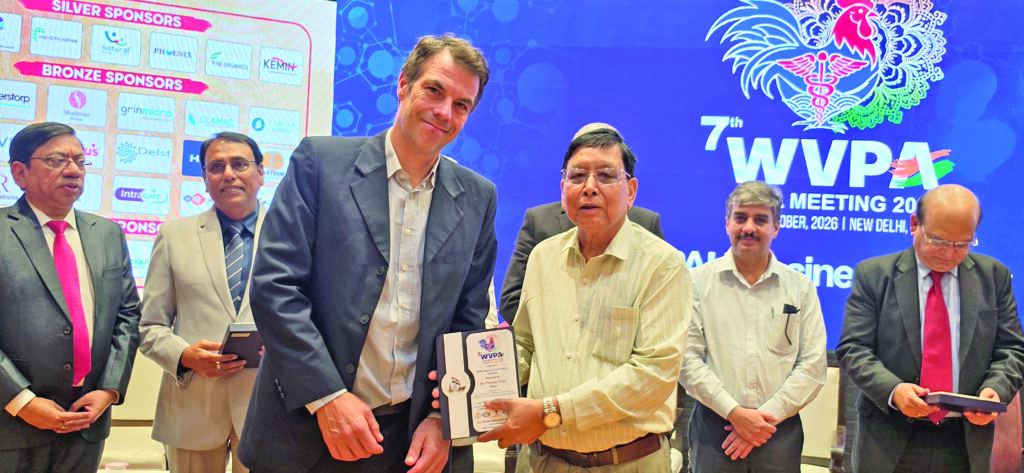
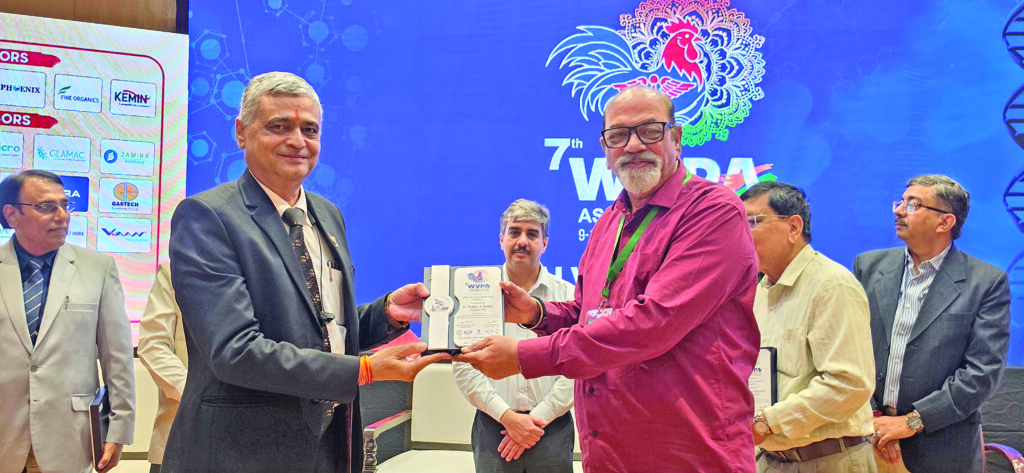
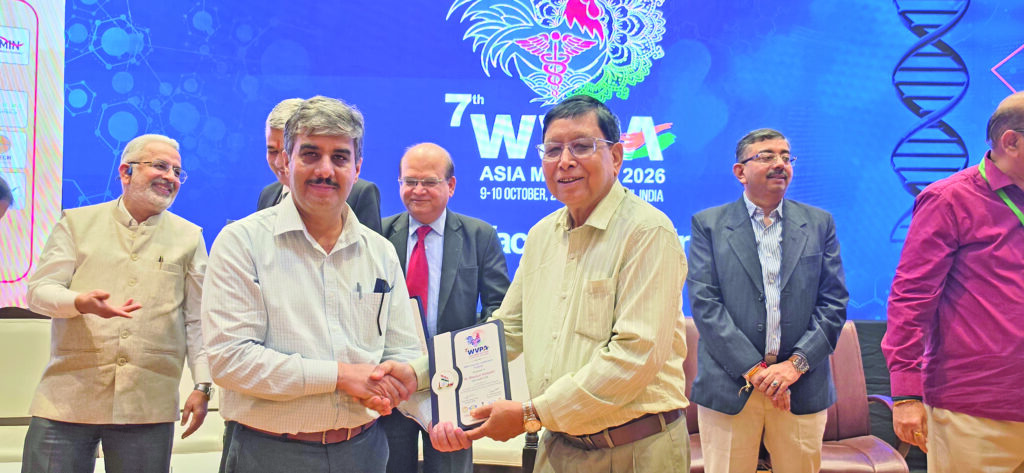
Strengthening Preparedness Through Collaboration
The seminar underscored that effective HPAI management requires an integrated approach combining surveillance, early detection, biosecurity, diagnostics, scientific research and appropriately evaluated vaccination strategies. International experience and scientific collaboration were recognised as important sources of evidence for strengthening national preparedness.
The discussions highlighted the value of sustained engagement among animal-health authorities, international organisations, research institutions, veterinary professionals and industry stakeholders to support responsible decision-making and protect poultry health.
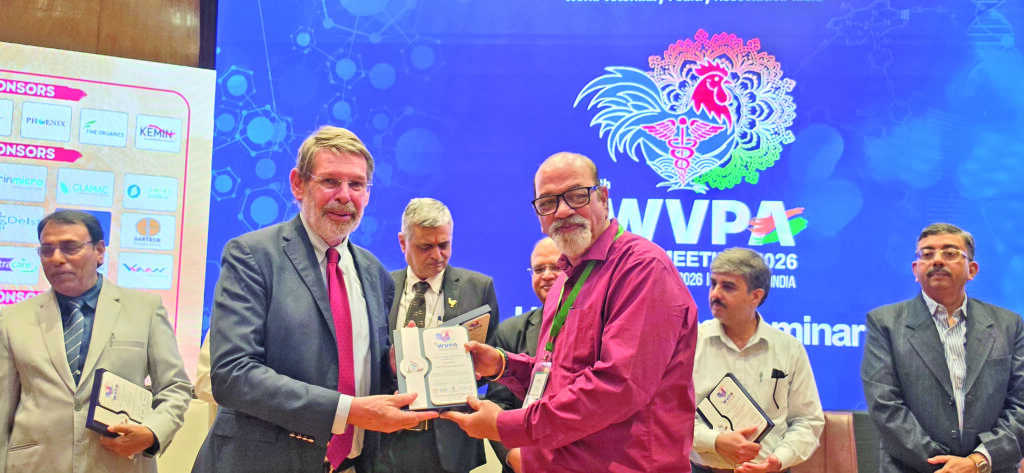
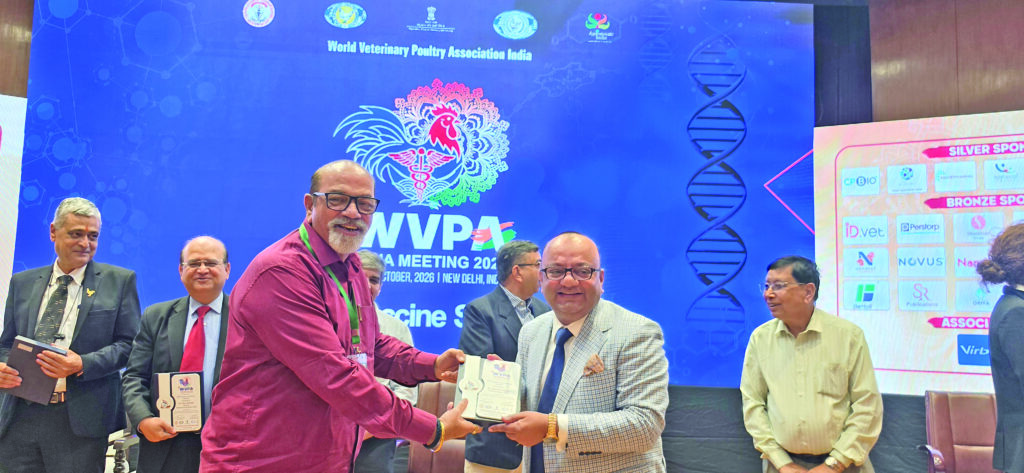
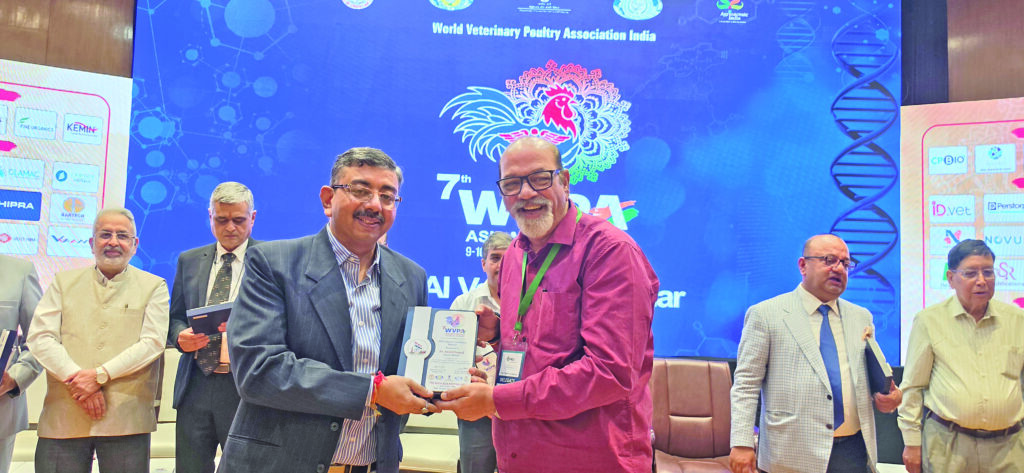
The HPAI Vaccine Seminar 2026 formed an important part of the scientific engagement surrounding the 7thWVPA Asia Meeting 2026. By bringing together international scientific perspectives, Indian field experience and senior professional leadership, the seminar reinforced the importance of evidence-based decision-making, coordinated action and innovation in advancing poultry health and preparedness against HPAI.