Uma Kant Verma1,Swarup Debroy2, Narendra Kumar3,Nadeem Shah4 and Hanuman Prasad Yadav5
1Assistant Professor, Animal Genetics & Breeding, CoVAS, Banda University of Agriculture and Technology, Banda.
2Assistant Professor, Veterinary Anatomy & Histology, CoVAS, Banda University of Agriculture and Technology, Banda.
3Assistant Professor, Livestock Production & Management, CoVAS, Banda University of Agriculture and Technology, Banda.
4Subject Matter Specialist (Animal Science), Sardar Vallabhbhai Patel University of Agriculture & Technology, Meerut.
5Assistant Professor, Veterinary Gynaecology and Obstetrics, CVSc & AH, DUVASU, Mathura
The total of all external variables that cause a homoeothermic mammal to change its body temperature from its quiescent condition is described as heat stress. Animals subjected to harsh weather circumstances, (i.e. 45-50°C) in both tropical and subtropical regions of the world may get impacted by heat stress, during summer. Heat stress dramatically lower the reproductive efficiency of dairy animals by affecting follicular growth, hindering oocyte maturation and reduce early embryo survival, it also shortens the length of estrus, causes silent heat and lowers the quality of bull semen, ultimately resulting in a 20-30% decrease in conception rates in cattle. Understanding and managing the effect of heat stress has the potential to neutralize the economical downfall to a significant degree.
Signs and symptoms of heat stress in cattle
Most of the time, physiological indicators such as respiratory rate, heart rate and rectal temperature are elevated. The animals show signs of heat exhaustion, displaying dizziness and fainting while their skin becomes dull. Animals experiencing heat stress may show abnormal panting and drooling in addition to very elevated body temperatures (106-108° F).
Effects of heat stress on health of dairy Cattle
The impacts of global warming are particularly evident in grazing-based livestock systems located in arid and semi-arid regions. Climate change affects both the demand for and availability of water resources, while also influencing water quality. Variations in temperature and weather patterns can alter rainfall distribution, river discharge, and groundwater reserves. Exposure to elevated environmental temperatures imposes heat stress on animals, adversely affecting their health and productivity. Heat stress triggers changes in physiological functions, metabolic activities, hormonal balance, and immune responses. Furthermore, high ambient temperatures increase the likelihood of metabolic disturbances and other health-related issues, while disrupting normal digestive processes by reducing rumen motility and rumination activity.
Physiological Thresholds
The Temperature-Humidity Index (THI) is frequently utilized to evaluate the level of heat stress:
- The non-stress zone is THI < 72. The behavior and yield of cows remain normal.
- THI 72–80: mild to Moderate stress. Cows seek the shade, which causes their breathing rates to rise.
- THI 80–90: Extreme stress. Body temperature increases, feed intake decreases, and milk/reproduction measures sharply reduce.
- THI > 90: Serious stress that increases the risk of death, severe discomfort, and hazardous hyperthermia.
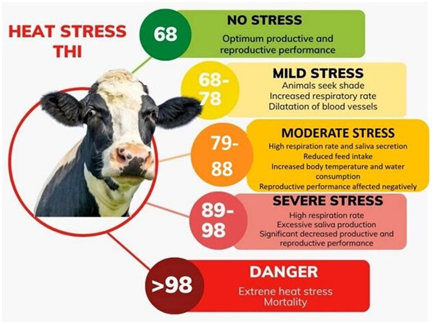
Fig 1: THI-Based Evaluation of Thermal Stress in Cattle
Impact of heat stress on Production
- Decreased Milk Yield: When body temperature increases during heat stress, dairy cows decreases their feed intake to reduce metabolic heat production, resulting in decreased nutrient availability and a significant decline in milk production.
- Reduced Milk Quality: Heat stress adversely affects milk composition by decreasing milk protein, casein, and fat contents through oxidative stress and insulin resistance.
- In Utero Effects: Heat stress in pregnant cows can impair fetal mammary gland development, resulting in diminished productive and reproductive potential in their calves later in life.
Impact of heat stress on Reproduction
- Reduced Fertility: Elevated temperatures interfere with normal endocrine function, causing hormonal imbalances that impair reproductive efficiency and reduce conception and pregnancy rates.
- Poor Oocyte and Semen Quality: Heat stress adversely affects the quality of oocytes and semen, impairing fertilization and reducing early embryonic survival.
- Weak Estrus Signs: Heat-stressed cows often exhibit reduced intensity and duration of estrus behavior, making heat detection more challenging and less accurate.
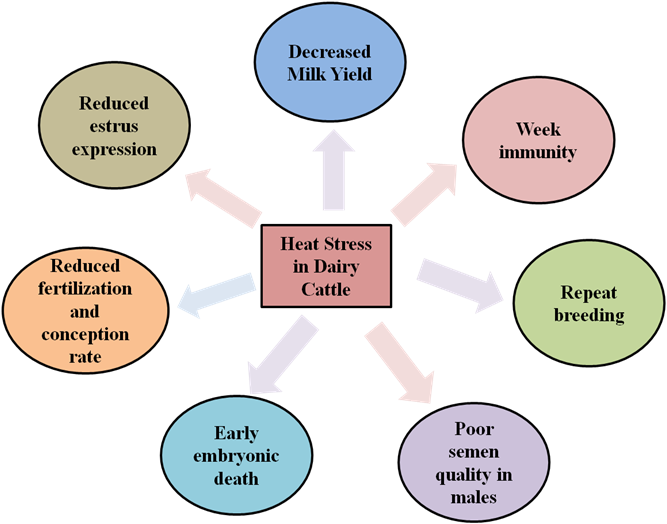
Fig 2: Consequence of heat stress in Cattle
Mitigation Strategies
To minimize the adverse economic and physiological impacts of heat stress, dairy producers should adopt effective environmental and herd management strategies.
- Cooling Systems: The use of shade structures, enhanced ventilation, fans, and water-based cooling methods such as sprinklers helps dissipate excess body heat and maintain thermal comfort in dairy animals.
- Nutrition Reformulation: Feeding strategies should be modified to provide higher nutrient concentrations while supporting optimal rumen health, helping to compensate for the decline in feed intake during periods of heat stress.
- Management and Breeding Strategies: Reproductive performance under heat stress can be improved through the use of timed artificial insemination (TAI), which reduces reliance on estrus detection, while embryo transfer techniques offer an effective approach to overcoming heat-induced fertility challenges.
Conclusion
Heat stress negatively influences the growth, productivity and reproductive efficiency of both male and female bovines, resulting in substantial economic losses to the livestock sector. Effective mitigation strategies include the use of cooling measures such as fans, sprinkles, misters and adequate shade to help animals maintain thermal comfort during hot weather conditions.