As India cements its position as a global aquaculture powerhouse, with output projected to reach 18 million tonnes by 2026, the demand for high-quality, cost-efficient feed has never been higher. To meet the stringent standards of export-oriented shrimp farming—particularly for species like P. vannamei and P. monodon—Indian feed manufacturers are increasingly looking toward technological breakthroughs that can optimize Feed Conversion Ratios (FCR) and production throughput. Famsun India is leading this transformation by introducing its innovative “Expansion + Pelleting” technology, a system designed to help local millers achieve a staggering 60% increase in capacity while simultaneously elevating feed quality.
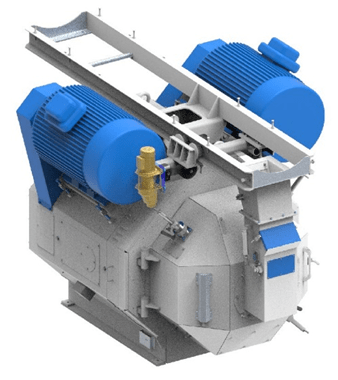
The core of this significant improvement lies in the integration of Famsun expanders into the traditional pelleting line. While conventional processes rely solely on temperature and moisture, Famsun’s technology introduces mechanical energy during the conditioning stage. This enables deeper physical and chemical reactions within the feed material, leading to superior starch gelatinization (≥50%) and improved nutrient availability. For an Indian market grappling with rising raw material costs, the high flexibility of this formula-friendly technology allows millers to utilize a wider range of ingredients without compromising the structural integrity of the final pellet.
Leadership Perspective: FAMSUN’s Global Vision
Speaking about the achievement, Ms. Rong, Chairperson of FAMSUN Group, expressed pride in the company’s contribution to global food security. She said, “This project reflects FAMSUN’s commitment to building smart, safe and sustainable grain infrastructure across the world. Whether in Egypt, Southeast Asia or India, our goal remains the same – to protect every grain and empower food security for generations.” She further emphasized India’s strategic importance, adding, “India is one of our most important markets. With its growing population, expanding ethanol industry and modernization of food supply chains, high-quality storage systems will play a crucial role. FAMSUN is proud to contribute to this journey.”
Production data highlights a transformative leap in efficiency: single-line output that previously operated at 2.8 t/h under traditional conditioning has been boosted to 4.5 t/h—a clear 60% capacity breakthrough. Beyond volume, the quality of the feed is markedly improved. Pellets produced through this dual-process method exhibit exceptional water stability, with stable times exceeding four hours. This is critical for Indian shrimp ponds, where feed stability directly impacts water quality and waste reduction. Furthermore, the powdering rate is reduced by 50%, ensuring that more feed reaches the shrimp rather than being lost as fines.
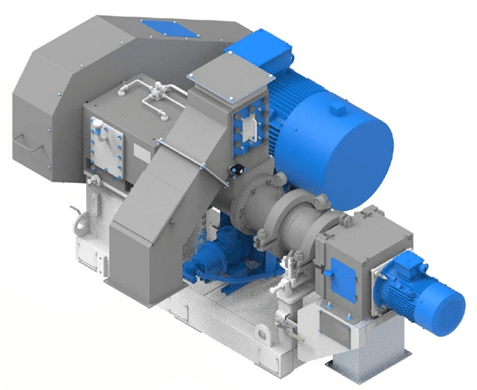
Table 1: Comparison of Core Parameters – Famsun Expansion + Pelleting vs. Traditional Conditioning + Pelleting
| Process Parameters | Traditional Conditioning + Pelleting | Expansion + Pelleting |
| Core variables | Temperature, moisture | Temperature, moisture, and mechanical energy |
| Conditioning temperature | 90-102℃ | Usually higher |
| Conditioning time | 250–300 seconds | Can be properly shortened |
| Steam pressure | 0.15–0.4MPa after pressure reduction | 0.15-0.3MPa after pressure reduction |
| Key equipment | Conditioner, pellet mill | Expander, pellet mill |
| Formula flexibility | Relatively low | High flexibility |
Efficiency in resource consumption is another area where Famsun India is supporting the “Make in India” initiative’s focus on sustainable manufacturing. By optimizing the conditioning process, the technology reduces power consumption per ton by 15–20% and cuts steam consumption by approximately 30%. These operational savings, combined with a total production cost reduction of 8–12%, result in a remarkably short Return on Investment (ROI) period of just 1.5 years. For medium-to-large scale feed mills in regions like Andhra Pradesh and Gujarat, this represents a sustainable path to scaling production in a competitive global market.
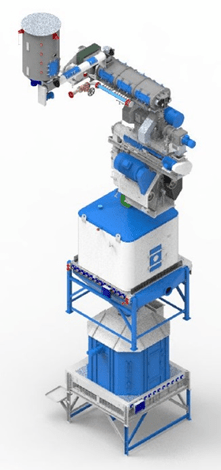
Table 2: Comparison of Key Shrimp Feed Quality Indicators – Famsun Expansion + Pelleting vs. Traditional Processes
| Quality Indicator | Conditioning + Pelleting | Expansion + Pelleting | Test Method/Condition |
| Stable time in water | >2 hours | >3 hours | Soaking in normal temperature water |
| Water stability | May soften and diffuse | No diffusion, cracking<1.5% | Soaking in boiling water for 20mins |
| Powdering rate | ≤0.2% | ≤0.1% | Standard powdering rate test |
| Pellet appearance | Average | Flat cut, smooth appearance | Observe with naked eyes and and a magnifying glass |
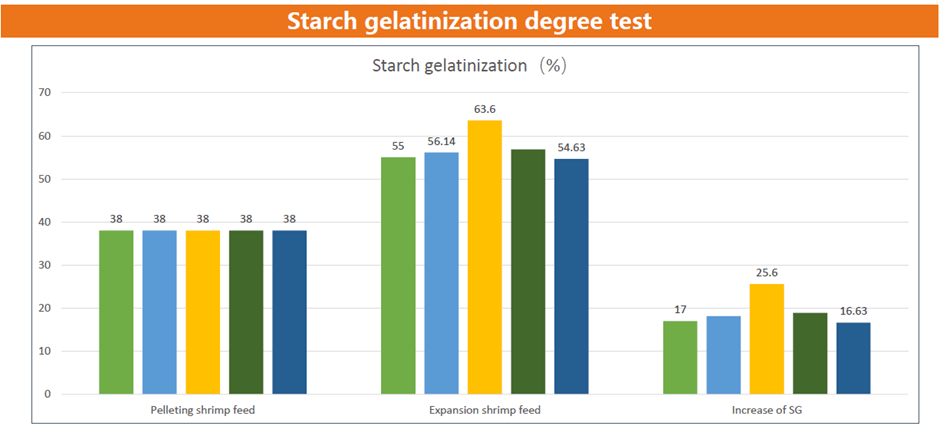
| Degree of starch gelatinization | ≤35% | ≥50% | Amylase-based test method |
| Retention rate of heat-sensitive nutrients | Relatively high | Need special protection | Lab analysis |
India Focus: Insights from FAMSUN India
Mr. Arun Kumar, Country Head – FAMSUN India, echoed similar sentiments and highlighted the relevance of this project for the Indian market. He stated, “This global project reinforces what we strongly believe – world-class technology must be accessible to Indian customers as well. From government warehousing to private grain processors, India needs scalable, automated and safe storage solutions.” He further added, “We are already witnessing strong demand from ethanol plants, large rice millers, feed manufacturers and port-based storage operators. FAMSUN India is fully equipped to deliver similar large-scale silo projects domestically.”
Advantages of Expansion Pre-Treatment Technology
Expansion pre-treatment delivers superior performance compared to conventional conditioning by adding mechanical energy to temperature and moisture control. This creates strong shear forces that drive key changes such as starch gelatinization, protein coagulation, and controlled fat modification, significantly improving feed structure and nutritional value.
The process converts beta-type starch into easily digestible alpha-type starch, enhancing digestibility, viscosity, and water stability while improving Pellet Durability Index (PDI). Fiber bonds are modified to increase soluble dietary fiber, supporting better gut health and nutrient absorption.
Protein binds more effectively with the starch matrix, improving nutrient utilization, while fat oxidation is reduced through enzyme passivation and starch-lipid complex formation. Together, these benefits result in stronger, more stable, and more palatable pellets—making expansion pre-treatment a superior solution for high-performance aquafeed production.
Famsun’s commitment to the Indian market is backed by a robust local presence, with a dedicated service and sales office located in Hyderabad to provide neighborhood technical support. As of June 2025, over 40 sets of this expansion + pelleting equipment have been successfully deployed globally for shrimp, fish, and poultry feed, creating a proven model for success that Famsun India is now scaling nationwide. By choosing Famsun, Indian feed producers gain a partner dedicated to “innovating to nourish a better world,” ensuring that the future of Indian aquaculture remains safe, nutritious, and globally competitive.