


Modern intensive poultry production systems require birds to perform at the upper limits of their physiological capacity. Rapid growth rates, improved feed conversion ratios (FCR), high egg output, and energy-dense diets impose substantial metabolic pressure on the liver — the central organ responsible for nutrient metabolism, lipid transport, detoxification, and immune modulation (Hermier, 1997; Julian, 2005). Under such conditions, hepatic resilience becomes a decisive determinant of flock productivity, health, and profitability. Conventional hepatoprotective strategies have historically focused on single lipotropic nutrients, primarily choline. While these interventions assist in lipid export, they often fail to address oxidative injury, inflammatory stress, mitochondrial dysfunction, and limitations in nutraceutical bioavailability (Zeisel & da Costa, 2009; Surai, 2014). Therefore, a multi-targeted hepatomodulatory strategy is required to sustain metabolic efficiency in modern production systems.
The Modern Metabolic Challenge
High-density, energy-rich rations — essential for maximizing ADG and FCR — frequently exceed the liver’s lipid-processing capacity, predisposing birds to hepatic lipidosis and oxidative damage (Hermier, 1997; Whitehead, 2004). This metabolic overload contributes to increased reactive oxygen species (ROS) generation, mitochondrial dysfunction, and impaired immune competence (Surai, 2002).
Such disruptions increase susceptibility to secondary conditions including:
- Ascites in broilers (Julian, 2005)
- Fatty Liver Hemorrhagic Syndrome (FLHS) in layers (Whitehead, 2004)
- Reduced resilience during toxin exposure, particularly aflatoxin B1 (Rawal et al., 2010)
Maintaining hepatic efficiency is therefore fundamental to sustainable poultry production.
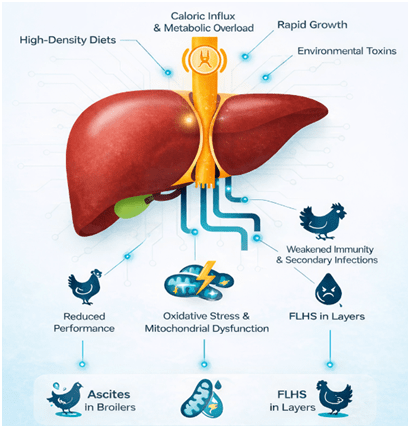
Fig 1: Modern metabolic challenge to poultry liver
Mechanism of Synergistic Lipotropics and Phytochemicals
Lipotropic agents play a central role in hepatic lipid metabolism by facilitating the mobilization and export of triglycerides from the liver. They promote phospholipid synthesis and very-low-density lipoprotein (VLDL) assembly, thereby enhancing lipid transport and preventing hepatic fat accumulation (Lakshmi & Padmaja, 2021; Zeisel & da Costa, 2009). Phytochemicals, on the other hand, provide pleiotropic hepatoprotective effects by modulating multiple molecular pathways involved in oxidative stress, inflammation, and cellular signalling. Many plant-derived bioactive compounds activate antioxidant defence systems (e.g., Nrf2 pathway) and suppress pro-inflammatory mediators (e.g., NF-κB signaling), thereby protecting hepatic tissue from metabolic and toxin-induced damage (Surai, 2002; Almohmadi et al., 2024). The synergistic integration of Lipotropics and phytochemicals offers a dual-action approach — optimizing hepatic lipid metabolism while simultaneously strengthening antioxidant and anti-inflammatory defences.
Mechanistic Basis of Advanced Hepatoprotection
An integrated tri-phasic framework—Protection, Mobilization, and Optimization—provides comprehensive hepatic support by targeting cellular defense, lipid metabolism, and digestive efficiency simultaneously.
Phase I: Protection – Hepatocyte Defense and Regeneration
Oxidative stress and toxin exposure are primary drivers of hepatic injury in poultry (Rawal et al., 2010).
- Silymarin (Silybum marianum extract)
- Potent antioxidant and free radical scavenger (Surai, 2002)
- Stabilizes hepatocyte membranes, limiting toxin penetration (Abenavoli et al., 2018)
- Stimulates RNA polymerase I activity, enhancing protein synthesis and hepatocyte regeneration (Polyak et al., 2013)
- Phyllanthus niruri
- Contains lignans such as phyllanthin
- Inhibits lipid peroxidation and preserves membrane integrity (Patel et al., 2011)
- Exhibits anti-inflammatory and hepatorestorative effects
- Activation of endogenous antioxidant pathways (e.g., Nrf2) and suppression of inflammatory signaling (e.g., NF-κB) collectively reduce hepatic oxidative burden (Surai, 2014).
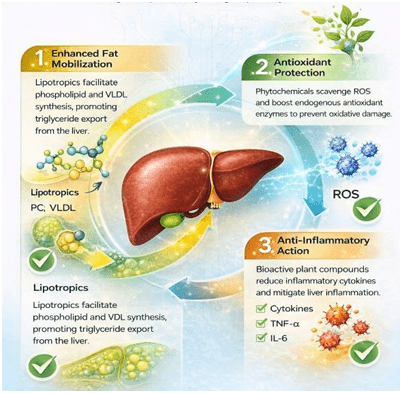
Fig. 2: Modern metabolic challenge to poultry liver
Phase II: Mobilization – Lipotropic Support for Lipid Export
Hepatic triglyceride accumulation impairs metabolic efficiency and negatively impacts performance parameters (Hermier, 1997).
- Choline sources and methyl donors (e.g., tricholine citrate, betaine)
- Support phosphatidylcholine synthesis
- Enhance VLDL assembly and triglyceride export (Zeisel & da Costa, 2009)
- L-Carnitine
- Facilitates mitochondrial transport of long-chain fatty acids
- Enhances β-oxidation and ATP generation (Rebouche, 2004)
- Inositol
- Synergizes with choline in lipoprotein formation
- Reduces risk of fatty liver conditions in high-producing birds (Lakshmi & Padmaja, 2021)
- This coordinated lipotropic matrix promotes efficient fat mobilization, improved mitochondrial function, and enhanced feed efficiency.
Phase III: Optimization – Bioavailability and Digestive Efficiency
Sustained hepatoprotection requires efficient digestion and nutrient assimilation.
- Piperine (Black Pepper Extract)
- Inhibits glucuronidation pathways
- Enhances systemic bioavailability of phytogenic compounds (Shoba et al., 1998; Srinivasan, 2007)
- Capsicum and Ajwain oils
- Stimulate bile secretion and pancreatic enzyme activity
- Improve fat digestion and absorption of fat-soluble vitamins (Platel & Srinivasan, 2004)
- Rosemary and Basil oils
- Provide secondary antioxidant defense
- Neutralize peroxyl radicals prior to systemic circulation (Nieto et al., 2018)
- Digestive optimization ensures improved nutrient utilization and sustained metabolic stability.
Production and Clinical Implications
Comprehensive hepatic support has been associated with:
- Reduced ascites-related mortality (Julian, 2005)
- Lower incidence of FLHS in layers (Whitehead, 2004)
- Improved recovery following aflatoxin exposure (Rawal et al., 2010)
- Enhanced feed conversion efficiency through improved lipid metabolism (Hermier, 1997)
Thus, multi-modal hepatoprotection strengthens metabolic resilience in high-performance poultry systems.
Conclusion
Metabolic persistence is central to sustaining productivity in modern intensive poultry production. A tri-phasic hepatoprotective strategy integrating antioxidant phytogenics, lipotropic mobilization, and digestive optimization provides a comprehensive framework for maintaining hepatic integrity and metabolic efficiency. By enhancing hepatocyte resilience, supporting lipid export, and improving nutrient bioavailability, advanced hepatomodulatory approaches promote consistent performance, improved feed efficiency, and long-term flock sustainability.
References:
Will be provided on request