By Dr. Madri Brink, Global Technical Manager – Gut Health and Immunity, Orffa Additives
B.V., The Netherlands.
Sopaphan Pruekvimolphan, Technical Manager, Orffa (Thailand) Ltd.
In modern livestock production, mycotoxins are among the most critical yet often underestimated constraints on performance and profitability. These persistent fungal metabolites contaminate feed raw materials and cannot be removed or detoxified during the normal feed manufacturing processes. Their effects are frequently subclinical – impairing immunity, nutrient utilization, and gut integrity and increasing performance variability. Therefore, mycotoxin binders based on aluminosilicates such as clinoptilolite and layered phyllosilicates are key tools to mitigate risk in animals.
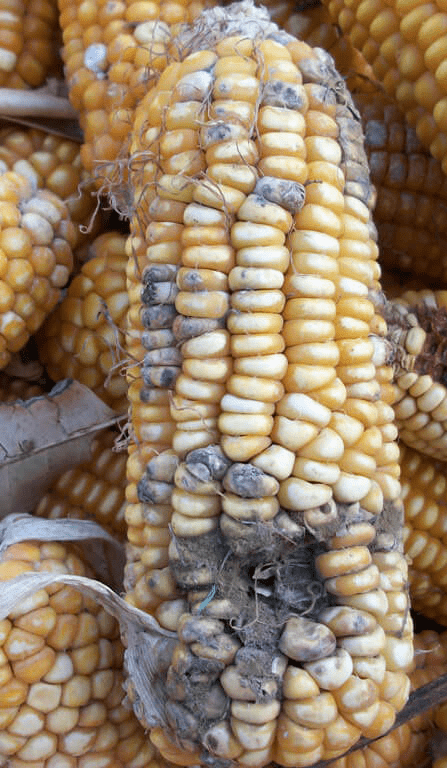
Known and emerging mycotoxins:
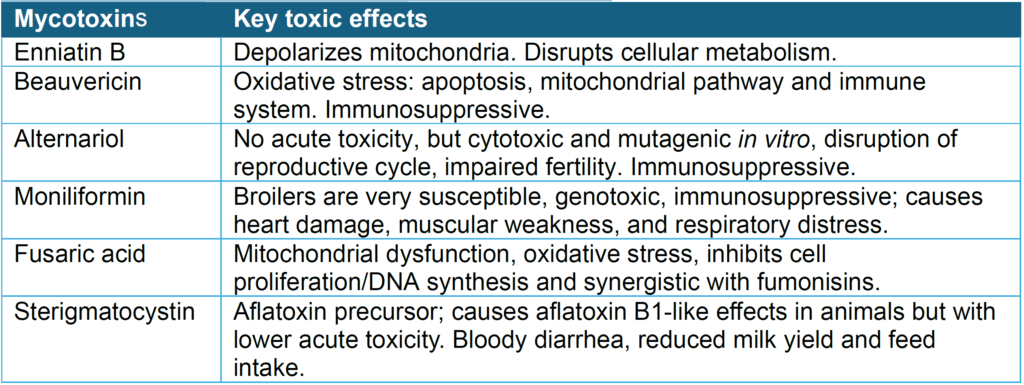
Feed contamination extends beyond the major mycotoxins (aflatoxins, deoxynivalenol, zearalenone, fumonisins, and ochratoxin A) produced by Aspergillus, Fusarium, and Penicillium. Emerging mycotoxins, including enniatin B and beauvericin, are frequently detected but remain less regulated despite their potential toxicity (Table 1).
Table 1. Emerging mycotoxins and key toxic effects
Bacterial toxins
In addition to fungal mycotoxins, bacteria like Clostridium perfringens also produce several toxins which are key virulence factors associated with necrotic enteritis in poultry.
- Alpha toxin, a phospholipase, is cytotoxic to various host cells, including erythrocytes and endothelial cells, contributing to tissue damage.
- NetB toxin, a pore-forming protein, plays a primary role in disease pathogenesis by disrupting intestinal cell membranes, leading to cell lysis and necrotic lesions in the gut.
The combined activity of these toxins contributes to intestinal damage, impaired nutrient absorption and reduced animal performance. Therefore, choosing binders with a proven binding capacity of targeted fungal and bacterial toxins are crucial.
Physical and chemical properties driving efficacy
A wide range of clays (aluminosilicates) are used as mycotoxin binders. In general, they are often grouped into two main classes: tectosilicates (framework silicates) and phyllosilicates (sheet silicates) – which differ in structure and, therefore, in how they interact with known and emerging mycotoxins and bacterial toxins produced by Clostridium spp. in the gastrointestinal tract.
Tectosilicates (framework silicates e.g., clinoptilolite)
Tectosilicates are crystalline aluminosilicates. They are made up of SiO4 and AlO4 tetrahedra that are connected to form a rigid, three-dimensional, honeycomb-like framework with a microporous system. Under the broad category of zeolite, clinoptilolite is one the most effective and widely used due to its high porosity which form the basis of its adsorption capacity. Highly polar mycotoxins such as aflatoxins are small enough to enter these pores where they interact with K+ and Ca2+ cations.
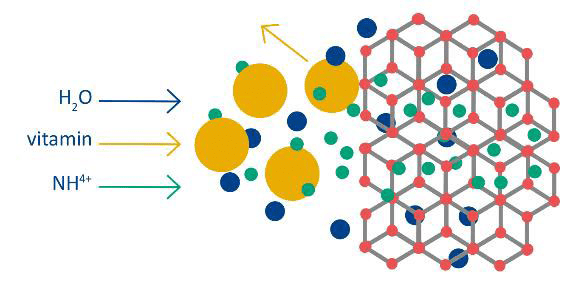
The small pores of clinoptilolite (~400 picometer: pm) help to prevent the unintended binding of nutrients such as glucose (molecular size of 700 – 900 pm) or some of the
vitamins (molecular size of 500 – 2000 pm) (Figure 1). In addition, clinoptilolite is not known to interact with macrolides or coccidiostats. Unlike bentonite, especially for poultry, the simultaneous use with coccidiostats other than robenidine is contraindicated with levels of bentonite above 5000 mg/kg of complete feed (EU Regulation No. 1060/2013).
Key benefits of clinoptilolites
- Aflatoxin binding: consistent high binding efficacy across a broad pH range (3 – 7) during in vitro studies over multiple years.
- Proven to bind emerging toxins and bacterial toxins produced by Clostridium perfringens.
- Gut support: ammonia and water binding supports gut health and litter quality in poultry.
- Feed processing: improves flow, reduces caking, and supports pellet quality (lower friction, higher durability).
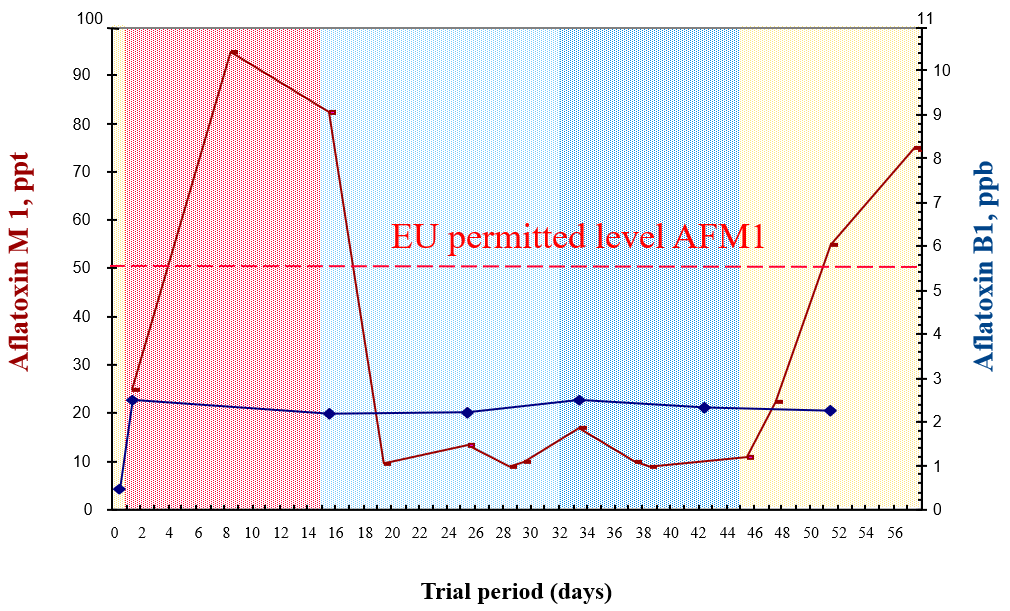
In an Italian study with 300 dairy cows, Excential Toxin A (clinoptilolite) demonstrated a strong Aflatoxin B1 (AFB1) binding capacity by reducing the carry-over of Aflatoxin M1 (AFM1) in milk (Figure 2). During the supplementation of Excential Toxin A at 100 or 200 g/head/day between days 15-32 and 32-45 of the trial, respectively, AFM1 in milk dropped sharply (below the EU legal limit of 0.05 μg/L) and increased again after withdrawal of Excential Toxin A from the feed. The supplementation of mycotoxin binder did not affect the milk quality characteristics (casein, lactose, fat) or milk productivity.
Phyllosilicates (sheet or layer silicates)
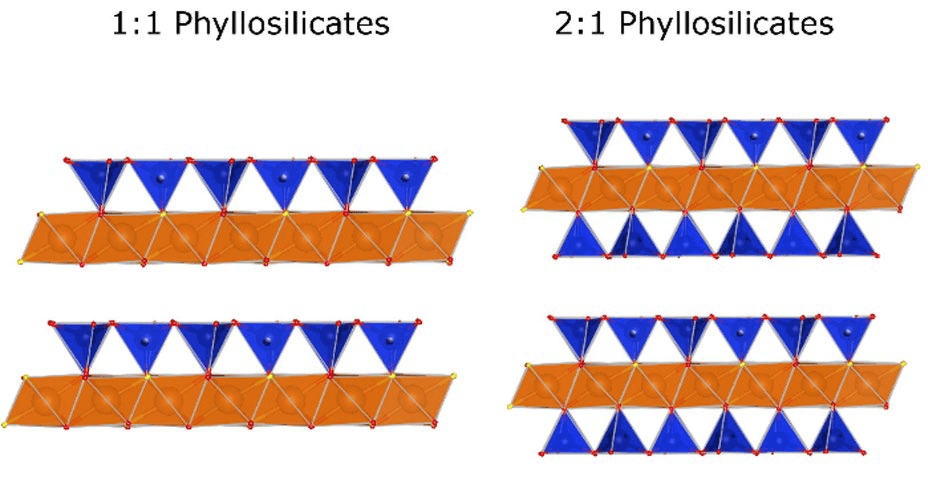
Phyllosilicates are formed by the stacking of tetrahedral silicate sheets and octahedral sheets. The two main combinations are 1:1 tetrahedral and octahedral layers (e.g., kaolinite) and 2:1 tetrahedral and octahedral layers (e.g., smectite) (Figure 3). The stacked sheets create interlayer spaces and an expandable structure, enabling adsorption, ion exchange, and swelling. However, some phyllosilicates are naturally non-swelling. Additional processing, including thermal treatment and ultrafine milling, can optimize these clays for use as mycotoxin binders (e.g., phyllosilicate used in Excential Toxin Plus).
Excential Toxin Plus is a synergistic five-component formulation: (1) clinoptilolite (tectosilicate) for high-affinity binding of small, highly polar mycotoxins via a rigid 3D pore network; (2) an activated, non-swelling European phyllosilicate that supports the adsorption of mycotoxins such as fumonisins as well as bacterial toxins; (3) yeast cell wall to extend the binding to toxins with low adsorption affinity, such as zearalenone and ochratoxin; (4) betaine to reduce the negative impact of DON on the intestinal integrity and to support intestinal recovery and liver health, damaged by mycotoxins; and (5) ammonium propionate to help limit mold growth and mycotoxin formation during feed storage.
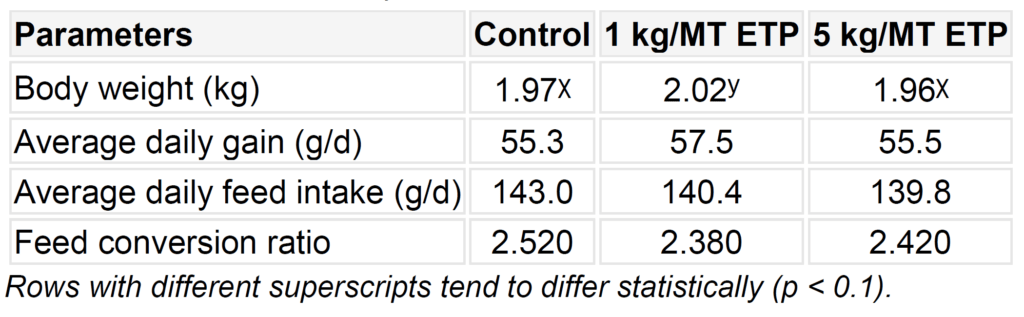
A 42-day trial was carried out at the School of Veterinary Medicine of the University of Dakar, Senegal with 600 Cobb 500 broilers. From 11 days of age, the birds received 0, 1, or 5 kg of Excential Toxin Plus (ETP) per MT feed. The birds were fed a corn–groundnut meal-based diet naturally contaminated with aflatoxin (160.4 μg/kg). The supplementation of 1 kg ETP/MT of feed tended to increase the final body weight of the birds by 2.4% (P < 0.1) and numerically improved FCR by 5.6%, compared to the control. The supplementation of 5 kg ETP/MT of feed improved FCR by 4.0% with no change in final body weight compared to the control (Table 2).
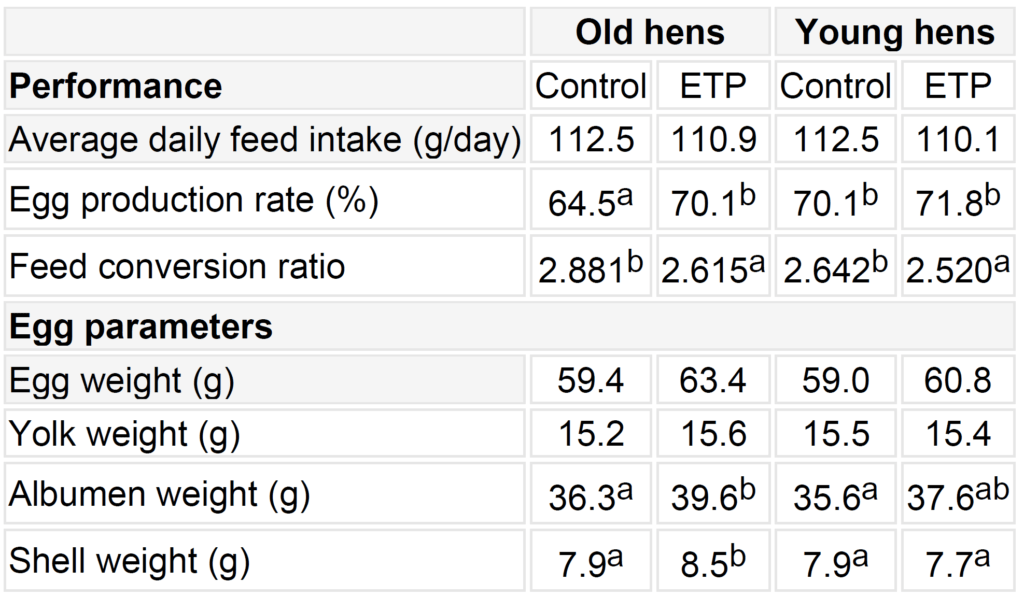
In layers, a 12-week study was carried out at the University of Lomé, Togo with a total of 840 Isa Brown old (62 – 74 weeks) and young (47 – 59 weeks) layers with an average body weight of 1.75 kg. The hens received either 0 or 1.5 kg ETP/MT of feed. The supplementation of ETP increased egg production (+8.7% in old hens, P < 0.05; +2.4% in young hens) and improved FCR (−9.2% in old hens; −4.6% in young hens). In old hens, egg weight increased by 4.0 g due to a significant increase in albumen and eggshell weights (P < 0.05) (Table 3).
Not all clay binders perform the same
Each type of clay binder has a specific binding capacity that can vary substantially with the source deposit (even within the same clay family) and the processing applied (chemical, physical, or thermal treatment). As a result, some adsorbents offer broader mycotoxin mitigation, while others show high affinity only for specific mycotoxins.
Quality control and safety assurance system
A comprehensive quality and safety standard for mycotoxin binder selection should start with rigorous raw material qualification, extend through controlled manufacturing, and completed via stringent and continuous monitoring of finished goods. This holistic approach ensures that the final product consistently meets expectations not just for efficacy, but also for safety, and regulatory compliance. Safety parameters e.g. heavy metals, dioxins/dioxin-like compounds needs to be controlled and in line with EU/US directives, according to the market requirements.
Conclusion
Excential Toxin A provides high adsorption of highly polar mycotoxins (including aflatoxins) and emerging contaminants such as enniatins. Excential Toxin Plus extends protection via broader-spectrum adsorption (e.g., fumonisins, zearalenone, ochratoxin, and emerging toxins) and complementary components to support gut function, resilience, and performance under multi-mycotoxins and bacterial toxins challenge. Backed by European quality assurance, Orffa mycotoxin binder product range offer reliable and practical risk mitigation in increasingly complex feed environments.
References available upon request