Poultry Health Management for a Safer and Healthier World
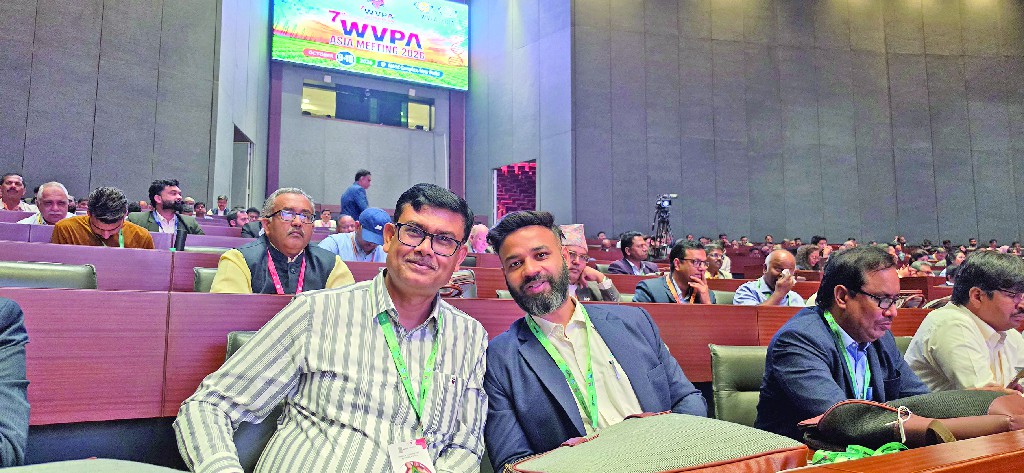
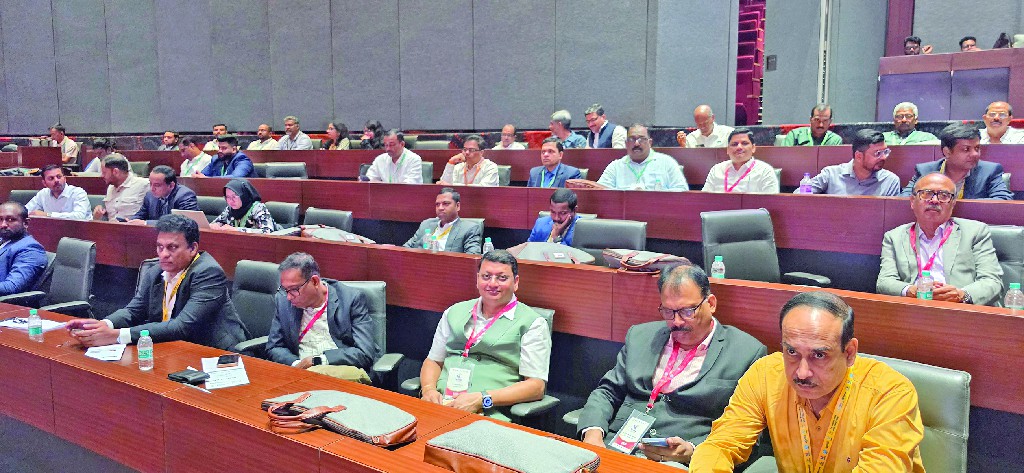
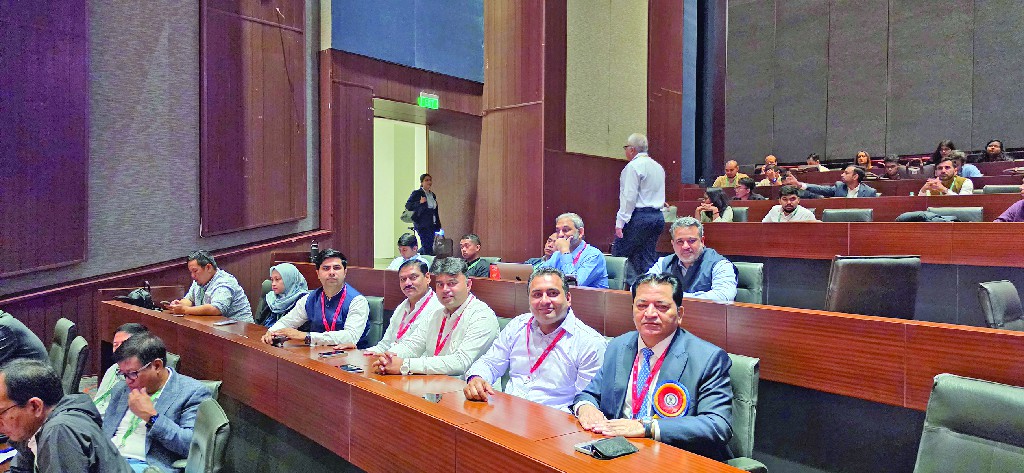
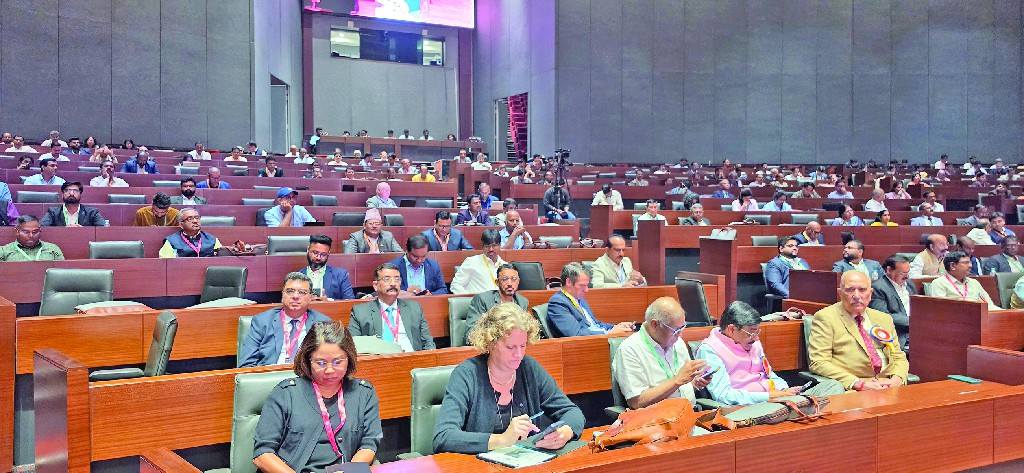
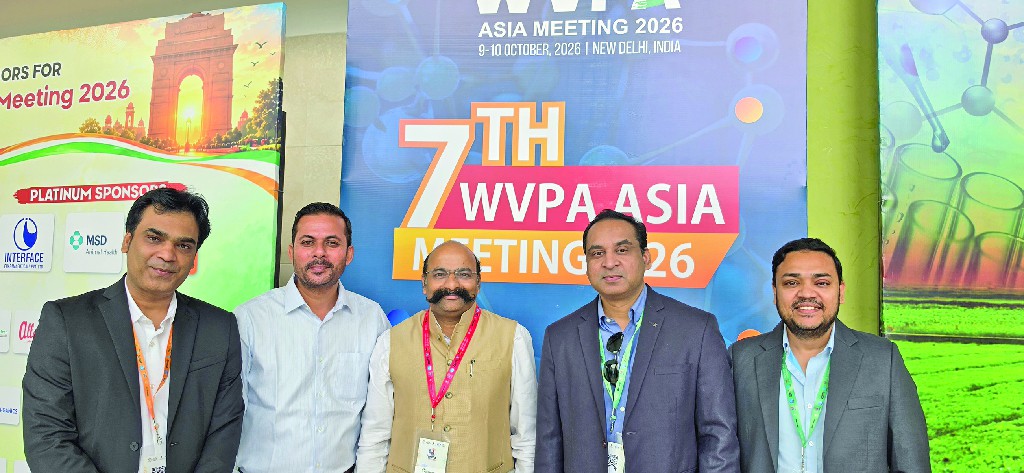
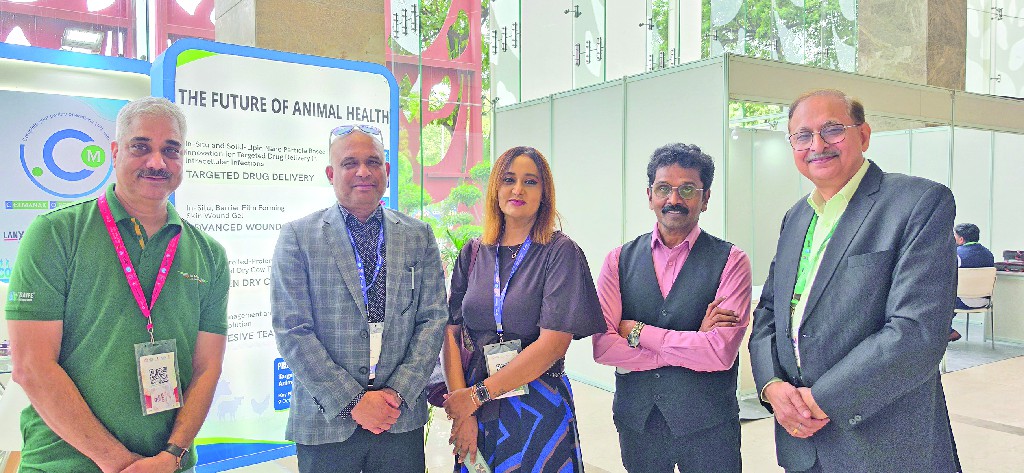
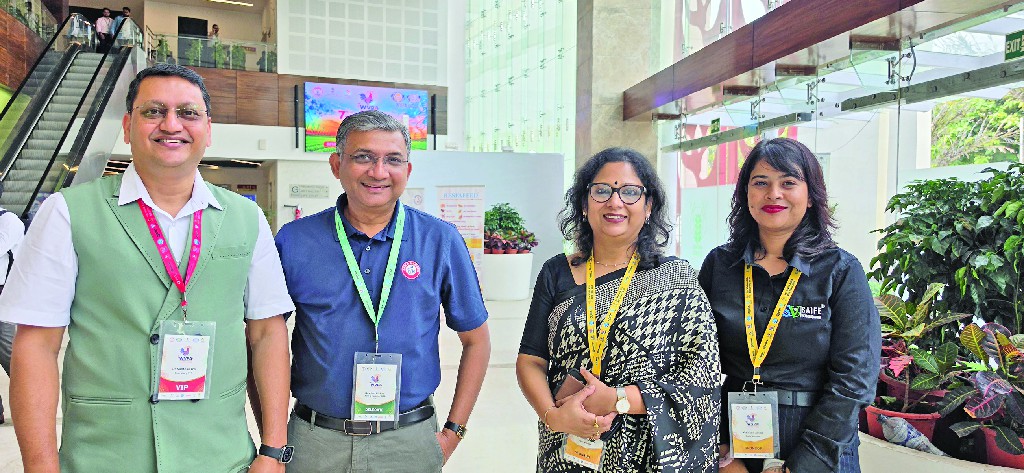
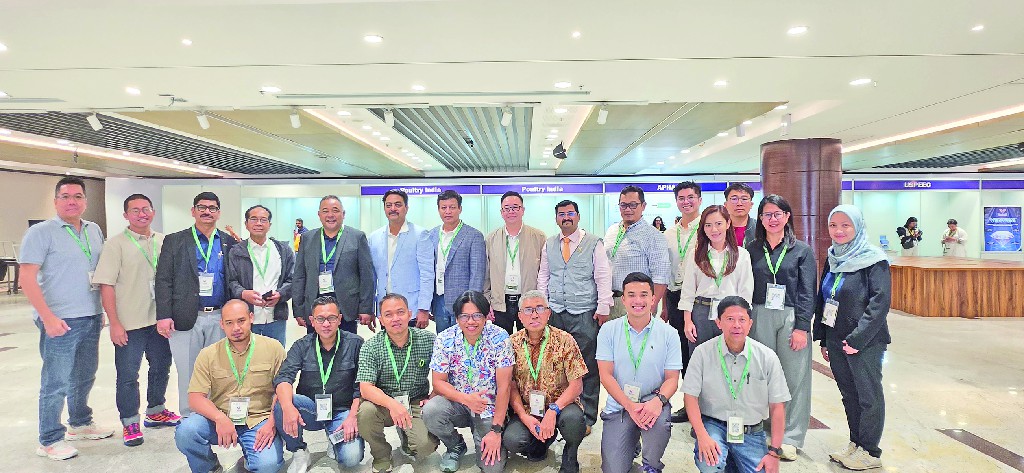
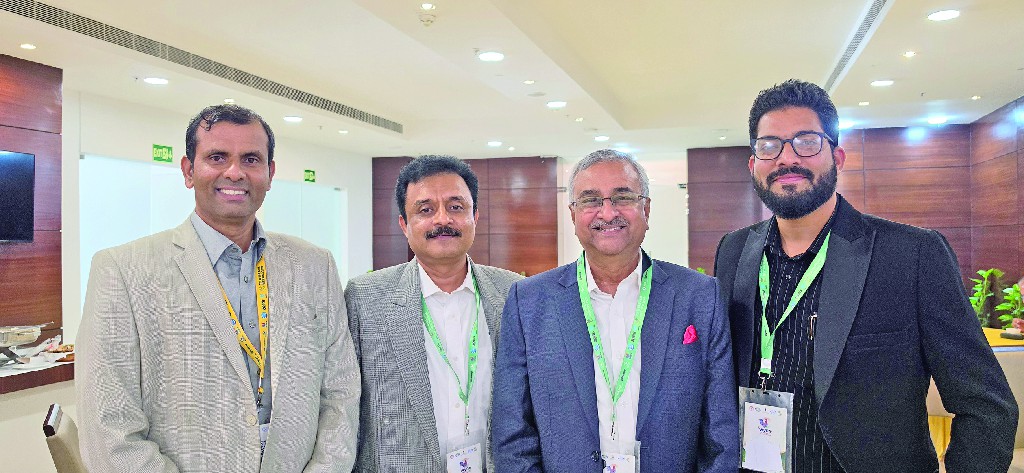
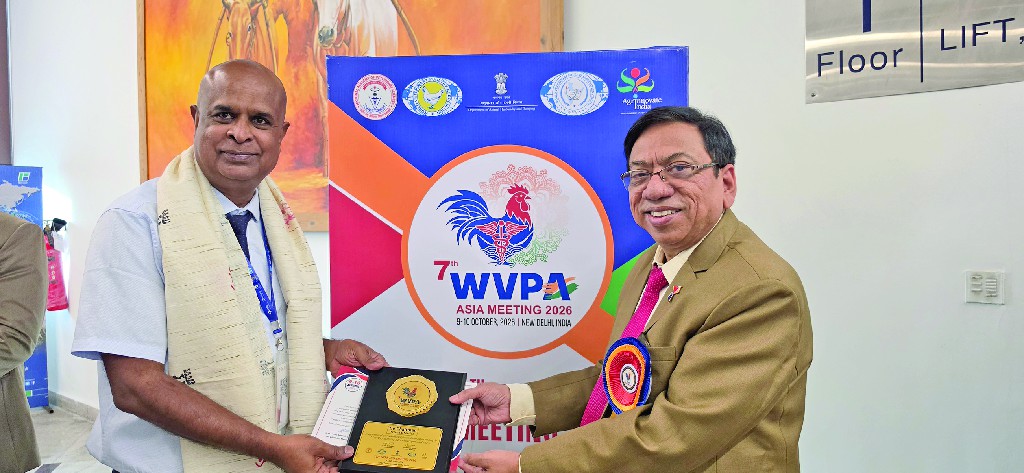
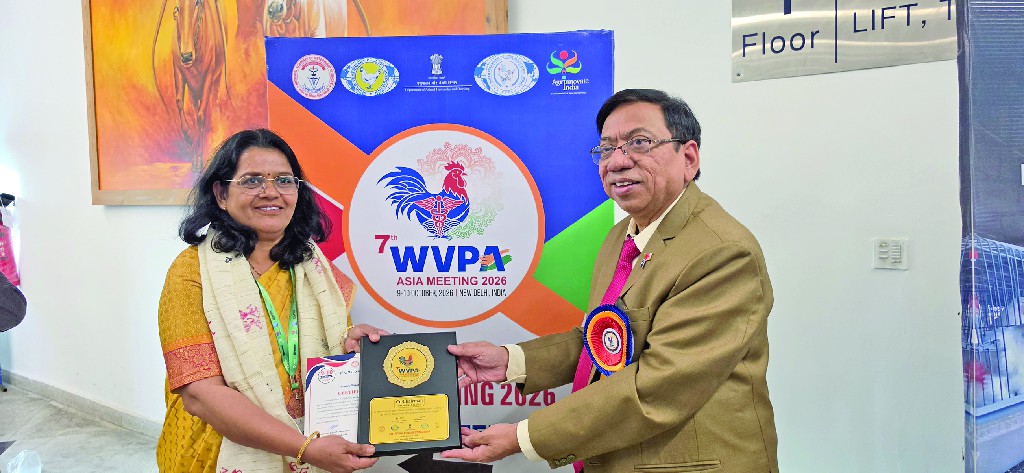
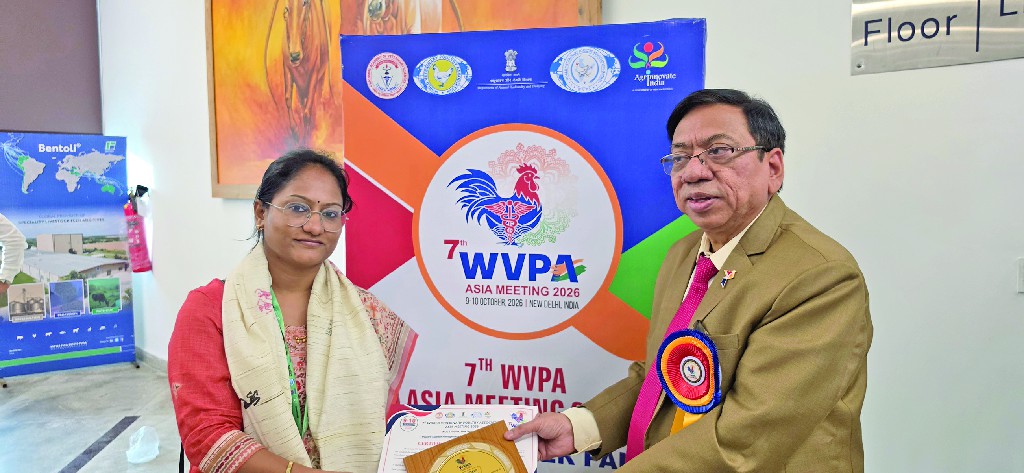
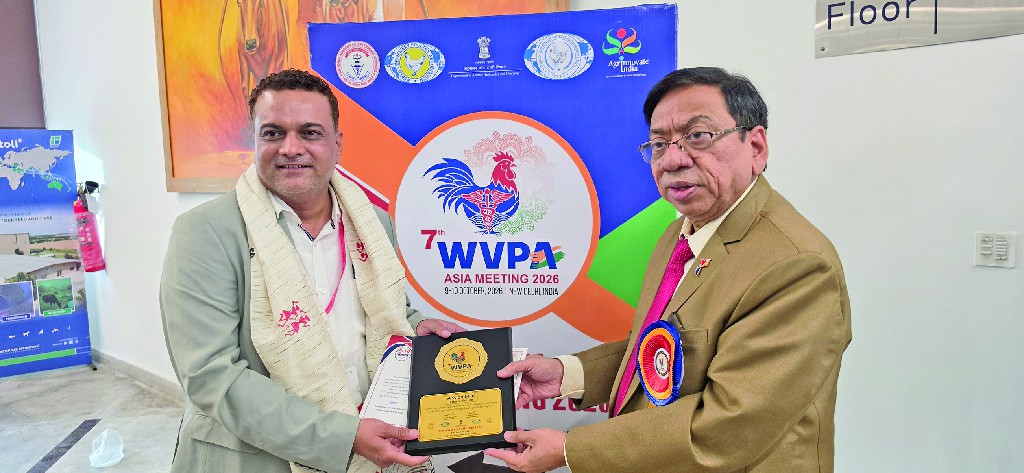
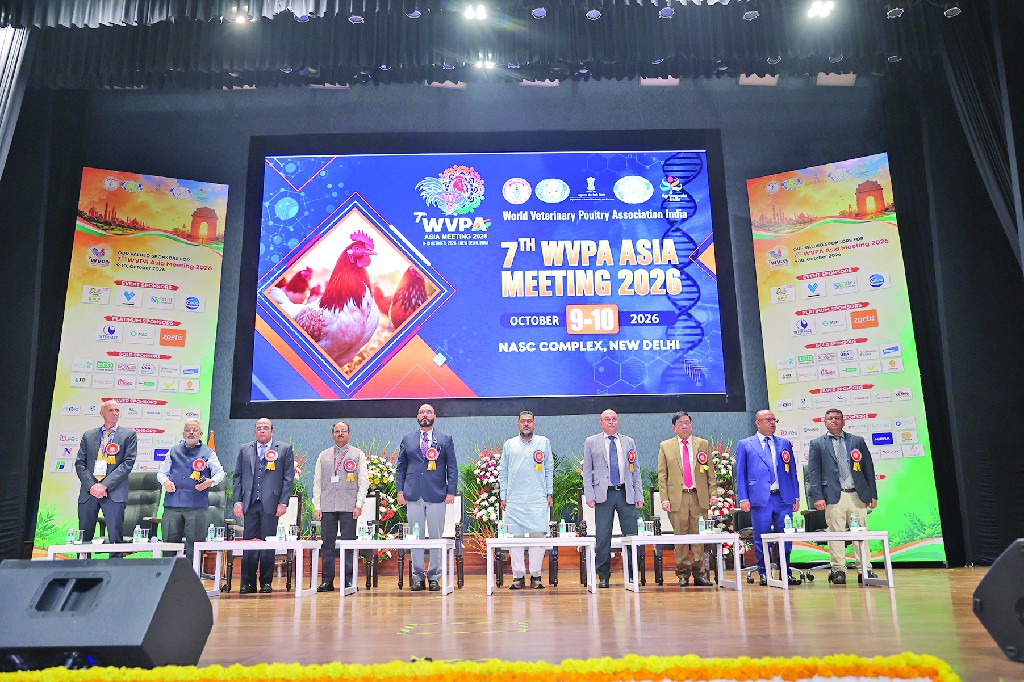
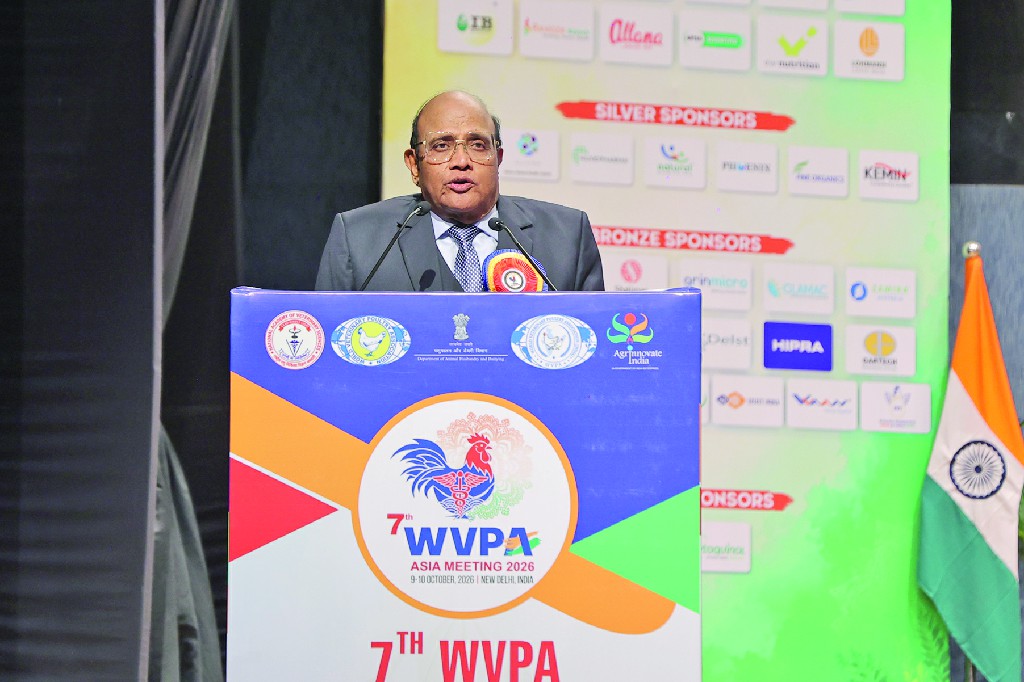
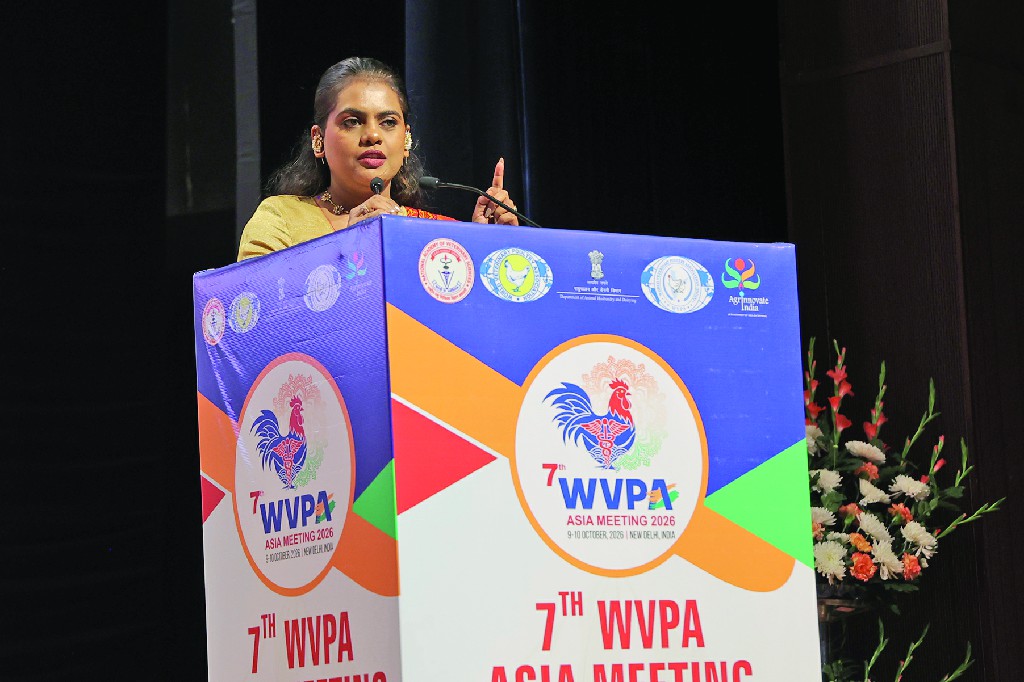
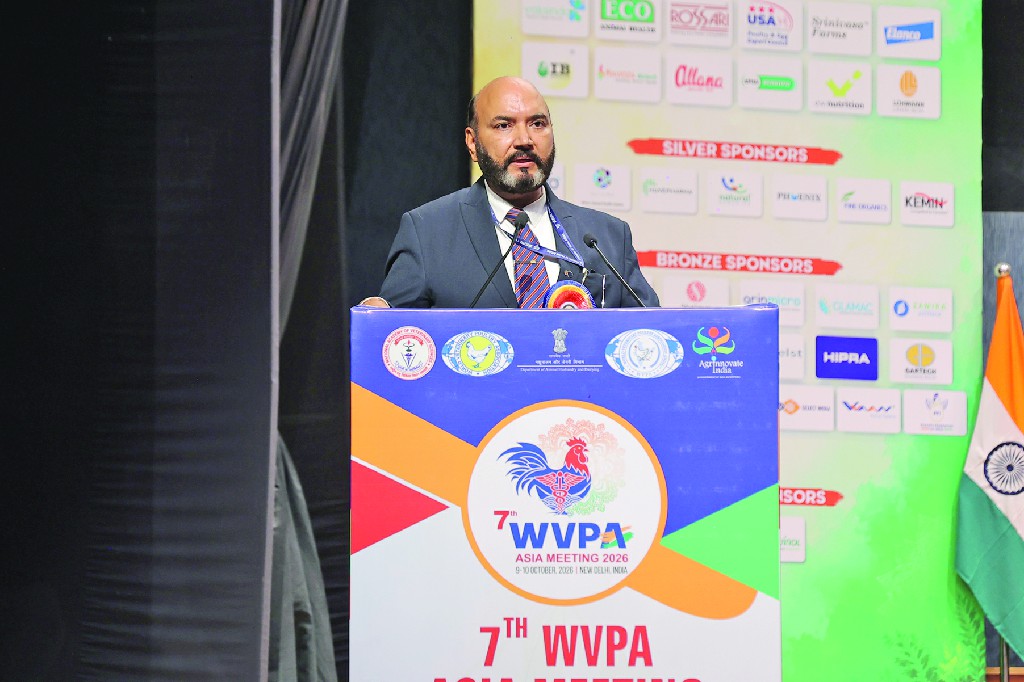
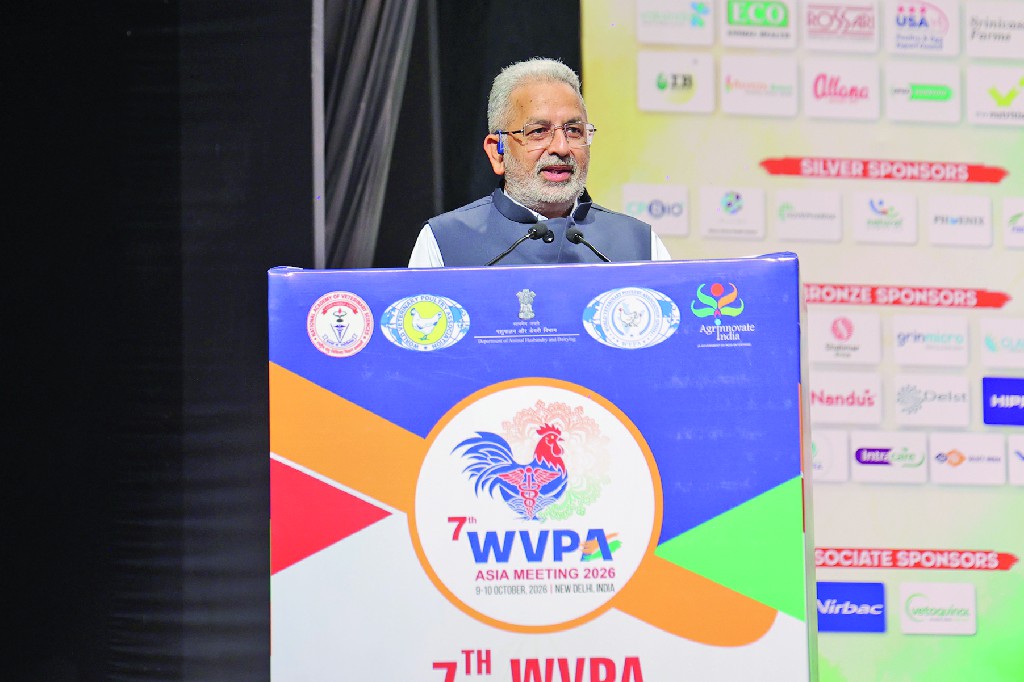
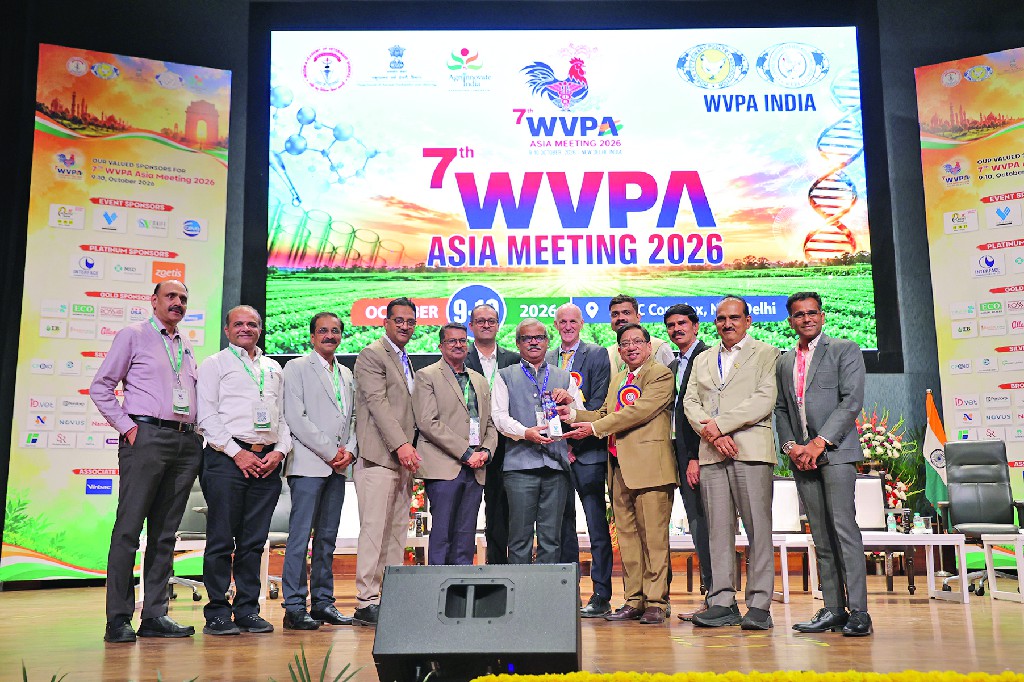
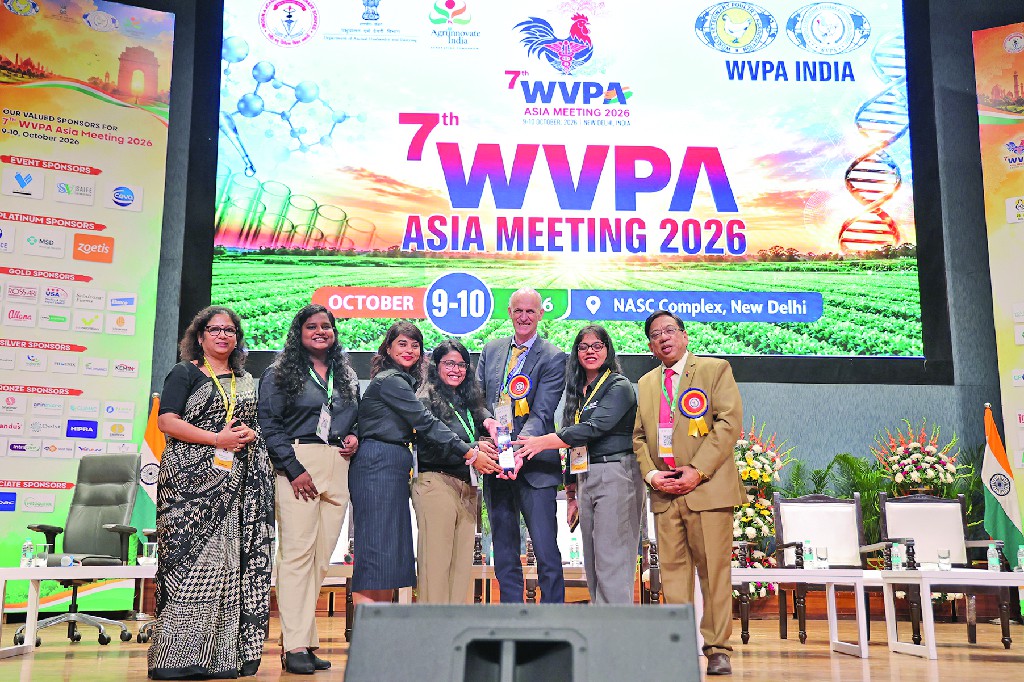
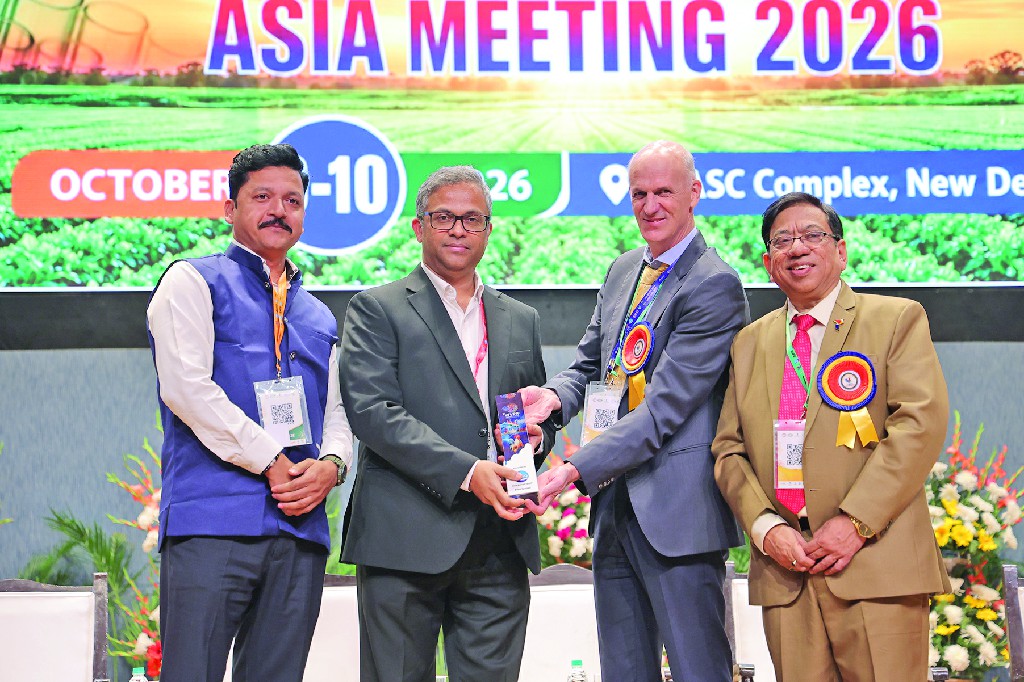
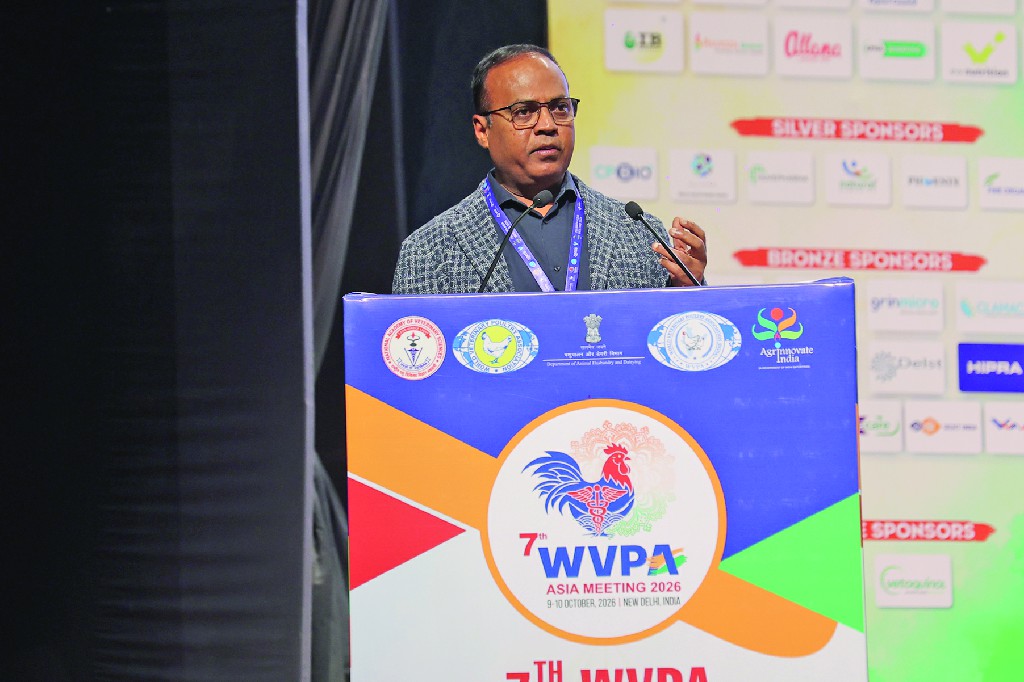
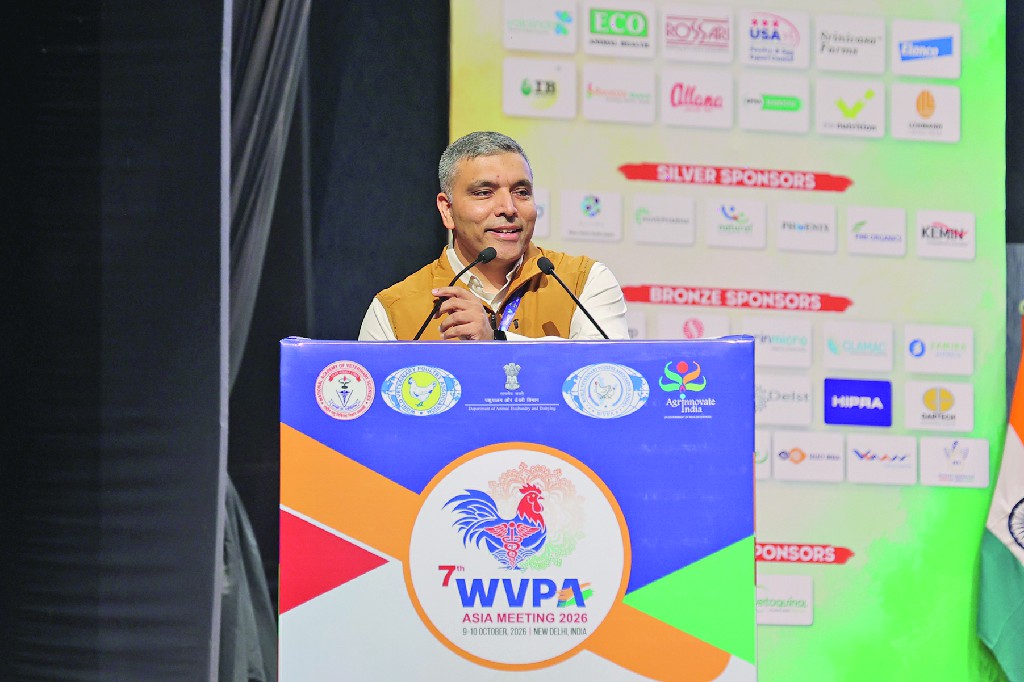
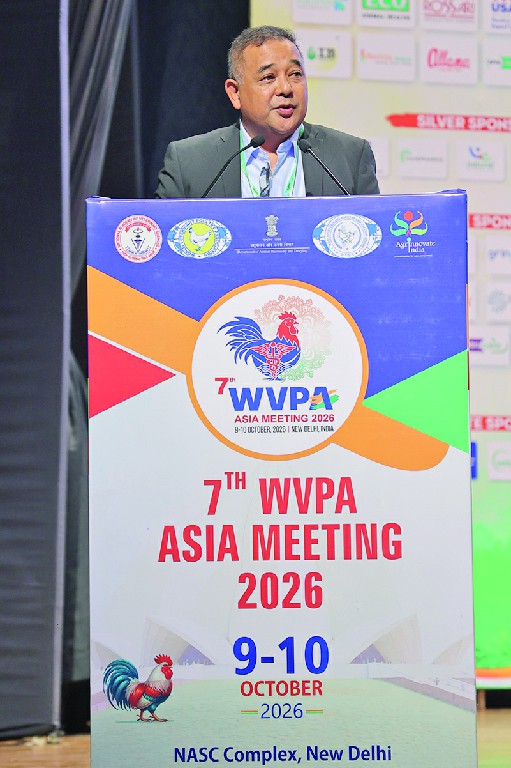
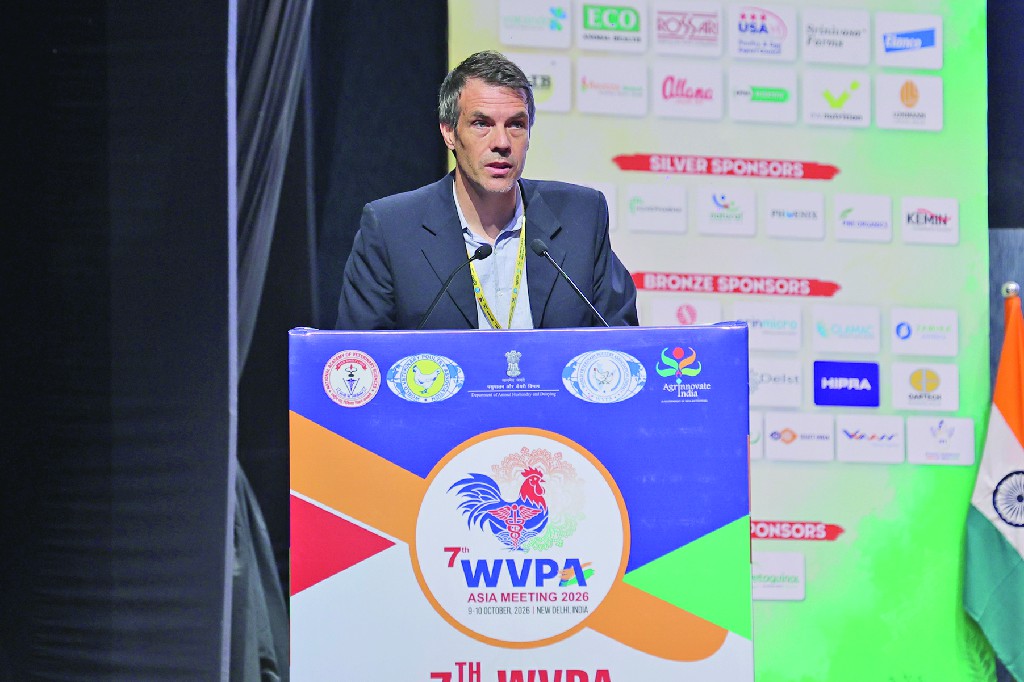
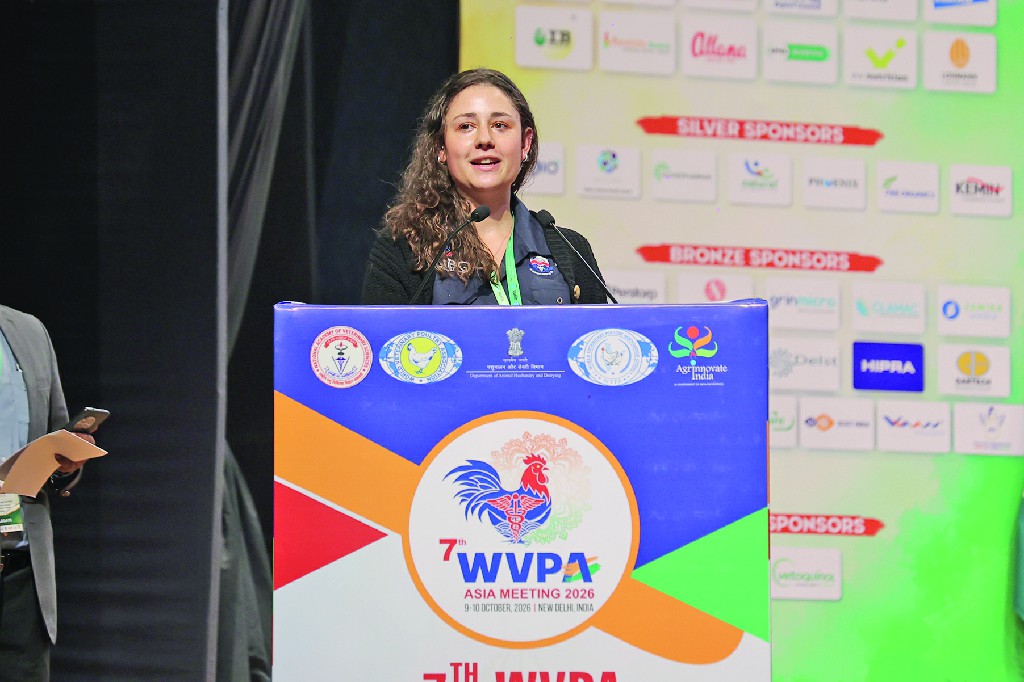
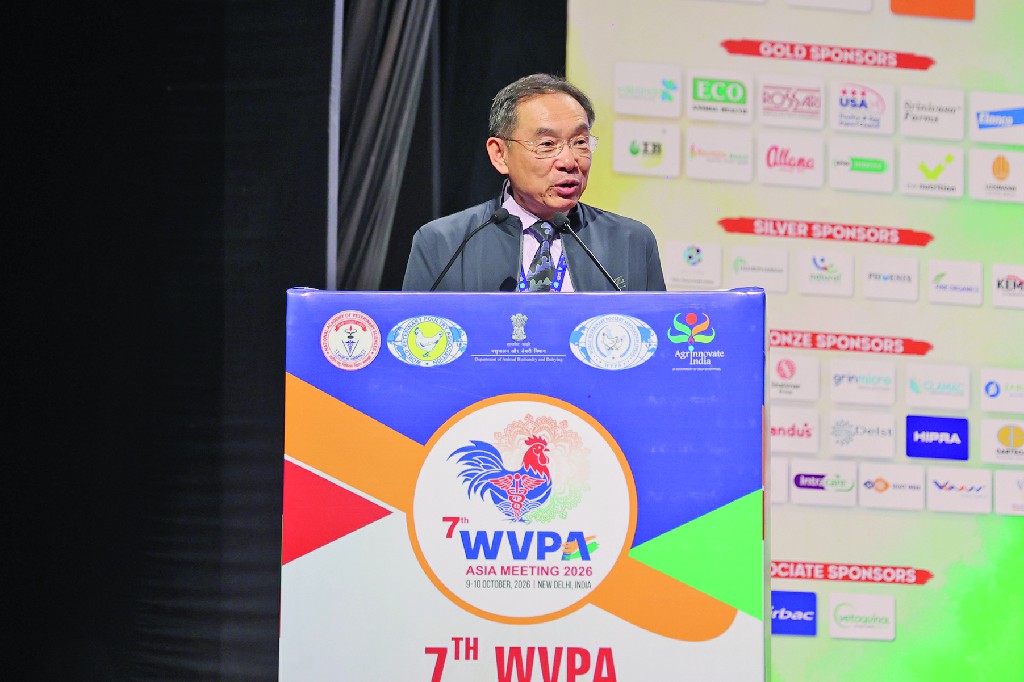
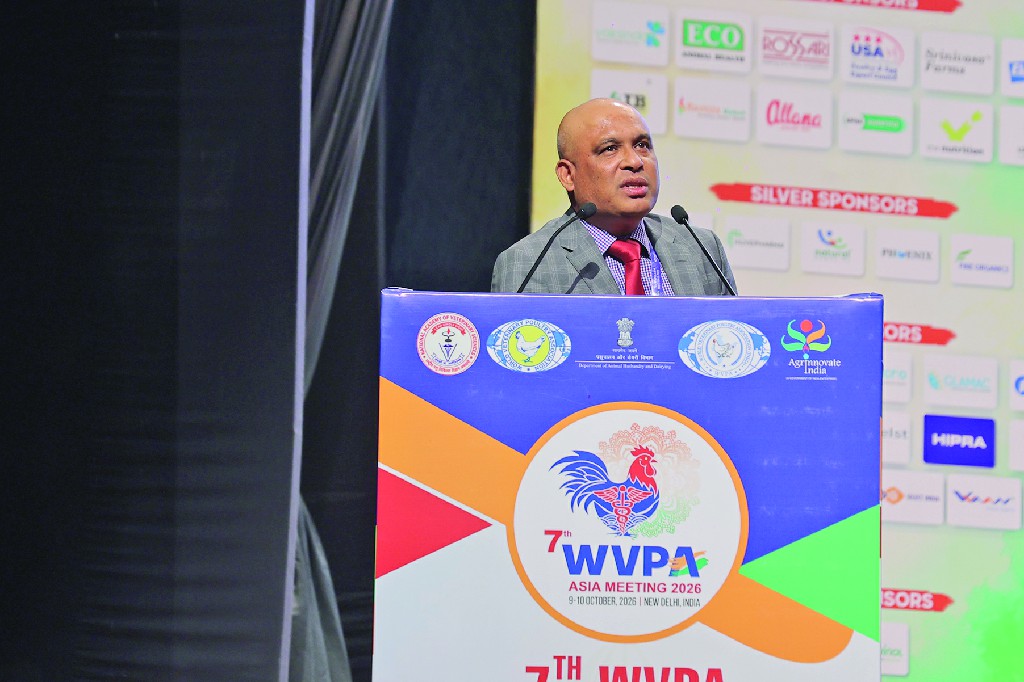
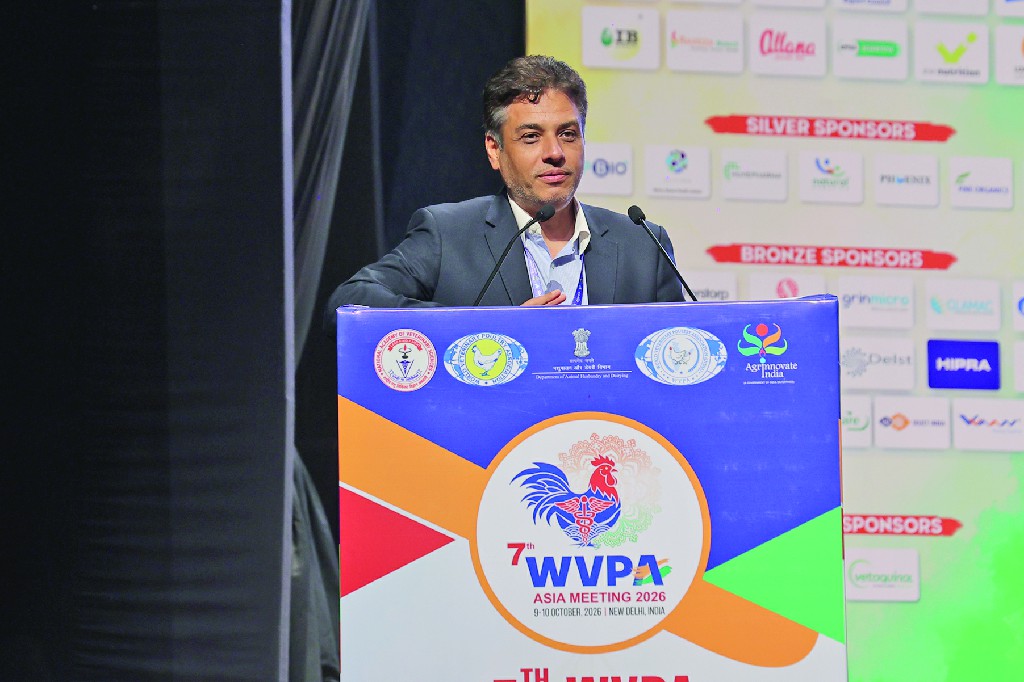
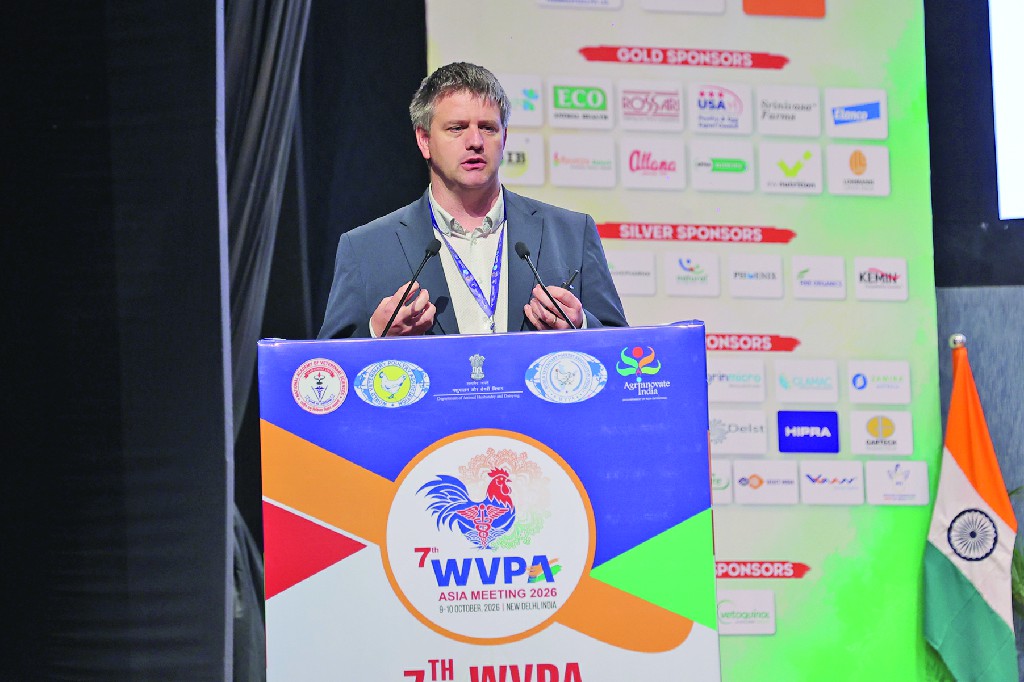
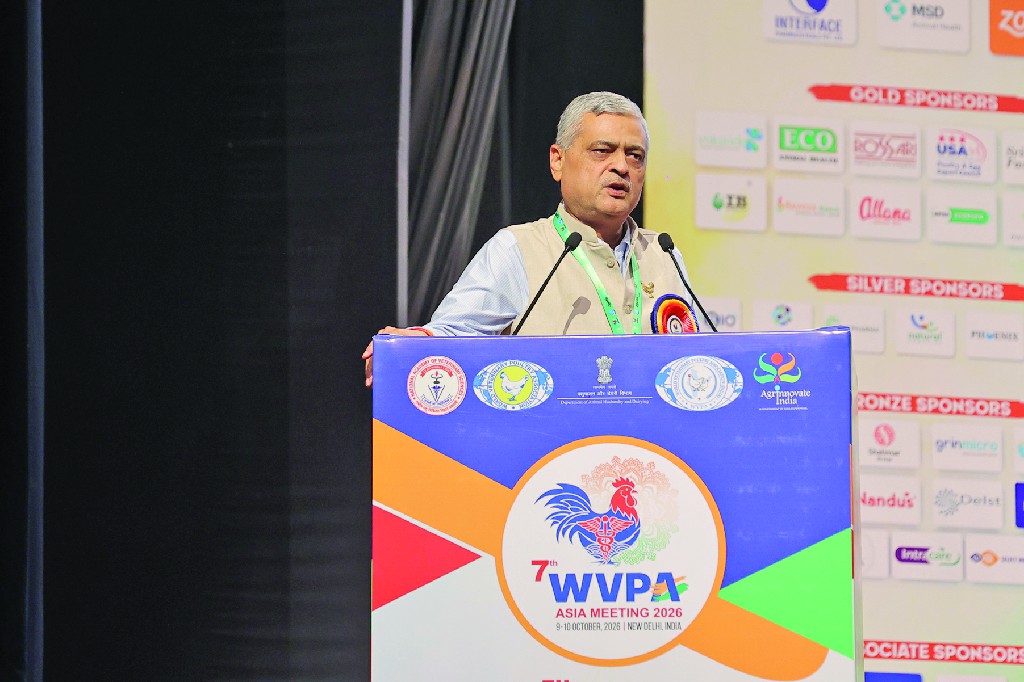
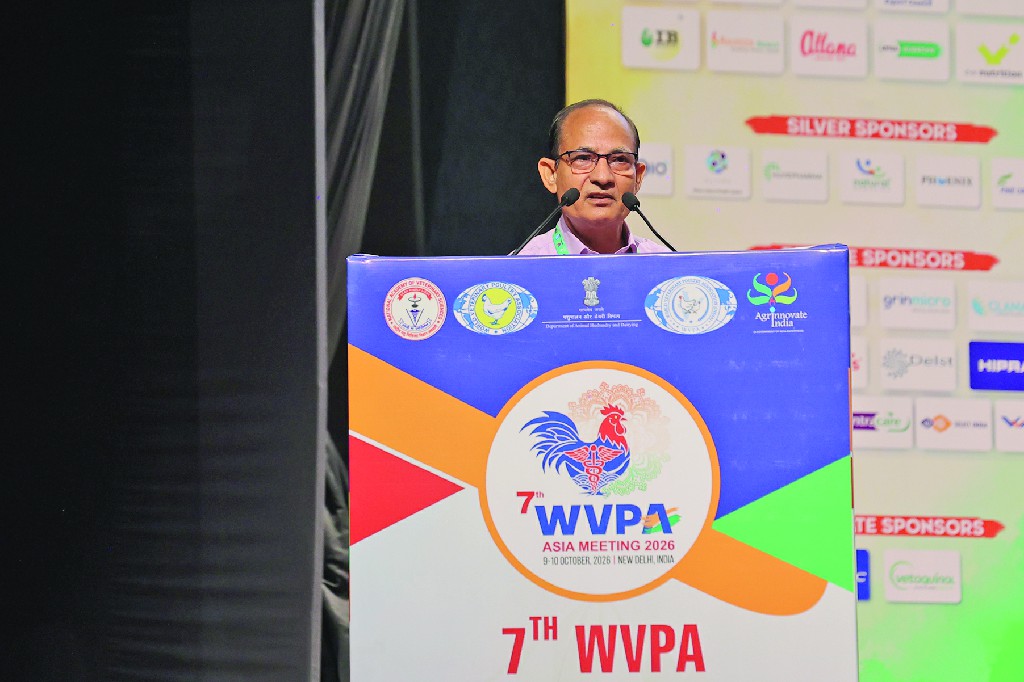
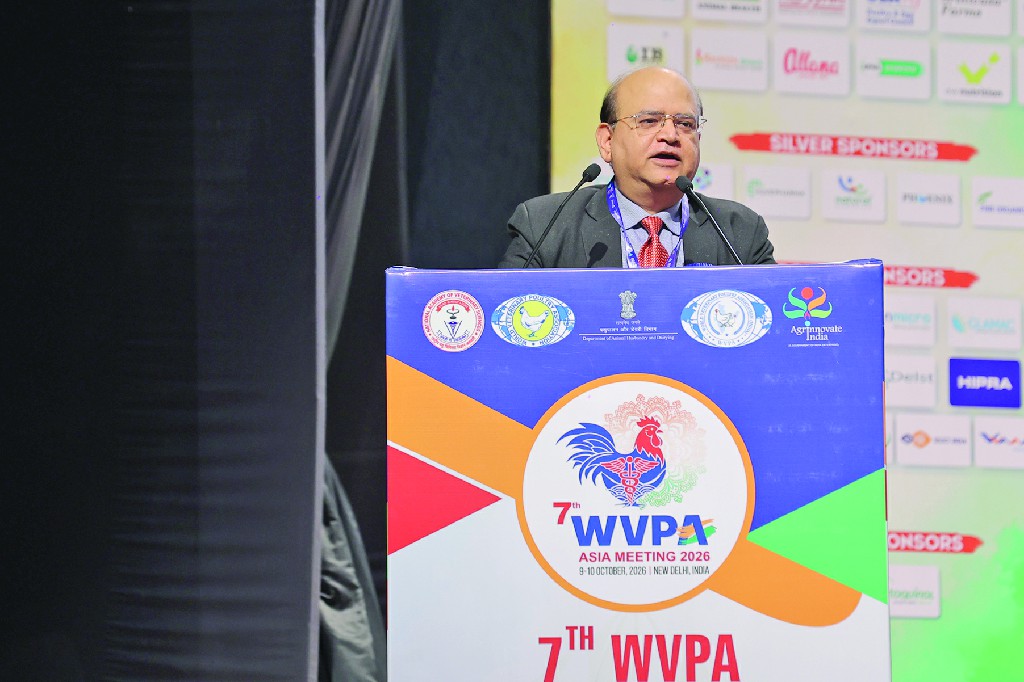
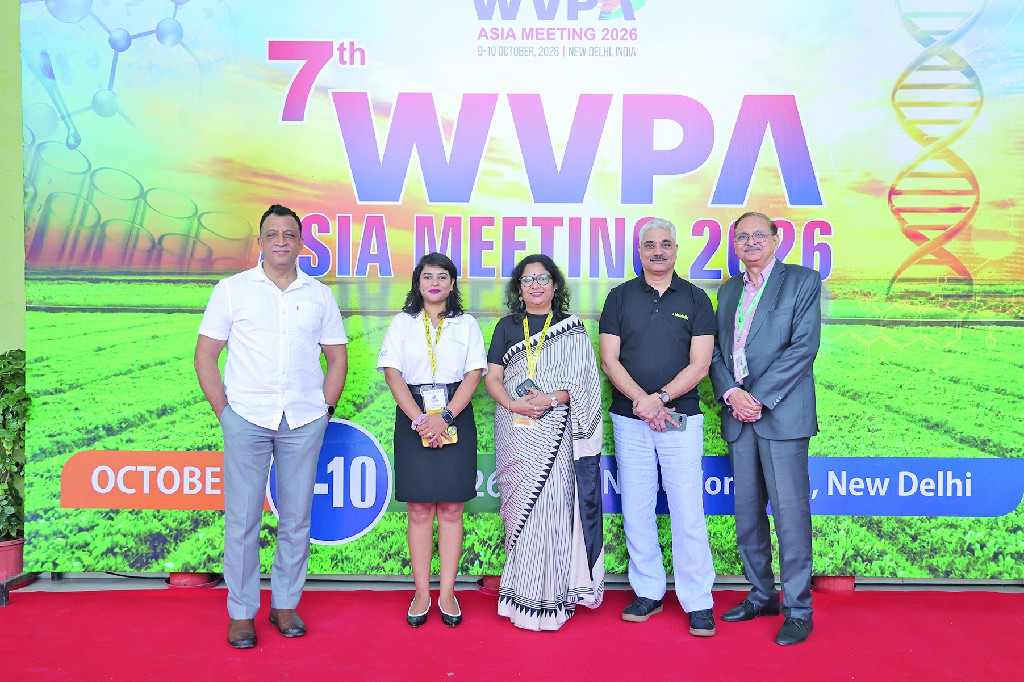
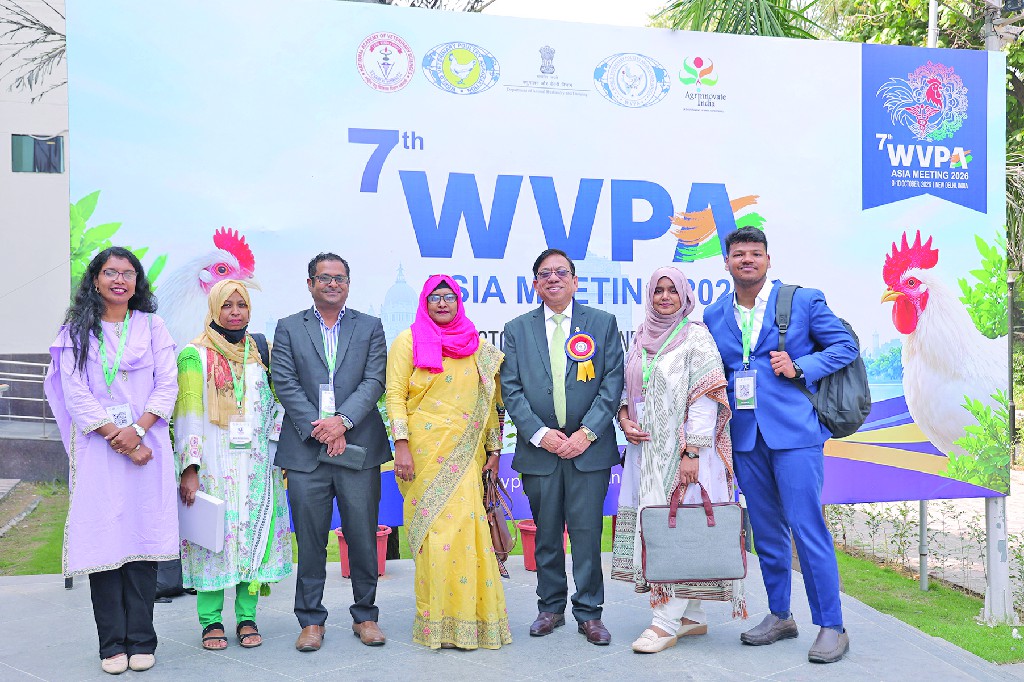
The 7th WVPA Asia Meeting 2026 brought together 576 participants from India and abroad at the National Agricultural Science Complex (NASC), New Delhi, on 9–10 October 2026. Organised under the theme “Poultry Disease Management for a Safer and Healthier World,” the meeting provided an international platform for poultry scientists, veterinarians, industry leaders, policymakers, researchers and young professionals to exchange scientific knowledge and discuss practical approaches to strengthening poultry health, productivity, welfare and food safety.
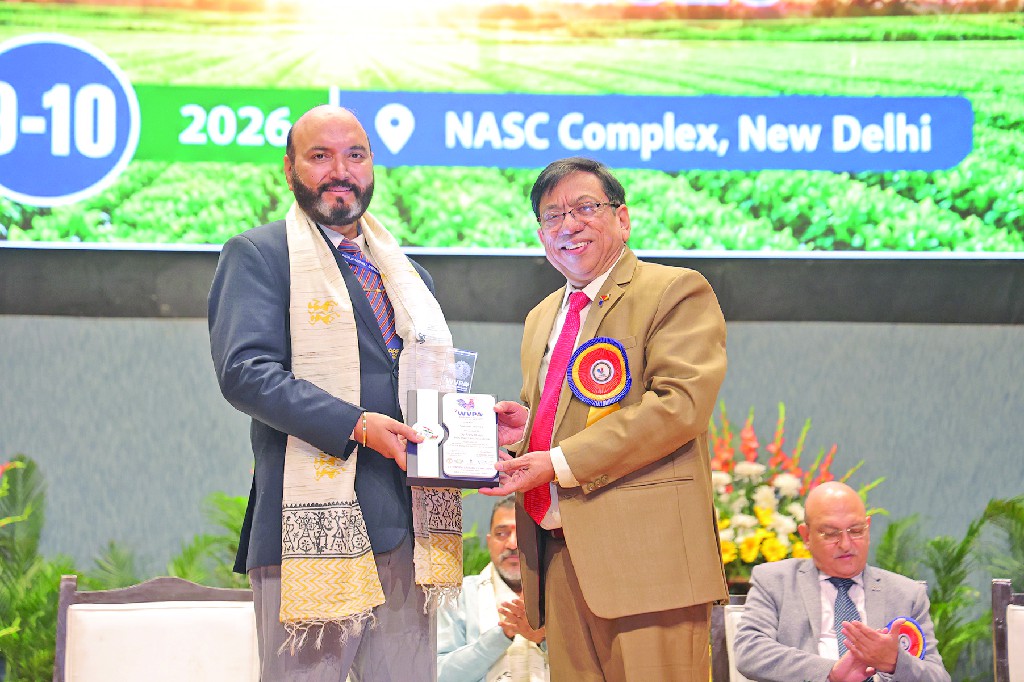
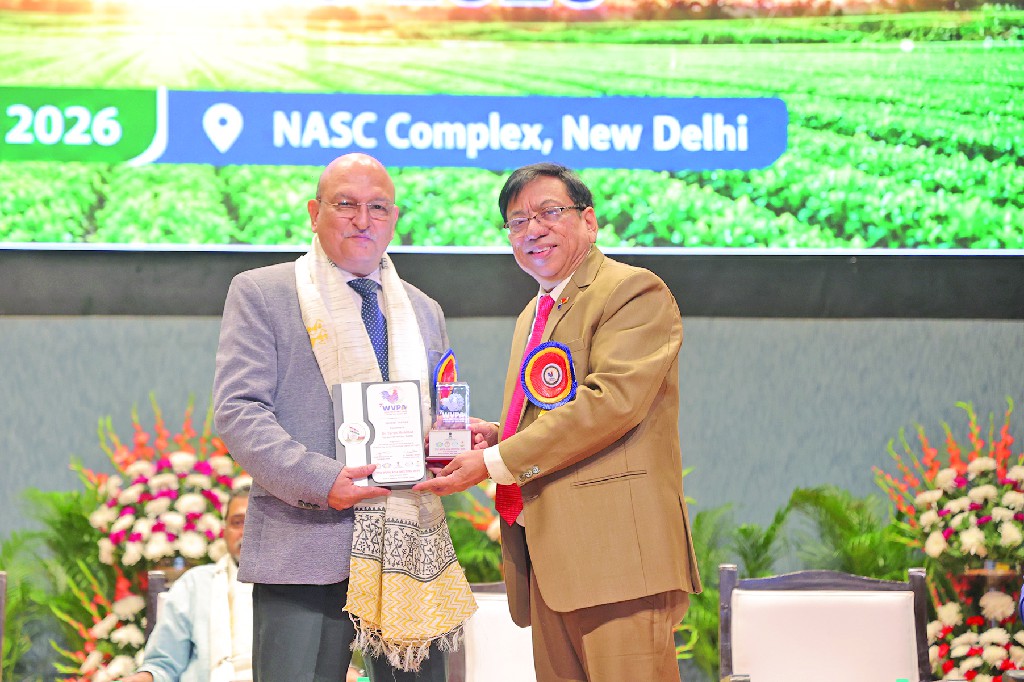
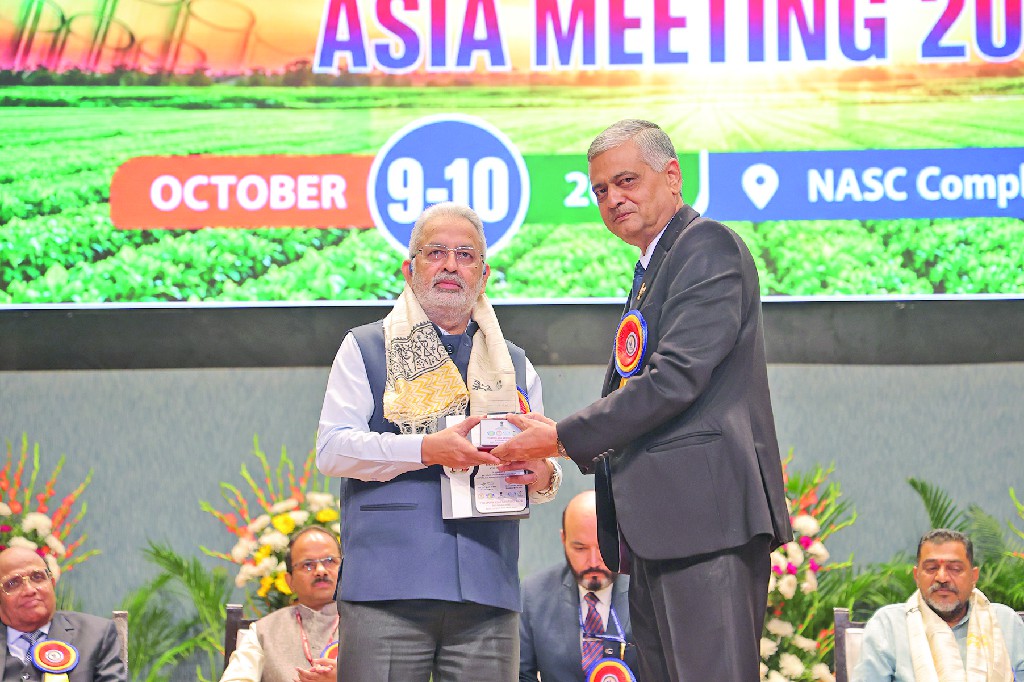
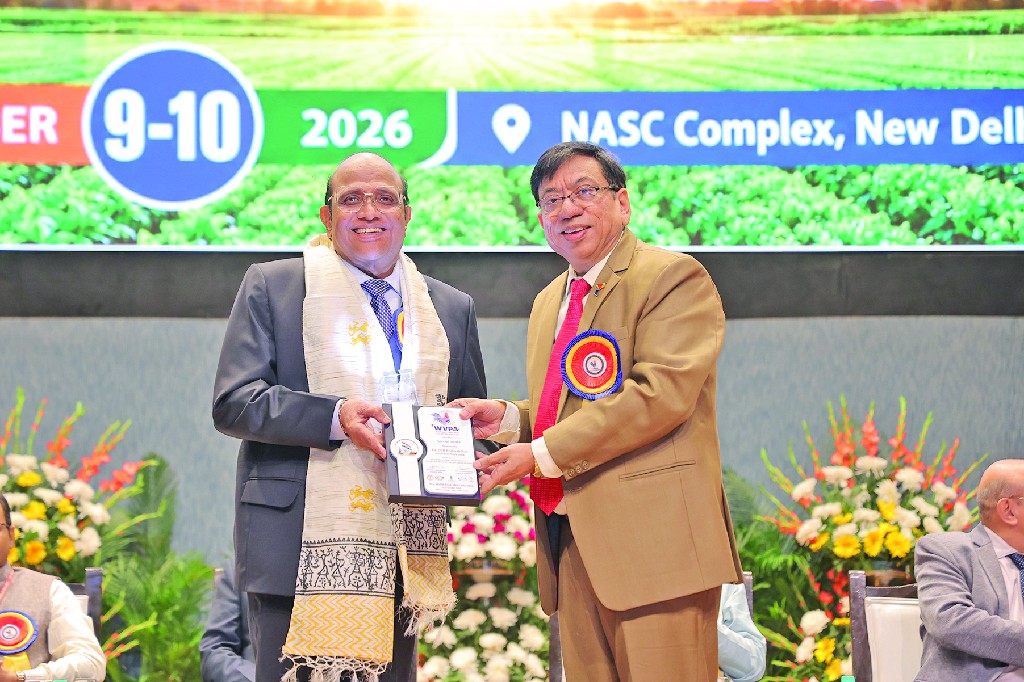
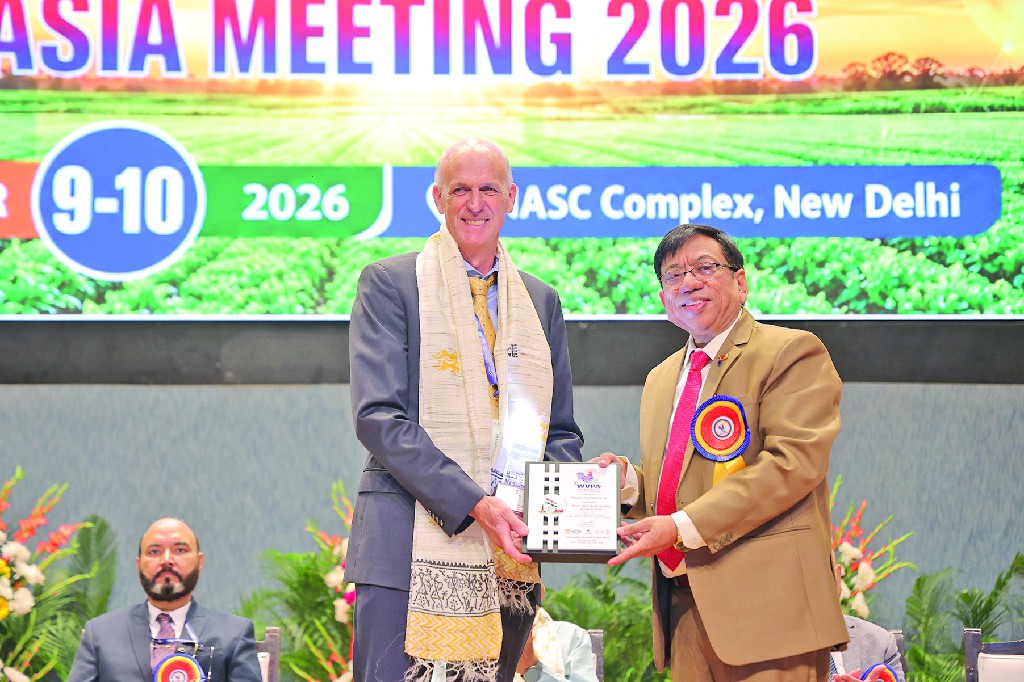
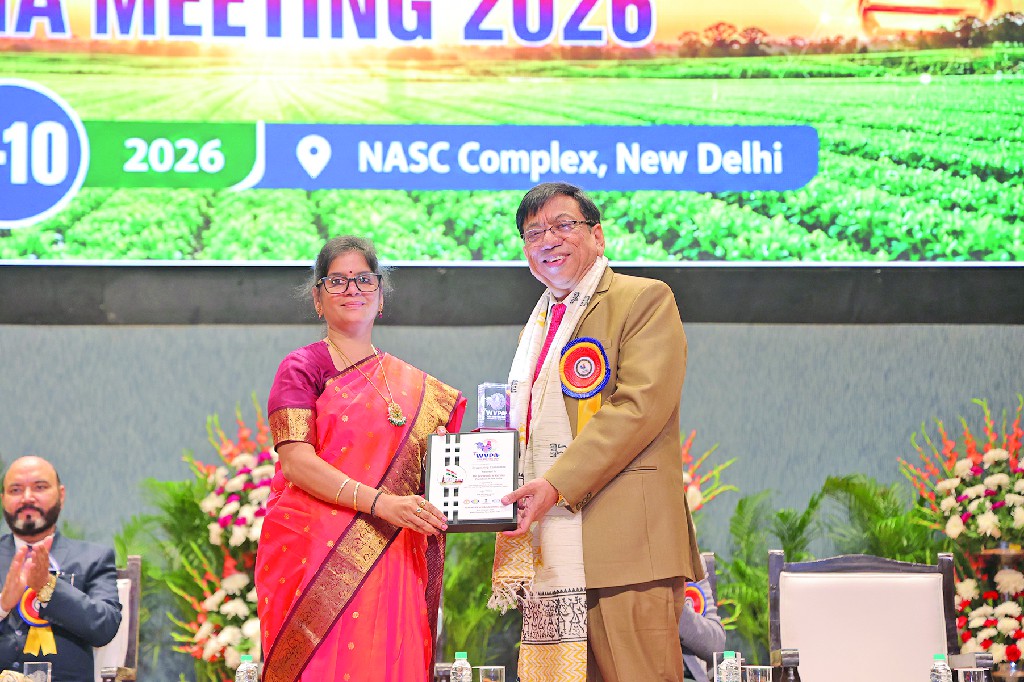
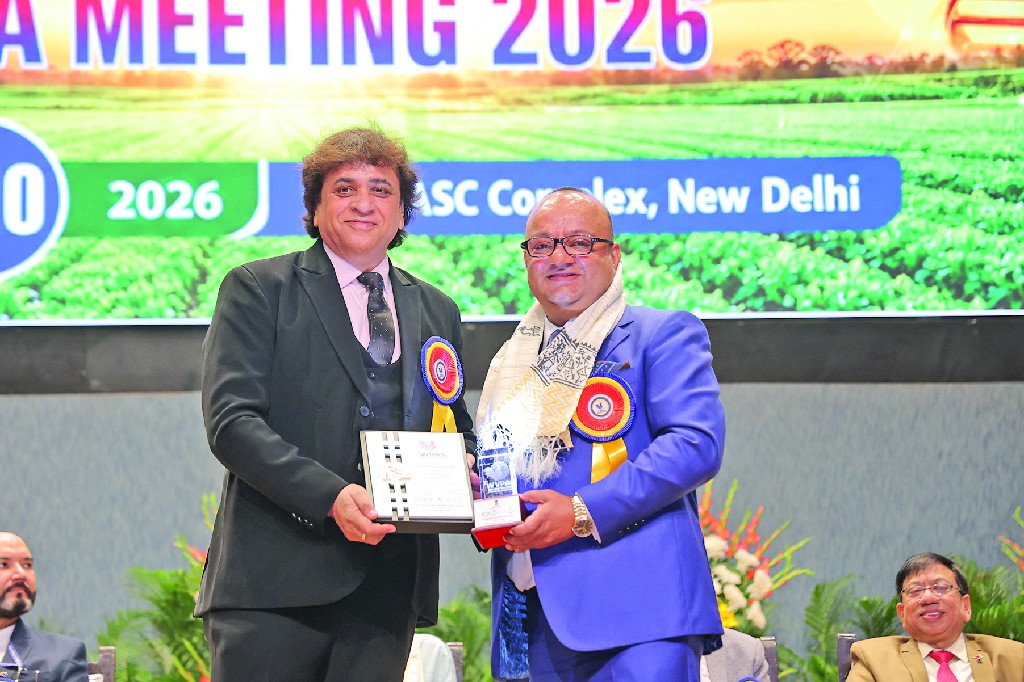
The two-day scientific programme covered a broad range of topics, including poultry health management, emerging health challenges, vaccination and biologicals, diagnostics, antimicrobial resistance (AMR), nutrition, gut health, biosecurity, safe meat and egg production, poultry breeding and genetics, and the application of research to field-level challenges. The meeting also included a dedicated HPAI Vaccine Conference and a pre-conference MSD Scientific Symposium on 8 October, followed by keynote lectures, parallel technical sessions, oral and poster presentations, industry interactions and a student and young scientist programme.
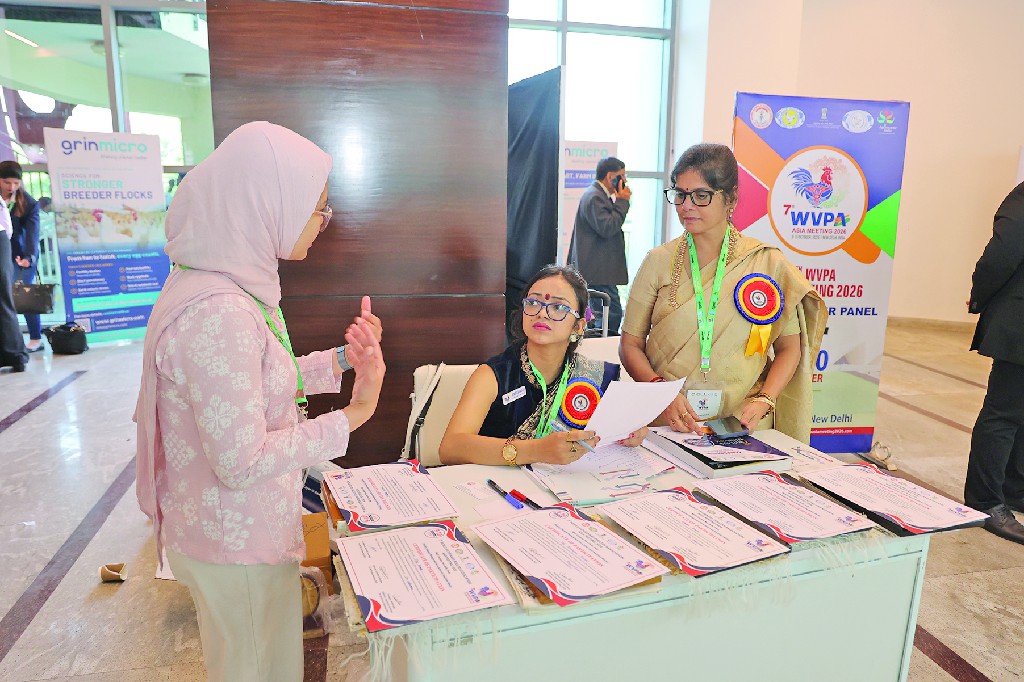
A notable feature of the meeting was its commitment to inclusive scientific participation. A total of 83 travel grants were supported: 44 for participants from India through WVPA India and 39 international grants through WVPA Global.This support helped facilitate broader participation and scientific exchange, particularly among researchers and professionals seeking opportunities to engage with the international poultry health community.
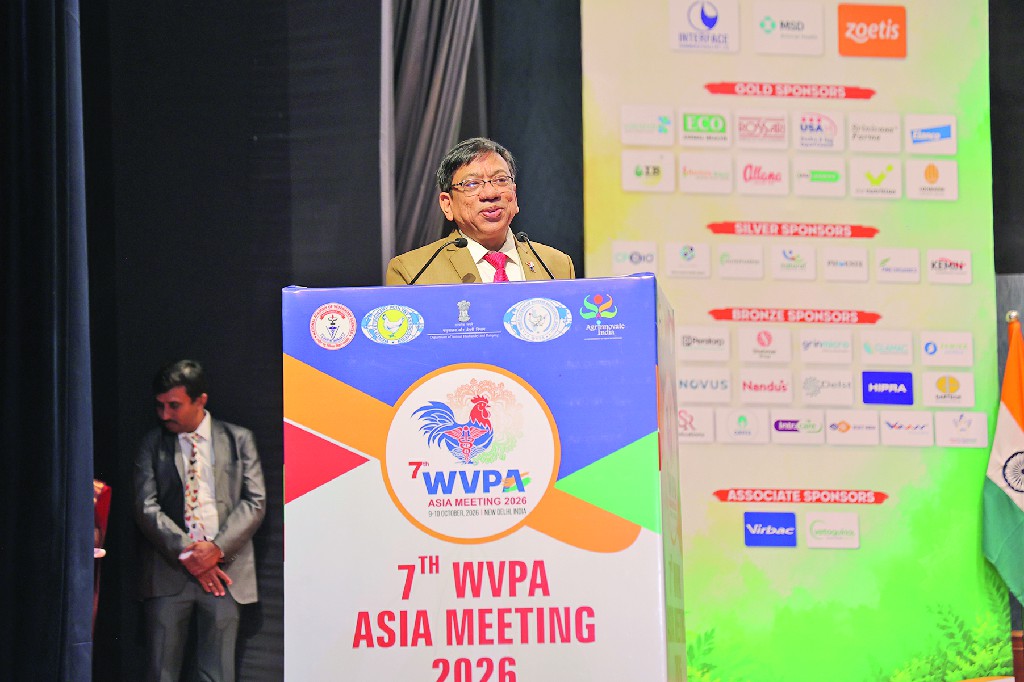
International participation and scientific leadership
The meeting brought together experts from India and several other countries, representing universities, research institutions, international organisations and the poultry industry. Rather than listing speakers collectively, their contributions are highlighted under the relevant scientific sessions below.
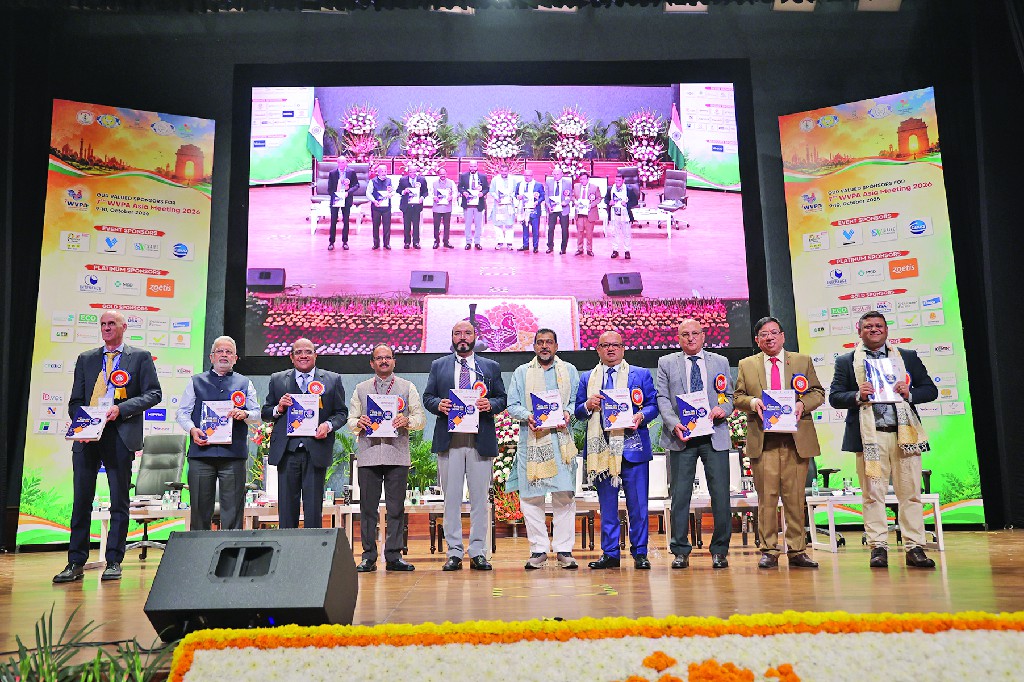
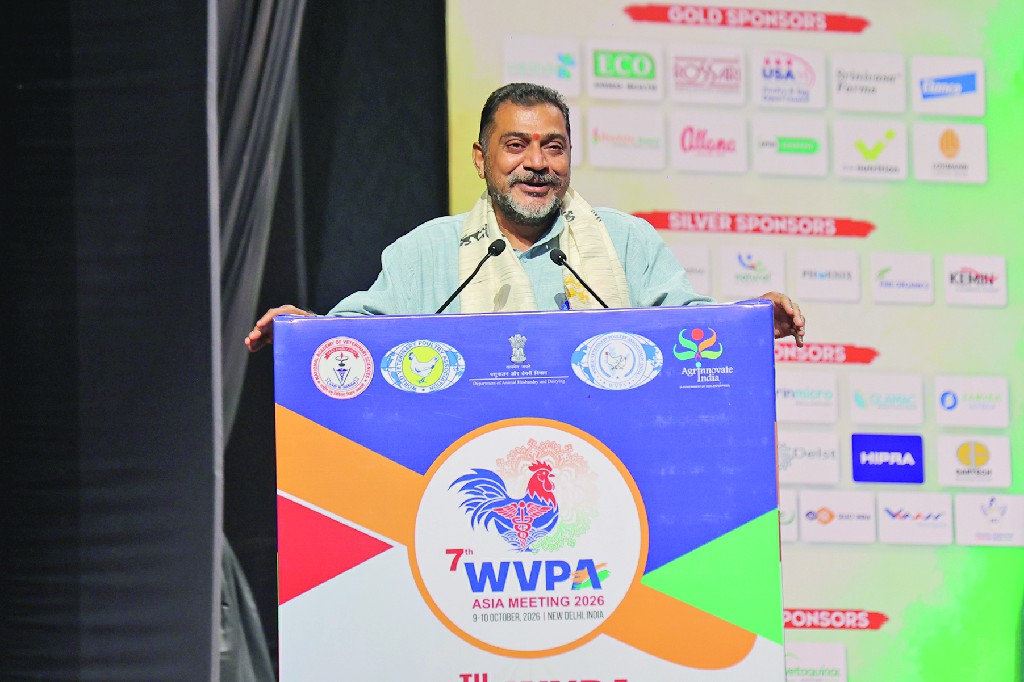
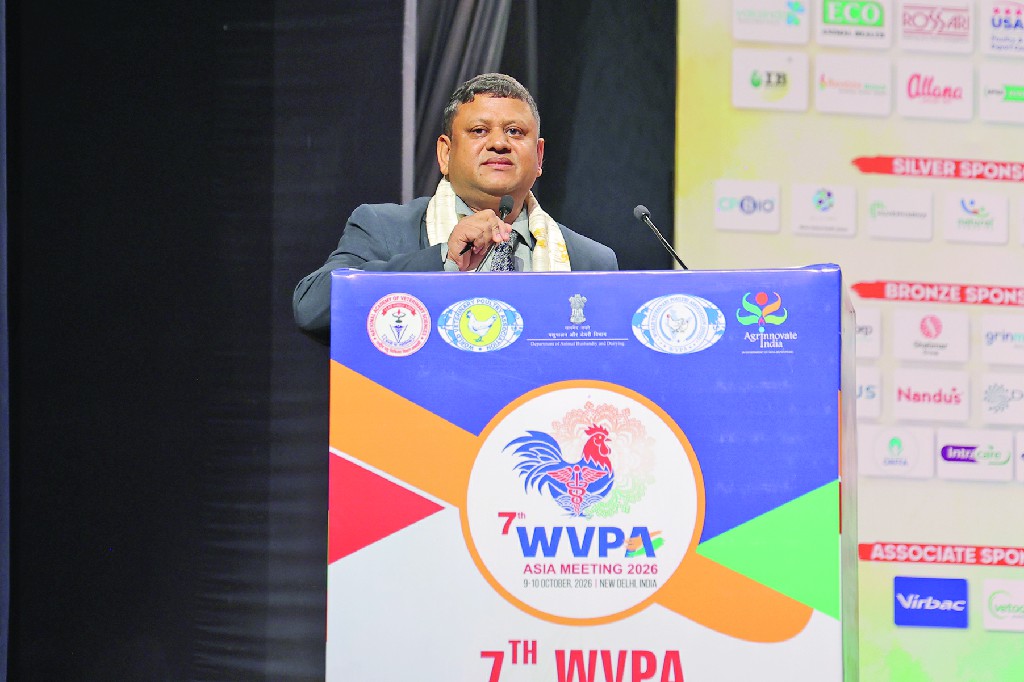
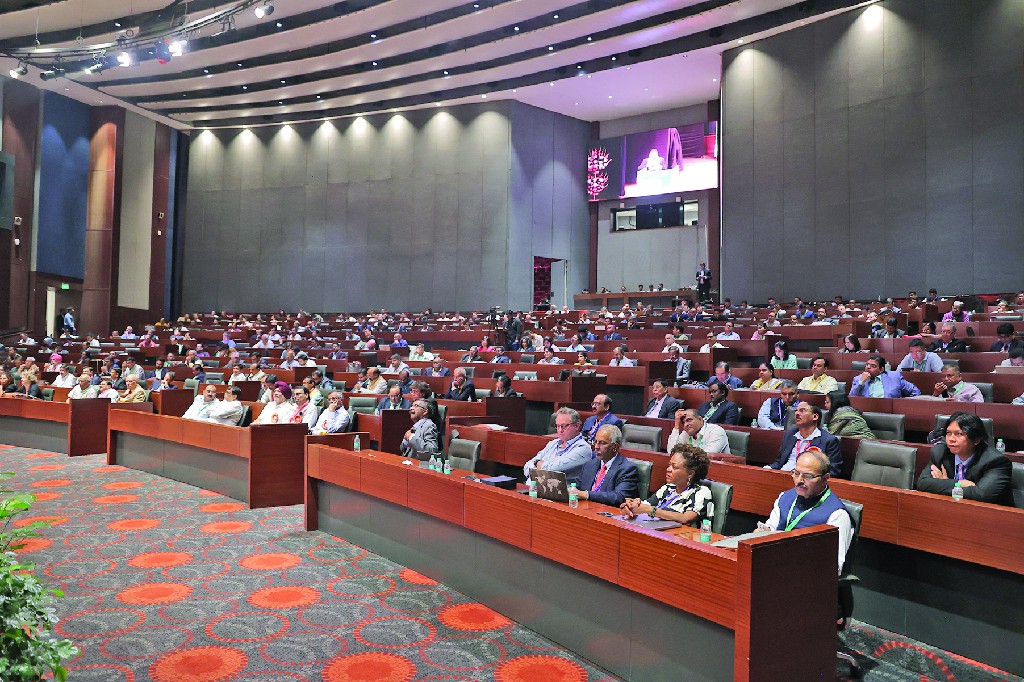
Inauguration highlights the importance of collaboration
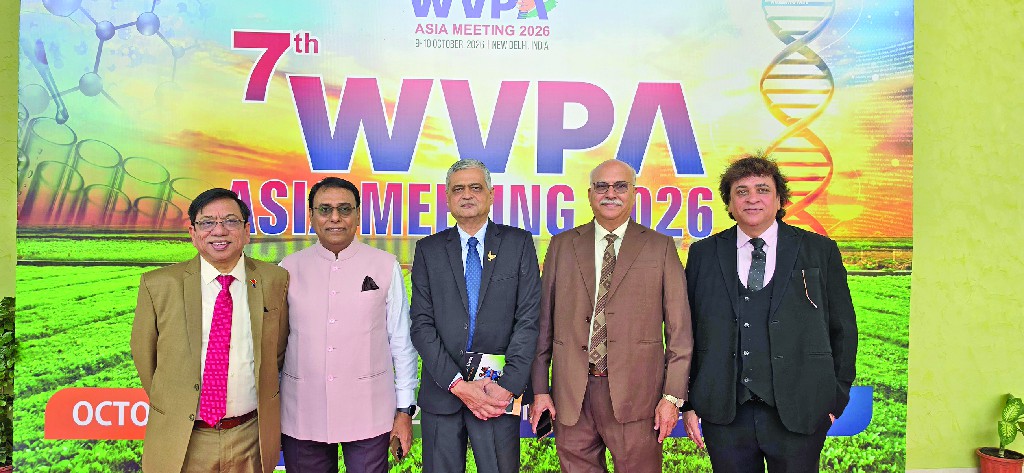
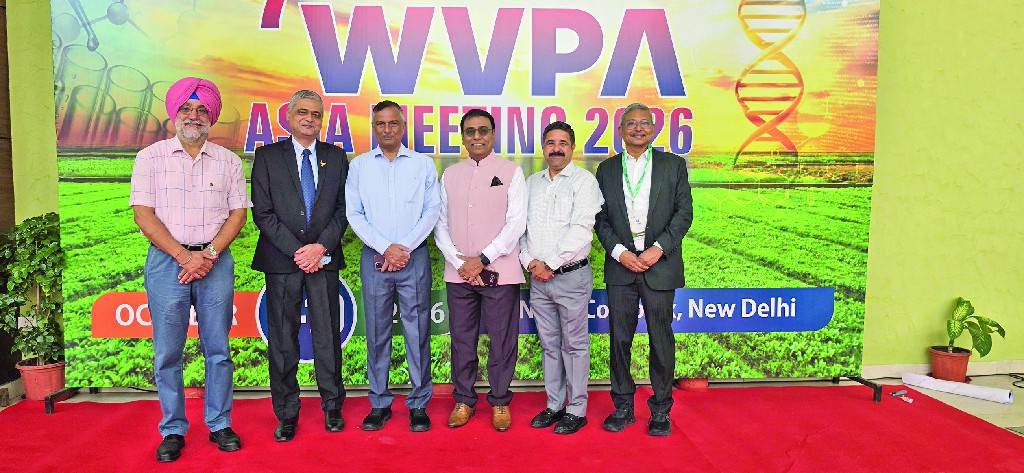
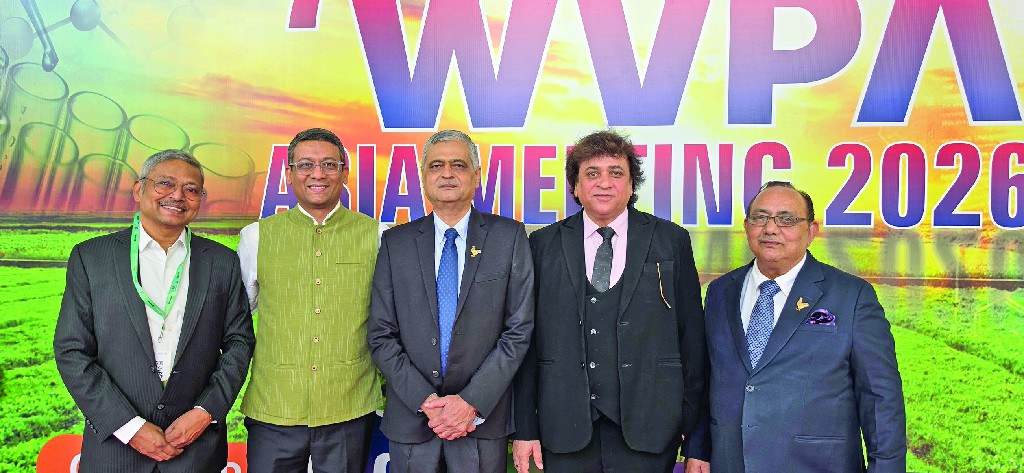
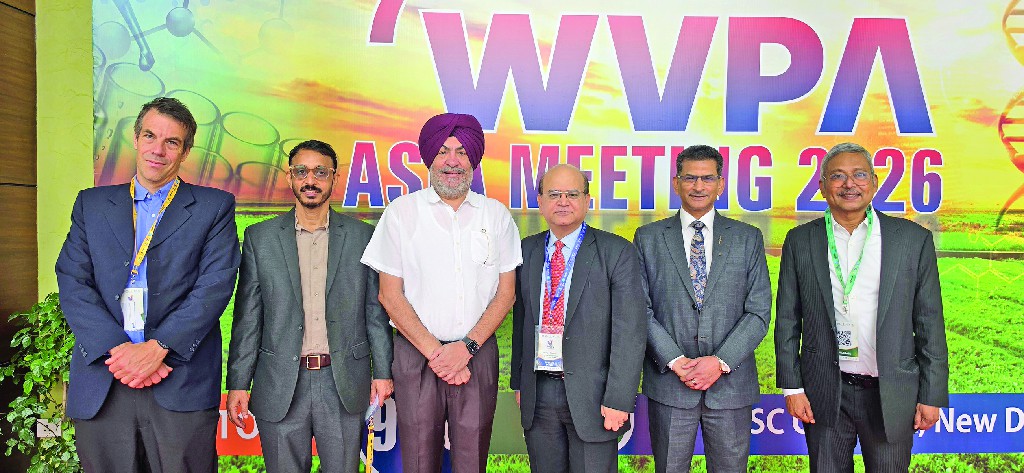
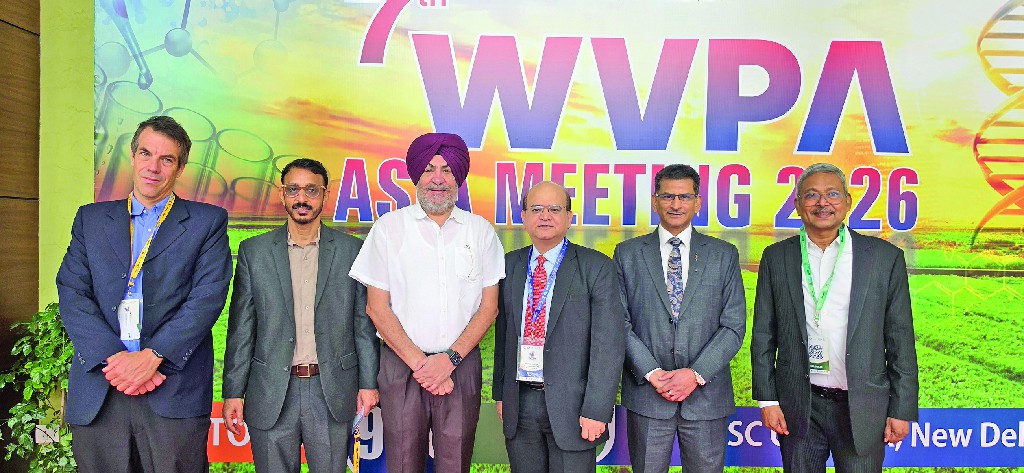
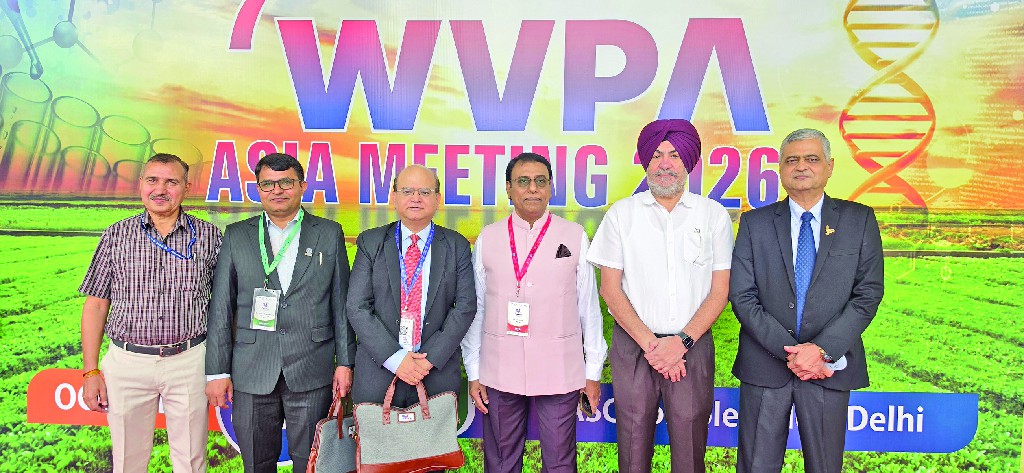
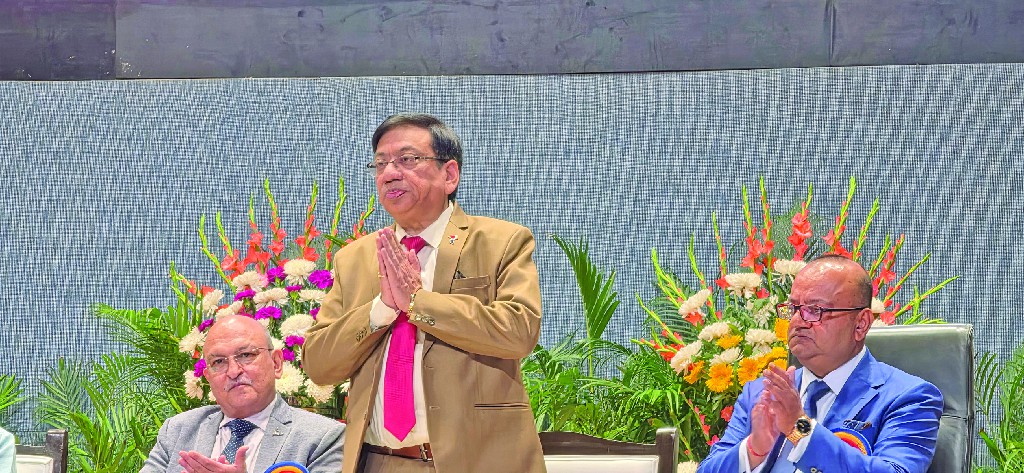
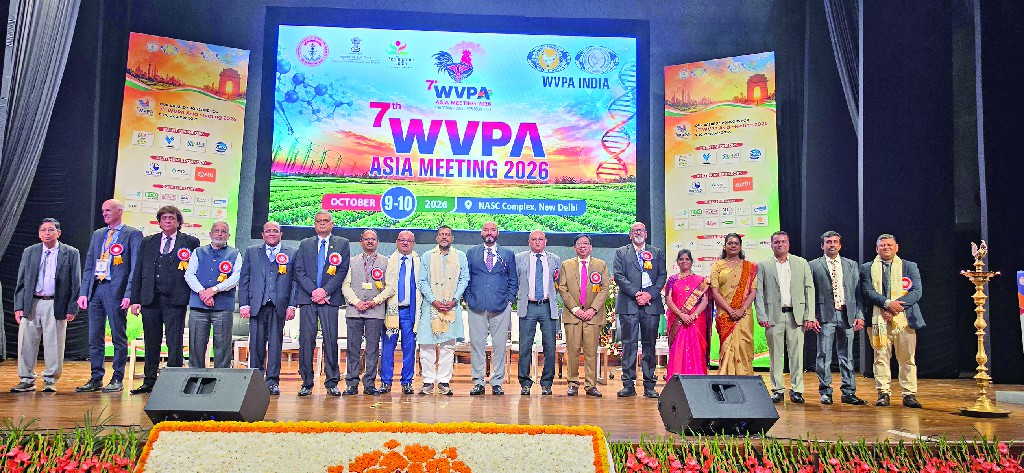
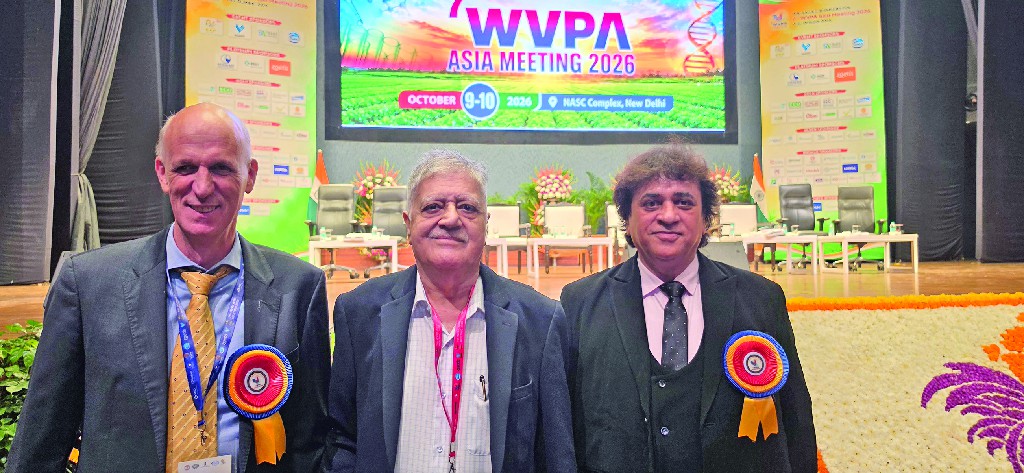
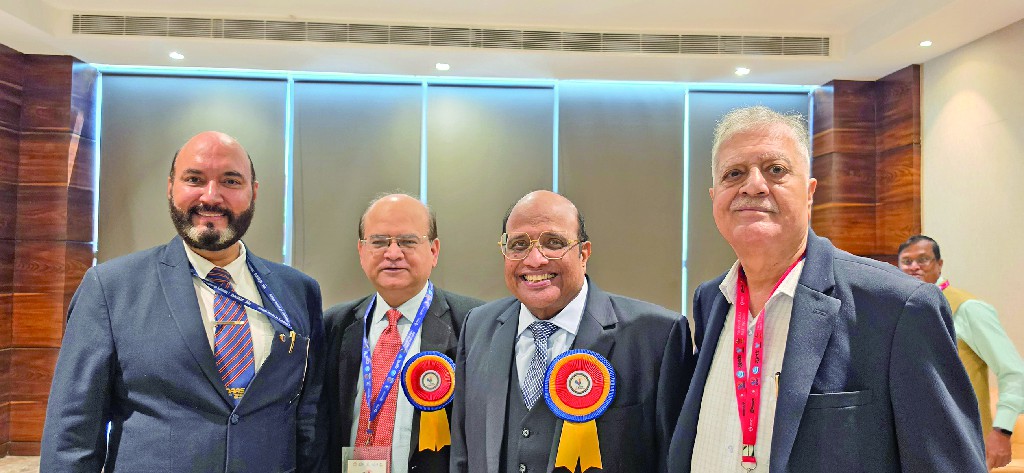
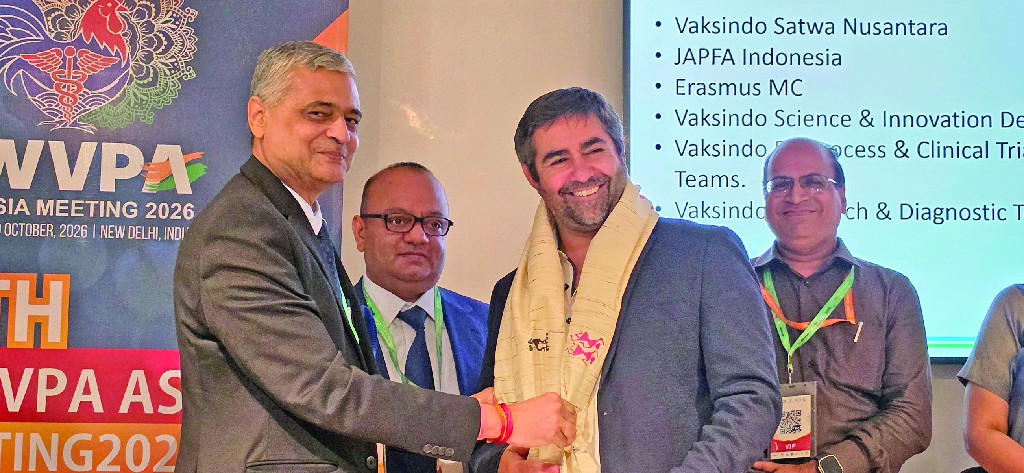
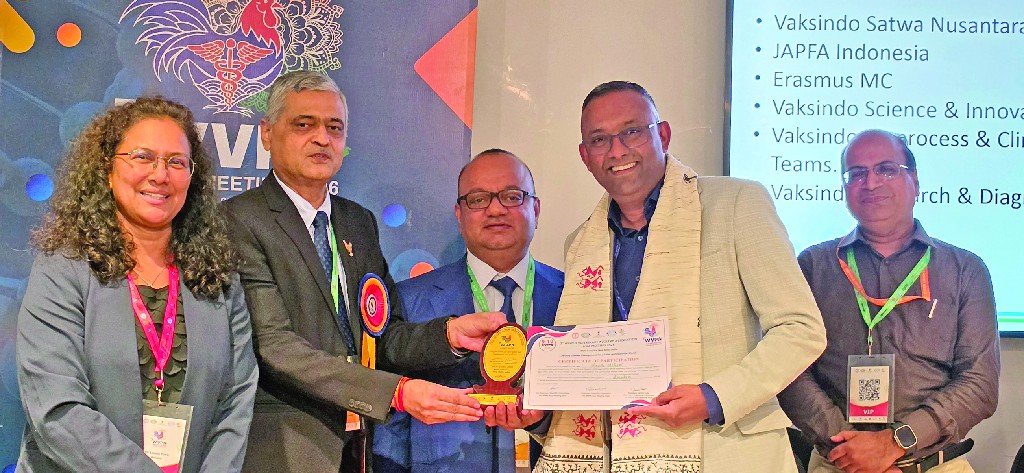
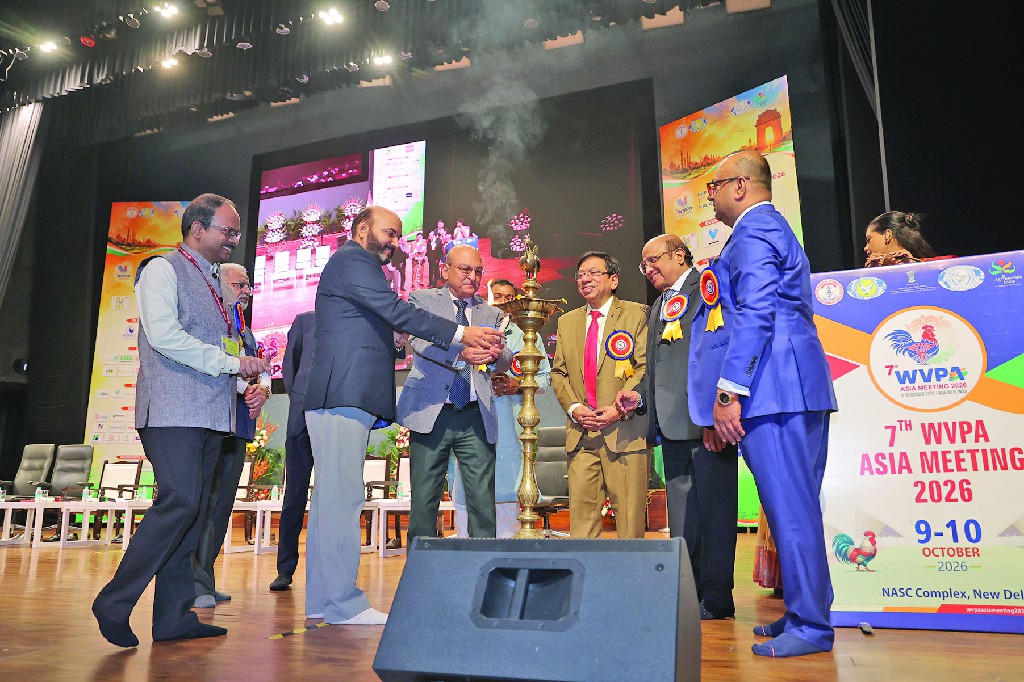
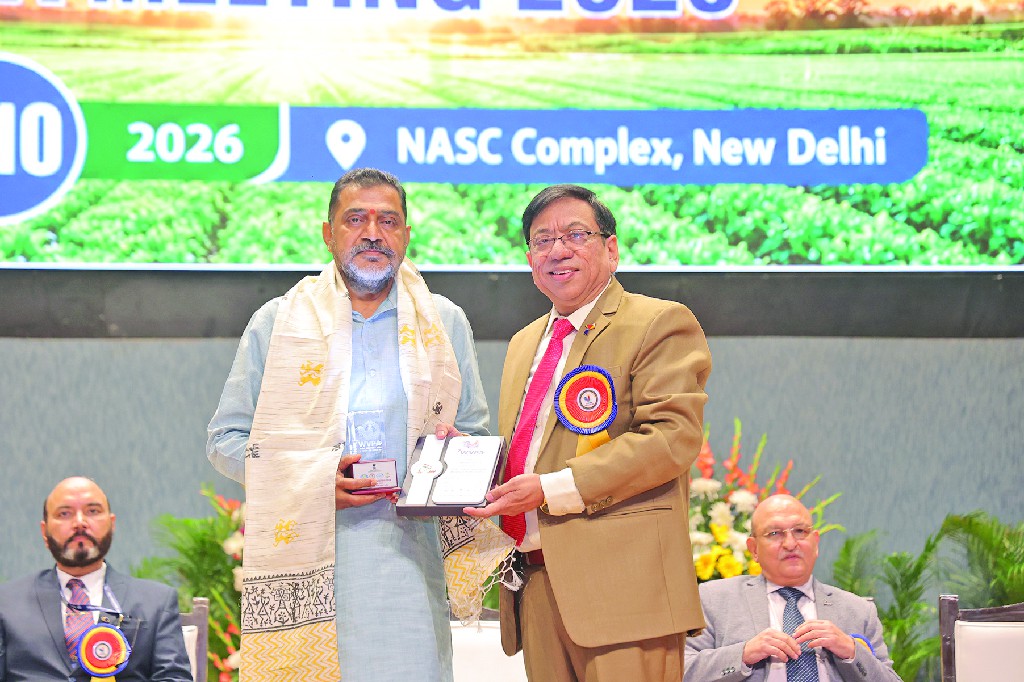
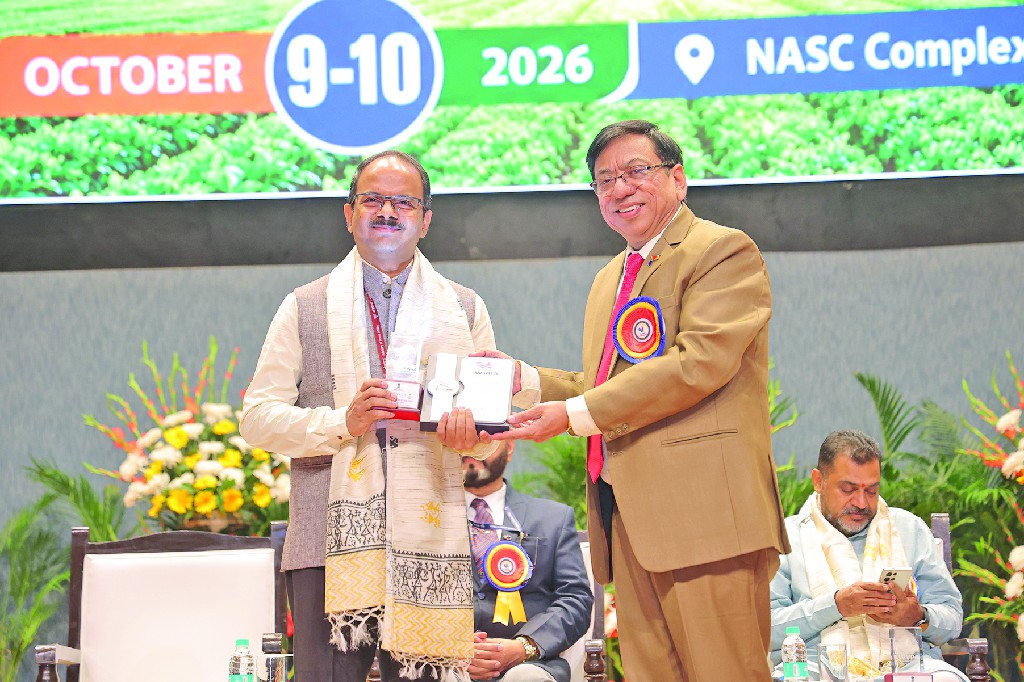
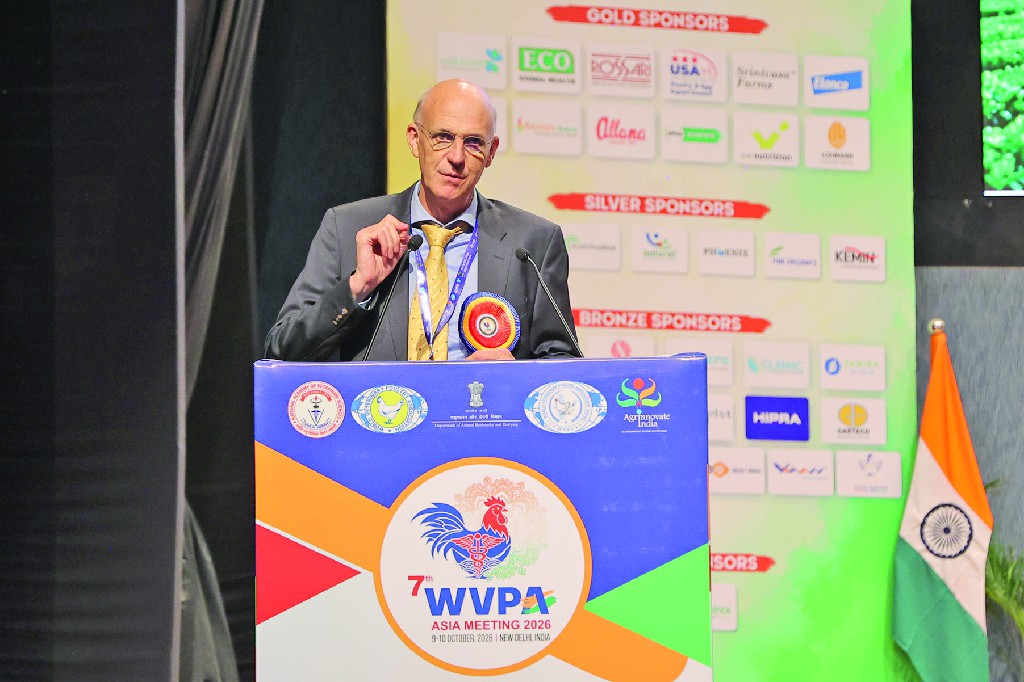
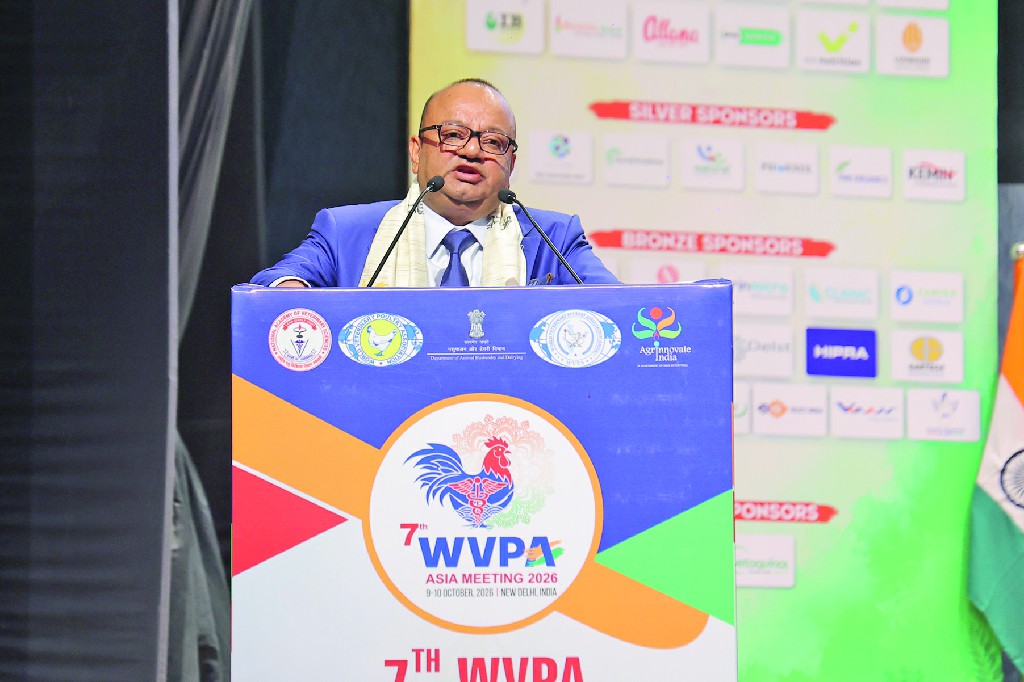
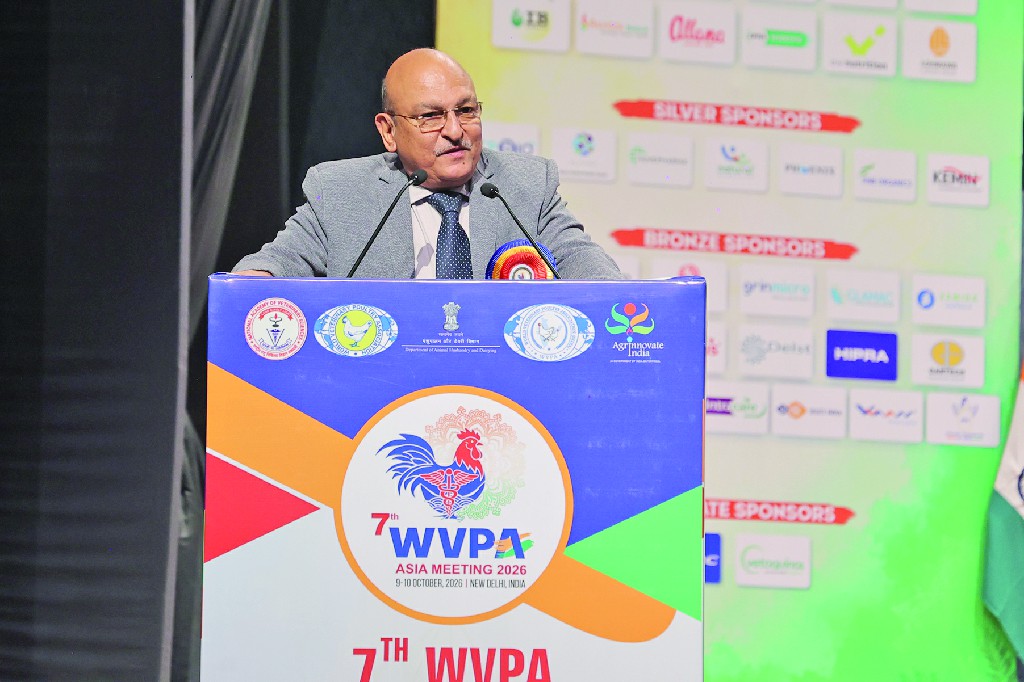
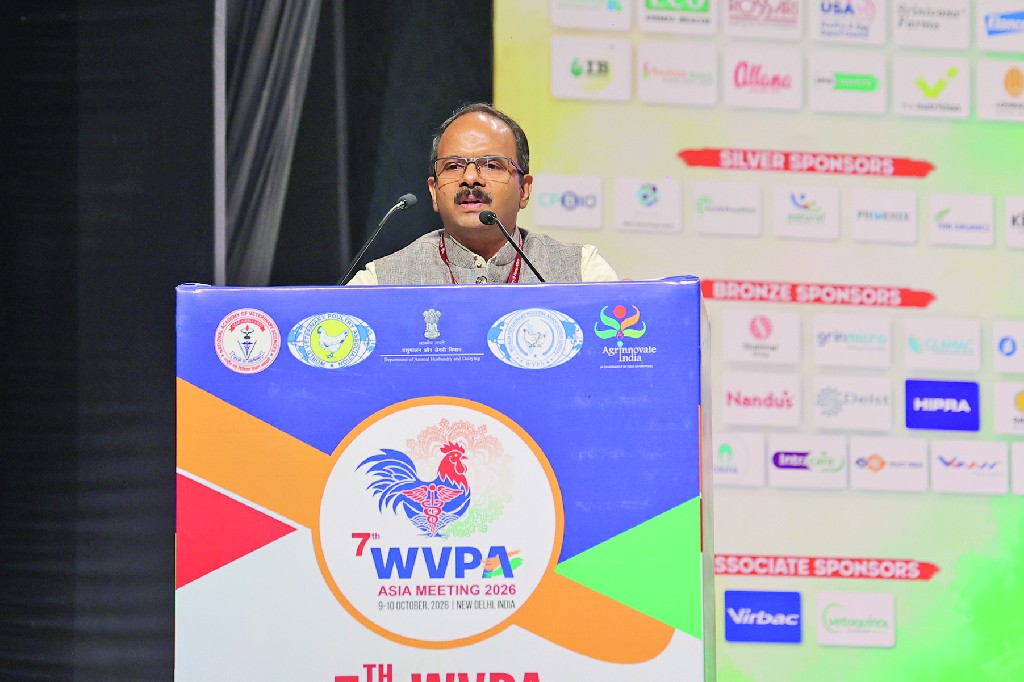
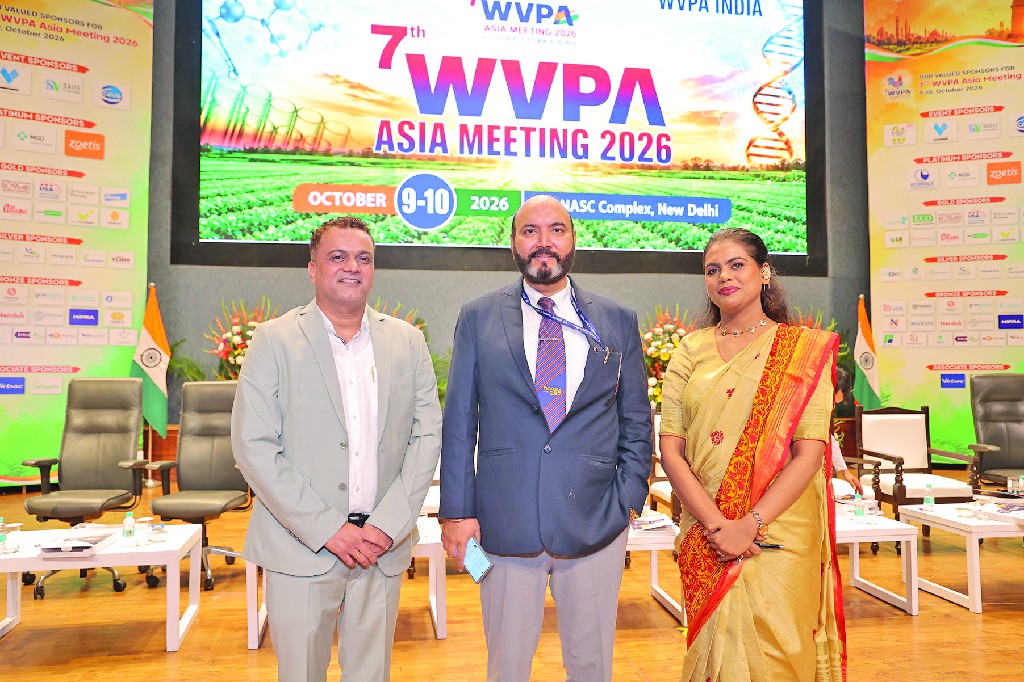
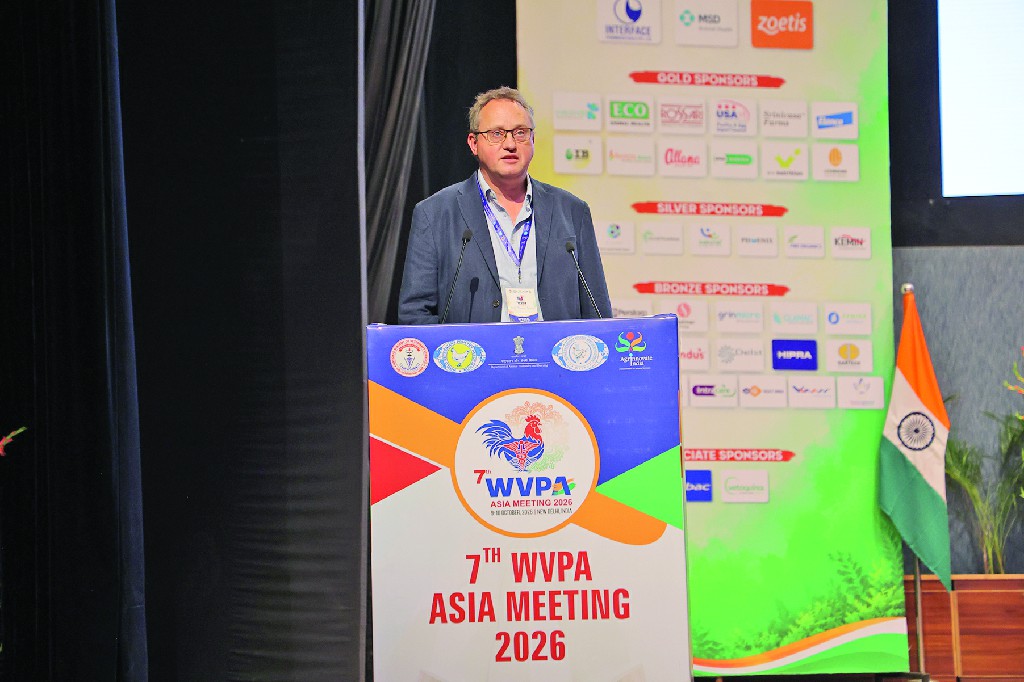
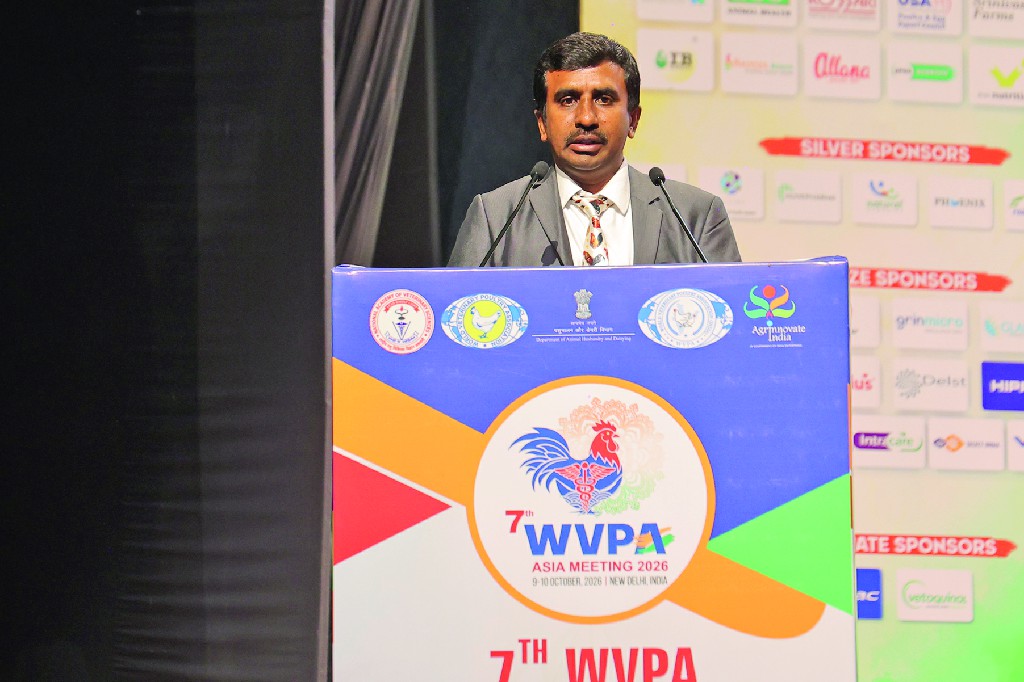
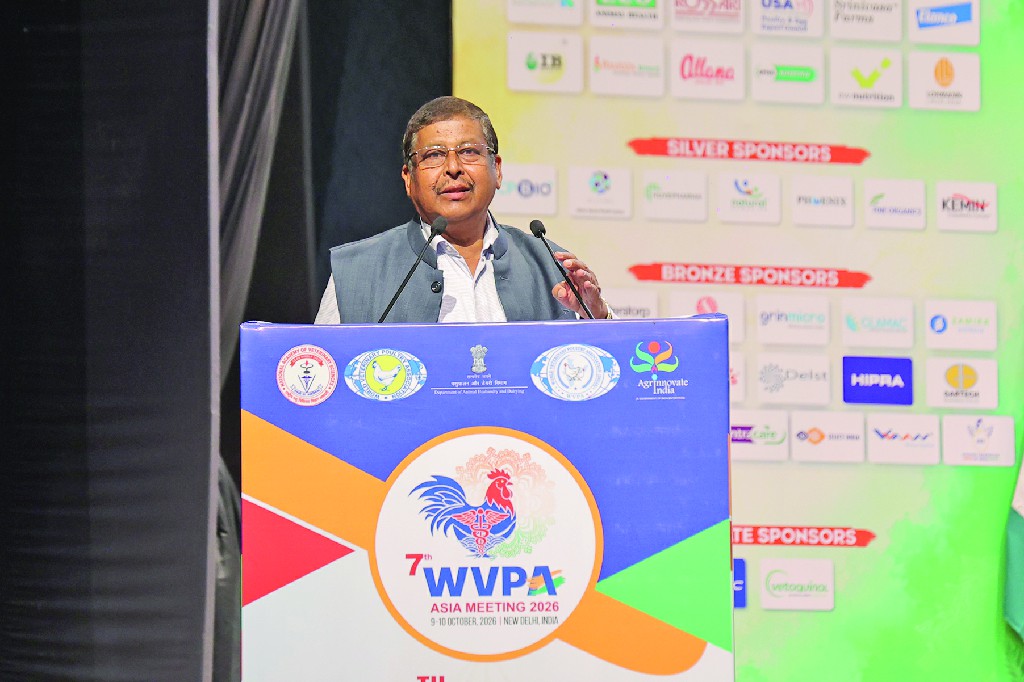
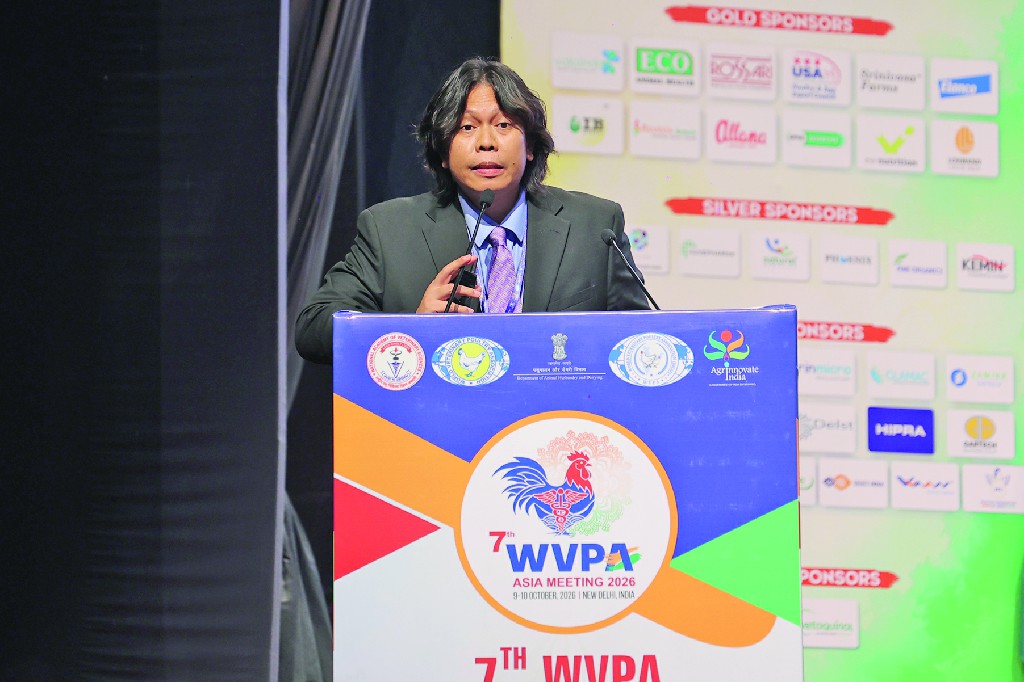
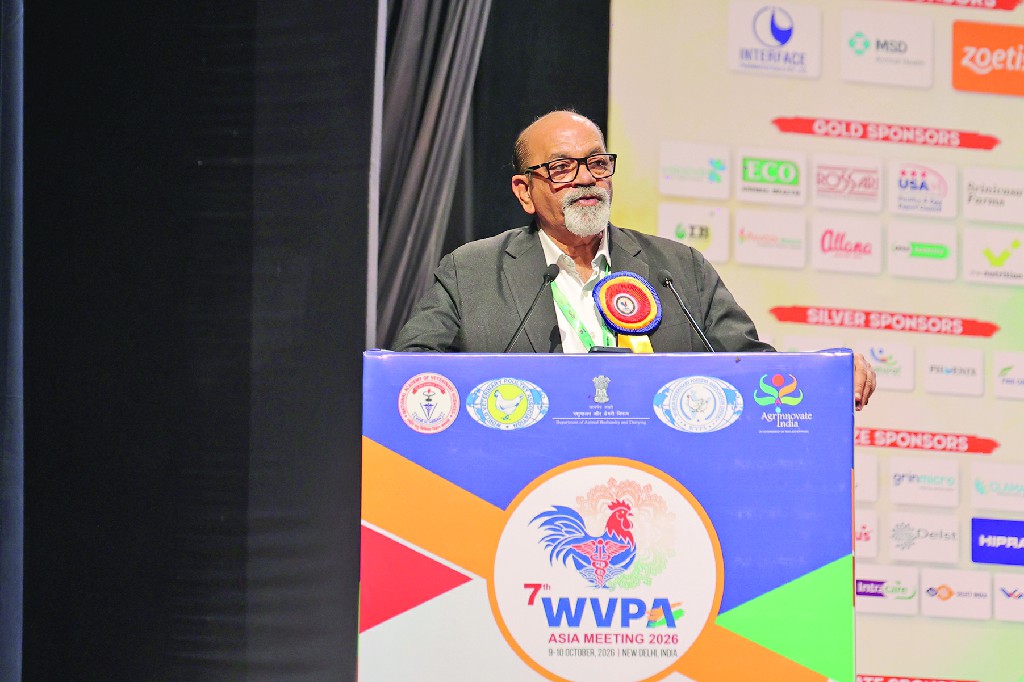
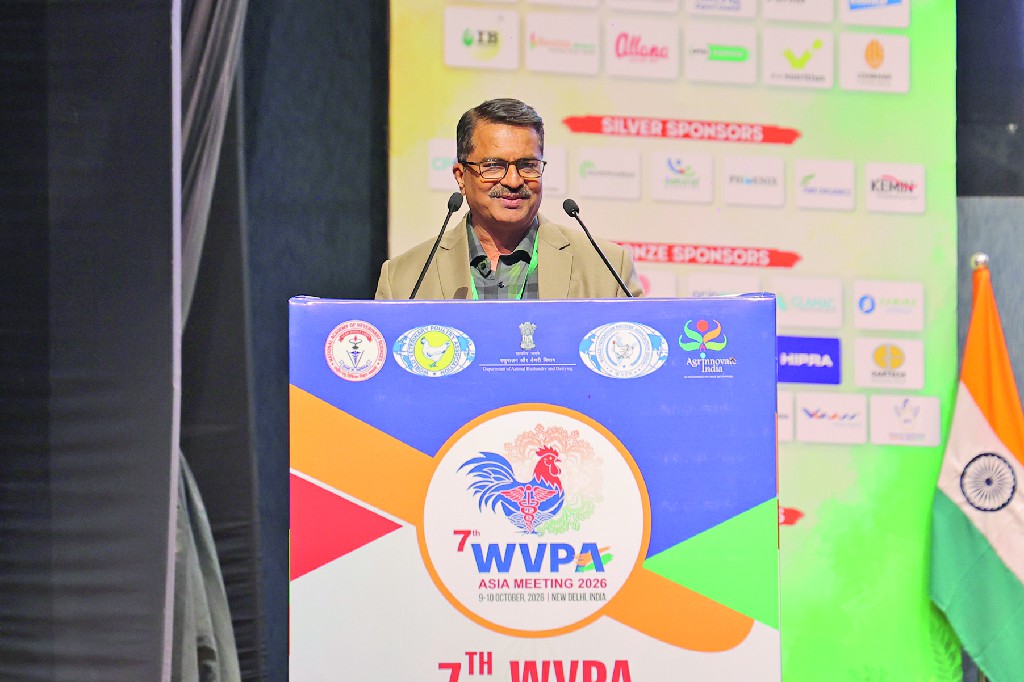
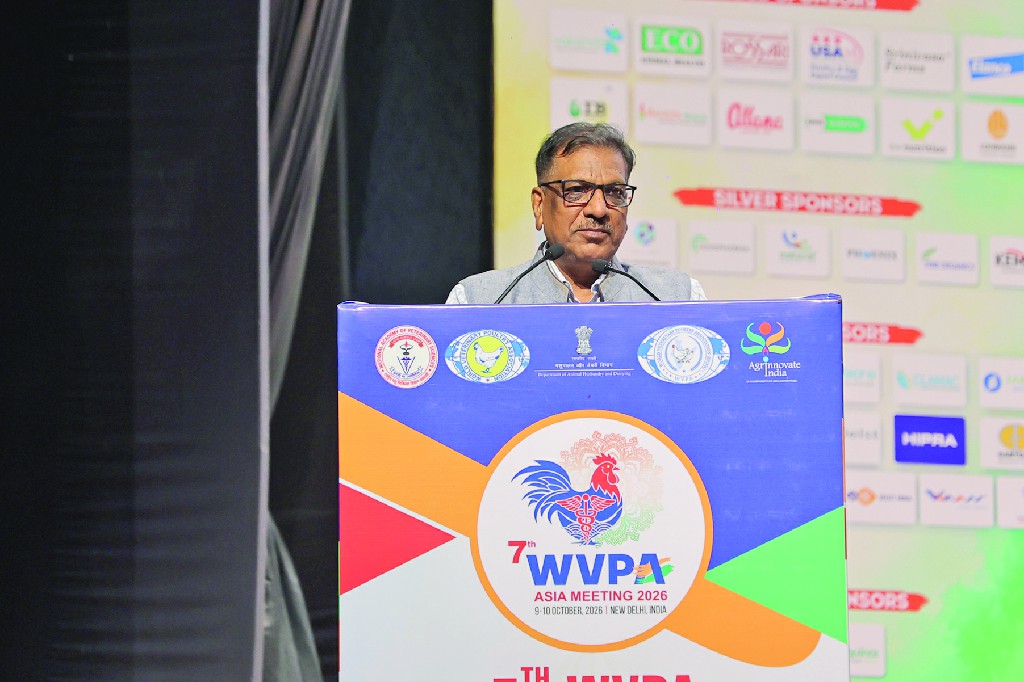
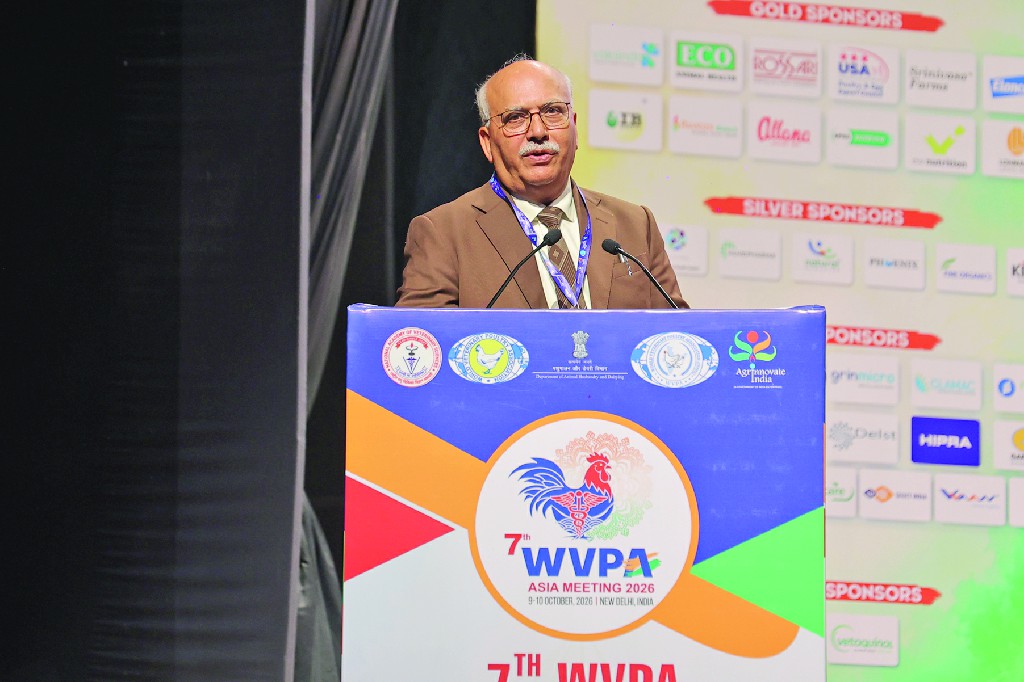
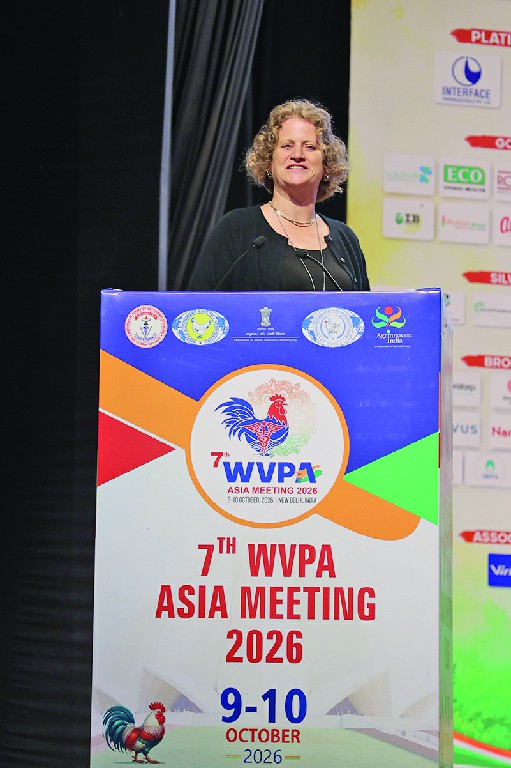
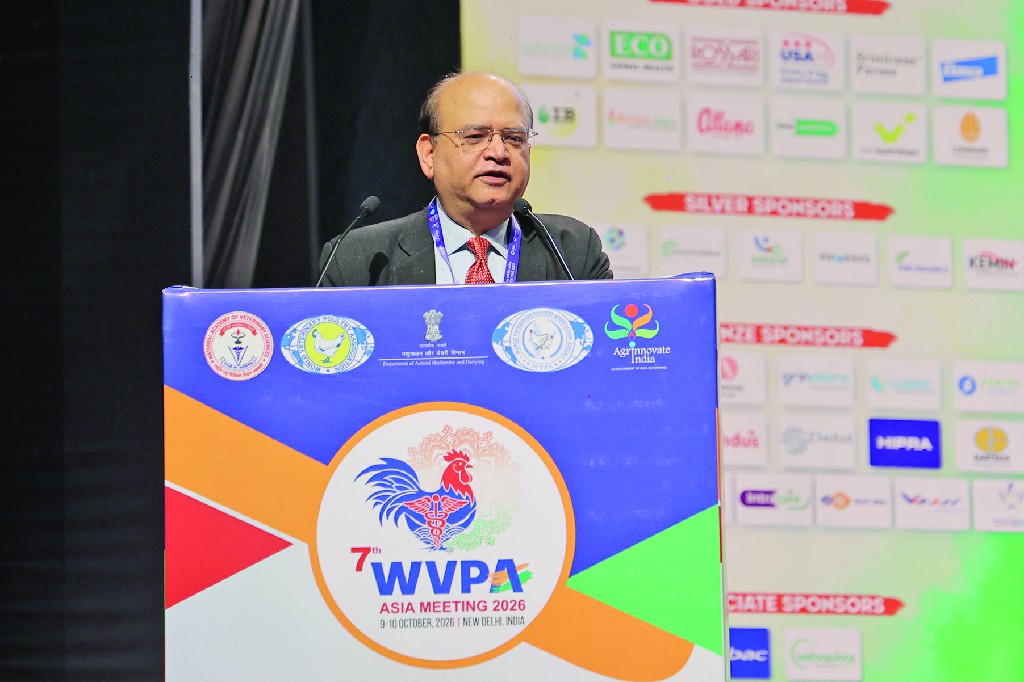
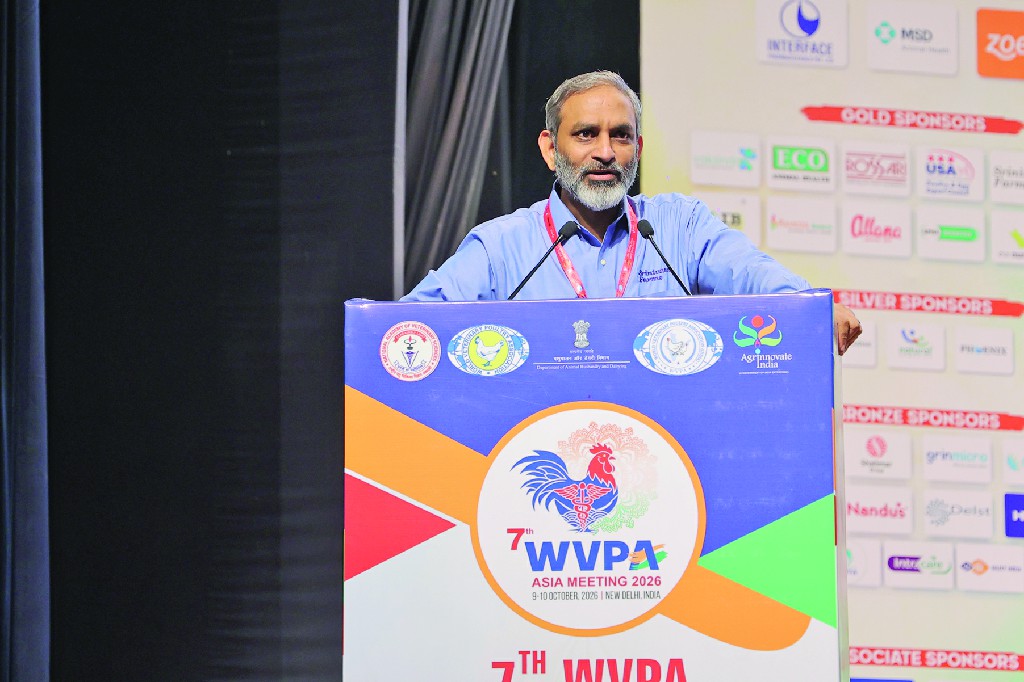
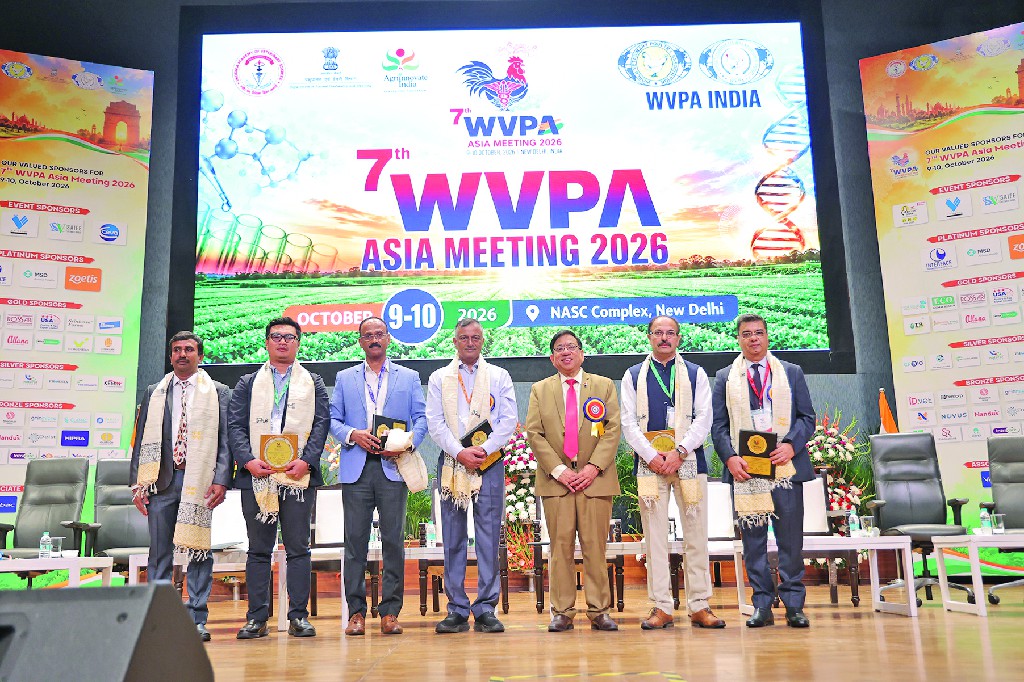
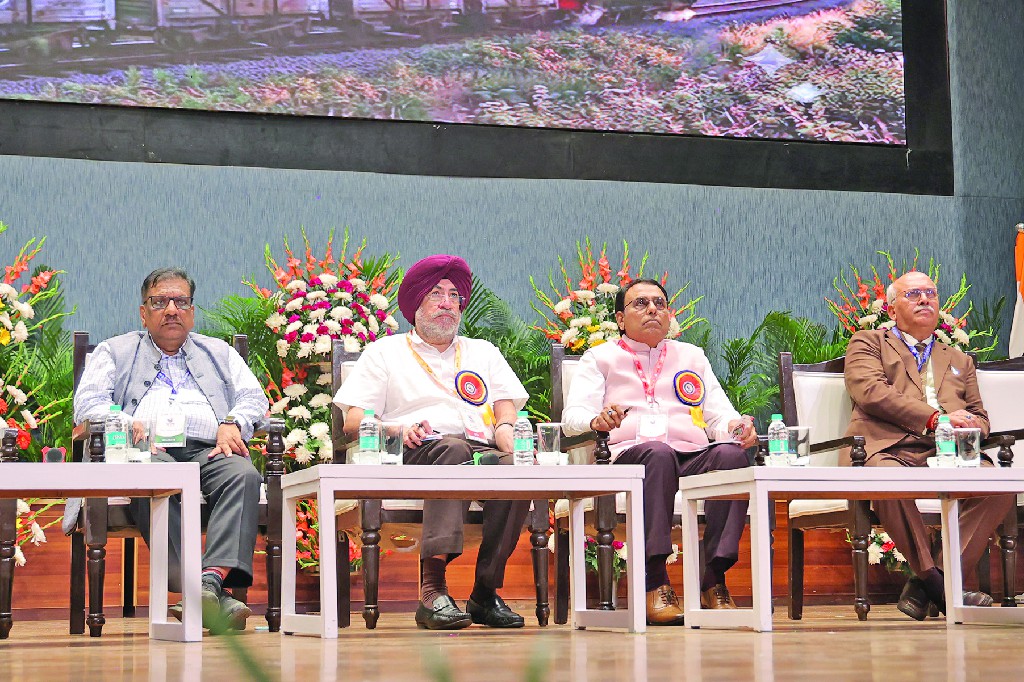
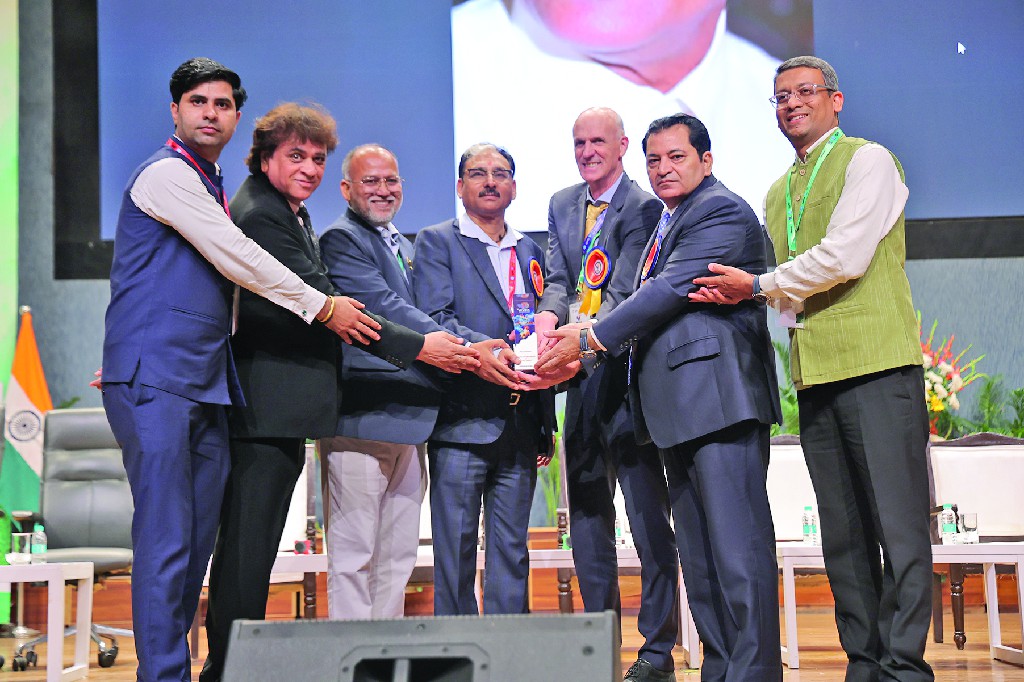
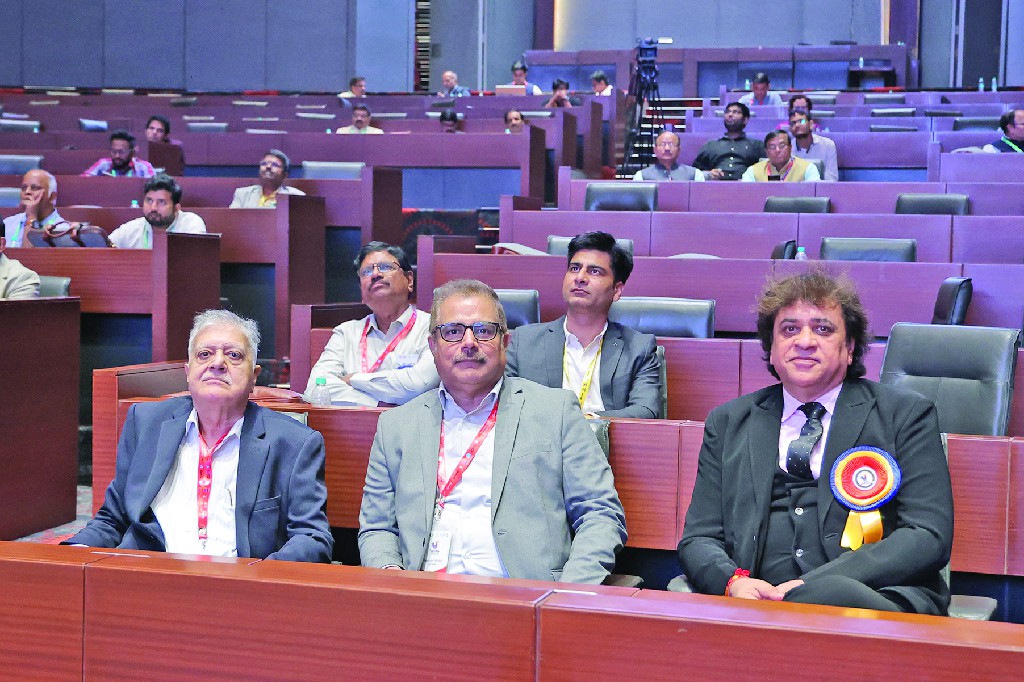
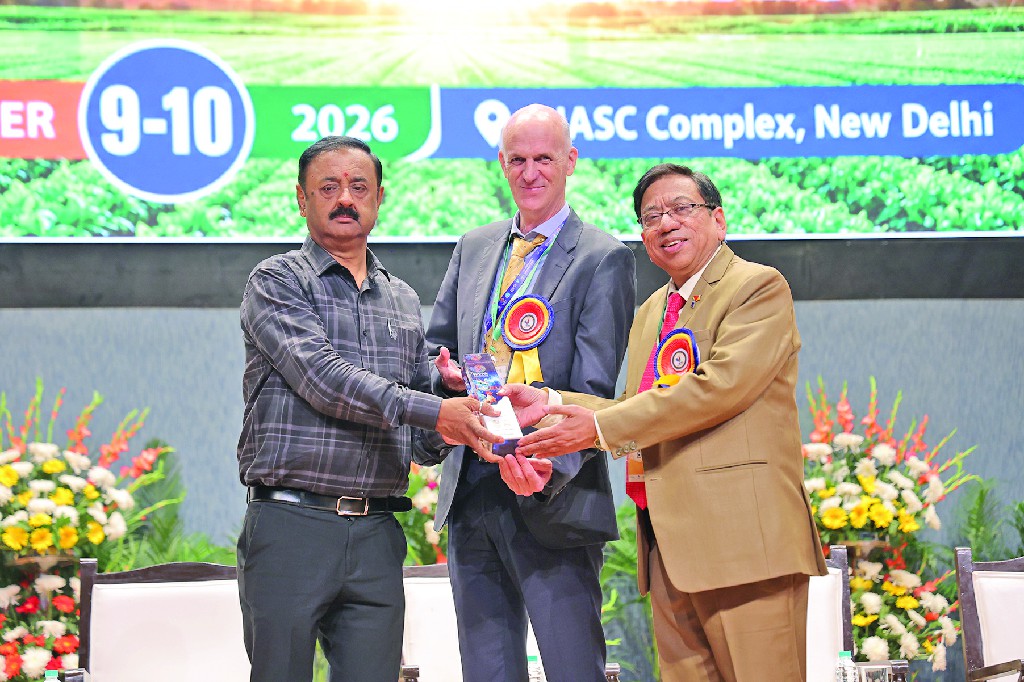
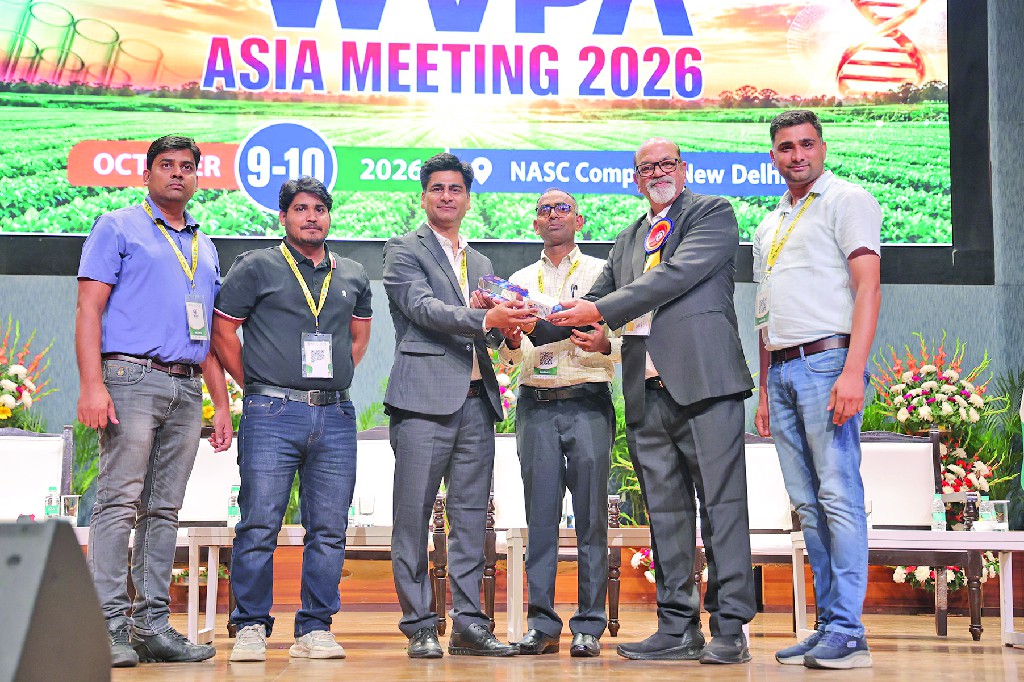
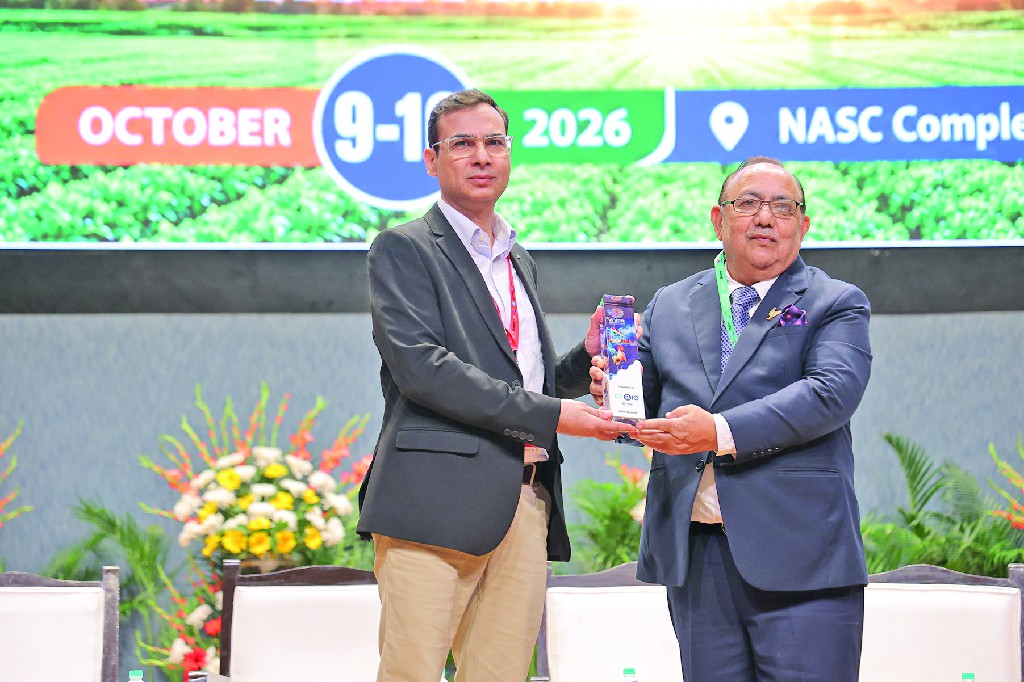
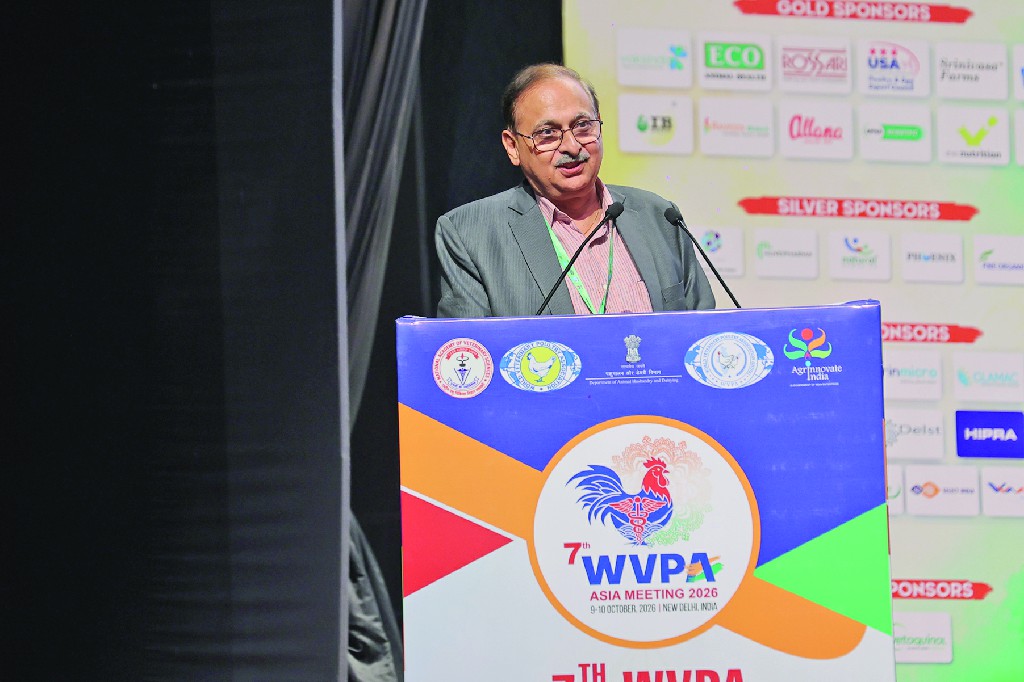
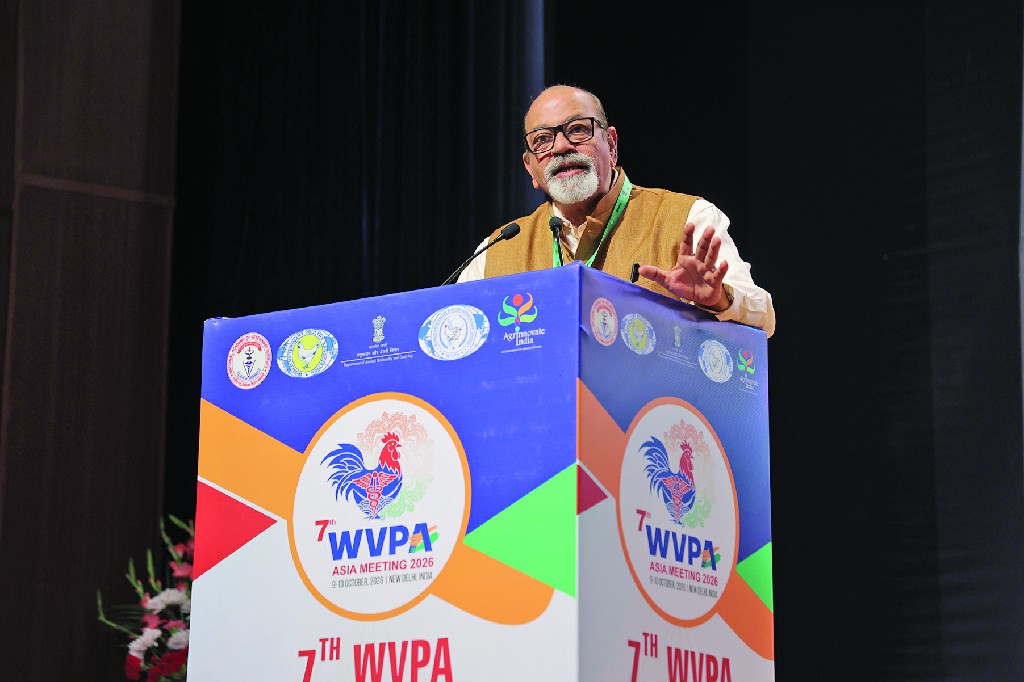
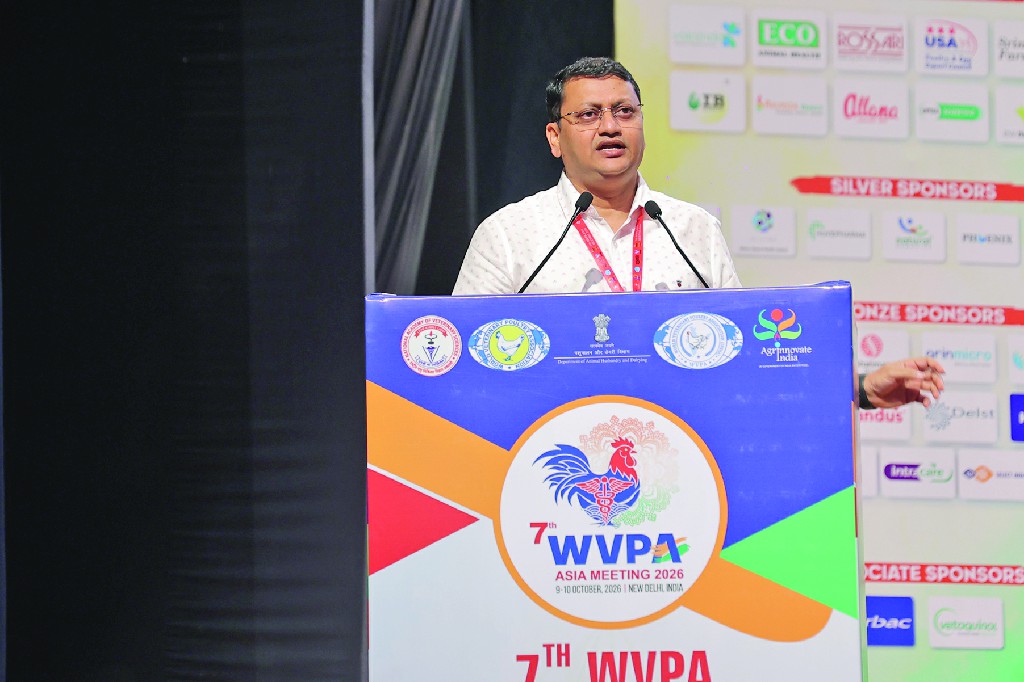
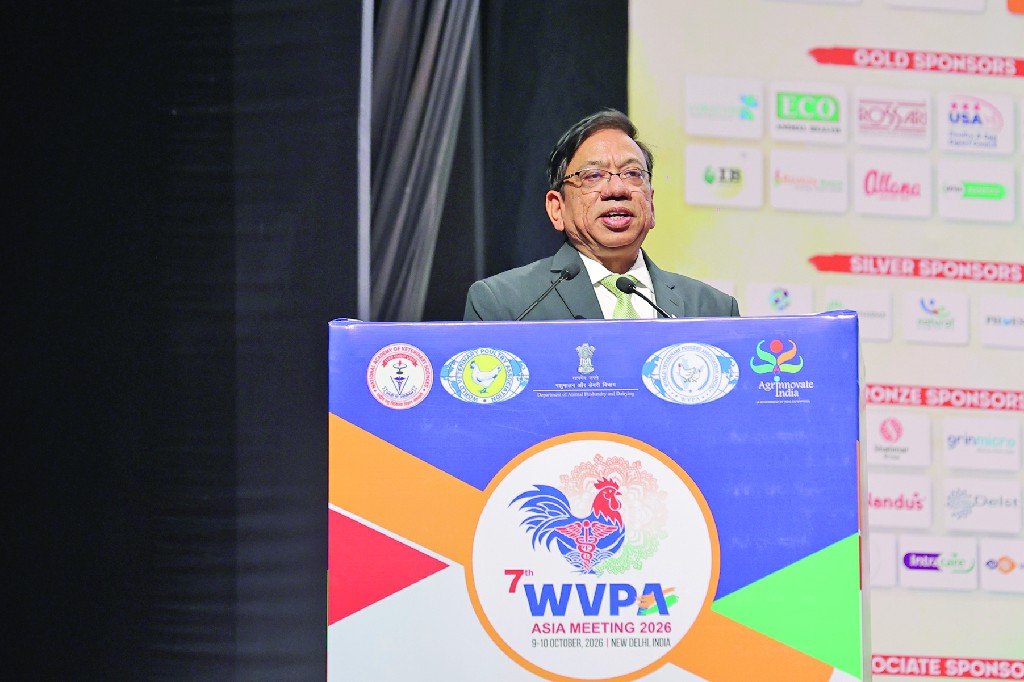
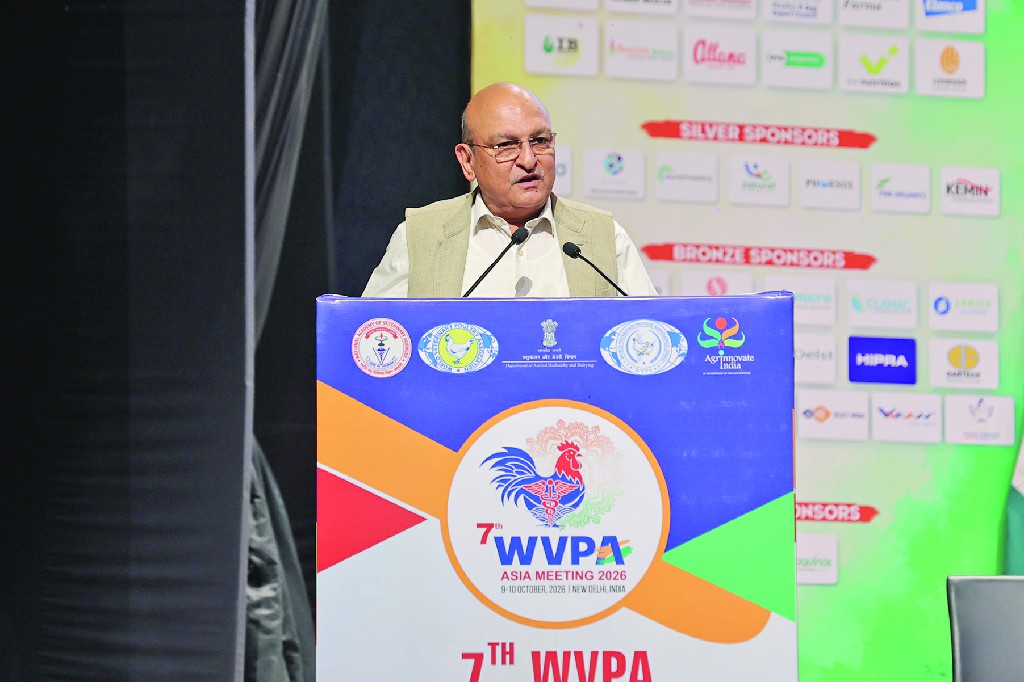
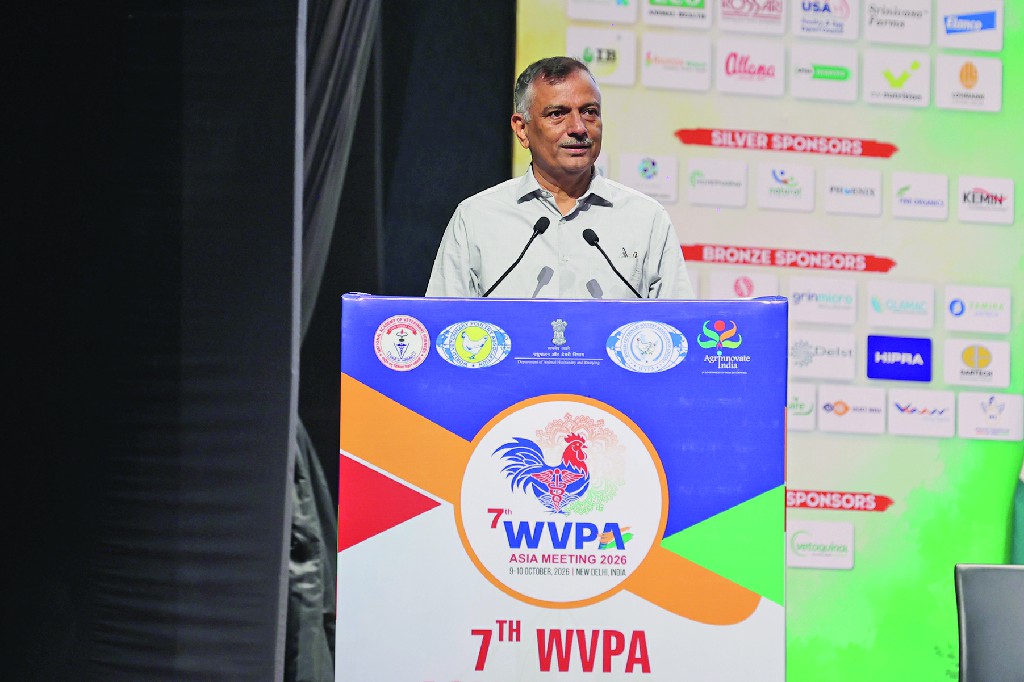
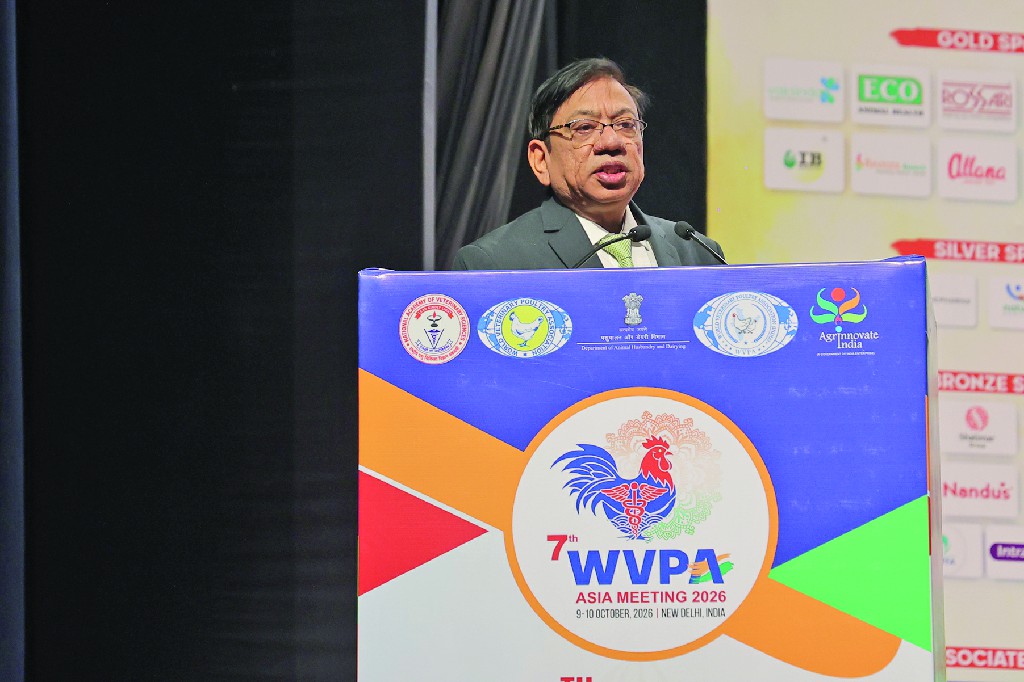
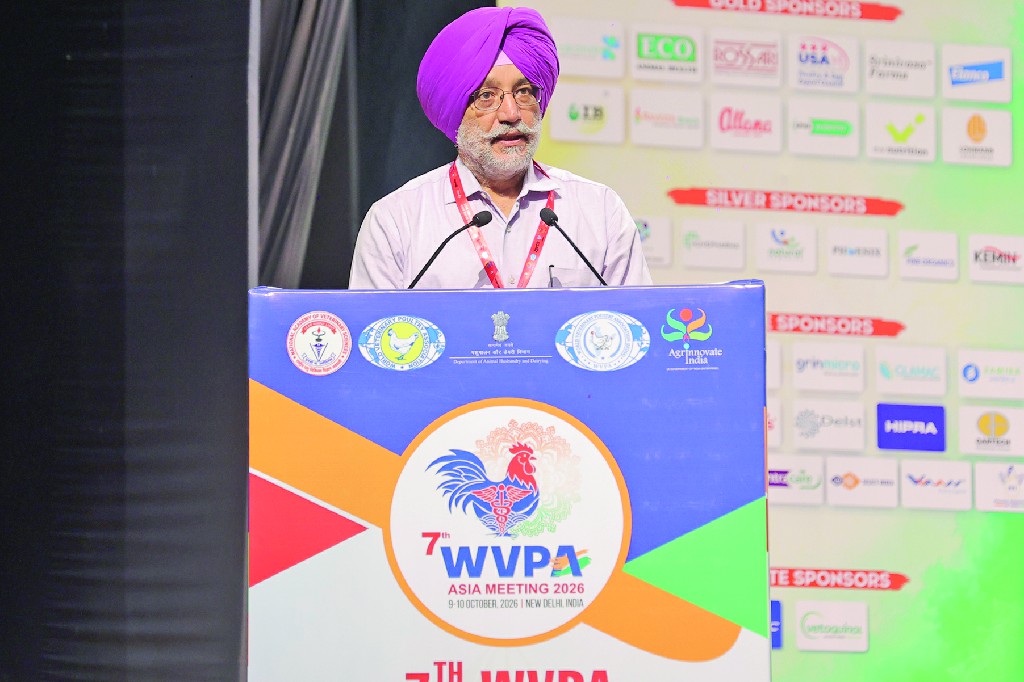
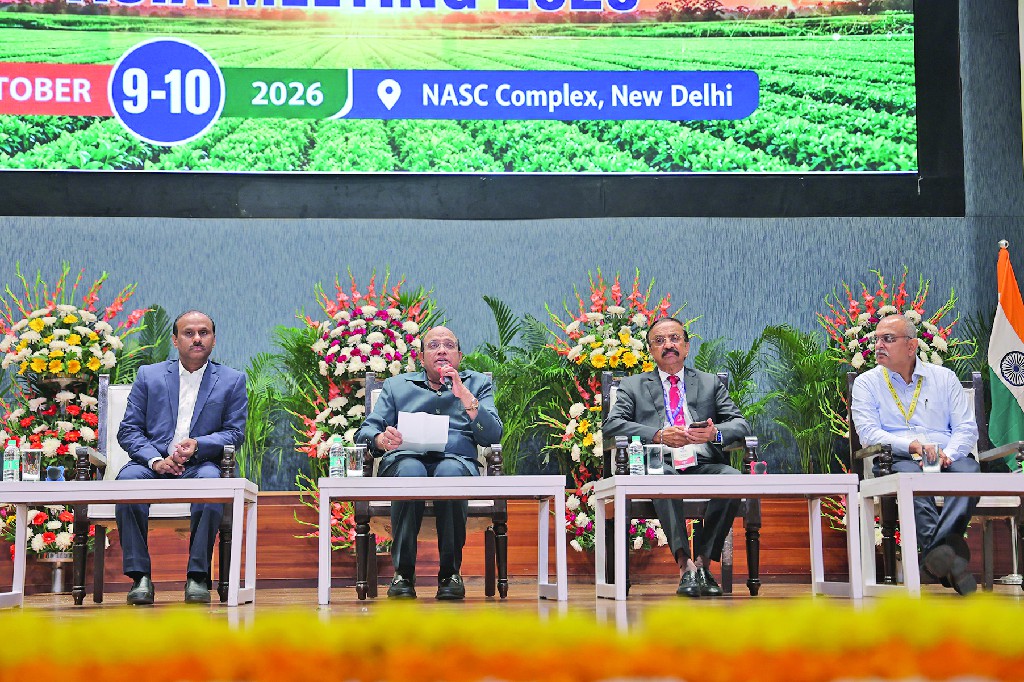
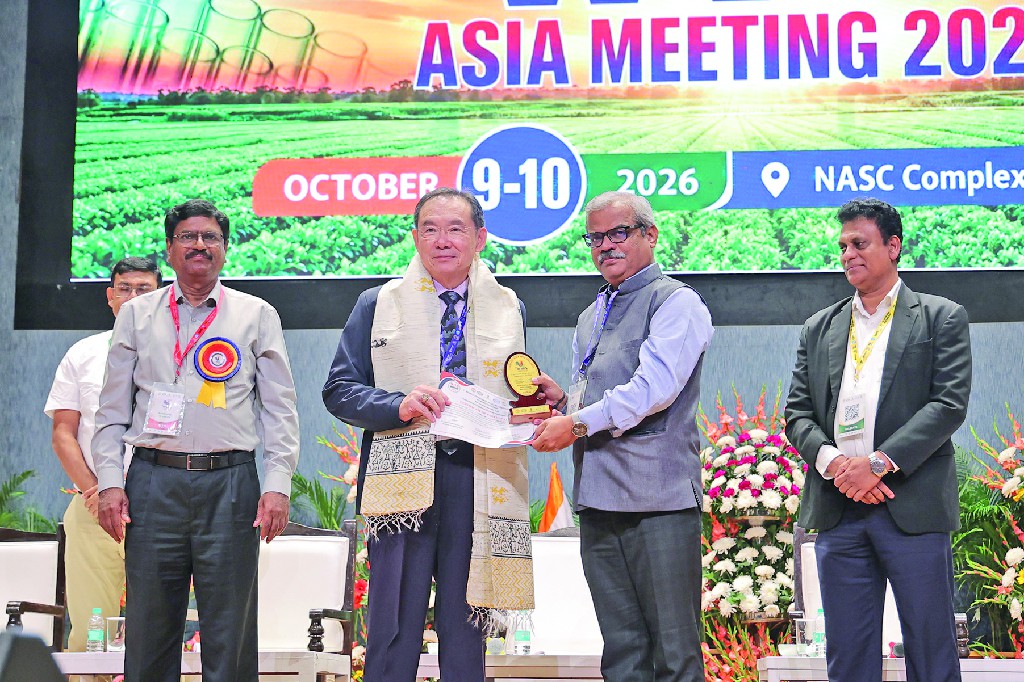
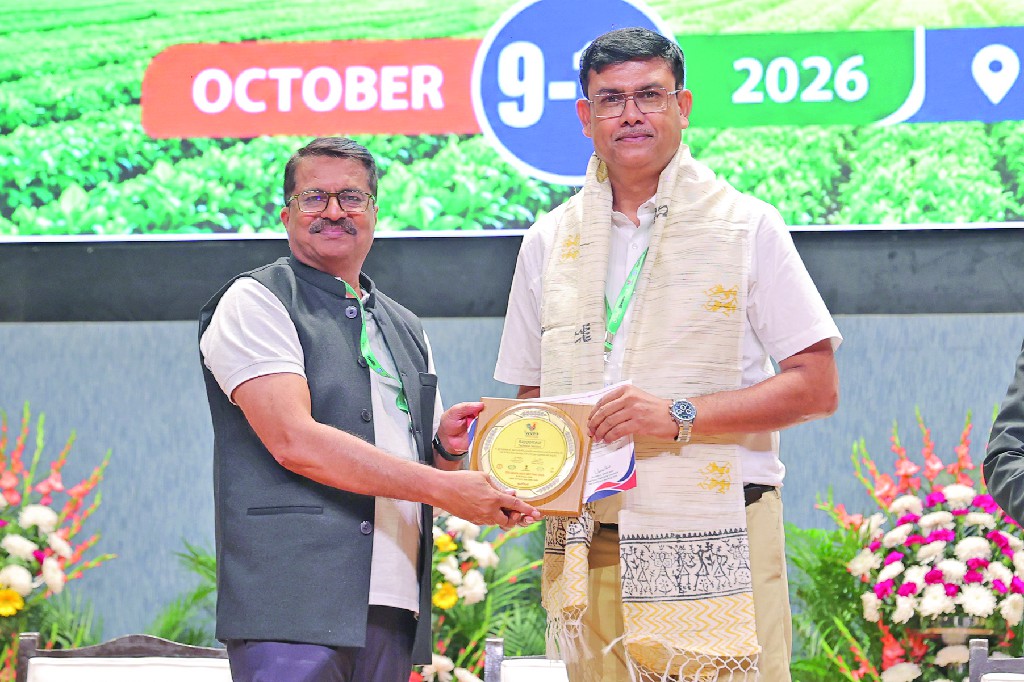
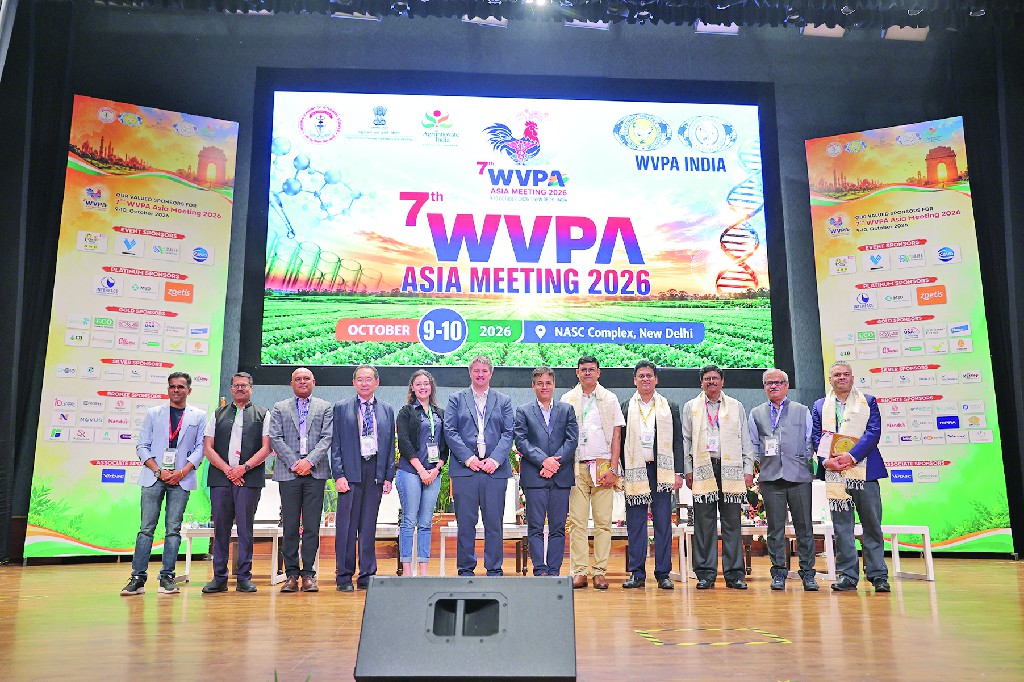
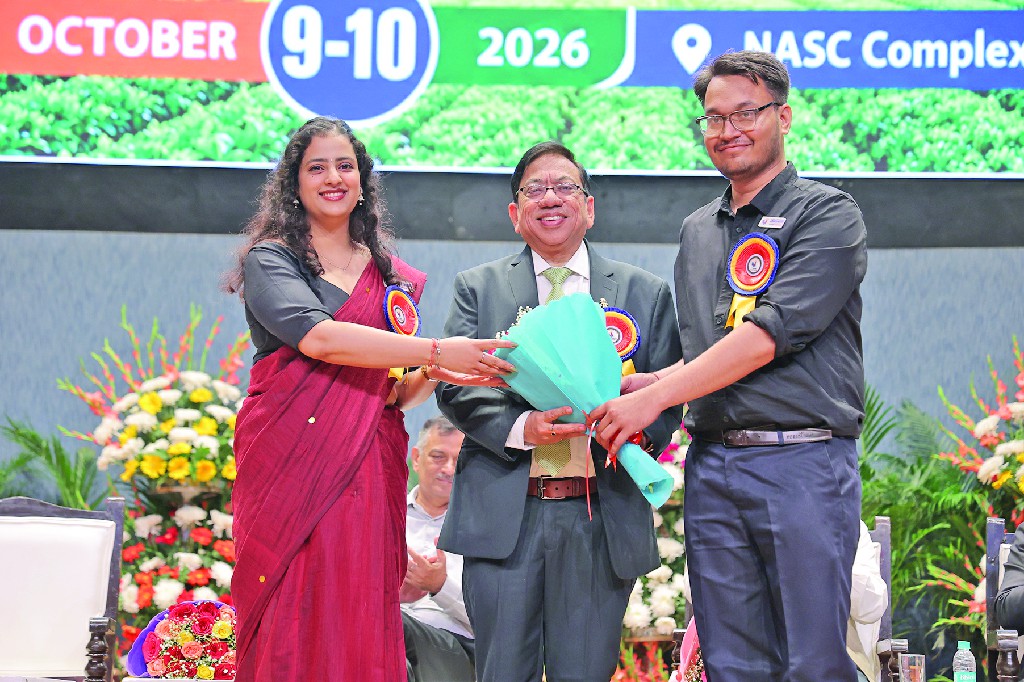
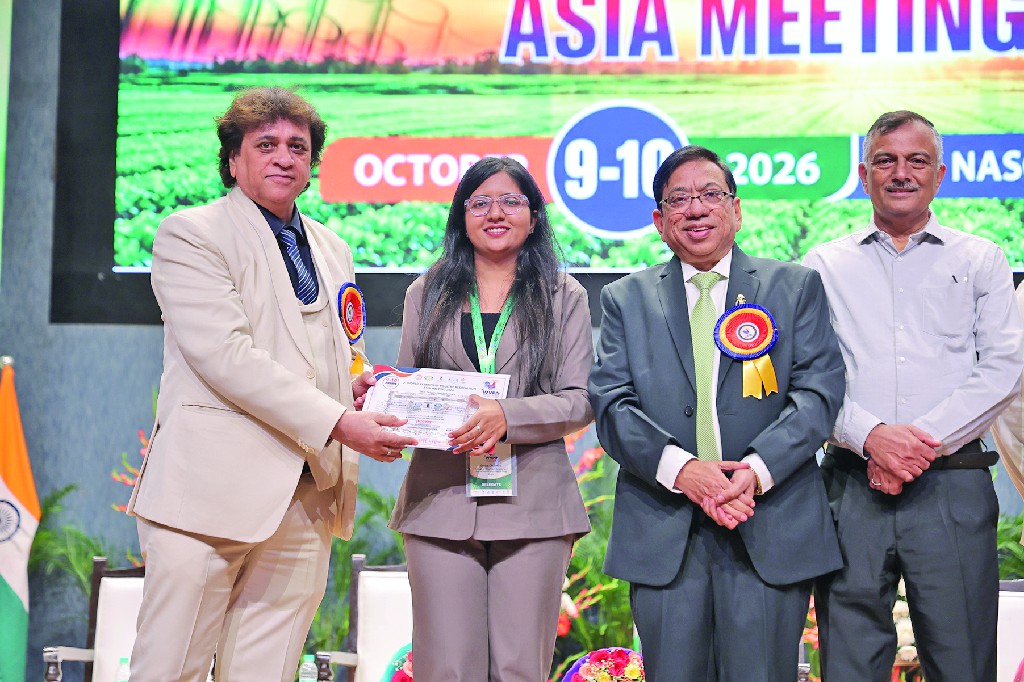
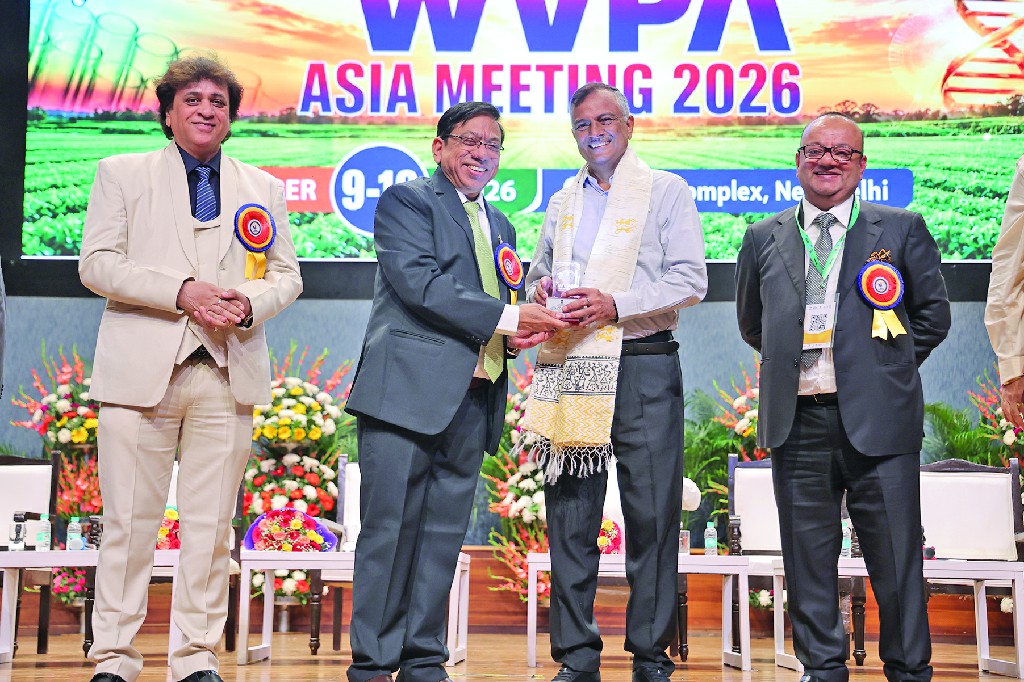
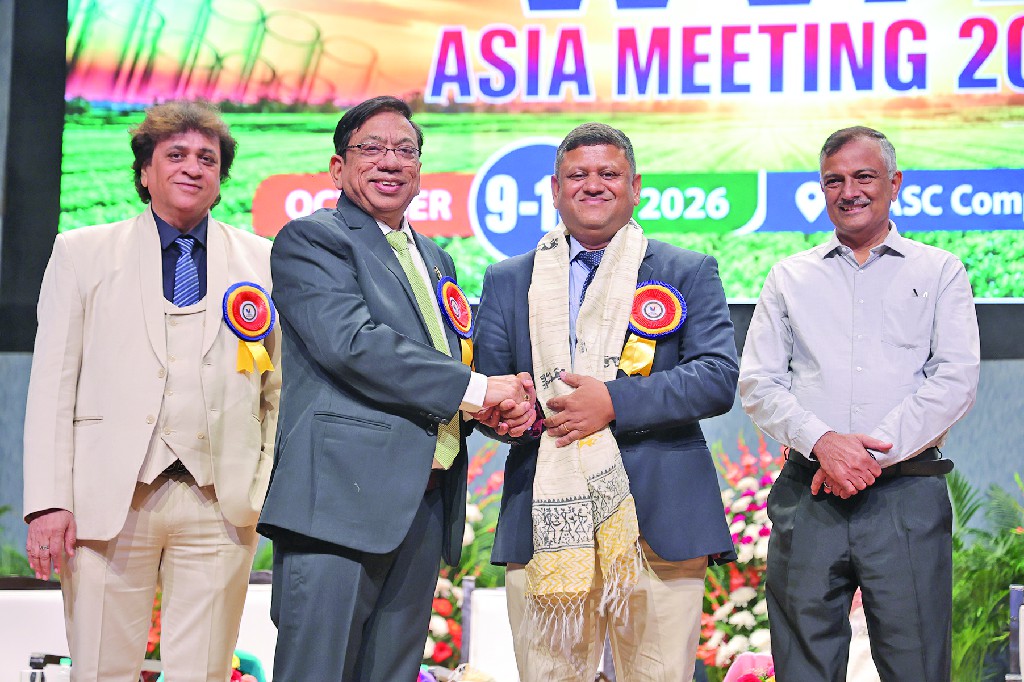
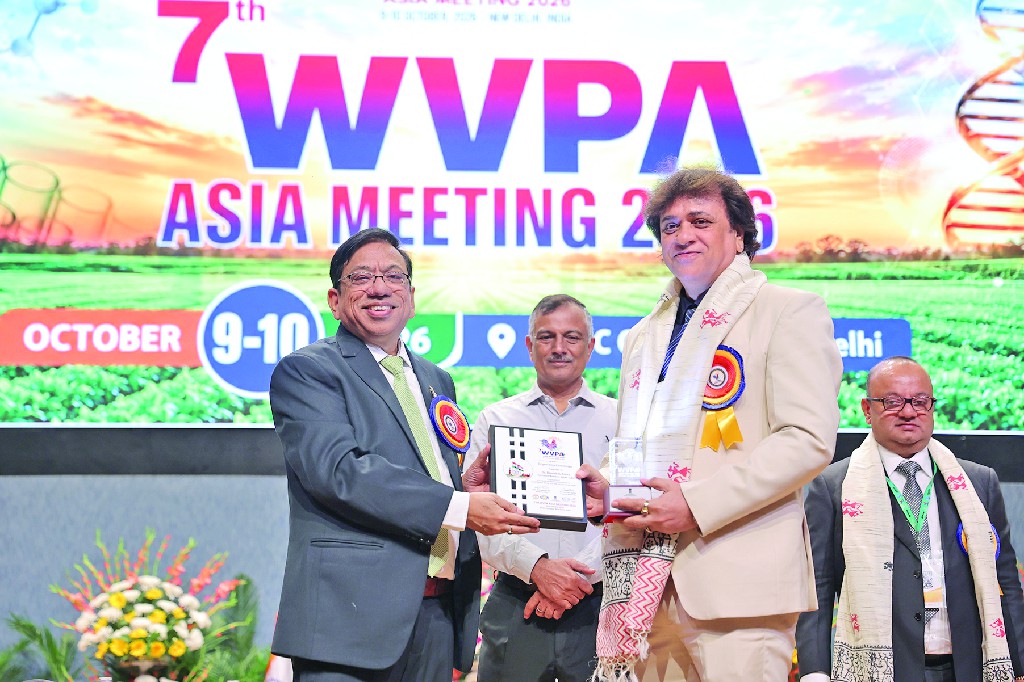
The inaugural programme brought together senior representatives from veterinary education, animal husbandry, research, professional organisations and the poultry sector. Mr Abhay Mahajan, Member Secretary, Deendayal Research Institute (DRI), Dr.Naveena B. Maheshwarappa, Animal Husbandry Commissioner, Department of Animal Husbandry and Dairying, Government of India and Dr YPS Malik, DDG Agri Education were the Guests of Honour in the inaugural script. Other distinguished guests included Dr. D. V. R. Prakash Rao, President, National Academy of Veterinary Sciences (India); Dr.Tarun Sridhar, IAS, former Secretary, Department of Animal Husbandry and Dairying; and Prof.Sjaak de Wit, President of the World Veterinary Poultry Association (WVPA) & Dr Jeetendra Varma, President WVPA India
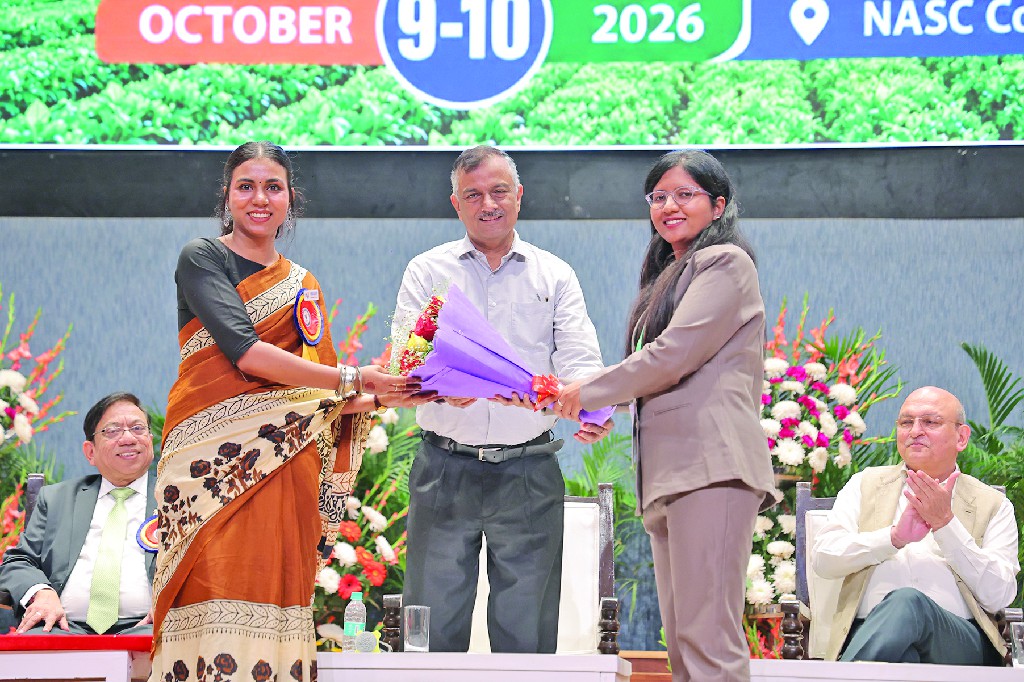
The programme also acknowledged the participation of veterinary university leadership and representatives of research and industry, including Dr.Inderjeet Singh, Vice-Chancellor, Bihar Animal Sciences University; Dr.NiranjanKalita, Vice-Chancellor, Assam Veterinary and Fishery University; Dr. J. P. S. Gill, Vice-Chancellor, Guru Angad Dev Veterinary and Animal Sciences University; Dr. Praveen Malik, Chief Executive Officer, Agrinnovate India Limited; Dr.Jeetendra Varma, President, WVPA India; Dr.Shirish Nigam, General Secretary, WVPA India; and Dr.Bichitra Barman, Joint Secretary, WVPA India. The proceedings were professionally compered by Dr.NidhiRawat, who ensured the smooth coordination and seamless flow of the programme.
The inaugural proceedings emphasised the value of sustained cooperation among veterinary scientists, public institutions, professional associations and industry in addressing the changing needs of poultry production and health management.
Keynote lectures: advancing prevention, surveillance and poultry health
The keynote session featured Prof.Venugopal Nair (United Kingdom), who spoke on control of Marek’s disease and other avian neoplastic diseases; Prof.Ganapathy Kannan (United Kingdom), who discussed avian metapneumovirus in chickens and its implications for health and production; and Prof.Damer Blake (United Kingdom), who addressed new challenges from coccidiosis and controls to improve performance and gut health.
The Houghton Trust Avian Pathology Lecture was delivered by Dr. Dennis Umali (Philippines), on innovations in molecular epidemiology for poultry health management, linking pathogen evolution with field interventions. The lecture highlighted the importance of integrating advanced molecular tools with field-based evidence to support informed prevention and control strategies.
Across the programme, the emphasis was on moving beyond isolated interventions towards coordinated approaches that combine early detection, reliable diagnostics, appropriate vaccination, effective biosecurity, improved husbandry and evidence-based management. These approaches are important for reducing health risks, supporting flock performance and strengthening the resilience of poultry production systems.
Vaccines, biologicals and innovations in health management
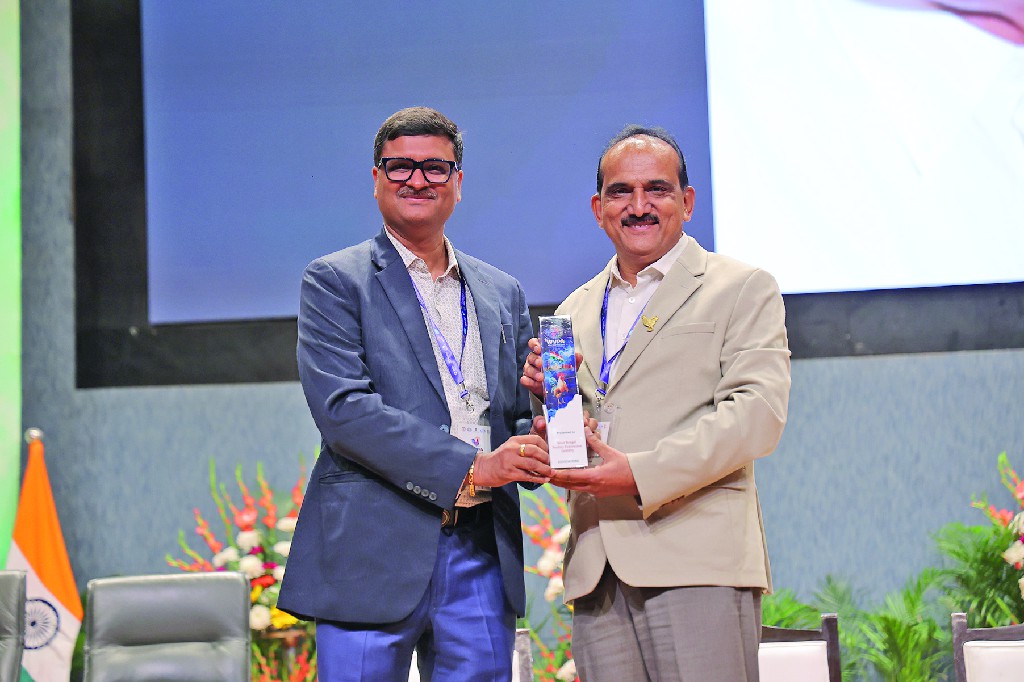
The Innovations in Vaccines and Biologicals session featured Dr.InsaafRiahi (Spain), who discussed mycotoxins in poultry production; Dr.Gwenaelle Dauphin (France), who presented vaccine technologies for avian influenza, from conventional vaccines to next-generation platforms; and Dr. Vijay Durairaj (USA), who spoke on integrating diagnostics and research for global poultry health and production. The programme also considered vaccine thermostabilisation and strategies to improve immunity in poultry.
The dedicated HPAI Vaccine Conference held on 8 October provided an additional forum for discussion on vaccination and avian influenza management. Together, these sessions highlighted the importance of scientific innovation, appropriate vaccine selection, delivery systems, field evaluation and robust monitoring in developing effective poultry health programmes.
Other presentations relevant to health management included Dr. Sanjay Gavkare (India) on recombinant HVT technology, Dr. Padma V. Devarajan (India) on targeted drug delivery for animal healthcare, and S. K. Malhotra (India) on nutraceutical approaches. These presentations highlighted indigenous innovation and the potential of targeted interventions to support poultry protection.
Antimicrobial resistance and alternatives to antibiotic growth promoters
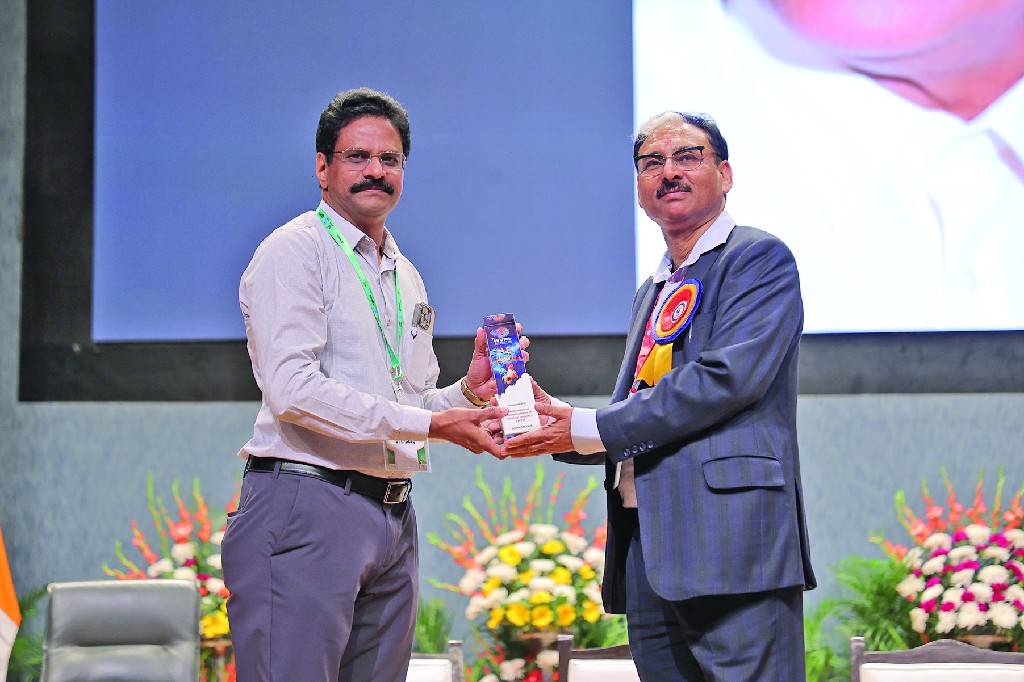
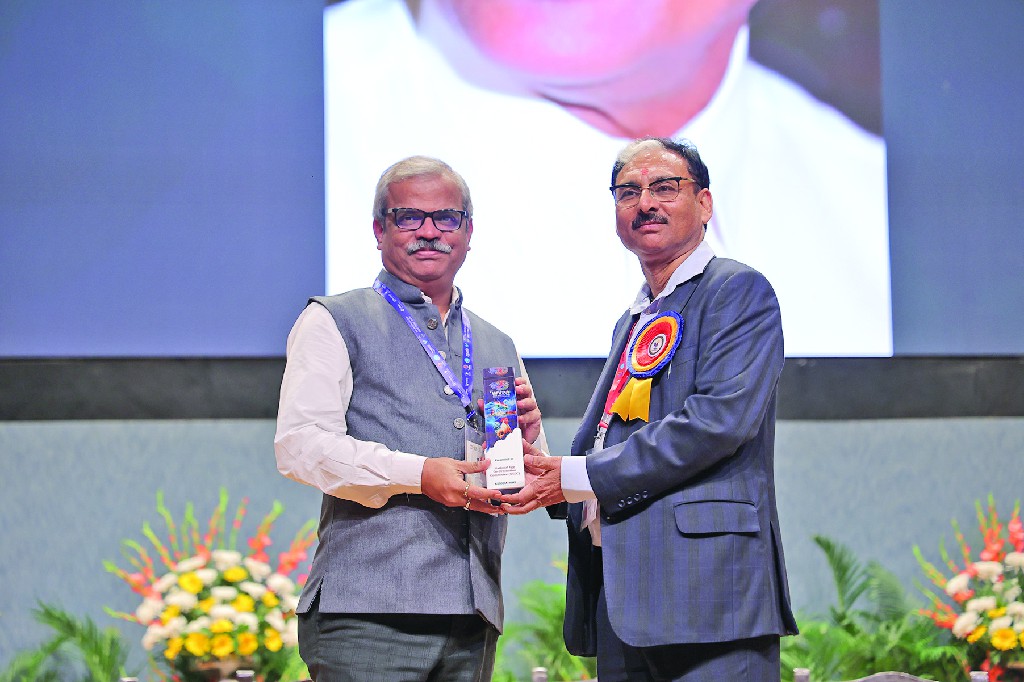
The Antimicrobial Resistance and AGP Alternatives session included Prof. Sunil Nayak (India), who discussed nucleotides as a feed additive and alternative to antibiotic growth promoters in broilers, and S. K. Malhotra (India), whose presentation addressed immunotherapy as a potential approach to help poultry manage antimicrobial-resistance challenges. The session explored alternatives to AGPs, feed additives and strategies to support gut health while promoting responsible antimicrobial use.
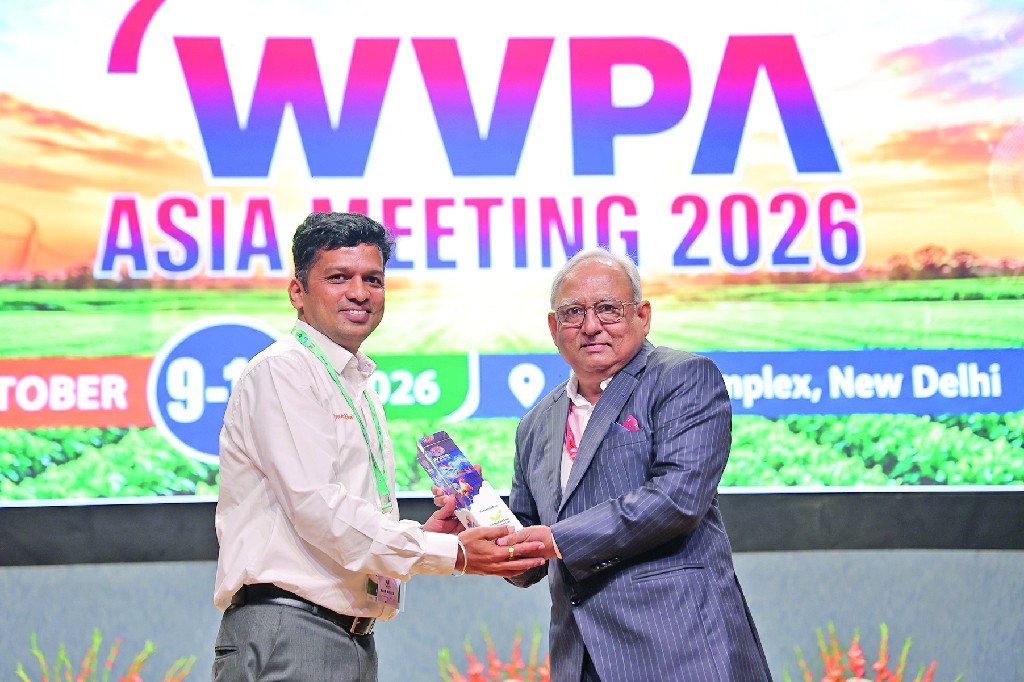
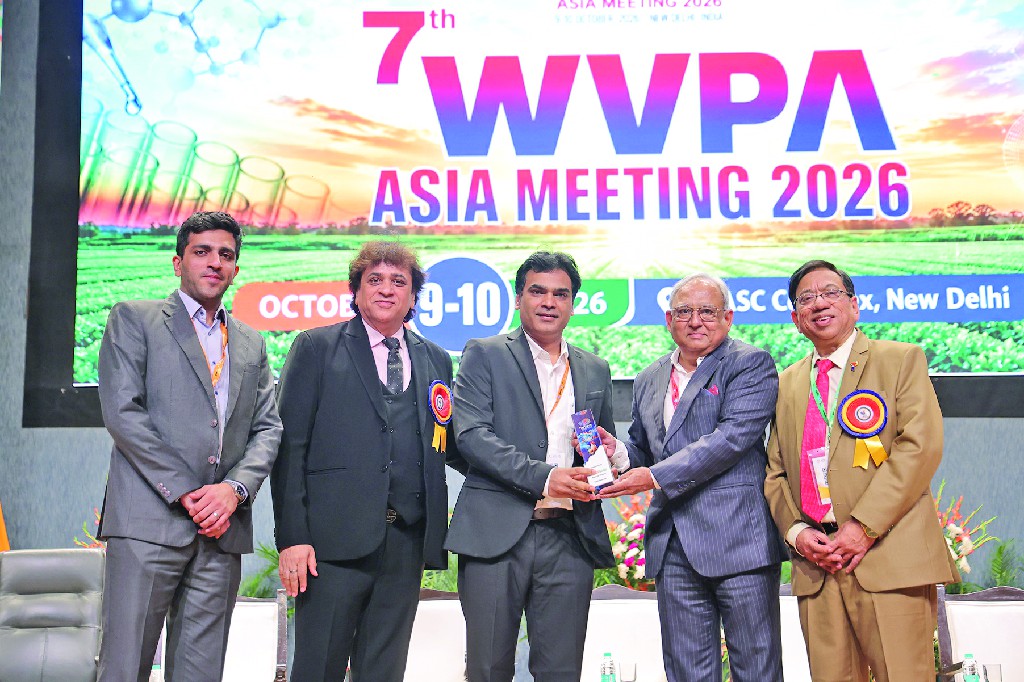
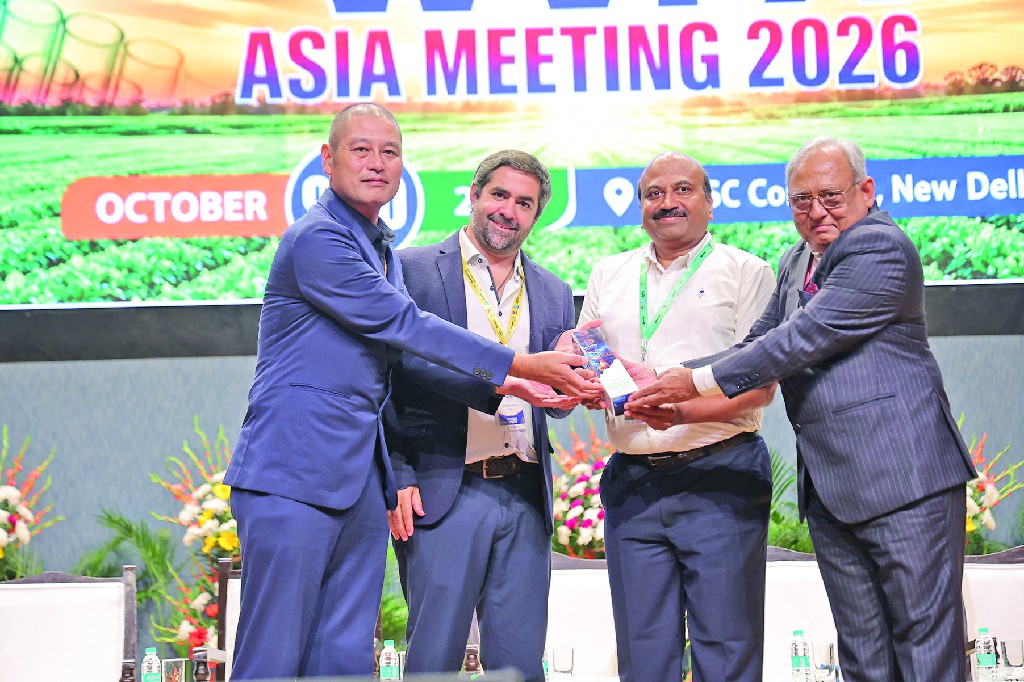
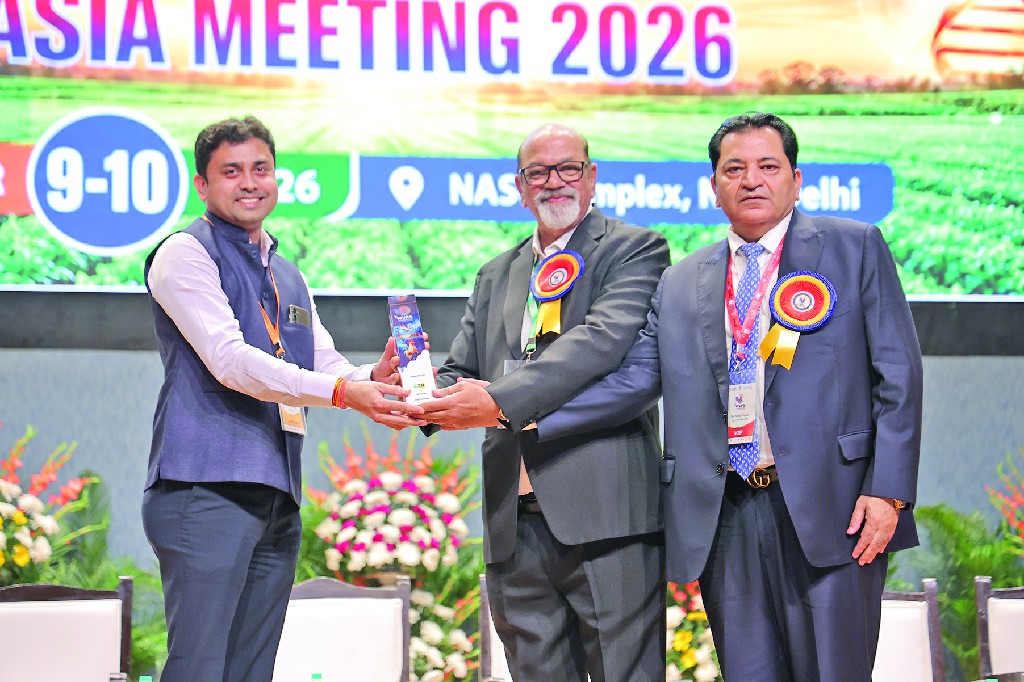
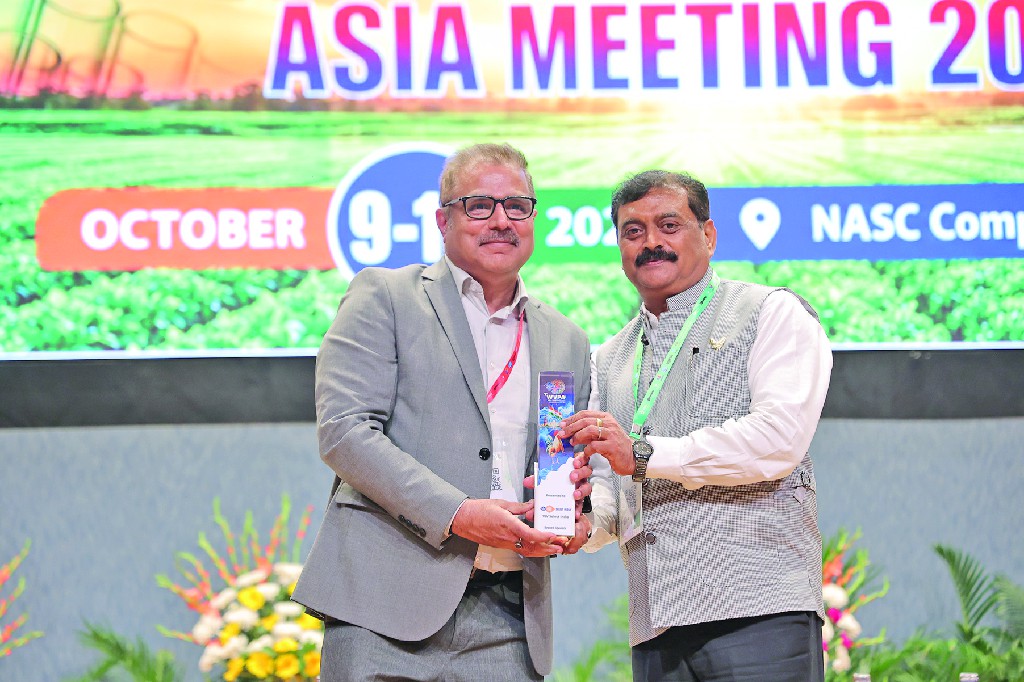
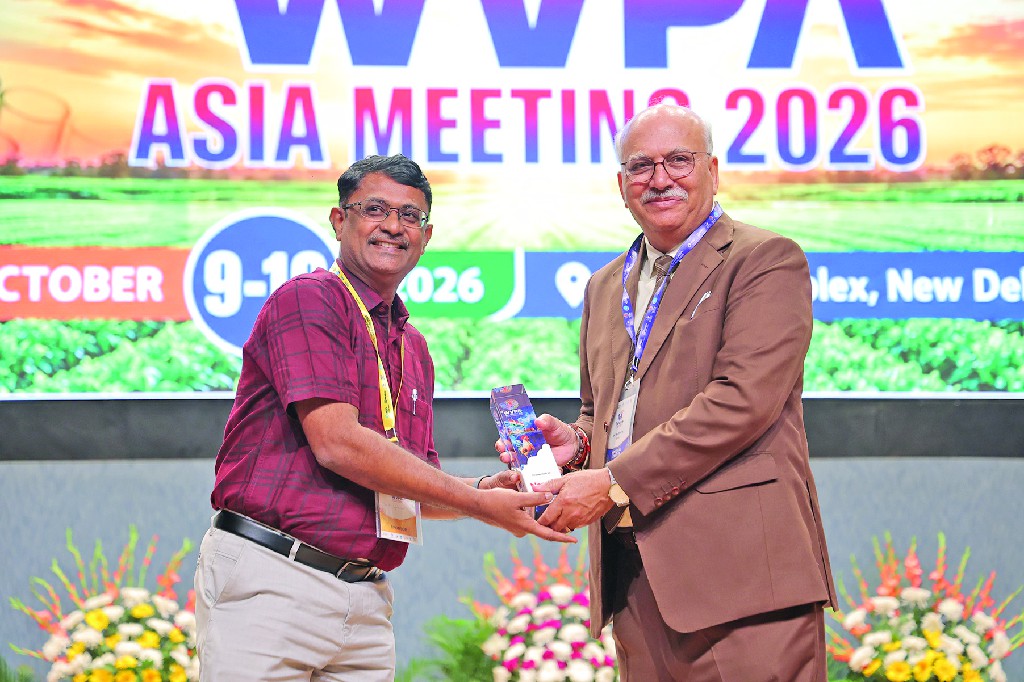
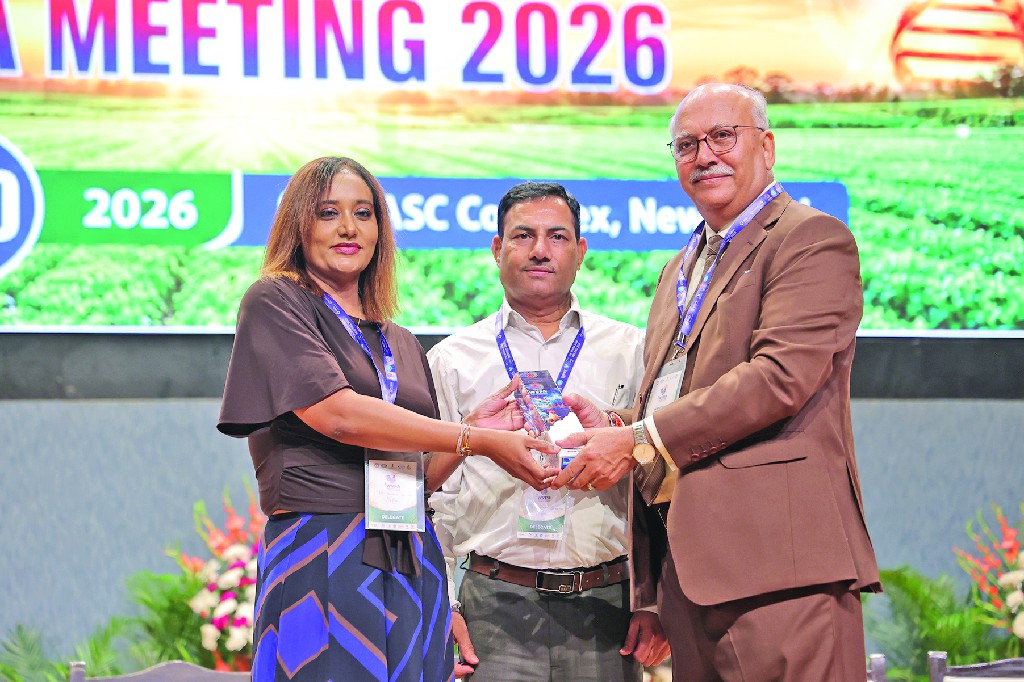
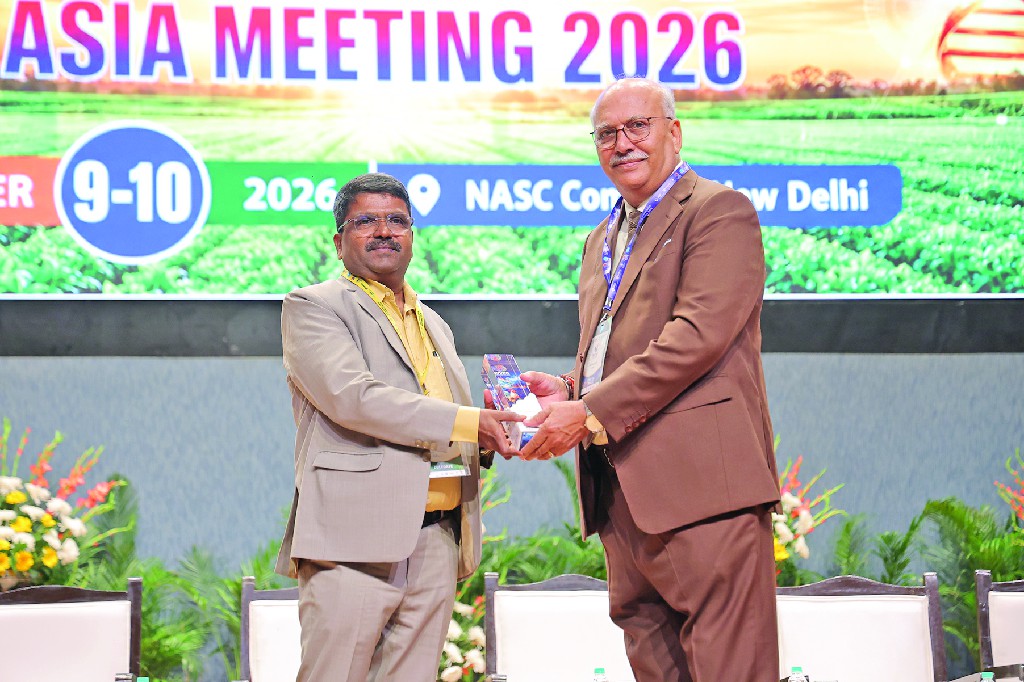
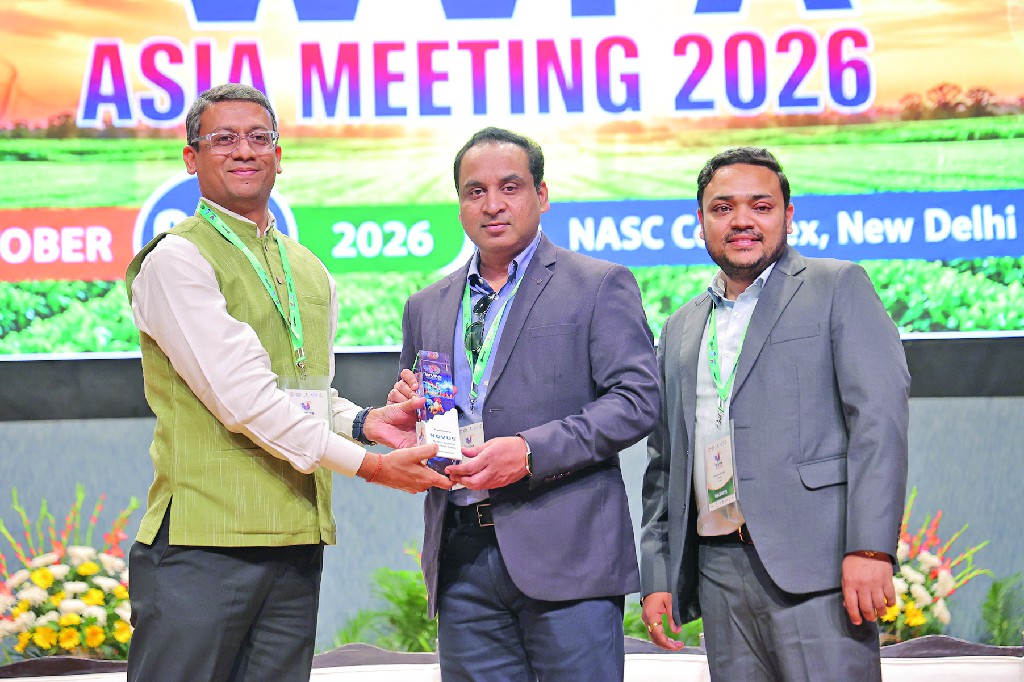
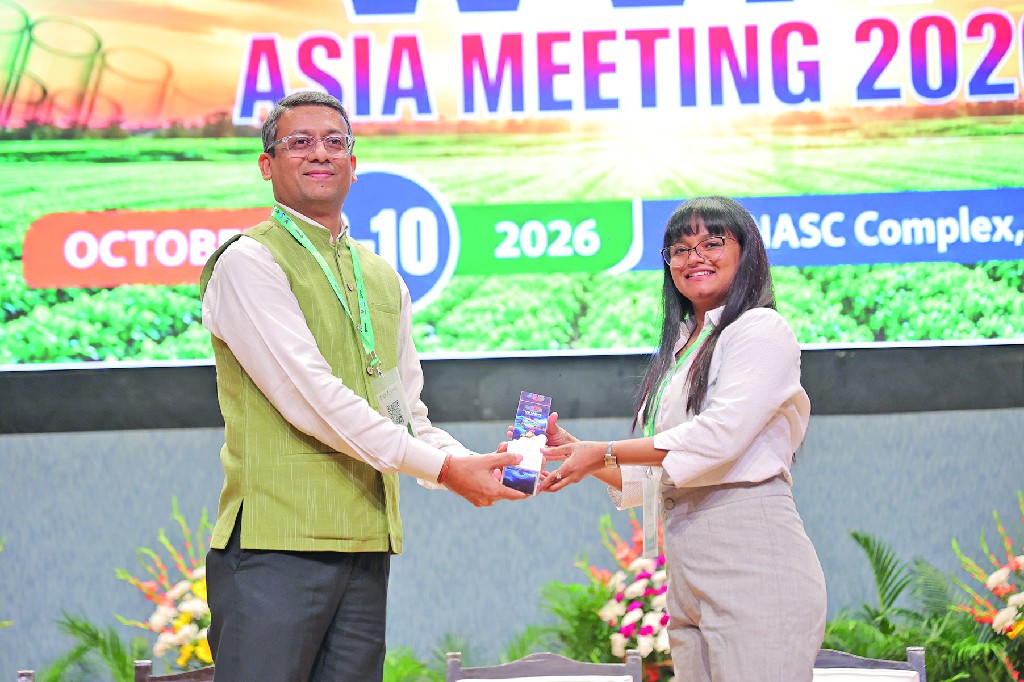
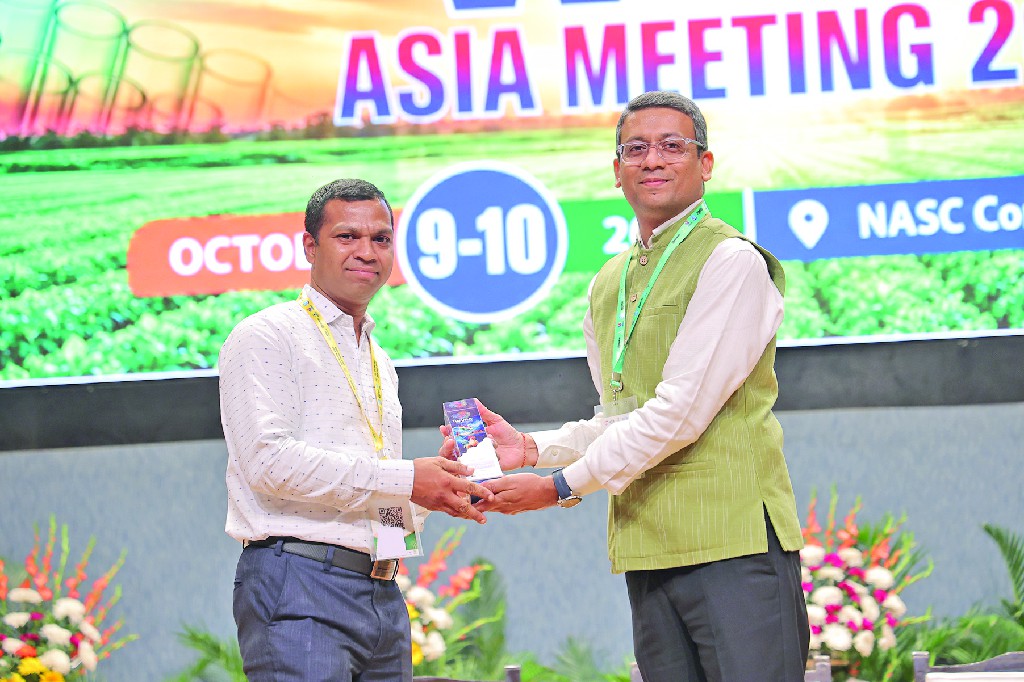
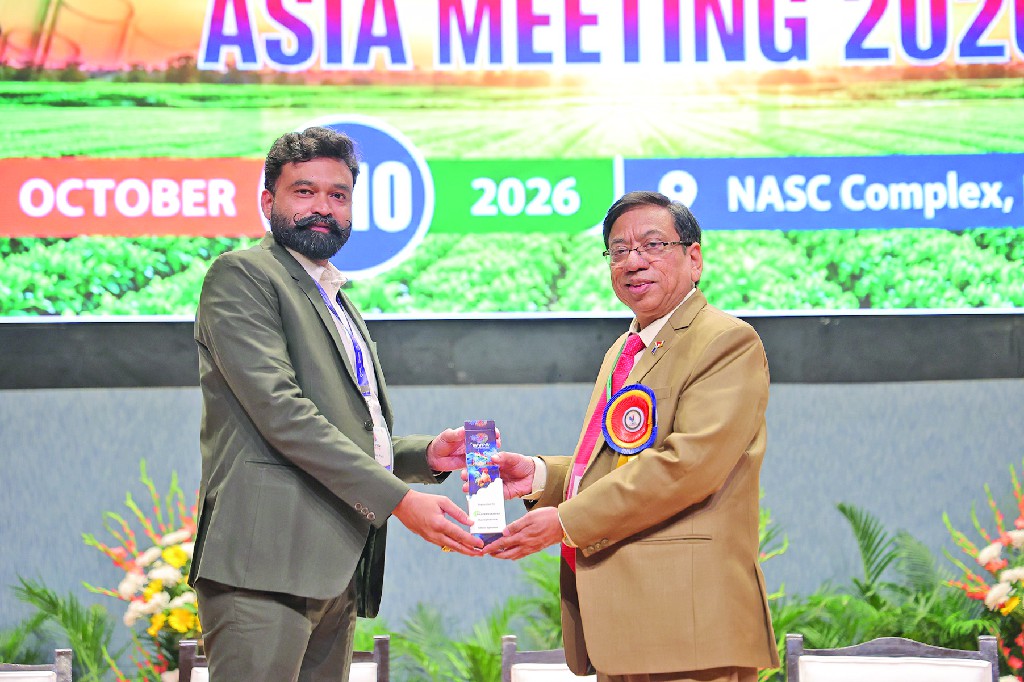
The wider programme also examined nutraceutical approaches and the contribution of nutrition and management to poultry health. Discussions reinforced the importance of combining sound husbandry, vaccination, biosecurity, nutrition, diagnostics and responsible antimicrobial practices rather than relying on any single intervention.
The AMR-focused discussions also aligned with the broader One Health approach, recognising that the responsible use of antimicrobials and the management of health risks in food-producing animals are relevant to animal health, public health and environmental stewardship.
Nutrition, Gut health and Sustainable poultry production
The Sustainable Nutrition and Alternative Feed Ingredients session featured Dr.InsaafRiahi (Spain) on mycotoxins in poultry production and Dr.Younis Ali (SAARC Agriculture Centre, Bangladesh) on good husbandry practices for safe poultry production in South Asia. Discussions covered alternative feed ingredients, nutrition and immunity, and practical strategies to support efficient and sustainable poultry production.
The programme also featured Dr. Esther Schonewille (Germany) on the influence of immunosuppression on vaccination success; Dr.NuveePrapasarakul (Thailand) on postbiotic nutrition pathways and measurable poultry performance; and Dr. Gunther Antonessen (Belgium) on automated monitoring of broiler health and welfare. These presentations reflected the importance of integrated flock management, nutrition, welfare and preventive health measures.
These discussions reflected a growing emphasis on integrated flock management, in which nutritional strategies, welfare, biosecurity and preventive health measures are considered together. The programme also addressed poultry breeding and genetics, climate change and water resource management, recognising that resilient production systems require attention to both biological performance and environmental sustainability.
Advancement in Safe Meat and Egg Production
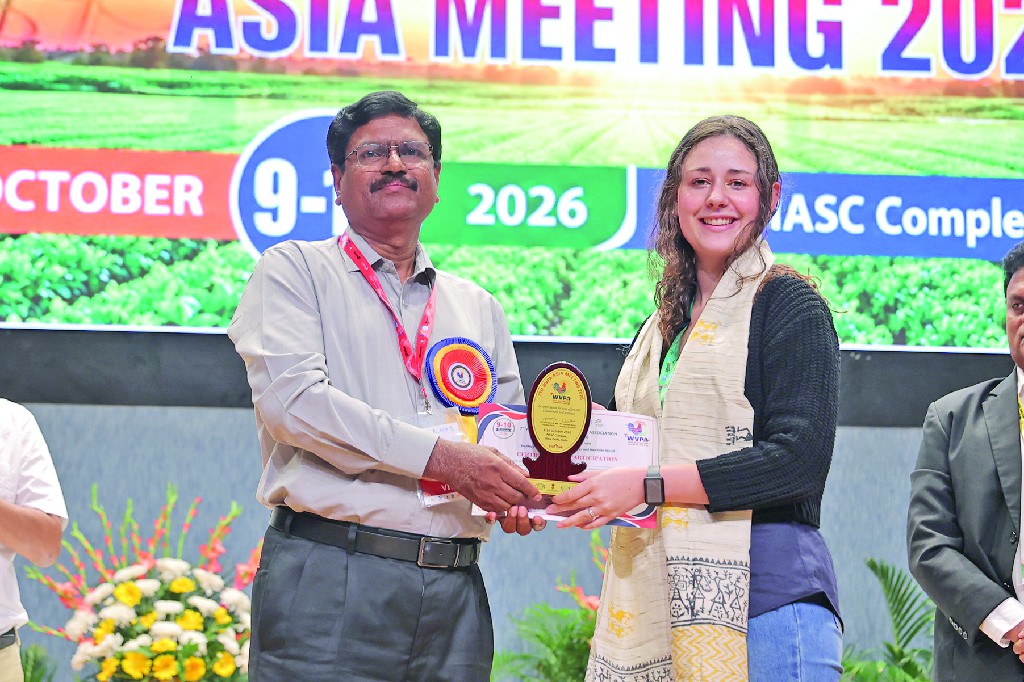
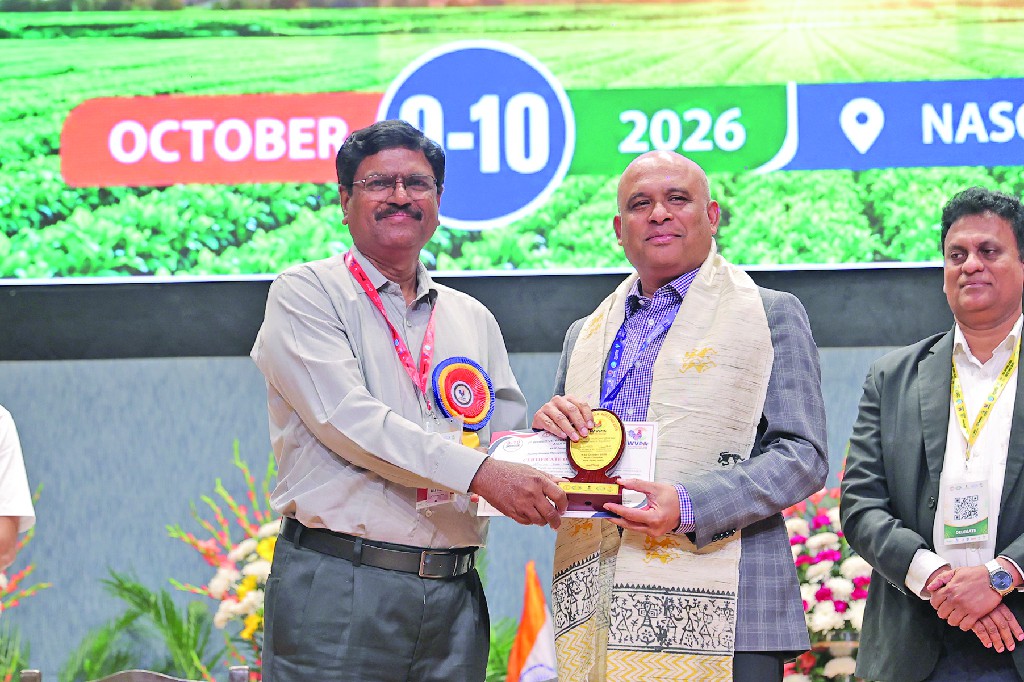
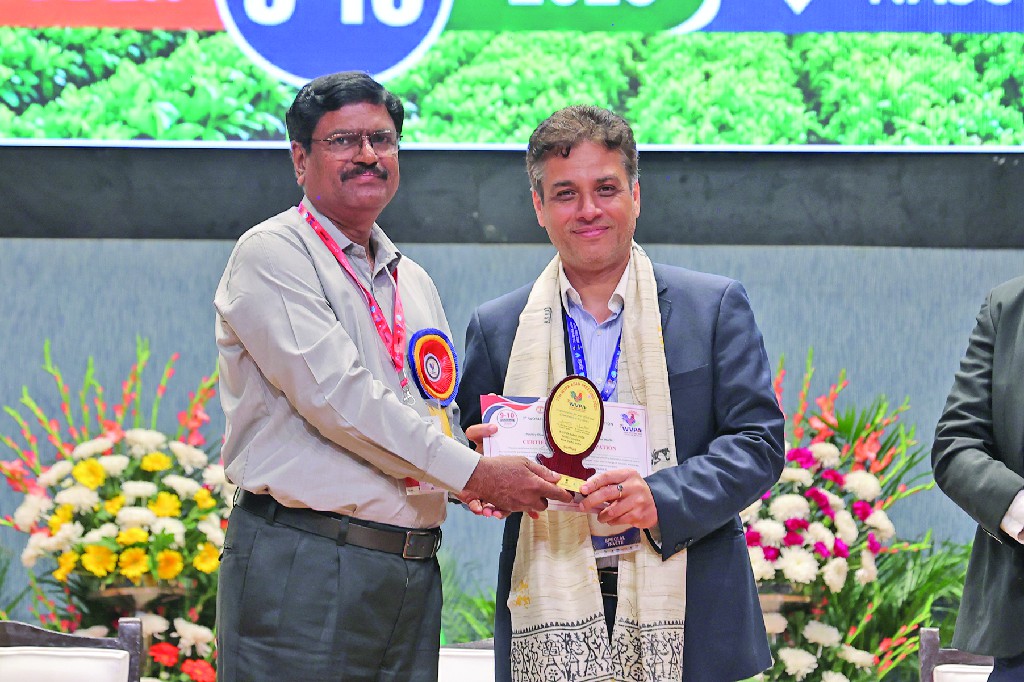
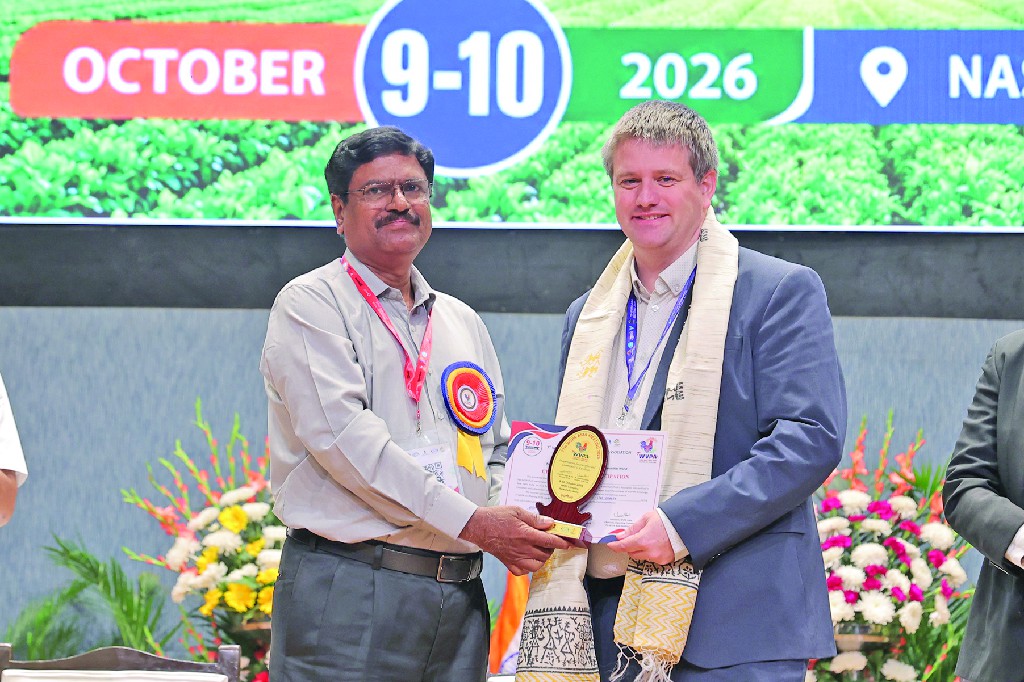
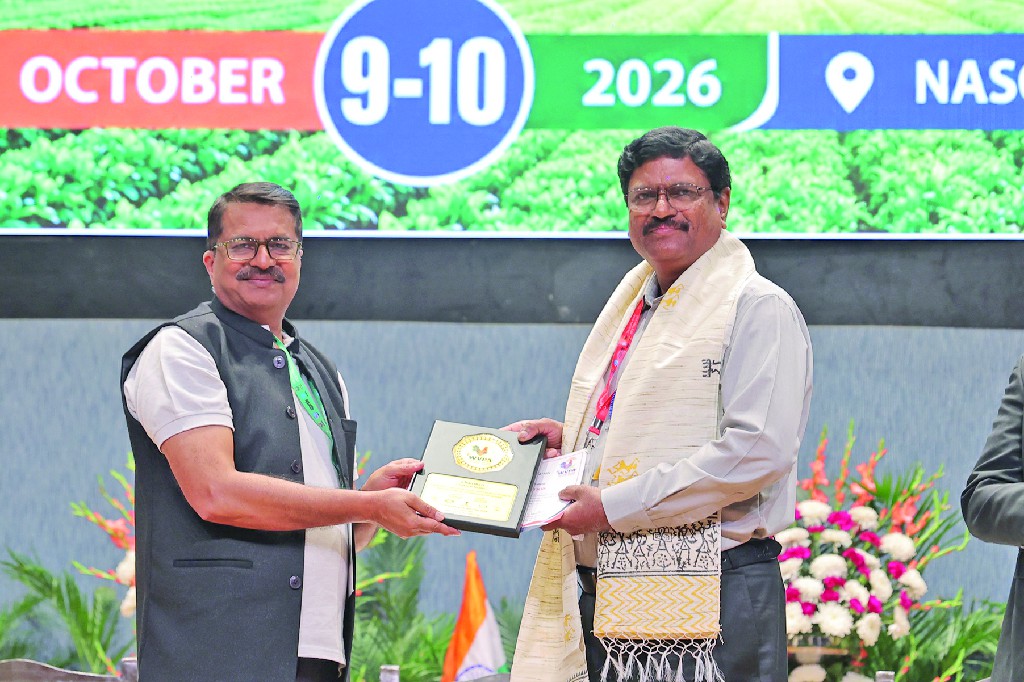
The Advancement in Safe Meat and Egg Production session addressed food safety and the management of health risks throughout poultry production. Speakers included Prof. Clara Oranga (Spain), who discussed controlling resistant zoonotic Salmonella at farm level, and Dr.AbhinavUpadhayaya (USA), whose presentation focused on harnessing nature and nanotechnology to improve pre-harvest and post-harvest poultry safety. The session also included oral presentations on safe meat and egg production.
The session reinforced the importance of integrating farm-level prevention, sound husbandry, hygiene and biosecurity with food safety measures to protect consumers and strengthen confidence in poultry products.
Nutritional, Parasitic, Immunosuppressive and Metabolic Health
The Nutritional, Parasitic, Immunosuppressive and Metabolic Diseases session examined interactions among nutrition, immunity, parasitic challenges and metabolic health. Dr. Nikita Deshmukh (India) presented on mitochondrial dysfunction and hepatic lipotoxicity as metabolic drivers of reproductive failure in broiler breeders, while other oral presentations addressed factors influencing bird health, productivity and reproductive performance.
The session emphasised the importance of integrated management strategies that consider nutrition, immune function, health monitoring and production conditions together.
Poultry Breeding and Genetics
The Poultry Breeding and Genetics session addressed research and innovation relevant to genetic improvement and sustainable poultry production. The programme included oral presentations in this area, providing a platform for researchers to share findings on breeding strategies and the development of productive, resilient poultry populations.
Climate Change and Water Resource Management
Climate change and water resource management were represented in the scientific programme and poster presentations. These topics broadened the meeting’s focus to include environmental conditions and resource management as important considerations for sustainable poultry production.
The inclusion of this theme recognised the need for poultry systems to respond to changing environmental pressures while maintaining production efficiency, bird welfare and food safety.
One Health, Biosecurity and Food safety
The meeting’s scientific scope extended beyond flock-level health to include safe meat and egg production, zoonotic risks, surveillance, biosecurity and One Health. Presentations addressed the control of zoonotic Salmonella, poultry safety from pre-harvest to post-harvest, and the use of good husbandry practices to support safe production.
The Disease Surveillance, One Health and Biosecurity session included Prof.Naola M. Furguson (USA) on avian mycoplasmosis and Dr.GounalanPavade (WOAH, France) on high pathogenicity avian influenza, international standards and tools for prevention and control. The programme also featured Dr. Marc Henninger (France) on controlling zoonotic Salmonella, and Dr.TeguhYadiantaraPrajitno (Indonesia) on vaccination as a cornerstone of avian influenza control. These presentations highlighted coordinated surveillance, biosecurity and international cooperation.
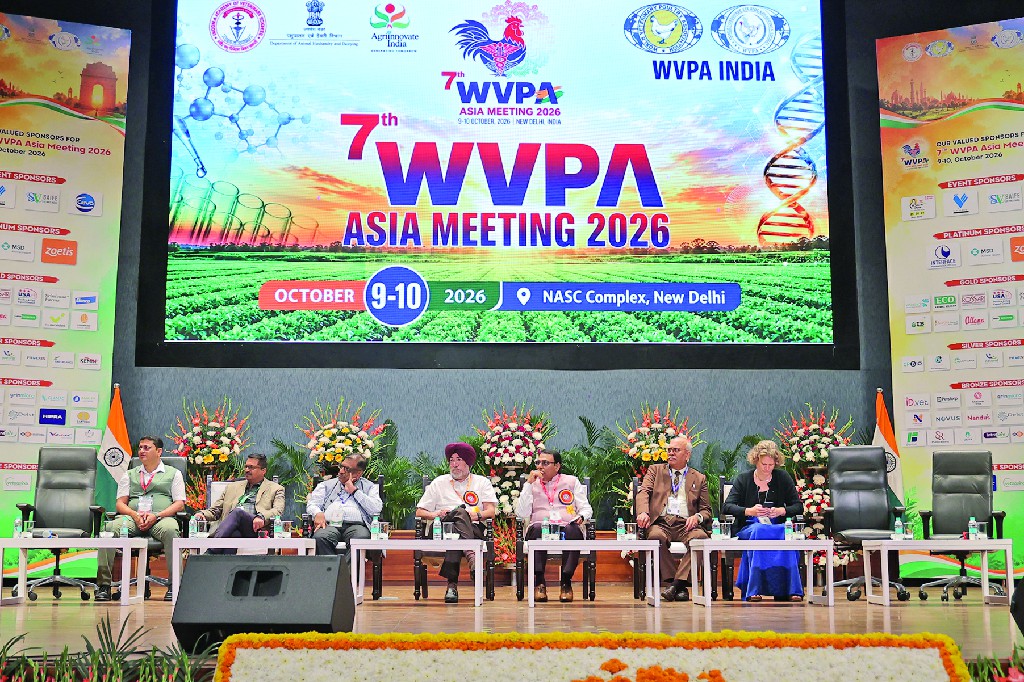
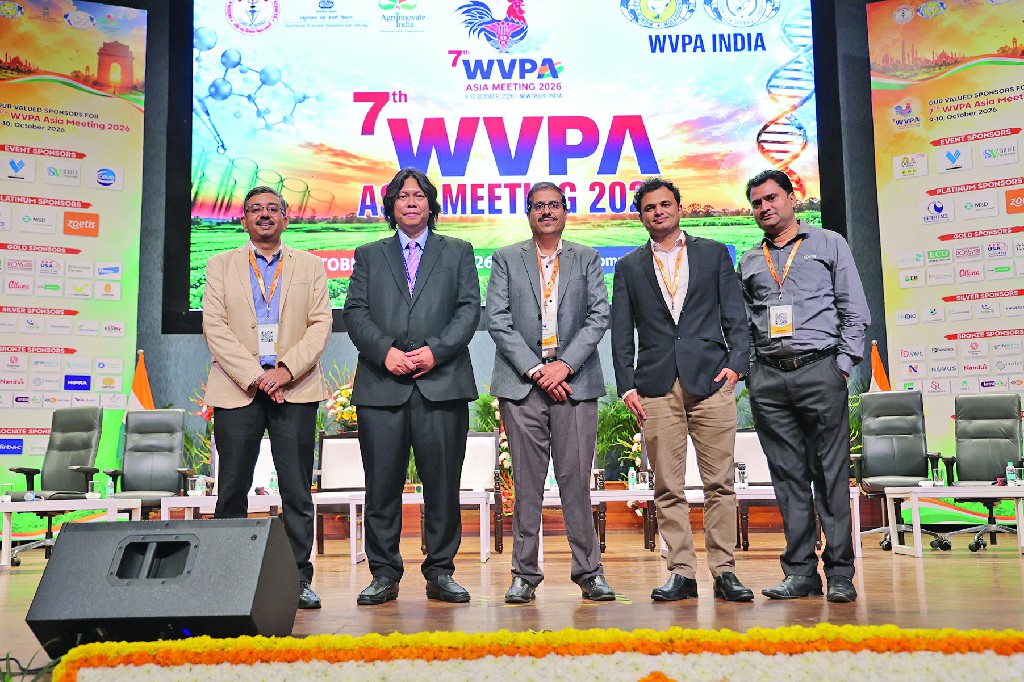
The panel discussion, “One Health, One Poultry: Integrating Academics, Industry and Policy for a Disease-free Future,” was moderated by Dr. Pankaj K. Shukla, former Joint Commissioner (Poultry), DAHD. It brought together perspectives on connecting research, industry and policy to support practical implementation, poultry health, food safety, public health and environmental protection.
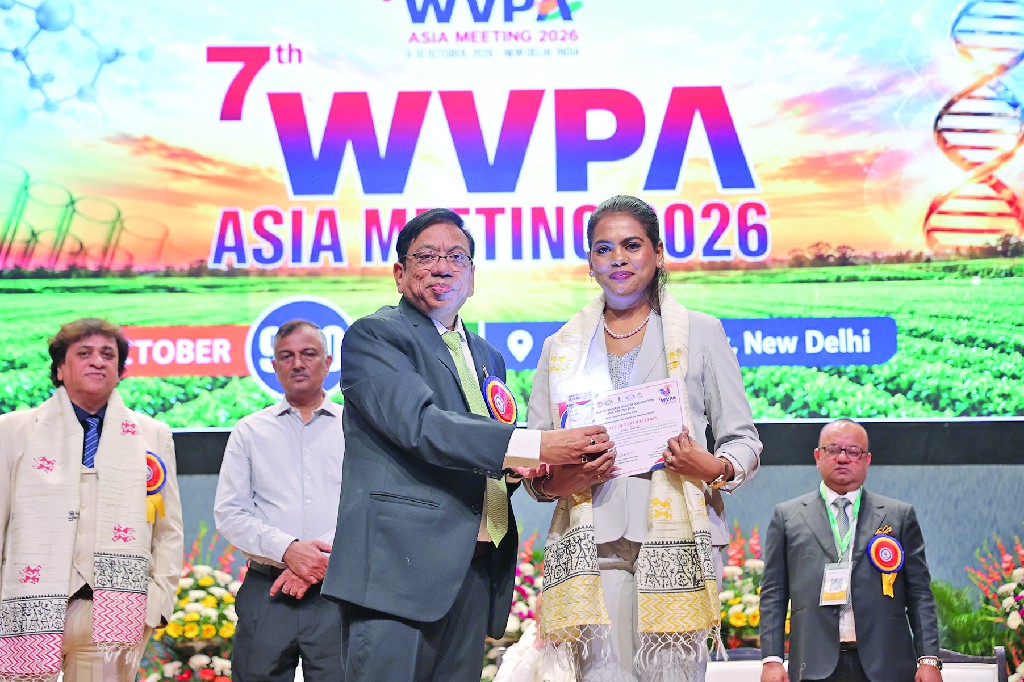
Research translation, young scientists and scientific communication
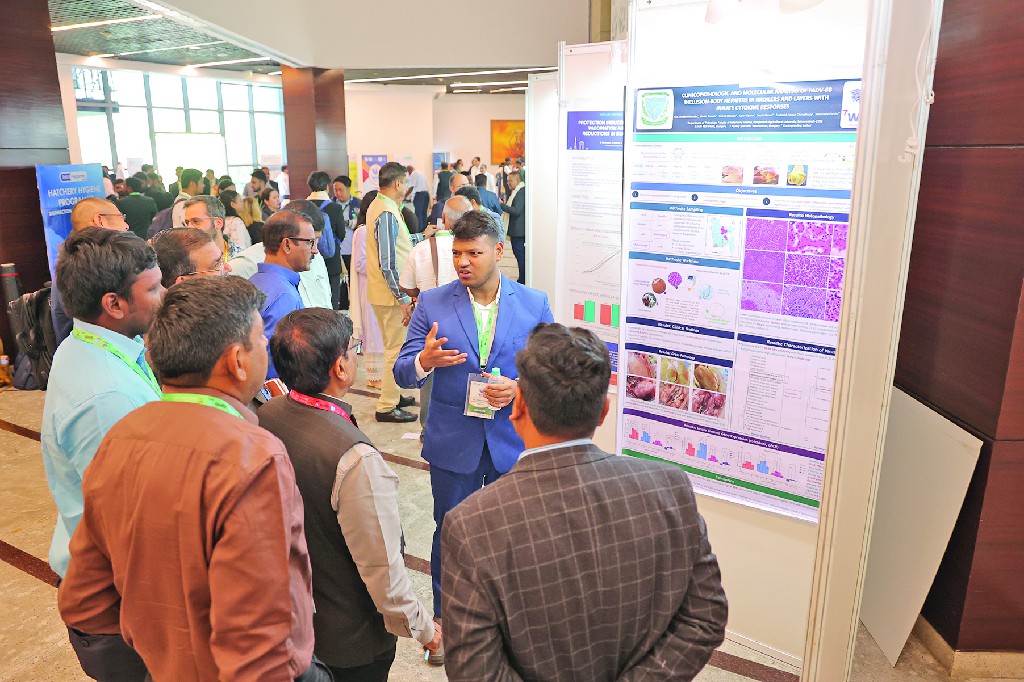
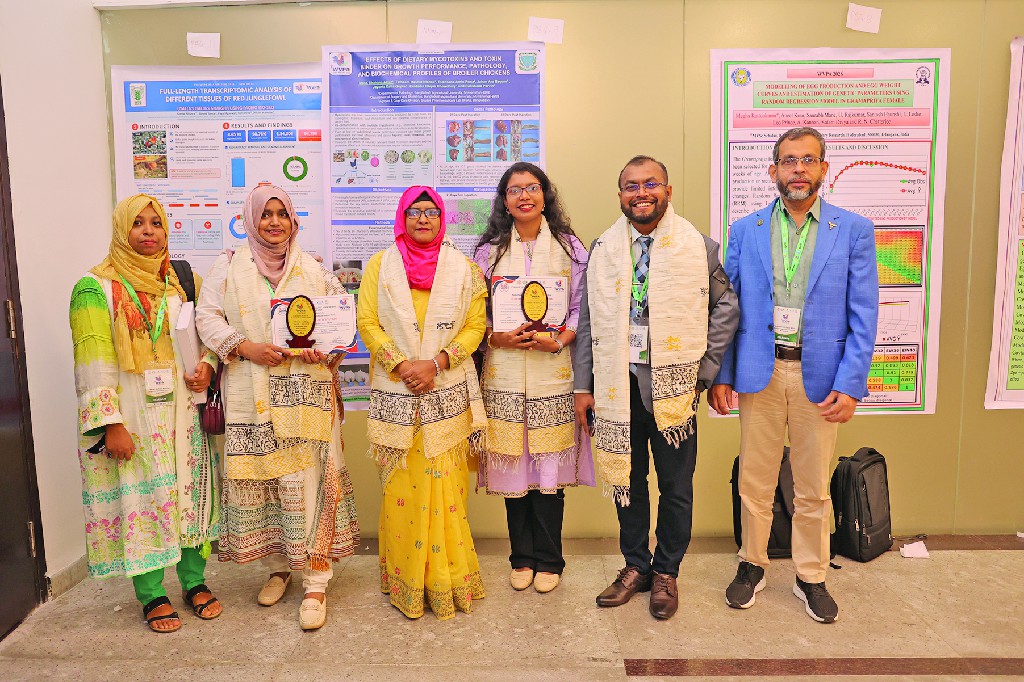
Oral and poster presentations enabled researchers to share findings across the meeting’s scientific themes. The programme included presentations on diagnosis-driven strategies for avian mycoplasmosis by Dr. Javier Uriarte (Spain); conserved-protein-directed immunity by Dr. Robin Achari (Australia); poultry immunity by Dr.AvinashDhawale (India); deuterium as a vaccine thermostabiliser by Dr. Anju Nayak (India); and avian intestinal spirochaetosis in commercial layers by Dr. R. Chanthirasekaran (India). Other invited contributions included Prof. Ken Bufando (USA) on challenges in controlling Eimeria infections, Dr. Steven Goh (Malaysia) on the hidden impact of processed feed pellets on gut health, Dr. Dina Joardar (USA) on nutrition and immunity, Dr. Scott Dawson (Thailand) on meeting Asia’s future poultry needs, Dr.VorachaiLeethochawalit (Thailand) on shell-to-skeleton development, and Dr.AbhinavUpadhayay (USA) on USPEEC.
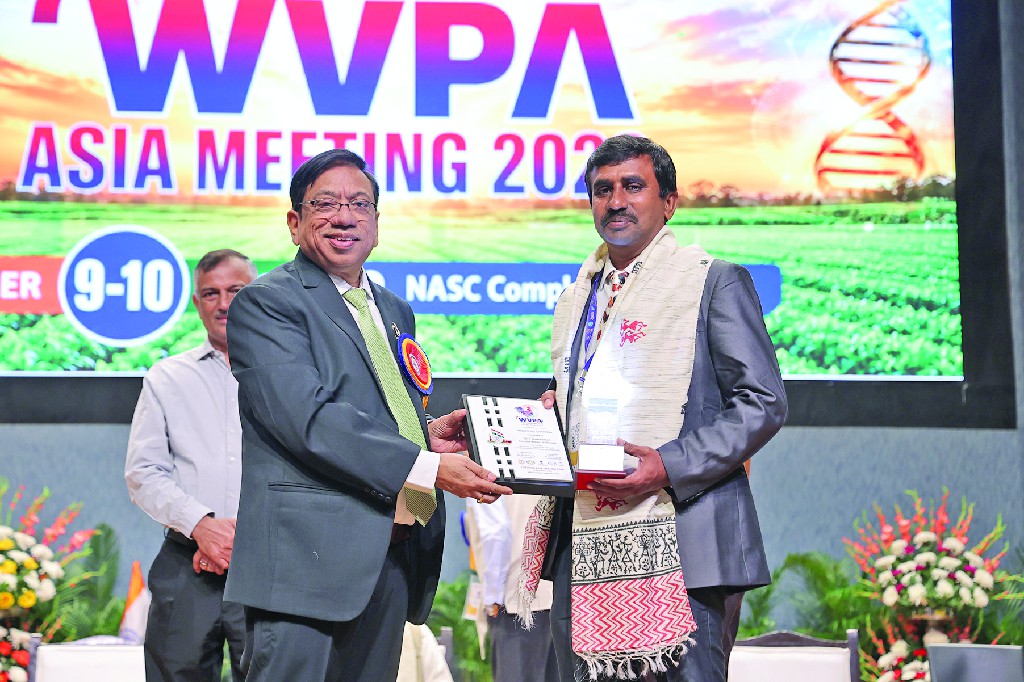
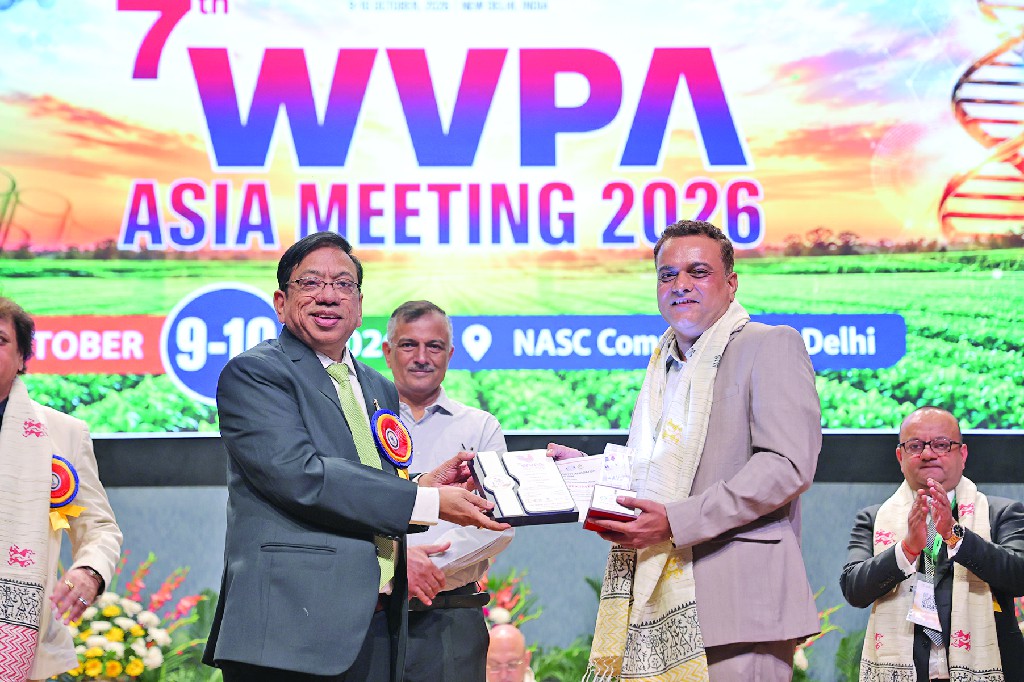
The student and young scientist programme supported early-career researchers through scientific presentations and interaction with experienced experts. The programme also included a Student Elocution Programme, providing students with an opportunity to communicate scientific ideas, build confidence in public speaking and engage with current issues in poultry health and production. The Avian Pathology authors’ session, including Prof.Damer Blake (United Kingdom) on publishing in the WVPA journal Avian Pathology, further encouraged scientific writing and dissemination.
The breadth of the programme demonstrated the value of providing researchers with opportunities not only to present their work but also to interact with experienced scientists, industry specialists and international experts. The travel-grant support provided through WVPA India and WVPA Global added an important dimension to this effort by enabling wider participation.
Industry engagement and the way forward
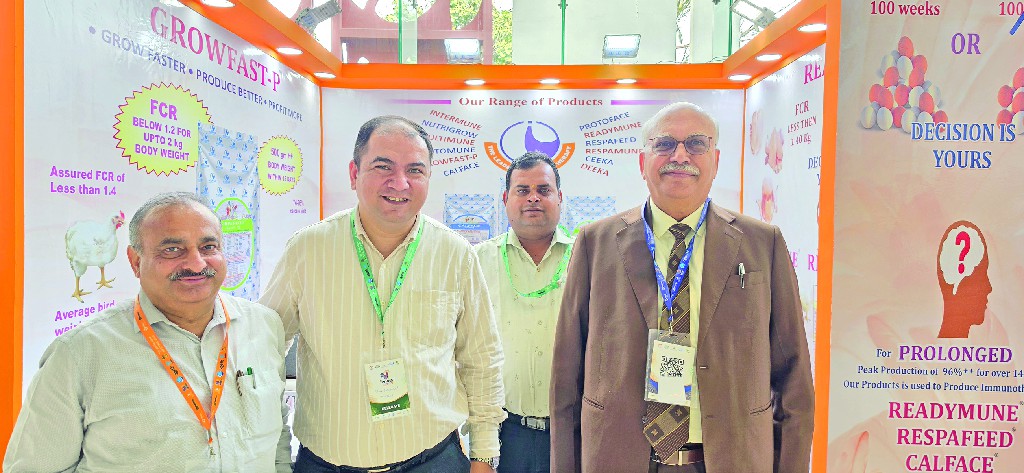
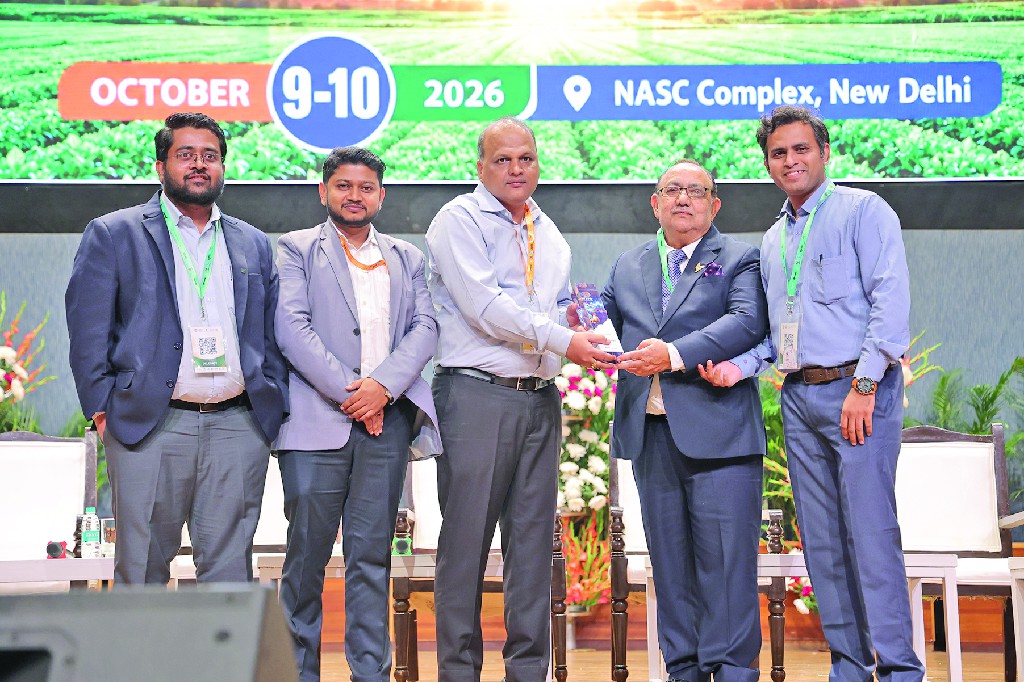
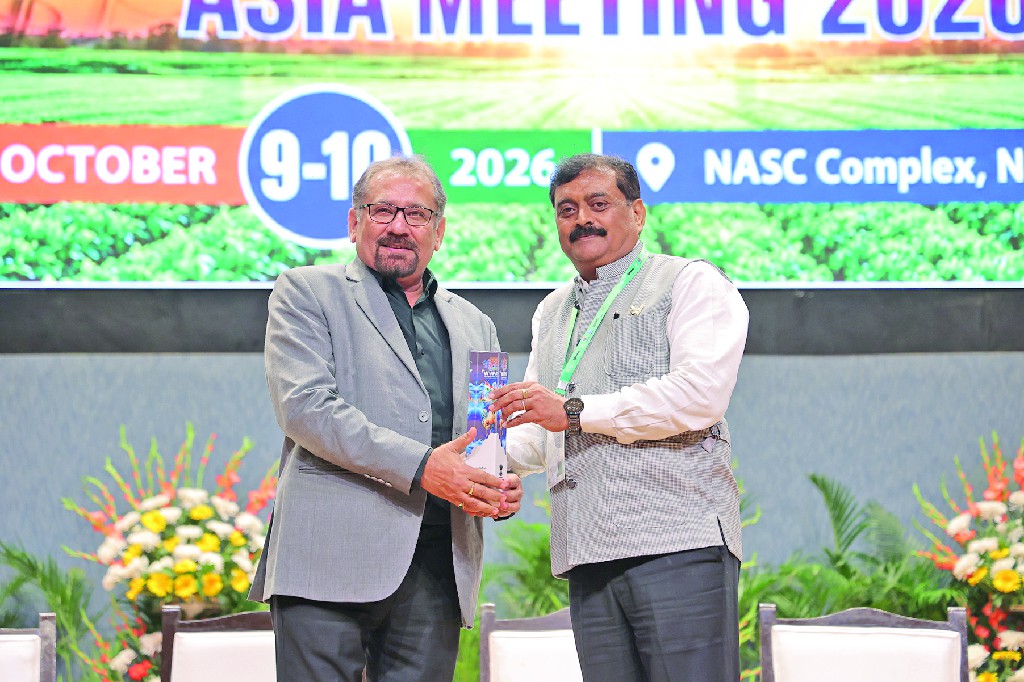
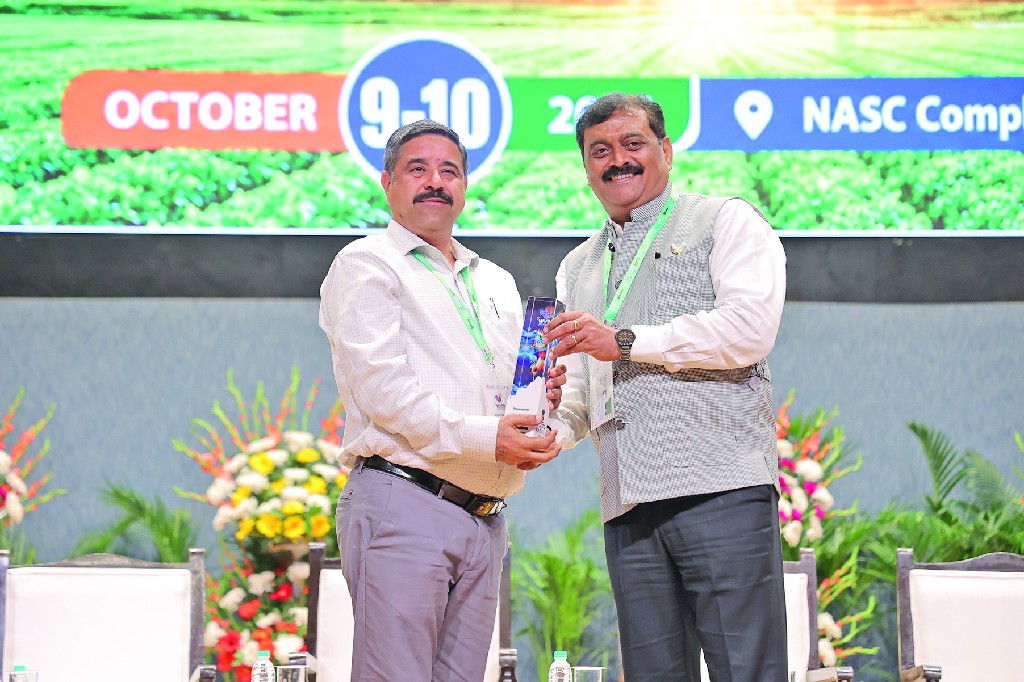
The meeting included industry-focused interactions, sponsor recognition and presentations addressing technological developments and practical needs in poultry production. Contributions from industry leaders and technical specialists complemented the academic programme, supporting dialogue on how scientific advances can be translated into workable solutions for poultry farms and production systems.
The discussions across the meeting pointed towards several shared priorities: strengthening surveillance and diagnostic capacity; improving vaccination strategies and biosecurity; promoting responsible antimicrobial use; investing in nutrition and gut health; supporting safe meat and egg production; encouraging research and innovation; and building stronger links between veterinary institutions, public agencies and the poultry industry.
The meeting also underscored the importance of international scientific networks in responding to emerging and cross-border health challenges. Continued collaboration among researchers, professional associations, policymakers and industry stakeholders can help accelerate the translation of evidence into practical interventions, improve preparedness and support sustainable poultry production.
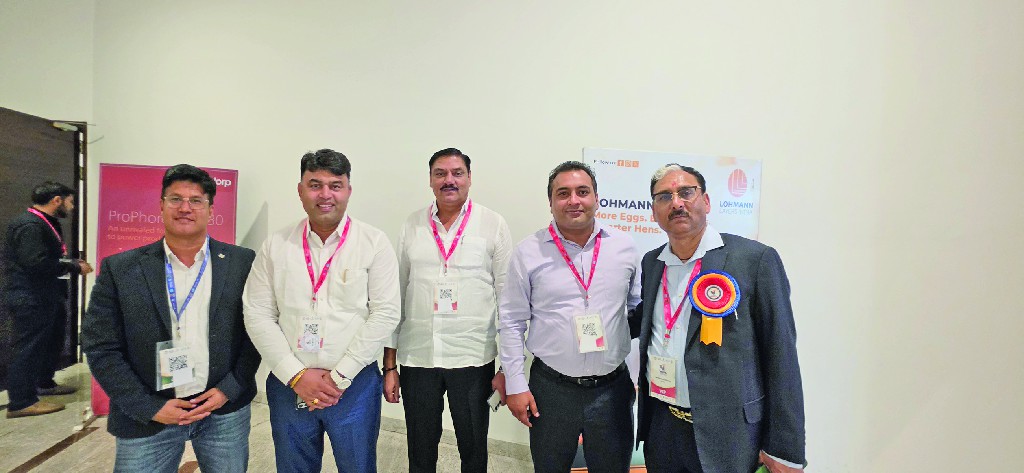
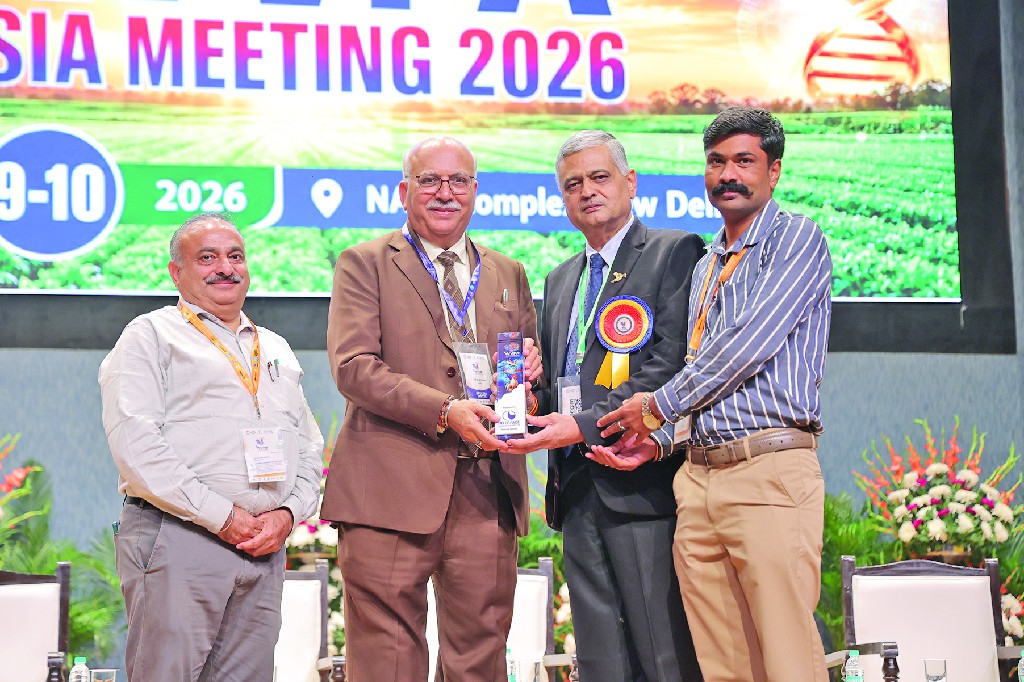
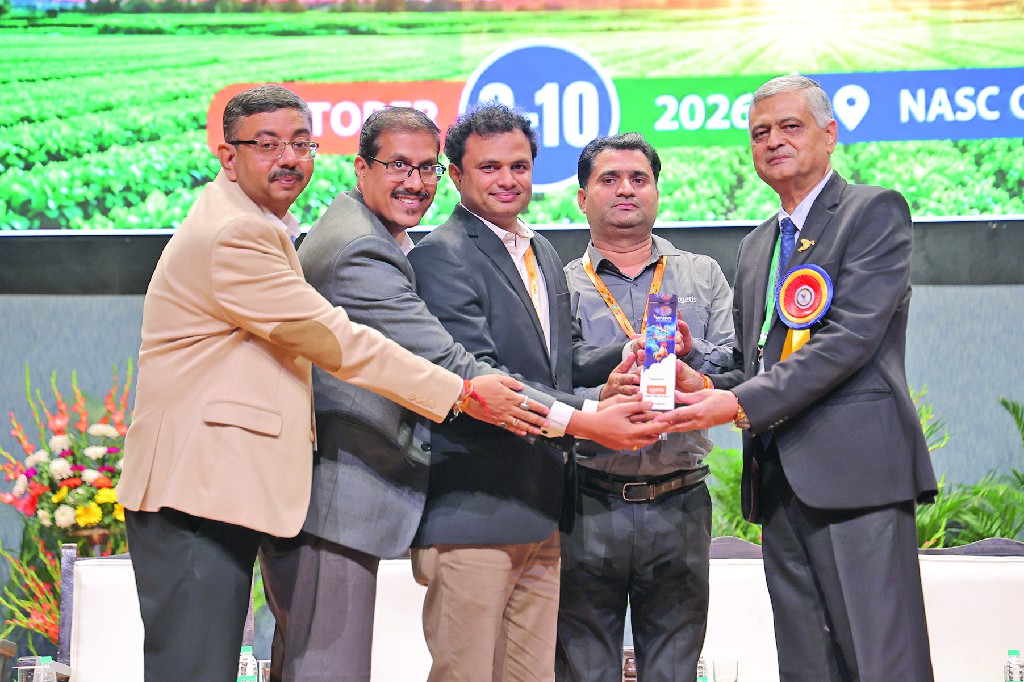
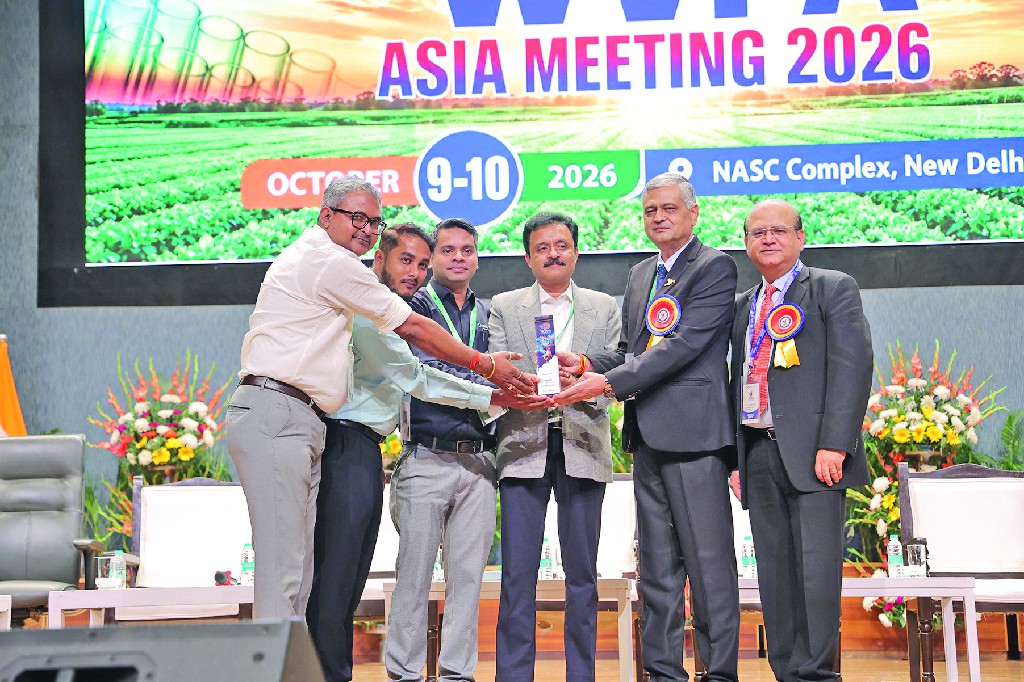
The meeting also benefited from the valuable contributions of distinguished scientific and industry leaders, including Dr. R. K. Jaiswal, President, IB Group; Dr.ArunAtrey, Managing Director and CEO, Zenex Animal Health India Pvt. Ltd.; Dr. D. K. Dey, Executive Director, Immeureka Animal Health Pvt. Ltd.; and Dr. Ali Asgar, Managing Director, SaifeVetmed. Industry participation also included Mr. Suresh Chitturi, Managing Director, Srinivasa Farms; Mr. Ricky Thaper, Joint Secretary, Poultry Federation of India; and Mr. Sanjiv Gupta, Managing Director, Khushboo Feed Mills. Mr. Vasu Agarwal and Mr. RajeevanVattakat, listed among the industry leaders associated with the meeting, further represented the importance of industry engagement and collaboration. Their collective involvement reflects the strong partnership between veterinary science, animal-health companies, poultry producers and industry organisations in advancing poultry health, innovation and sustainable production.
A platform for global scientific exchange
With 576 participants and 83 travel grants—44 supported by WVPA India and 39 by WVPA Global—the 7th WVPA Asia Meeting 2026 provided a significant forum for scientific exchange and professional engagement in poultry health. The combination of international expertise, technical sessions, research presentations and industry participation strengthened the meeting’s role as a platform for collaboration across disciplines and regions.
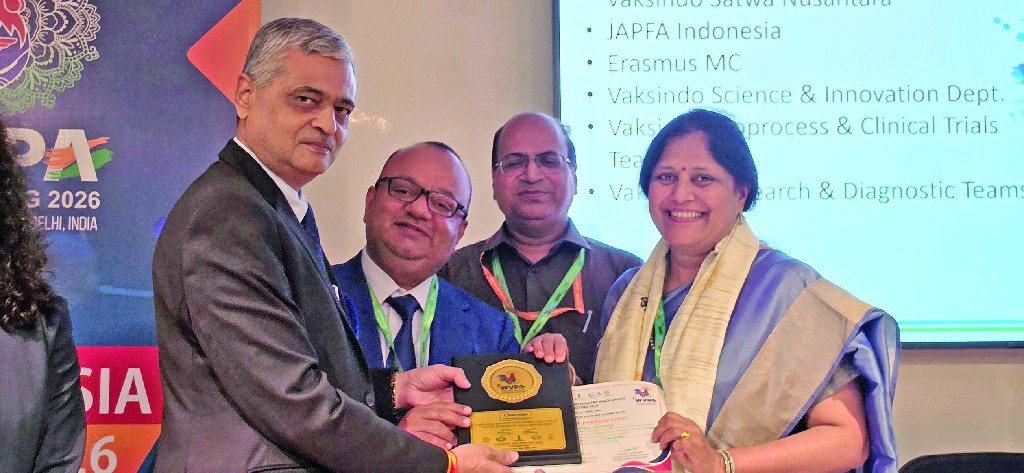
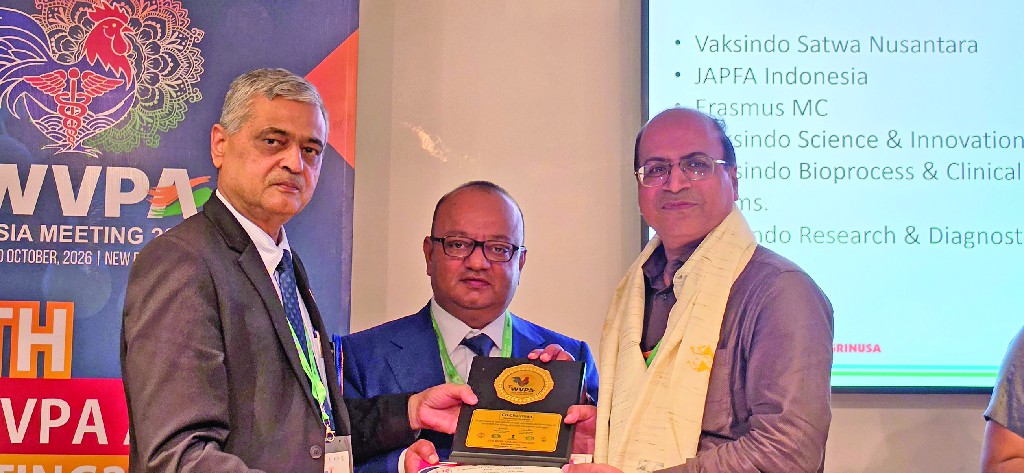
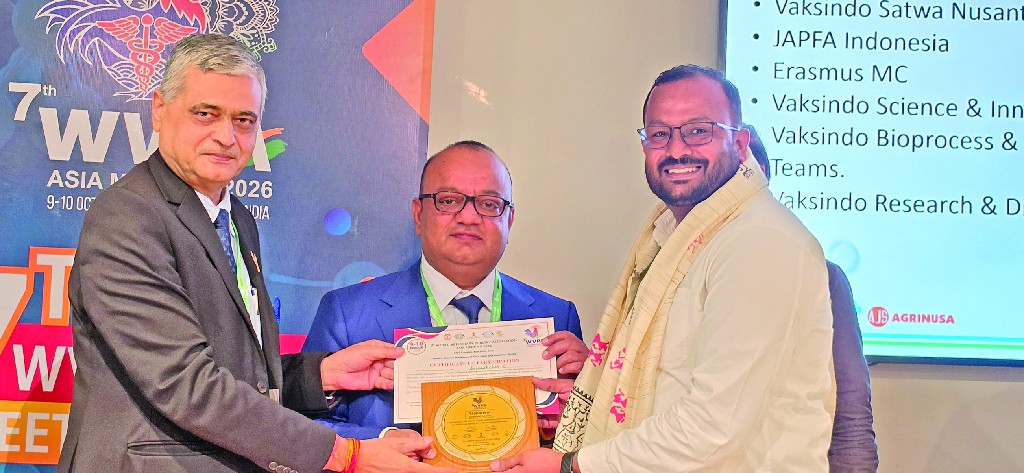
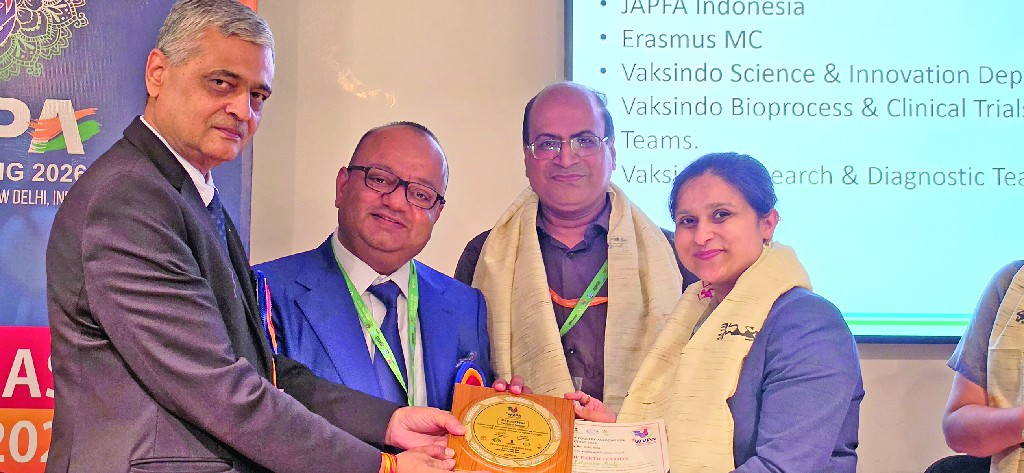
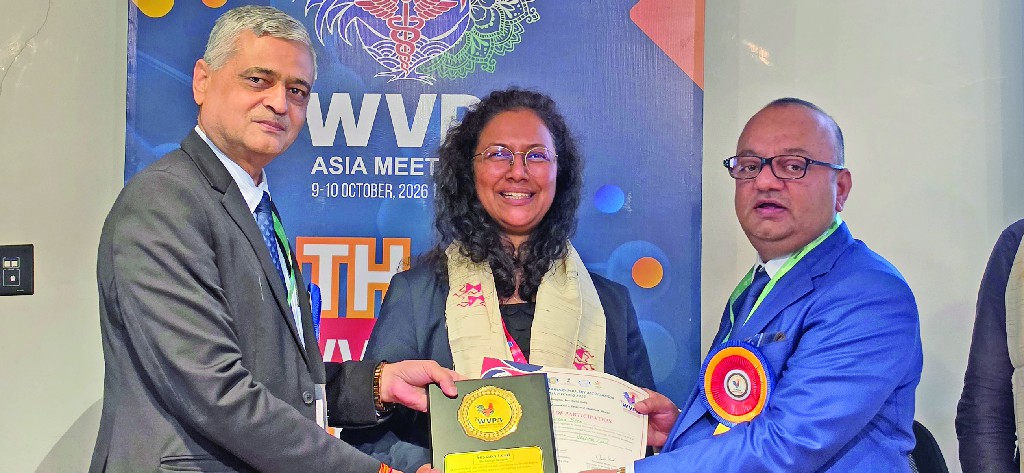
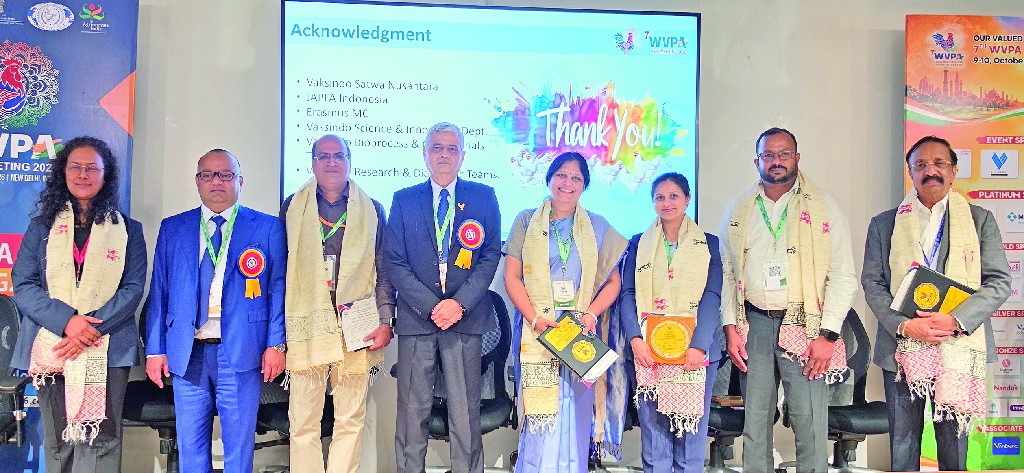
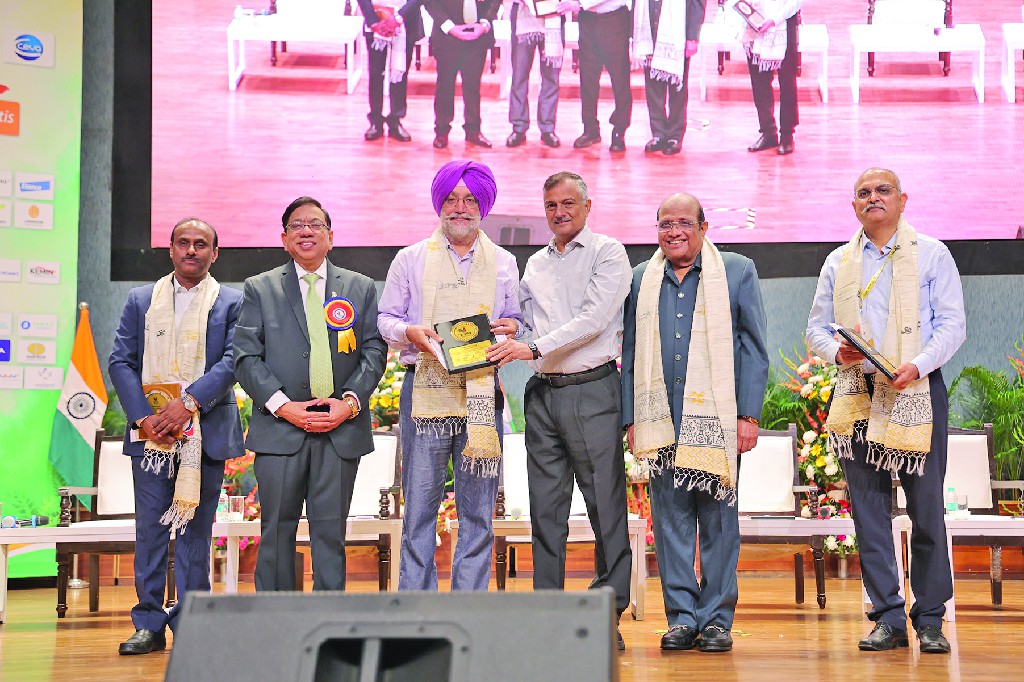
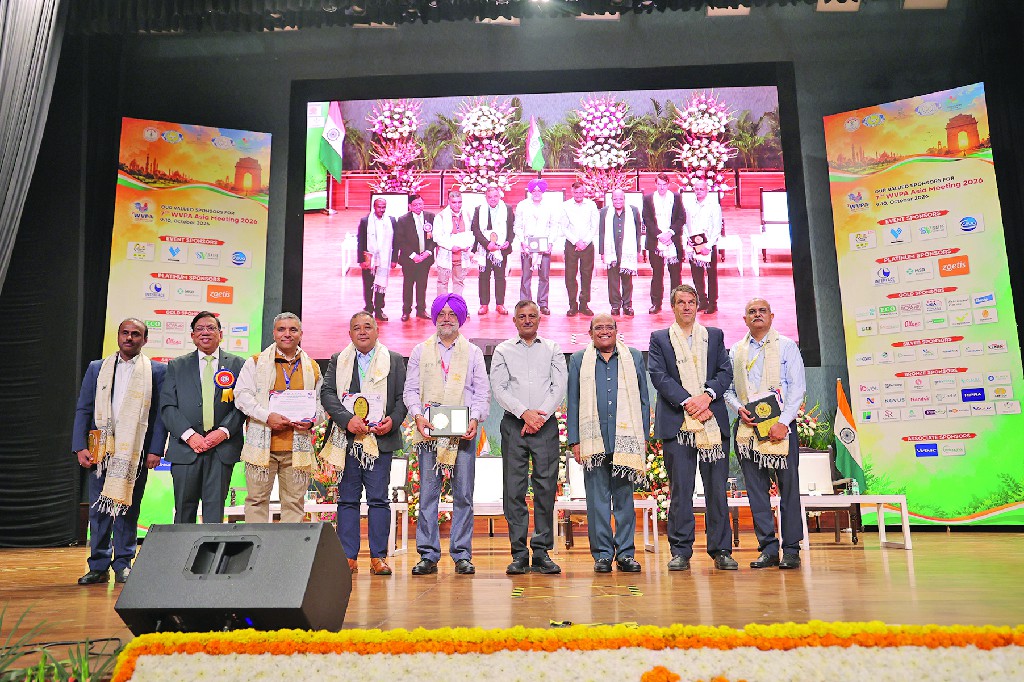
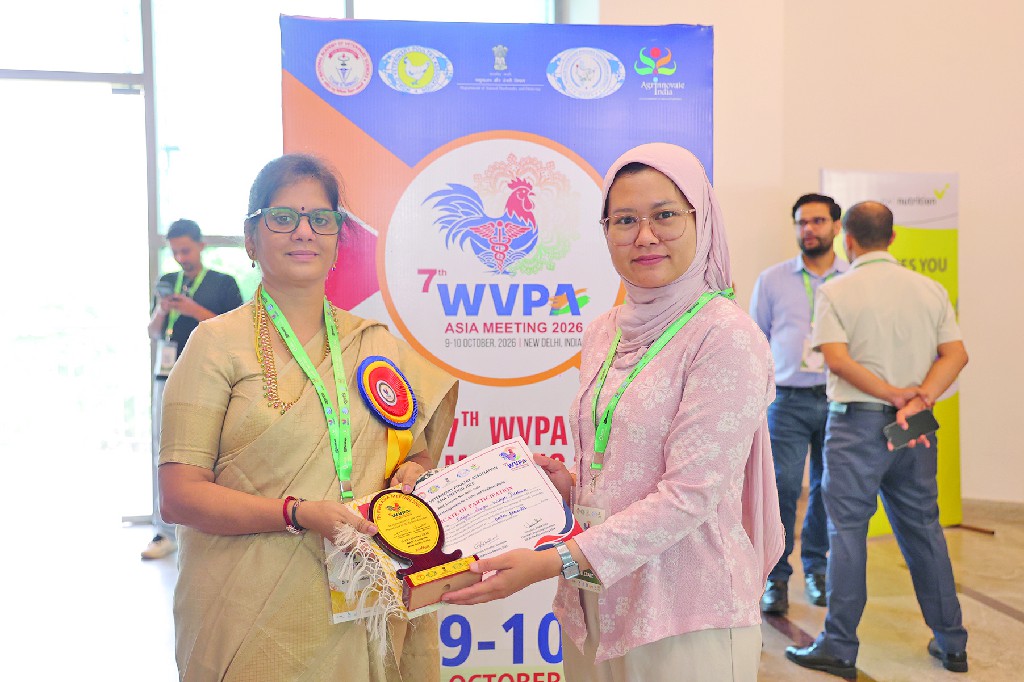
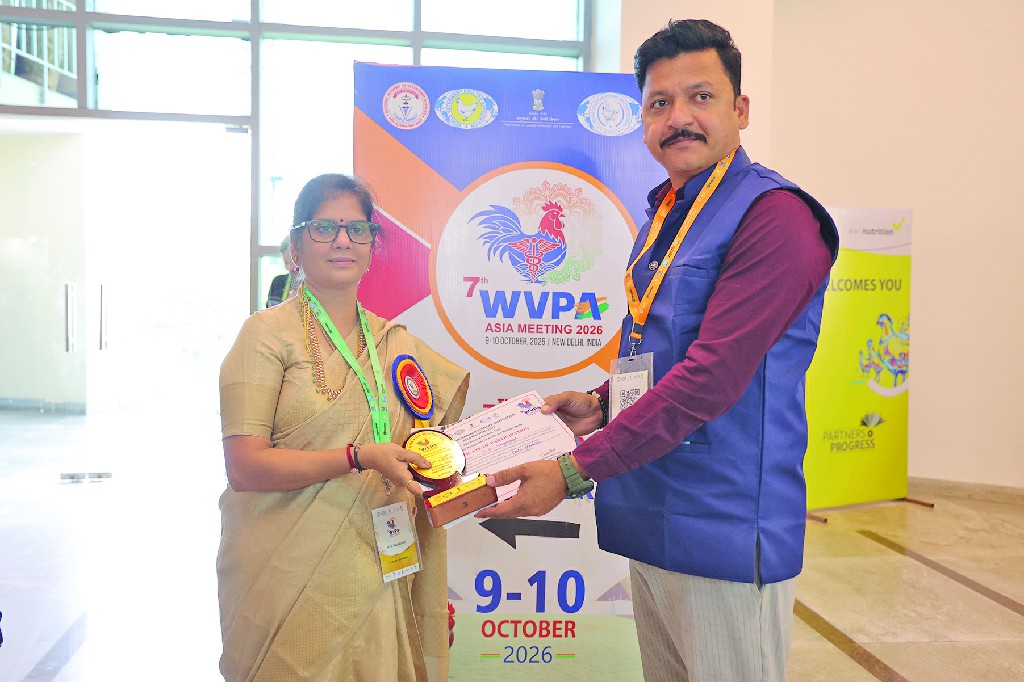
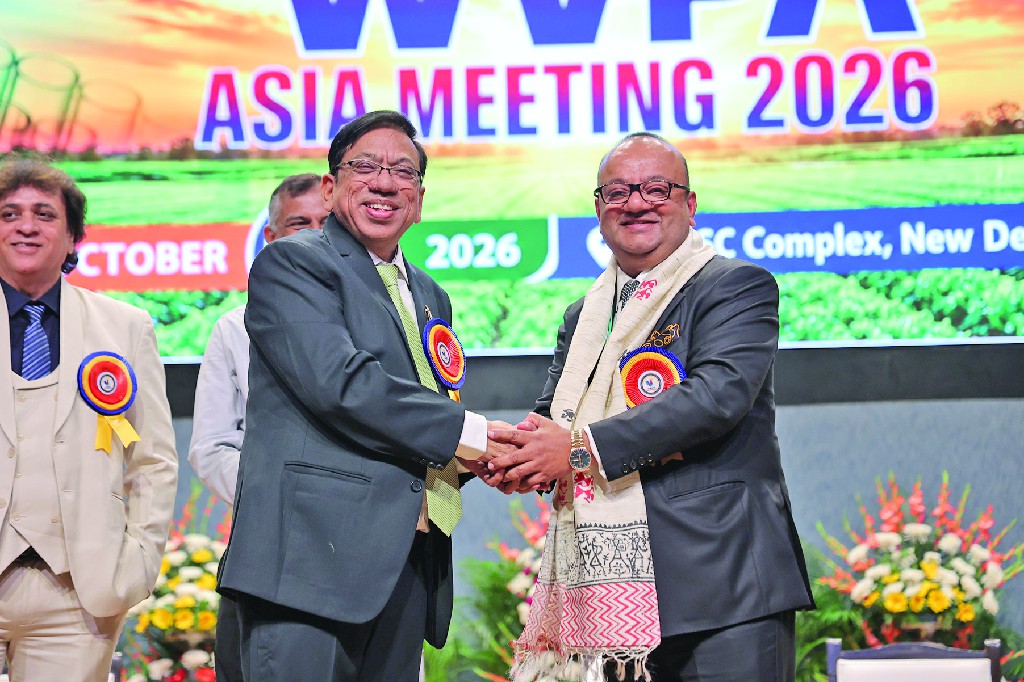
The meeting concluded on 10 October 2026 with a valedictory and closing ceremony, bringing the scientific programme to a close and recognising the contributions of speakers, session chairs, researchers, sponsors, organisers and participants.
By bringing together science, field experience and industry perspectives, the 7th WVPA Asia Meeting 2026 reinforced the need for integrated, evidence-based approaches to poultry health and production. Its central message was clear: improving poultry health and welfare, protecting food safety, addressing antimicrobial resistance and strengthening biosecurity require sustained collaboration across veterinary science, industry, policy and the wider One Health community.
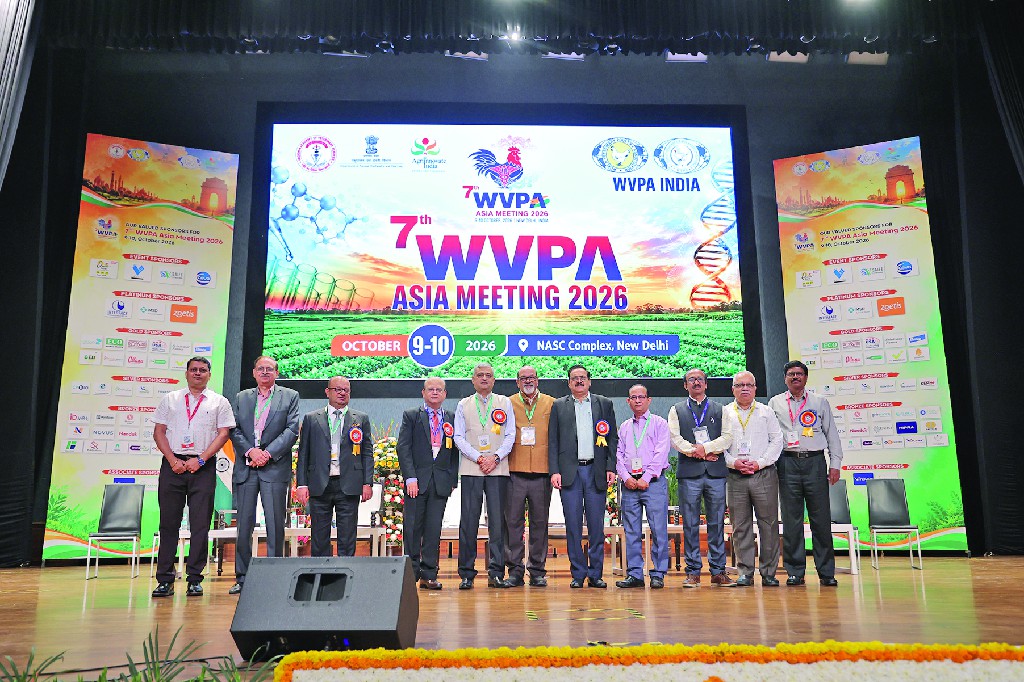
The WVPA India team, under the leadership of Dr.Jeetendra Varma, President, played a pivotal role in organising the 7th WVPA Asia Meeting 2026. The team including Vice-Presidents Dr.Ajit S. Ranade, Dr. Pankaj K. Shukla and Dr.Shailendra Das; Dr.Shirish Nigam, General Secretary; Dr.Bichitra Barman, Joint Secretary-cum-PRO; Dr. P. G. Phalke, Treasurer; and Executive Members Dr. Dinesh K. Arora, Dr. D. Nagalakshmi and Dr. V. Gowthaman significantly contributed to the success of this important scientific gathering.
The meeting also acknowledged the support of press and media and the participation of exhibiting companies. These contributions helped strengthen scientific outreach, industry engagement and the overall exchange of knowledge.