Jolien van Soest – Global Solution Manager – Mineral
Nutrition Sopaphan Pruekvimolphan – Technical Manager – APAC
Selenium (Se) is an essential trace mineral for animals, contributing to selenoprotein formation which is crucial for antioxidant defense, immunity, and thyroid function, all supporting growth, feed efficiency, and reproduction. During periods of stress—such as rapid growth, vaccination, heat, or illness—the demand for Se increases, and insufficient intake can diminish antioxidant protection, lower performance, and elevate health risks.
Unlike inorganic sodium selenite, L-selenomethionine (L-SeMet) is a superior form of Se supplement because it behaves like amino acids and can be naturally absorbed and integrated into animal proteins, allowing animals to build a Se reserve, which can be readily available in stress condition or pass it onto their offspring and eggs – allows higher Se and antioxidant status in young animals. Recognizing these differences emphasizes the importance of choosing the most suitable Sr source for optimal animal health and performance.
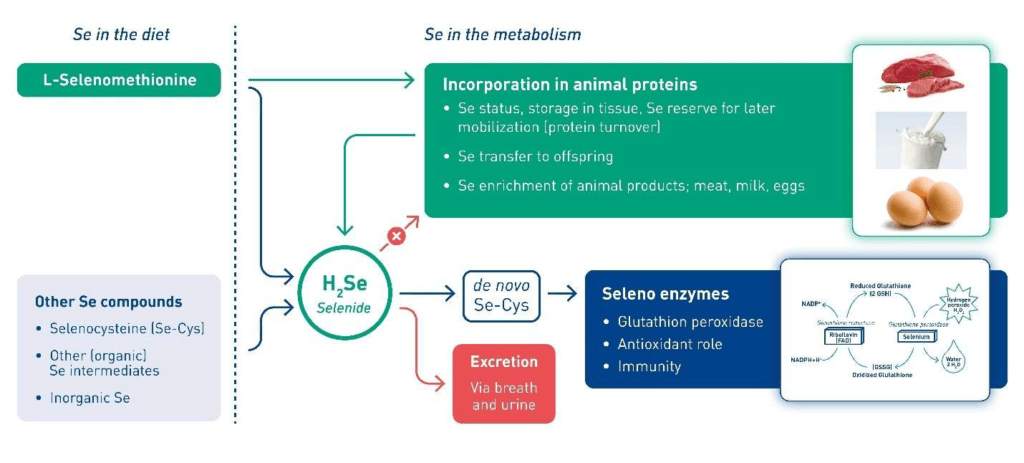
Figure 1: Metabolism of selenium
Poultry
Modern poultry production relies on genetics, management, and nutrition, with Se as an essential trace mineral. Supplementing breeders with organic Se, especially L-SeMet, boosts reproductive success, chick growth, antioxidant activity, immunity, feed efficiency, and meat quality. L-SeMet in breeder diets raises Se levels in eggs, resulting in healthier chicks.
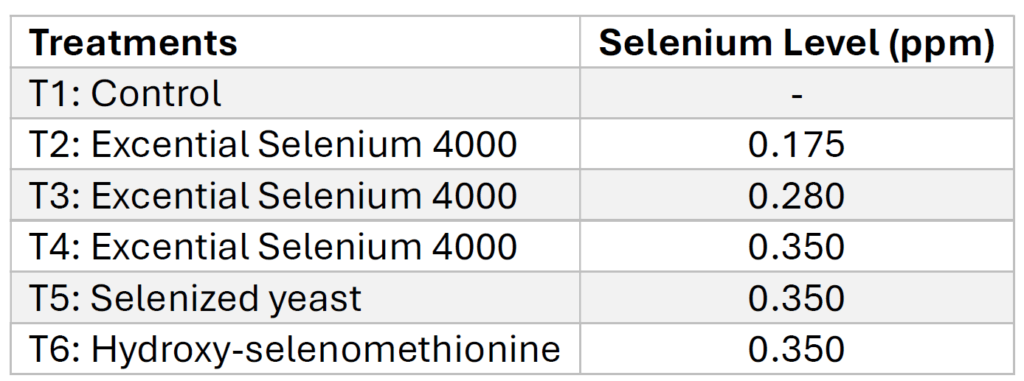
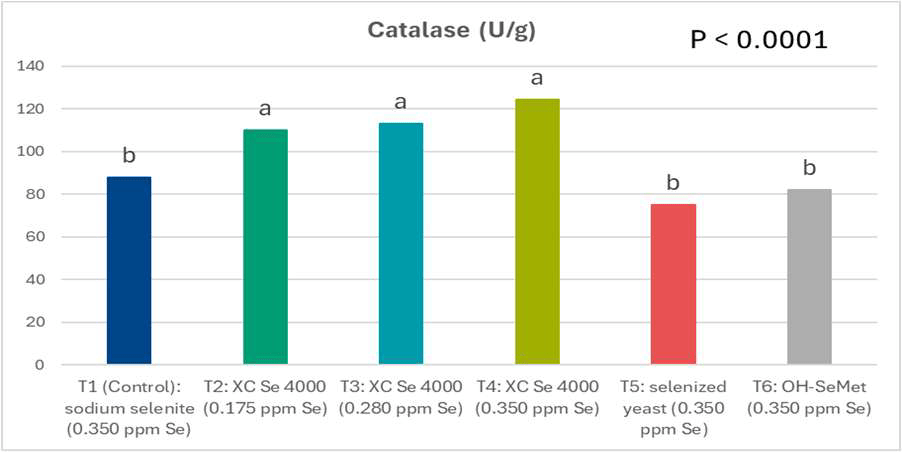
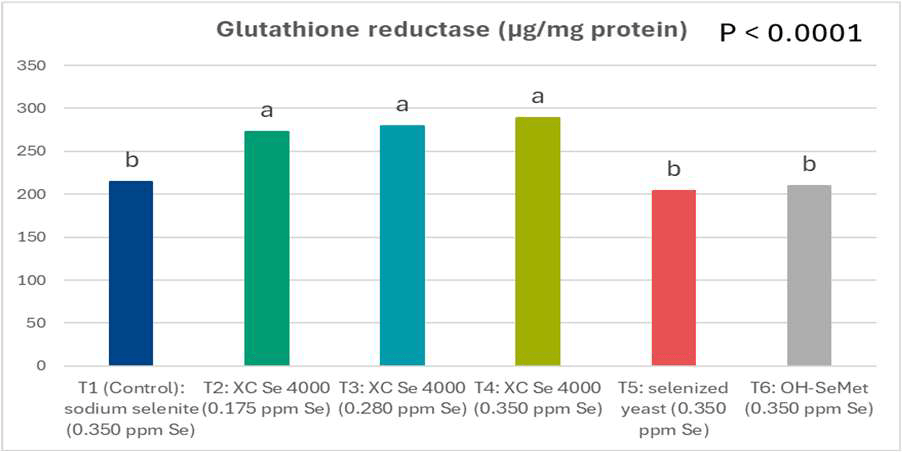
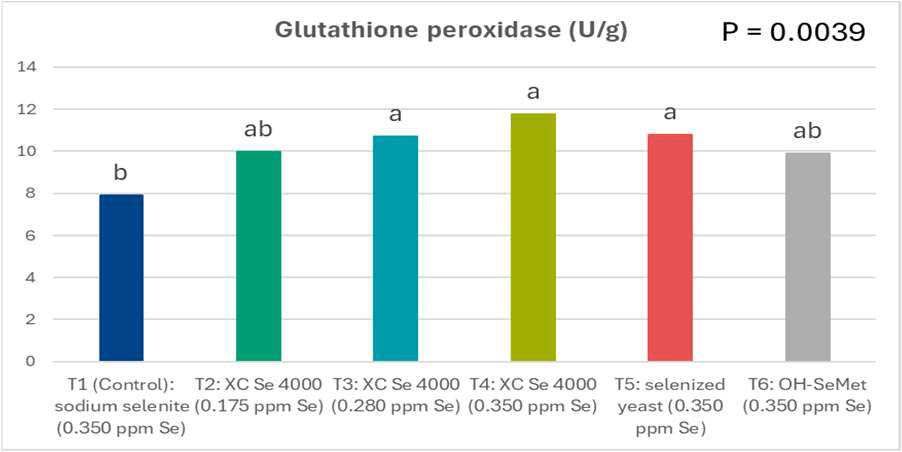
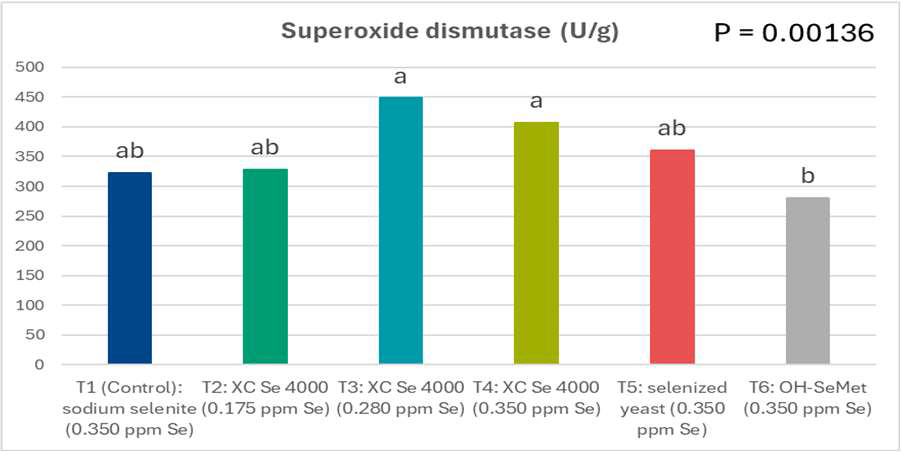
A University of Lavras trial in Brazil showed that L-SeMet (Excential Selenium 4000, Orffa Additives B.V.) improved breeder reproductive performance—raising egg production, fertility, hatchability, and sperm quality. Compared to sodium selenite, it increased selenium and antioxidant levels in eggs and day-old chicks. This 84-day trial involved Cobb 500 broiler breeders with six treatments (table below) and the following 720 chicks were monitored for antioxidant status and growth over 42 days.
Result showed female breeders fed organic Se, especially Excential Selenium 4000, boosted egg production, fertility, and hatchability more than inorganic Se. Even at lower doses, it matched the efficacy of higher selenized yeast levels (Figure 2). Male breeders on L-SeMet saw improved sperm quality. Excential Selenium 4000 enabled more Se transfer to eggs and chicks, with stronger antioxidant enzyme activities (Figure 3) and faster early growth in broiler chicks, giving them better protection and a stronger start in life.
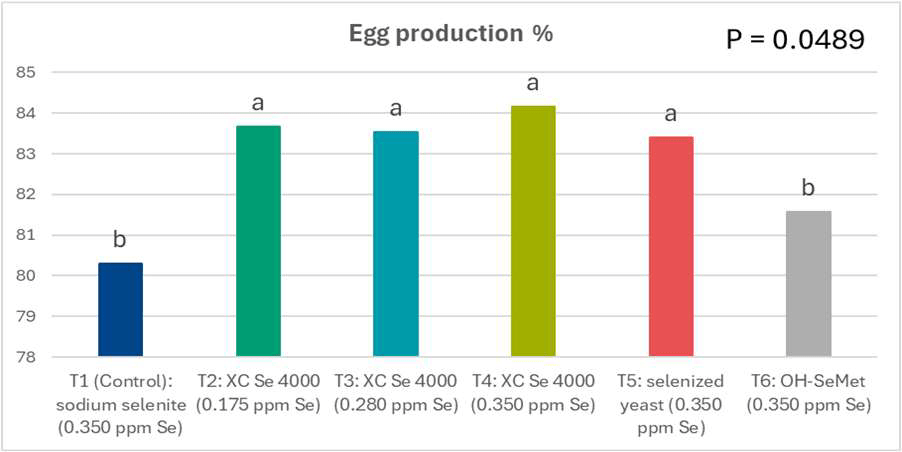
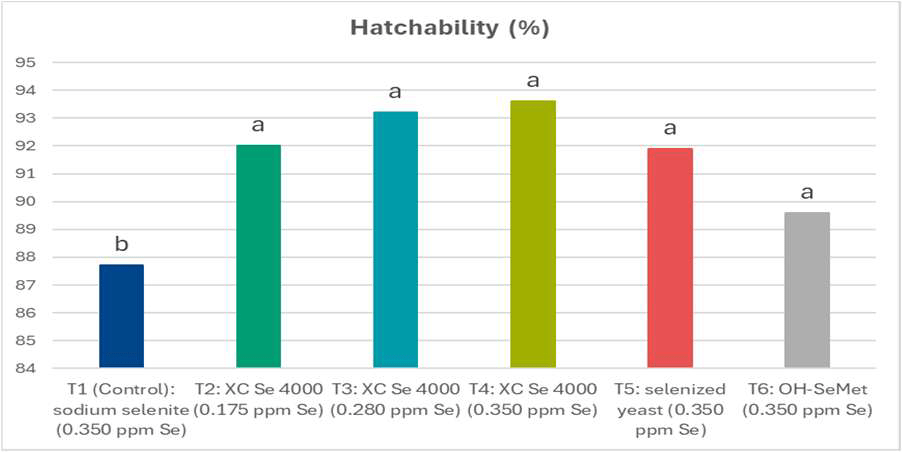
Figure 2. Reproductive performance of female breeders. Egg production, fertility, hatchability (%)
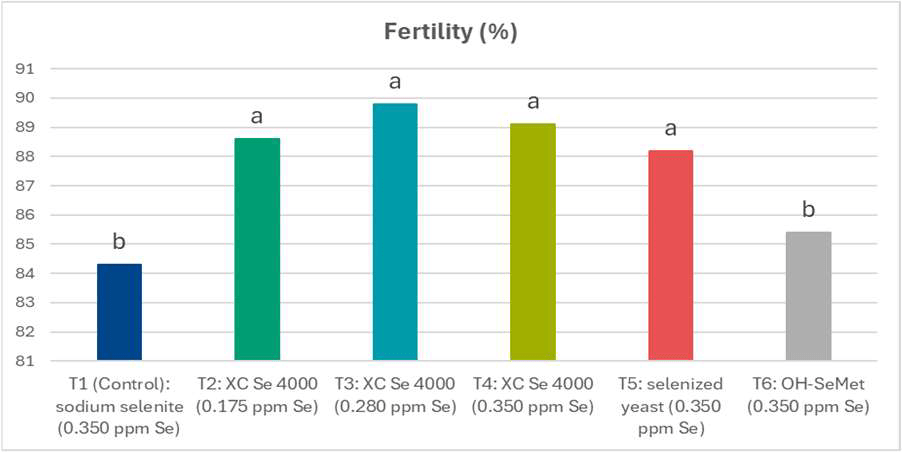
Figure 3. Antioxidative enzyme status of day-old chicks
In addition, a trial at the National University of Lujan in Argentina showed L-SeMet improves broiler offspring performance. Breeders received 0.3 ppm Se from 2 different Se sources during a 10-week feeding period; eggs were then collected, and 180 chicks per treatment were divided into four groups for a 42-day grow-out, as shown in table below.
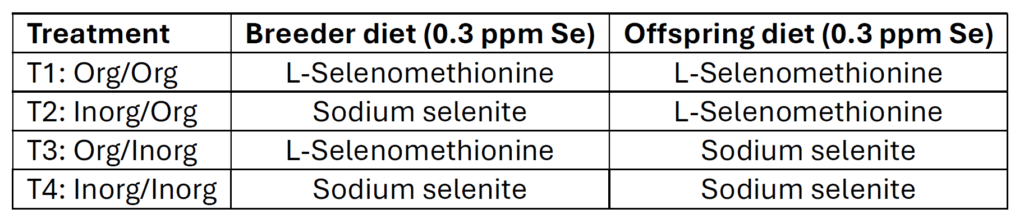
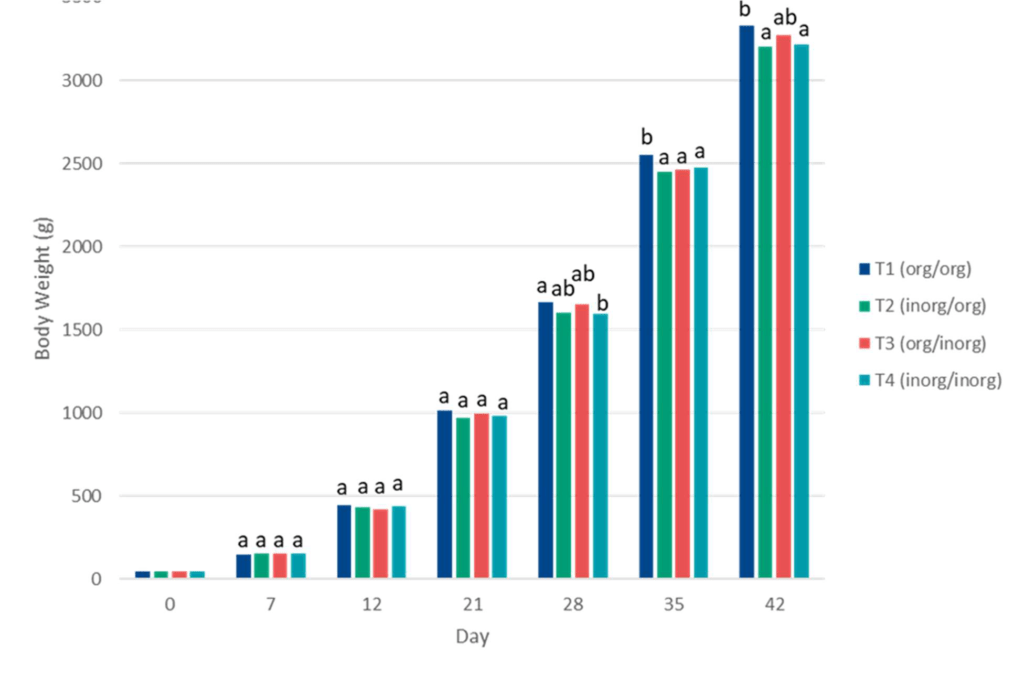
The study found that broiler offspring from the Org/Org group had higher body weights from day 35 (Figure 4) and better meat quality, shown by reduced drip loss. European Production Efficiency Factor (EPEF) was highest in Org/Org (462) and Inorg/Org (432), while maternal L- SeMet improved efficiency to 418 for Inorg progeny; Inorg/Inorg had the lowest at 408. The form of Se given to breeders significantly affects broiler performance. Other studies on LSeMet consistently shows benefits for stress resistance and meat quality, including improved color, tenderness, and less drip loss.
Figure 4: Body weight (g) of broiler supplemented with different selenium sources
Ruminants
In dairy and beef cattle, selenium (Se) is essential for fertility, immunity, and product quality. Deficiency increases risks of retained placenta, mastitis, and weak calves. Organic Se, especially L-SeMet, enhances Se transfer to milk and colostrum, improves reproduction and calf health, supports stress resistance, and boosts oxidative stability in meat and milk. L-SeMet’s storage in body protein provides ruminants with a buffer against varying Se intake, which is particularly valuable in forage-based diets.
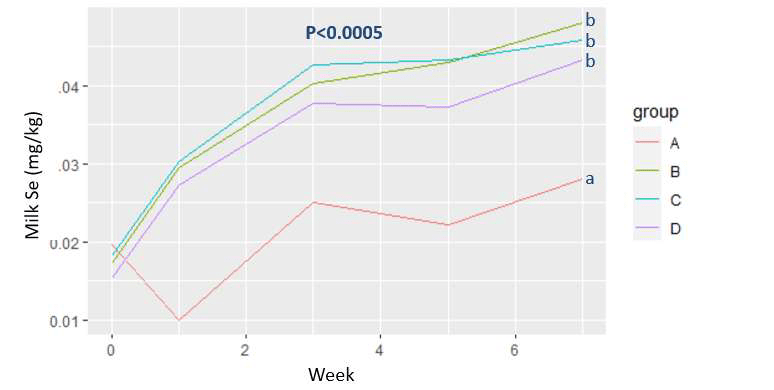
A 2023 Scottish study found Holstein-Friesian cows fed organic Se, especially Excential Selenium 4000 and OH-SeMet, had higher milk selenium and lower somatic cell counts (SCC) than those given sodium selenite, indicating improved immunity.
Figure 5. Milk selenium (mg/kg) for each group across 7 weeks (Group: A = Sodium selenite, B = Excential Selenium 4000, C = OH-SeMet, D = Zinc-L-selenomethionine).
Another practical case of European dairy farm milking 110–120 cows with high comfort and hygiene standards faced issues with mastitis, dermatitis, and slow wound healing. After switching to Excential Selenium 4000 and Excential SMART C + Z (the third-generation hydroxy trace minerals by OrƯa Additives B.V.), cases of dermatitis and mastitis decreased significantly, Se levels became stable across the herd, SCC improved, and antibiotic use dropped, resulting in more saleable milk.
Aquaculture
Aquacultured fish and shrimp face oxidative stress from fast metabolism and changing water conditions, making selenium vital for cell protection and immunity. Adding L-SeMet boosts antioxidants, improves growth and survival, increases fillet quality, and maintains steady tissue selenium levels.
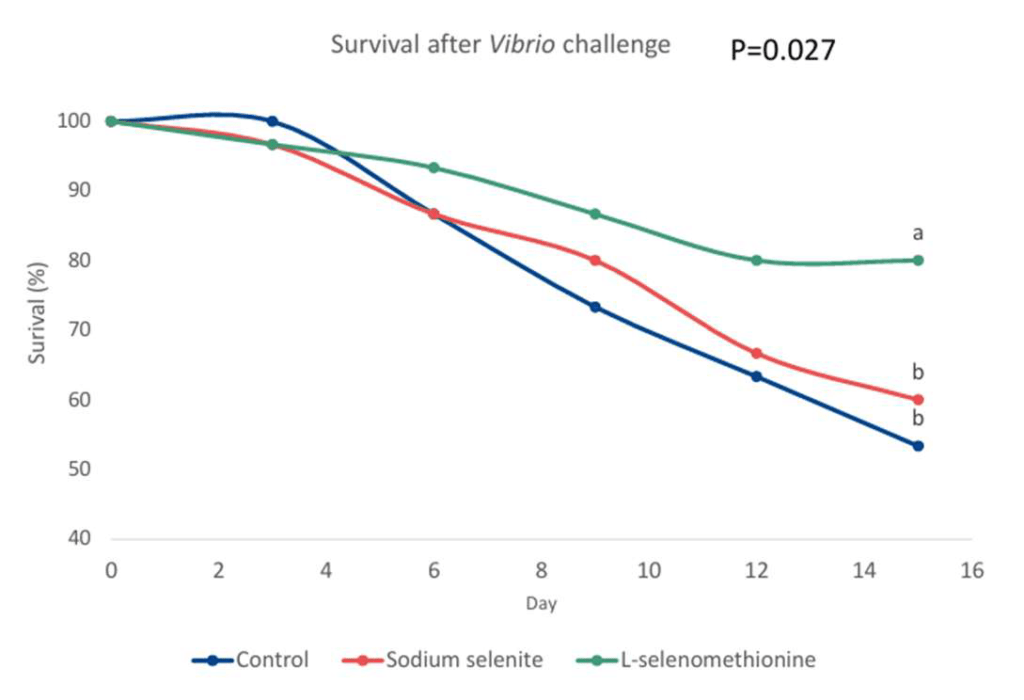
A Kasetsart University study tested Se sources in white leg shrimp (Litopenaeus vannamei) over eight weeks, using 0.5 ppm Se either sodium selenite or Excential Selenium 4000 (LSeMet). Shrimp fed L-SeMet had the highest weight gain, most eƯicient feed use, fewer Vibrio bacteria (Figure 6), and the best survival rates (Figure 7) after a 15-day disease challenge. Results show organic Se, especially L-SeMet, is superior for shrimp growth and health.
Figure 6. Bacterial count after challenge with Vibrio parahaemolyticus in hepatopancreas and intestine (CFU/ml)
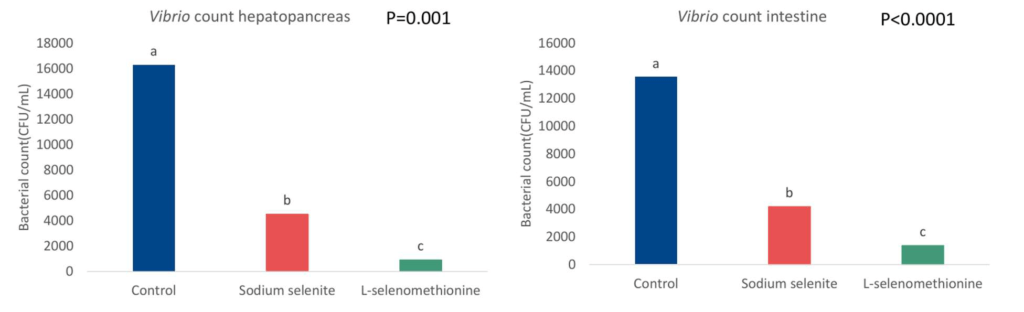
Figure 7. Survival rate after challenge with Vibrio parahaemolyticus (%)
Selenium, especially in bioavailable forms like L-SeMet, improves antioxidant protection, stress resilience, and product quality in animal production. Organic Se boosts performance and health across poultry, aquaculture, and ruminants, enhancing meat, milk, and aquatic product value. Optimizing Se nutrition promotes herd stability, reduces disease, and supports sustainable, profitable operations meeting welfare and quality standards.
Orffa Additives B.V. offer a superior organic selenium source which contain 100% Se in the most bioavailable L-Selenomethionine form. Excential Selenium 4000 contains 4000 ppm L-Selenomethionine or 1600 ppm Selenium. Excential Selenium 7500 contains 7500 ppm L-Selenomethionine or 3000 ppm Selenium.
Reference available upon request