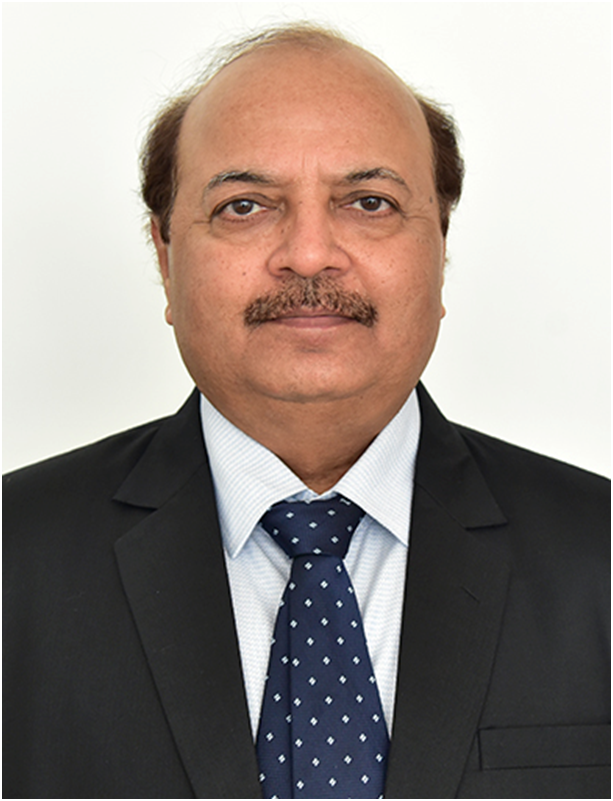
In our journey celebrating the legends of the poultry sector, we have met many distinguished personalities, and one among them is Mr Satish Pasrija.
1. Are you originally from Mumbai?
No. I am originally from Ludhiana district, Punjab. However, Mumbai has been my home for the last several decades, both professionally and personally. Over the years, the city has become an integral part of my life, and today I can comfortably say that while my roots are in Punjab, Mumbai is very much my home.
2. What is the best thing you liked about your professional journey?
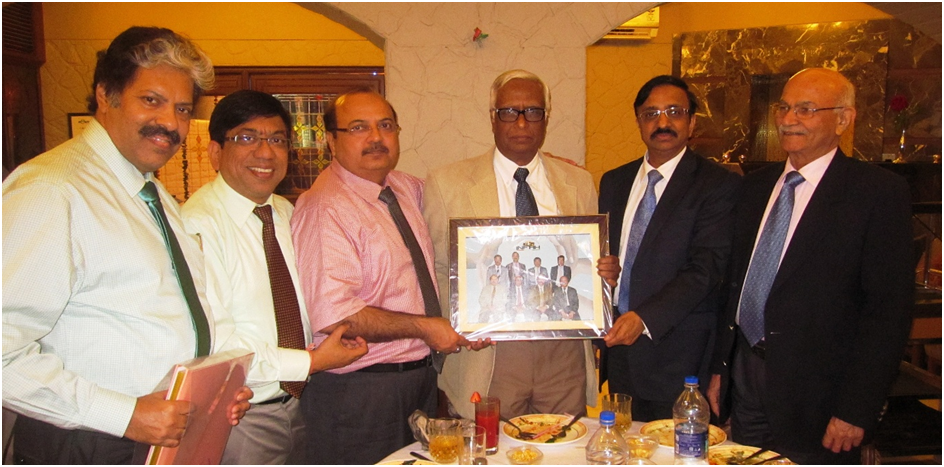
The most satisfying part of my journey has been the opportunity to keep learning, growing and taking on greater responsibilities.
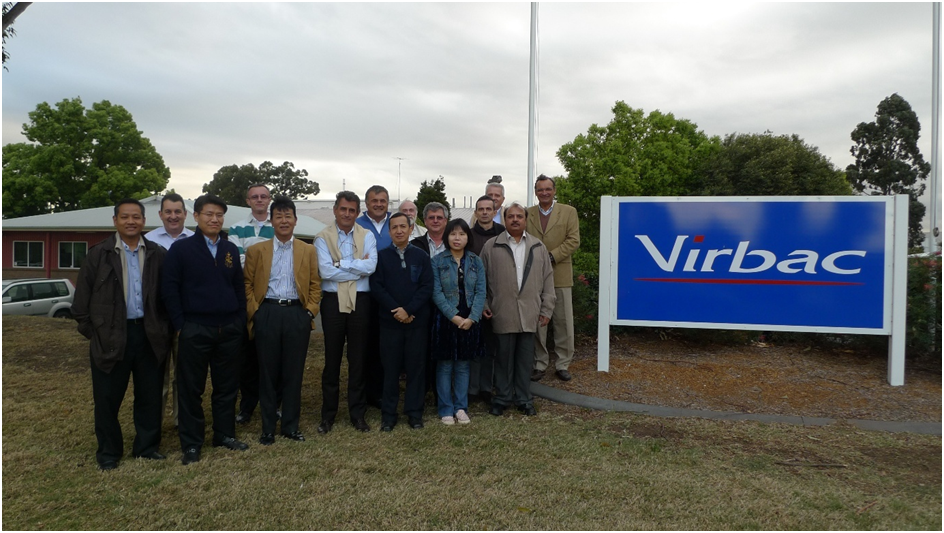
I started my career as a Veterinary Representative and eventually had the privilege of leading Virbac India as its Managing Director for nearly 14 years. At every stage, I had something new to learn, whether it was about people, products, customers, markets or management.
During my tenure as Managing Director of Virbac India, strategic planning, business development and strengthening the company’s market position remained among my highest priorities. These efforts contributed to sustained business growth and helped the company consistently maintain its number one position in the market.
More than reaching a particular position, I value the journey itself and the people I had the opportunity to work with, develop and learn from. Looking back, seeing colleagues grow and organisations progress gives me tremendous satisfaction.
3. Why did you choose the poultry and livestock profession?
When I started my career in 1980, young professionals did not have the variety of career choices that are available today. Opportunities were comparatively limited.
The Animal Health profession came my way, and I accepted the opportunity. However, once I entered the profession, I made a conscious decision that, whichever field I worked in, I would give it my best and strive to excel.
Gradually, as I came to understand veterinarians, farmers, livestock, the market, and Animal Health’s contribution to society, I developed a strong attachment to the profession.
So, perhaps I did not initially choose the Animal Health Industry with a long-term career plan, but once I entered it, I chose to make it my profession and give it my complete commitment.
4. As compared with other major players in the industry, how do you feel your presence has been different?
I would prefer others to judge how different my contribution has been. However, throughout my career, I have sought to combine business growth with people development.
My focus has always been on understanding the market closely, developing the right strategy, reviewing performance regularly and, most importantly, ensuring implementation at every level.
I have always believed that sustainable growth does not come from products and strategies alone. It comes from good people, strong processes, customer understanding and an organisation that continuously learns and improves.
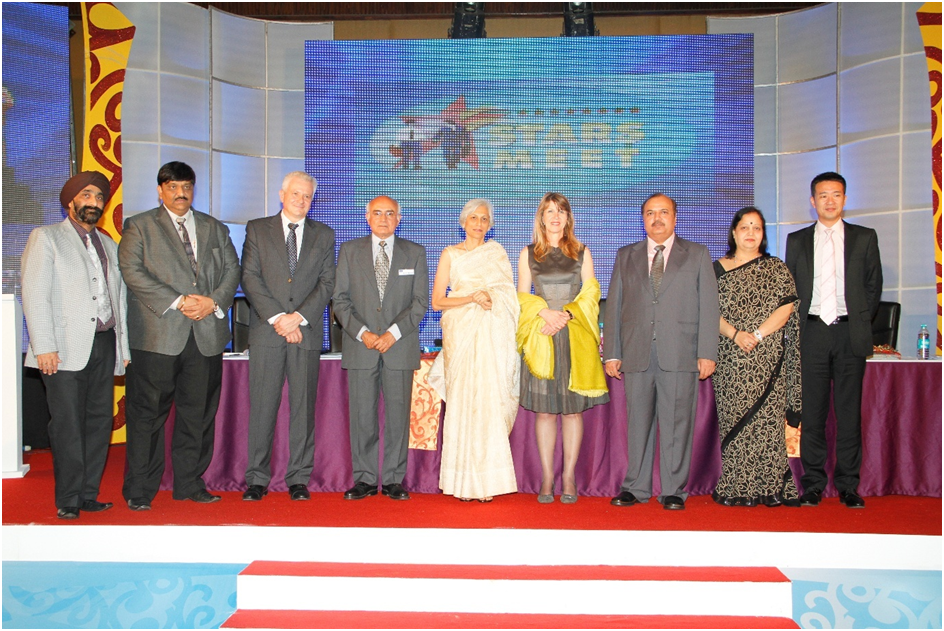
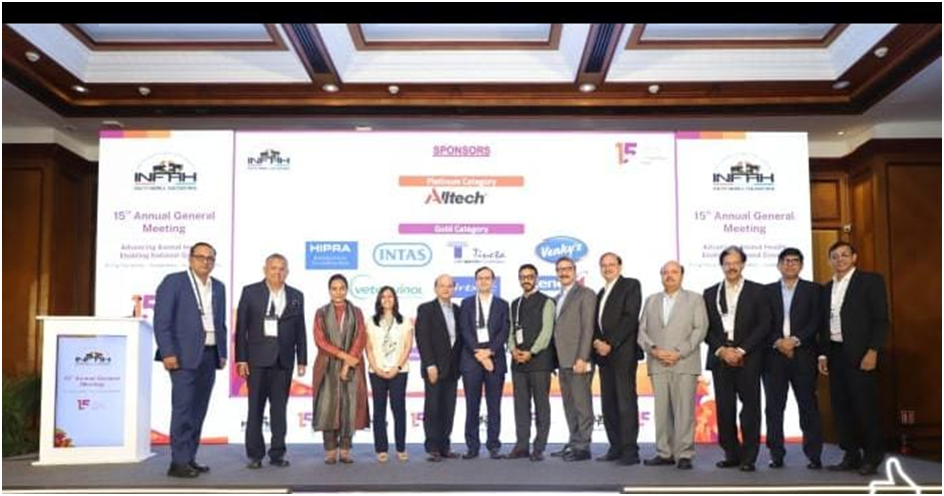
Another important aspect of my journey has been my involvement with the wider animal health industry through organisations such as INFAH. I have always believed that leaders should contribute not only to their own companies but also to the development of the industry as a whole.
5. Please tell us about your family.
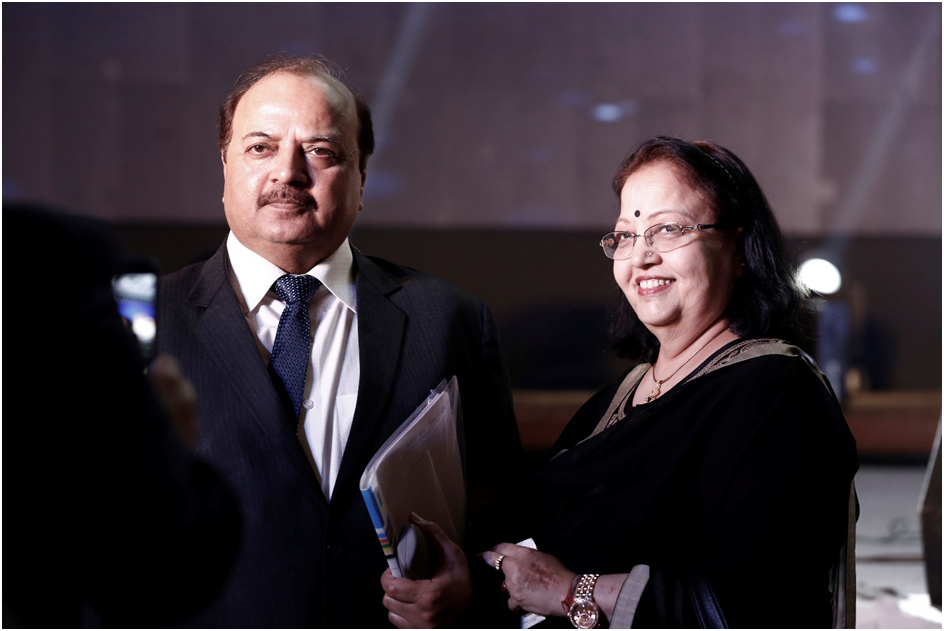
I am fortunate to have a very supportive family, which has played an important role throughout my professional journey.
I have two sons, both of whom are professionally well established and married. Because my career involved considerable responsibility and extensive professional commitments, My Wife,sunderstanting and supporthave always been invaluable.
6. What have you done for the next generation entering this profession?
Developing people has always been one of the most important parts of my leadership philosophy.
While working with multinational organisations, we created and adhered to a robust system for internal development and promotion. Wherever possible, people were given opportunities to take on greater responsibilities and grow within the organisation.
We invested significantly in training, management development and on-the-job learning. My approach was not simply to tell people what to do, but to prepare them to take independent decisions and eventually assume larger leadership roles.
I strongly believe one of a senior leader’s responsibilities is to develop successors. If people who have worked with you grow and become successful leaders themselves, that is one of the most meaningful measures of your own leadership.
7. What is your favourite food?
I generally prefer Indian food. I enjoy traditional Indian cuisine and simple, familiar food more than anything very elaborate.
8. What are your hobbies?
I would say that I have never had too many conventional hobbies.
Perhaps my strongest personal inclination has always been to try to excel in whatever I undertake. Whether professionally or personally, once I take something up, I like to understand it thoroughly, remain involved, and do it as well as possible.
Even after retiring from full-time corporate responsibilities, I remain interested in learning, industry developments, and contributing wherever my experience can be useful.
9. Anything else you would like to add?
If I were to leave one message for younger professionals entering the poultry, livestock and animal health industry, it would be this:
Do not be impatient for positions or titles. Concentrate on learning, performance and accepting responsibility. Every assignment, however small it may appear, is an opportunity to prepare yourself for something bigger.
My own journey from Veterinary Representative to Managing Director was not planned on the first day of my career. It happened gradually through perseverance, passion, persistence and a commitment to continuous learning.
I would also encourage senior leaders in our industry to give younger professionals opportunities to grow. Guide them, train them, trust them and allow them to take responsibility.
Ultimately, the legacy of a leader is not only the business he builds, but also the people he develops and the contribution he makes to the profession and industry he has been fortunate enough to serve.