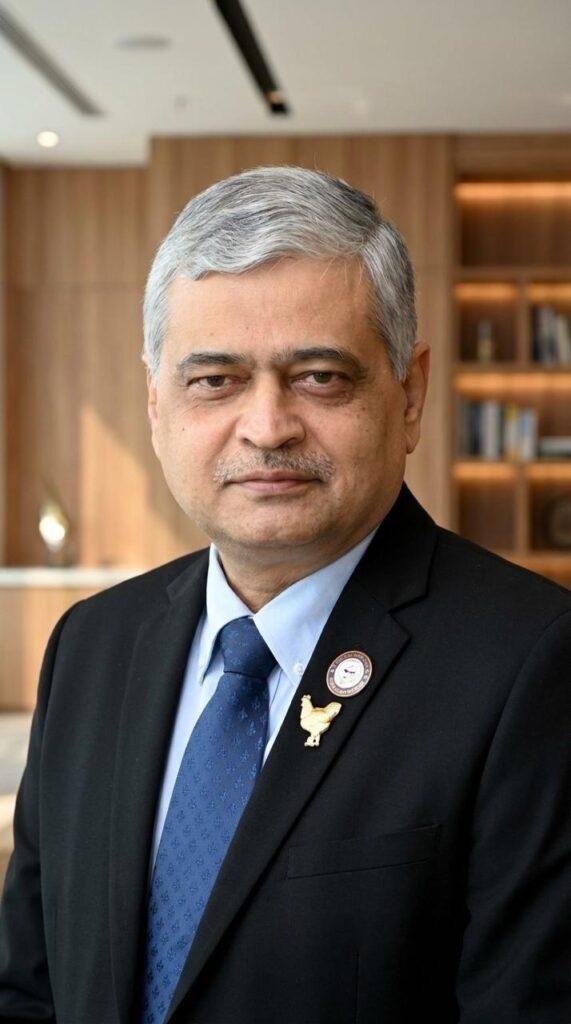
In our journey we visited many faces with our poultry Sector legends, and one among them is
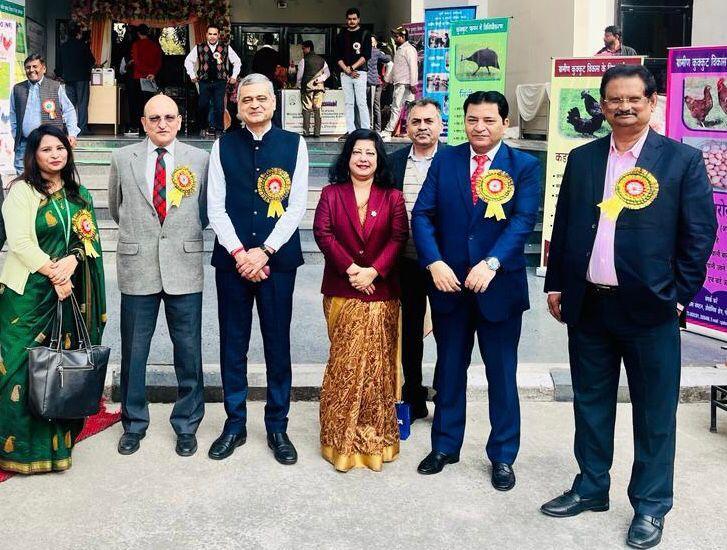
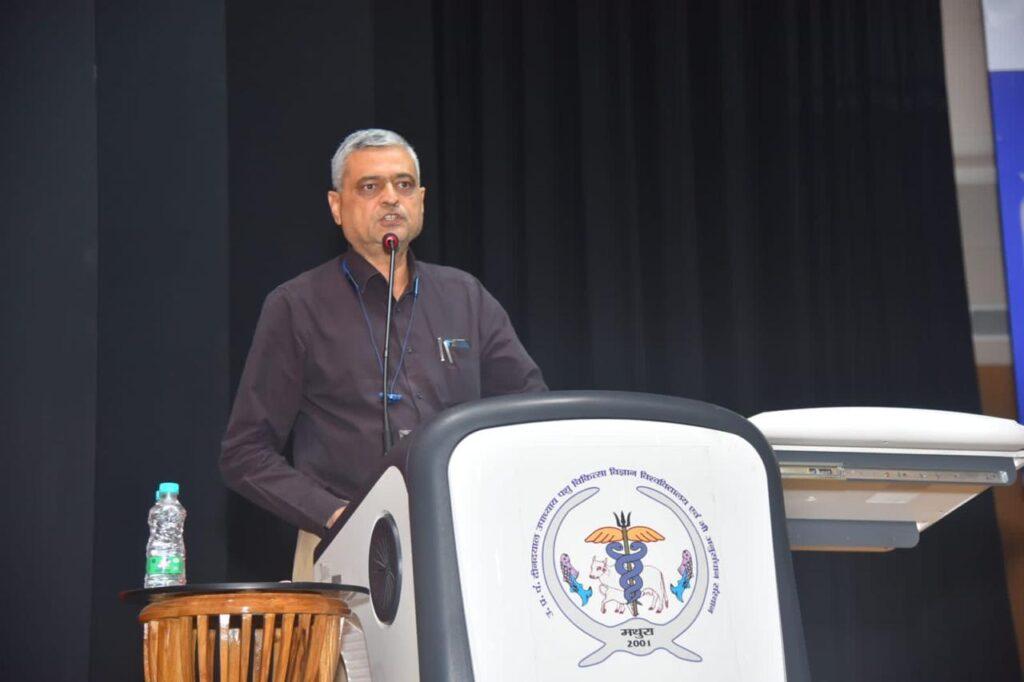
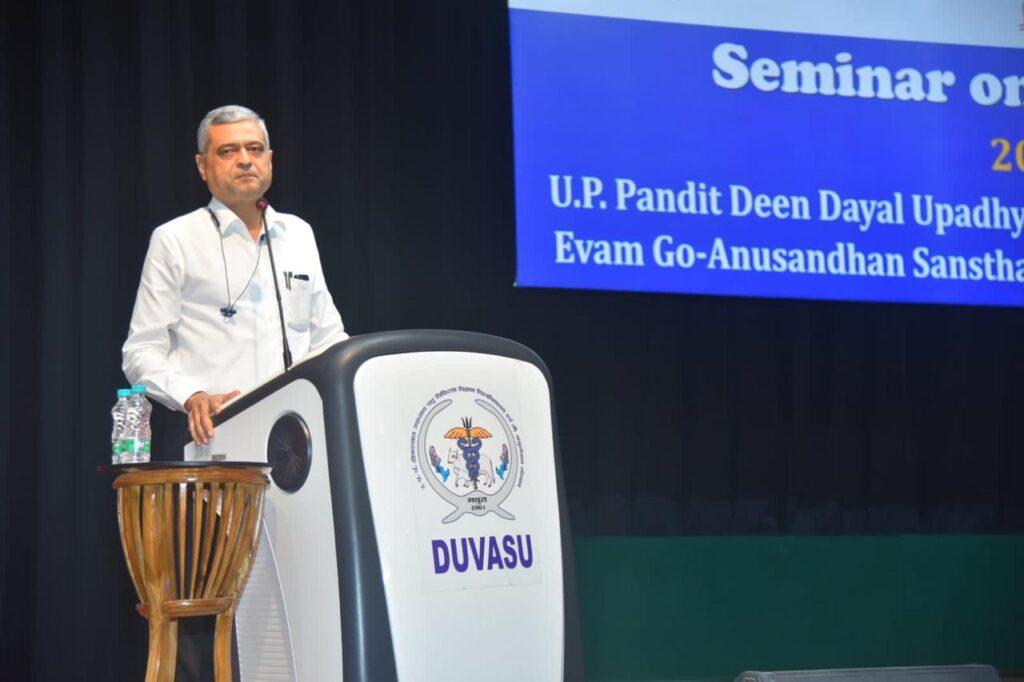
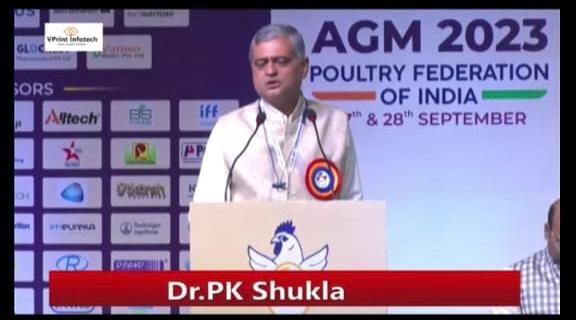
Dr PK Shukla Prof and Head Poultry Science and the Director, Institute of Para Veterinary Science DUVASU Mathura
1. Are you originally from Mathura?
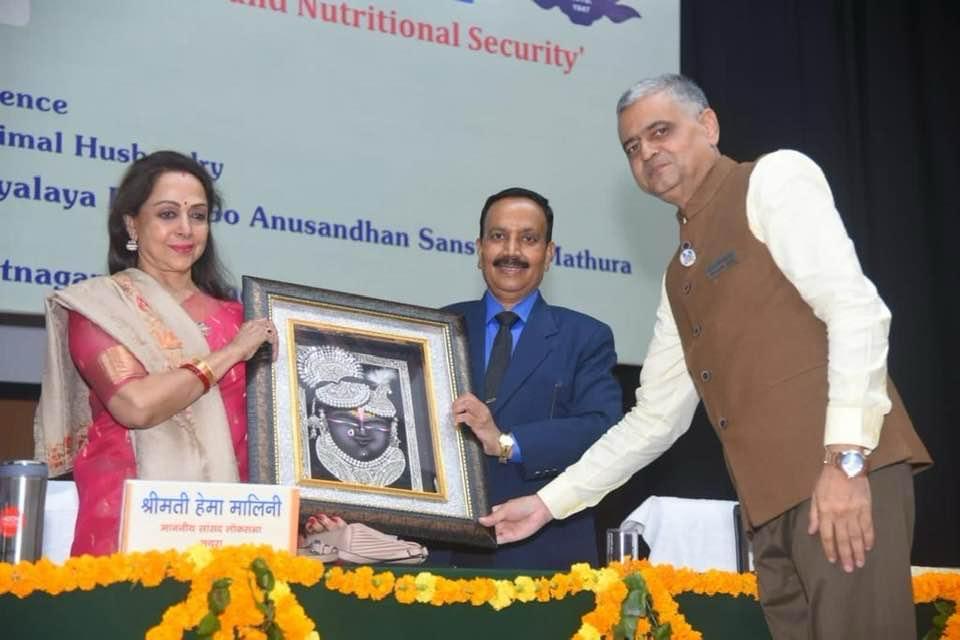
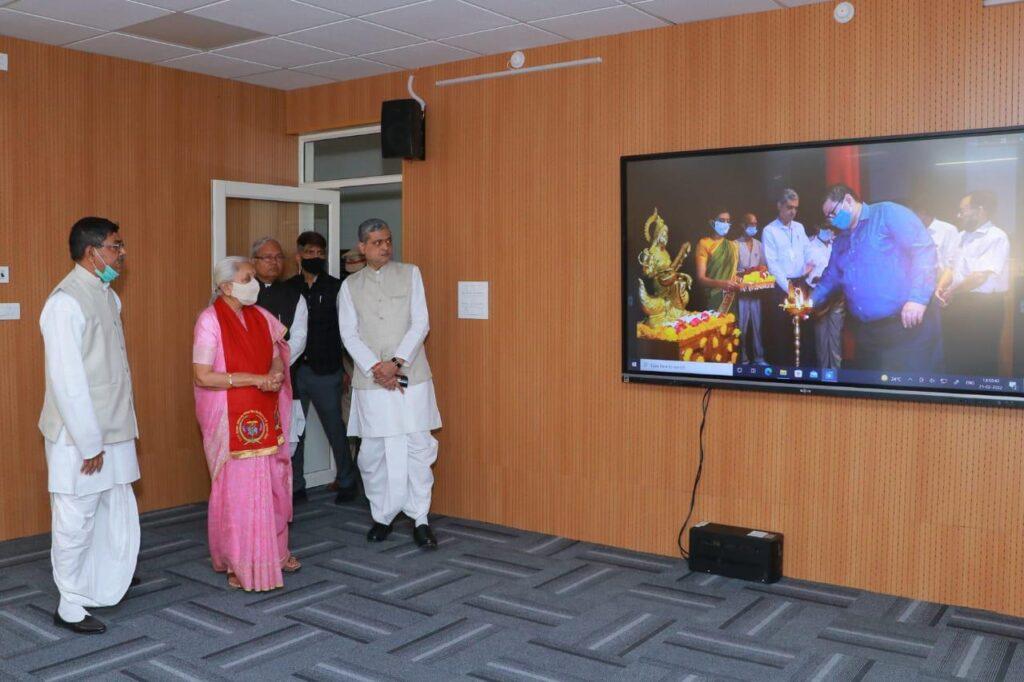
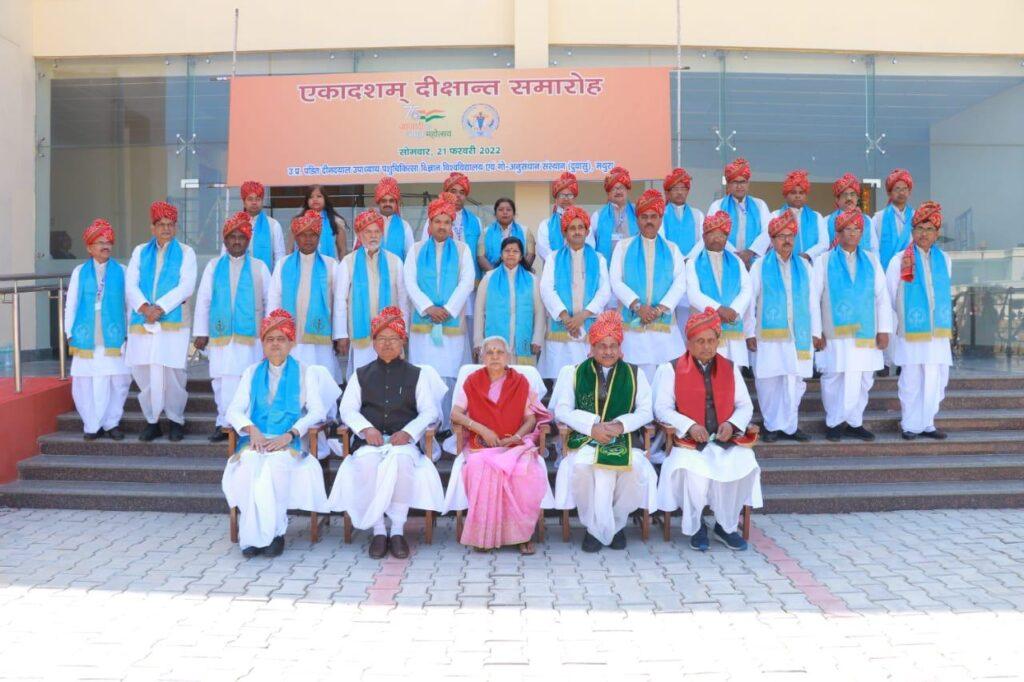
No, I am not originally from Mathura. I am from Chhindwara District of Madhya Pradesh. My academic journey started from Veterinary College, Jabalpur, where I completed my graduation in Veterinary Science. Over the years, through my professional engagements in teaching, research, and policy formulation, I became closely associated with U. P. Pandit Deen Dayal Upadhyaya Pashu Chikitsa Vigyan Vishwa Vidyalaya (DUVASU), Mathura. Mathura eventually became the centre of my academic and administrative career, where I had the opportunity to serve as Professor and Head of Poultry Science, and also in important administrative roles such as Dean, Dean PGS, and Registrar. Hence, while I may not be originally from Mathura, the city has been an integral part of my professional life.
2. What is the best thing you liked in your journey?
The most fulfilling aspect of my journey has been the opportunity to contribute simultaneously to research, education, and national policy in the poultry sector. Working with students, guiding more than 32 postgraduate scholars, and seeing them grow into professionals in academia and industry has been extremely satisfying.
Another rewarding experience has been my involvement in national poultry development and disease monitoring initiatives while serving as Joint Commissioner (Poultry) in the Government of India. Being able to bridge the gap between scientific research and policy implementation and witnessing the growth of the Indian poultry sector over the decades has been one of the most gratifying parts of my career.


3. Why did you choose the poultry profession?
My decision to specialize in poultry science emerged during my graduate training, when I realized that the poultry sector has immense potential to address nutritional security, rural livelihoods, and affordable protein supply in India.
Poultry is one of the fastest-growing segments of animal agriculture, and it combines elements of science, management, economics, and public health. I found it intellectually stimulating because it allows a scientist to work on diverse issues—from nutrition and disease control to production efficiency and policy development. Over time, I developed a deep interest in contributing to this sector through research, education, and institutional development.
4. As compared to other big players in the poultry industry, how do you feel your presence is different?
The poultry industry has many outstanding entrepreneurs and industry leaders who have significantly contributed to production and commercialization. My role has been somewhat different because my contributions have largely been in the domains of research, education, and policy support.
Through my work in academia, government policy, and national scientific institutions, I have tried to strengthen the scientific and institutional foundation of the poultry sector. My focus has been on capacity building, scientific research, disease monitoring systems, and policy advocacy, which complement the efforts of industry leaders. I believe the growth of the poultry sector requires a strong partnership between academia, industry, and government, and I have tried to work at that interface.
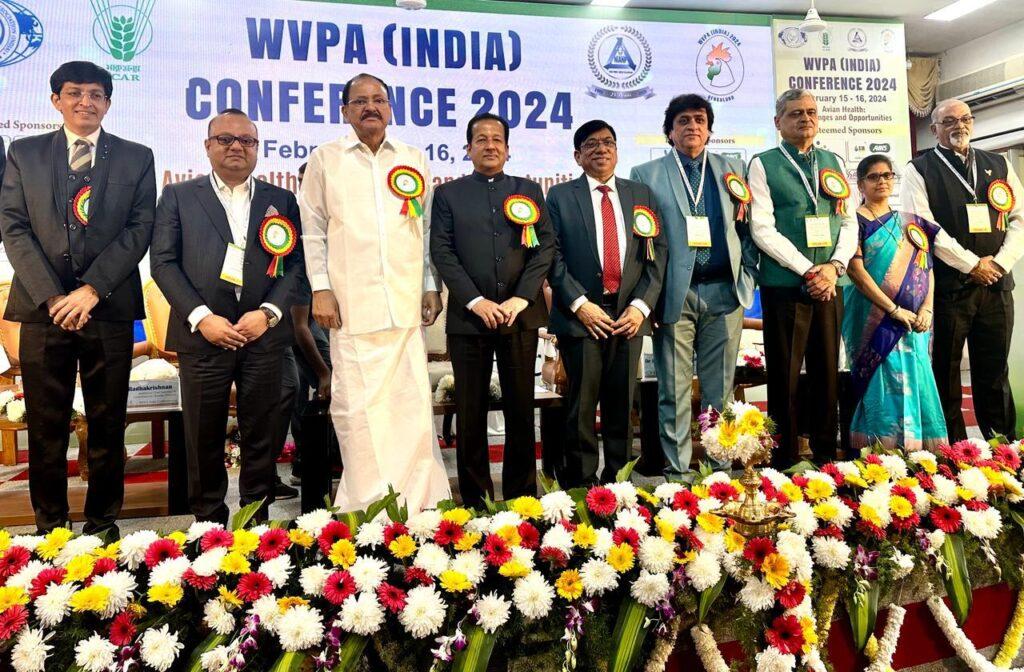
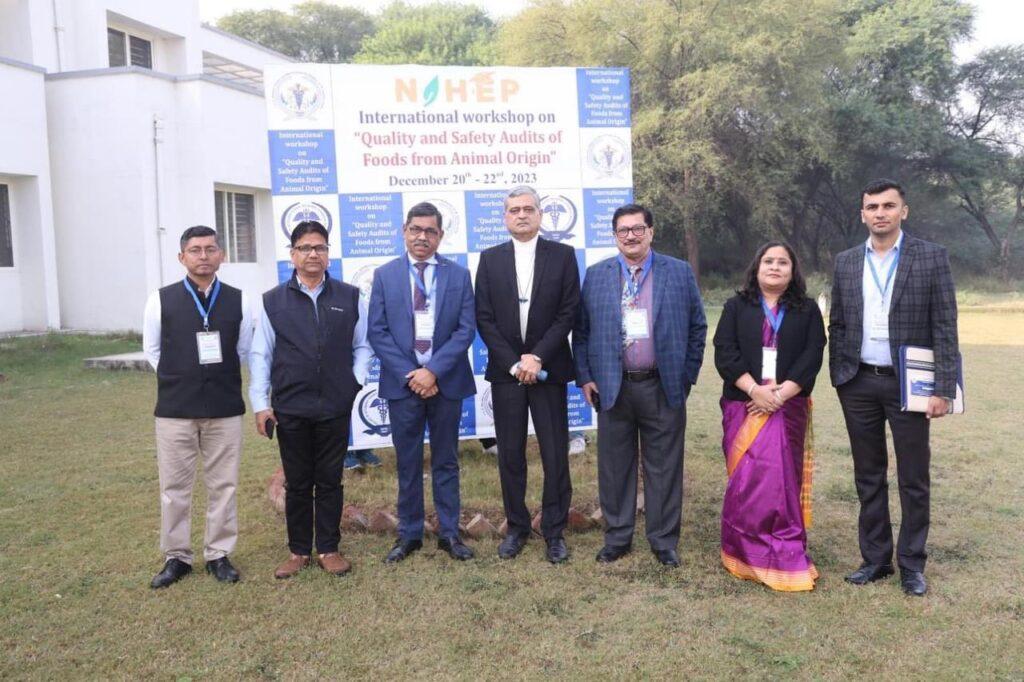
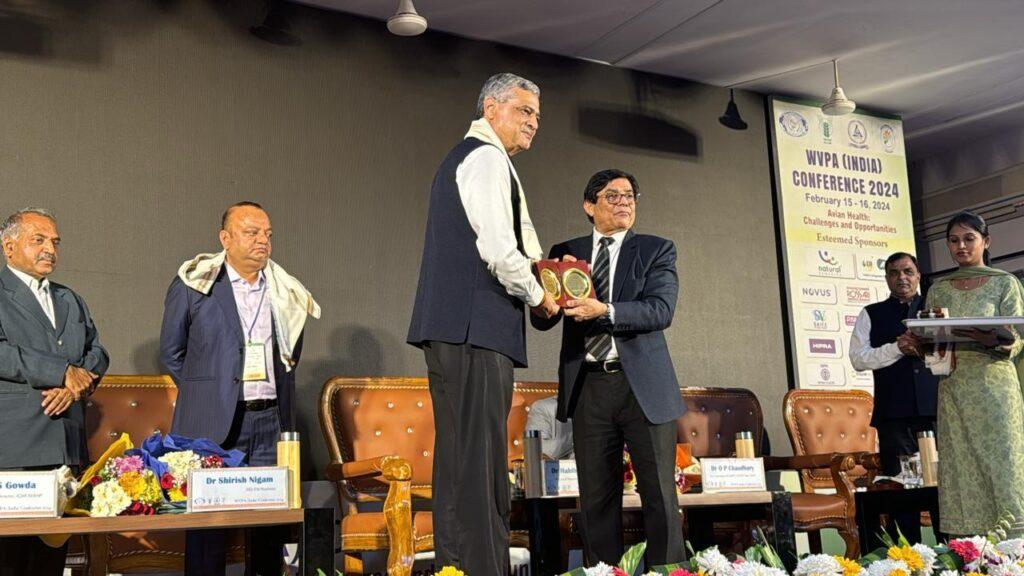
5. Please tell us about your family.
I come from a family that has always valued education, discipline, and social responsibility. Their support and encouragement have been an important source of strength throughout my academic and professional journey. While my career has been quite demanding—spanning research, teaching, and administrative responsibilities—my family has always provided the balance and motivation needed to pursue my goals. Their understanding and encouragement have played a significant role in whatever achievements I have been able to accomplish.
6. What is your dream for the next generation entering this business?
My dream for the next generation entering the poultry sector is that they should look at this field not merely as a business, but as a scientifically driven, technology-oriented and socially important enterprise. Poultry farming today is no longer a traditional activity; it has evolved into a highly organized agro-industry that integrates genetics, nutrition, disease management, processing, and global trade.
I would like young professionals to focus on innovation, sustainability, and biosecurity. Issues such as climate resilience, efficient feed utilization, disease surveillance, and value addition will shape the future of this sector. At the same time, the poultry industry has a crucial role in ensuring nutritional security by providing affordable animal protein to millions of people.
Therefore, my message to the next generation is to combine scientific knowledge, entrepreneurship, and ethical responsibility so that the poultry sector continues to grow while remaining sustainable and resilient.
7. What is your favourite eatery food?
UnLike most people associated with the poultry sector, I appreciate simple and nutritious Vegetarian food. I particularly enjoy well-prepared Vegetarian dishes, especially traditional Indian preparations that balance taste and nutrition.
8. What are your hobbies?
Despite a busy professional schedule over the years, I have always tried to maintain a few personal interests. Reading scientific literature and books related to agriculture, policy, and education and writing Scientific articles have been one of my long-standing interests apart Horse Riding, Playing Badminton participating in roundtables, delivering lead papers in scientific forum etc.
I also enjoy interacting with students and young professionals, discussing emerging trends in animal agriculture and poultry science. In addition, spending time in academic discussions, writing, and mentoring young scholars has been both a professional responsibility and a personal passion.
Whenever time permits, I also appreciate travelling for academic interactions and conferences, as it provides opportunities to exchange ideas and learn from diverse experiences.
9. Anything you would like to add?
I would like to emphasize that the Indian poultry sector has emerged as one of the most dynamic and resilient segments of animal agriculture. Over the past few decades, it has demonstrated remarkable growth despite challenges such as feed cost fluctuations, disease threats, climate variability, and market uncertainties. This progress has been possible because of the collective efforts of farmers, entrepreneurs, scientists, veterinarians, policymakers, and industry stakeholders.
Looking ahead, the sector must continue to focus on scientific management, strong biosecurity, sustainable production practices, and value-chain integration. Greater investment in research, innovation, disease surveillance, and skill development will be essential to maintain competitiveness both domestically and globally.
I would also like to stress the importance of collaboration between academia, industry, and government institutions. Such partnerships can accelerate the adoption of new technologies, improve productivity, and ensure that poultry production remains economically viable, environmentally responsible, and nutritionally relevant for the country. Finally, I believe that the poultry sector has a crucial role in strengthening India’s food and nutritional security, and it will continue to offer tremendous opportunities for the younger generation of scientists, veterinarians, and entrepreneurs. With the right vision and commitment, the future of Indian poultry is indeed very promising.