A landmark scientific gathering in Bengaluru signals a new era in understanding broiler breeder metabolism and what it means for hatchability and flock longevity.
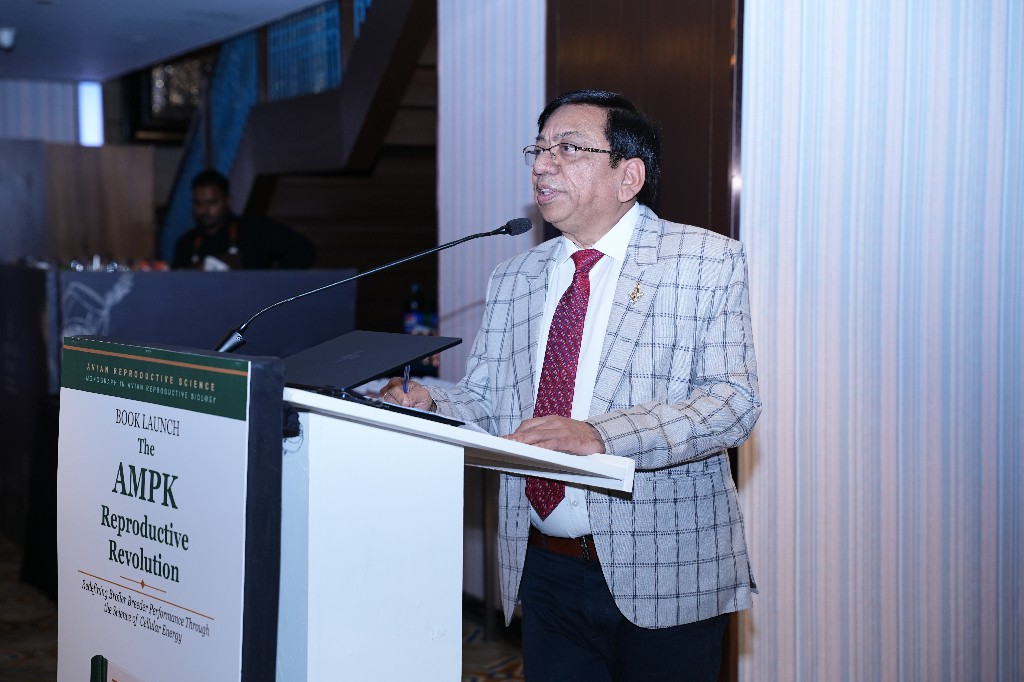
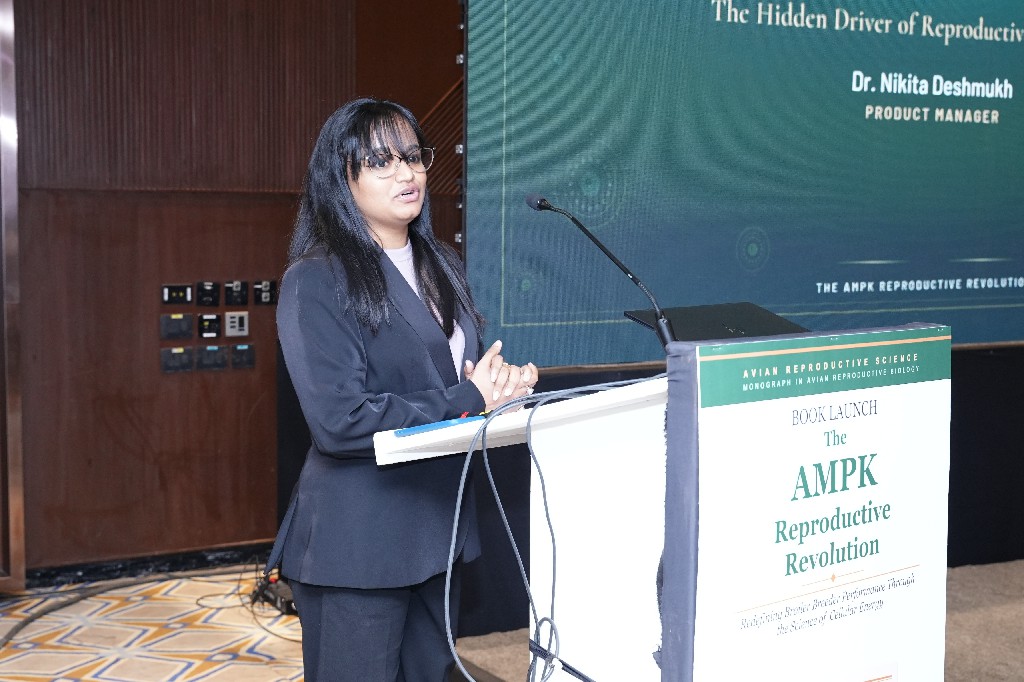
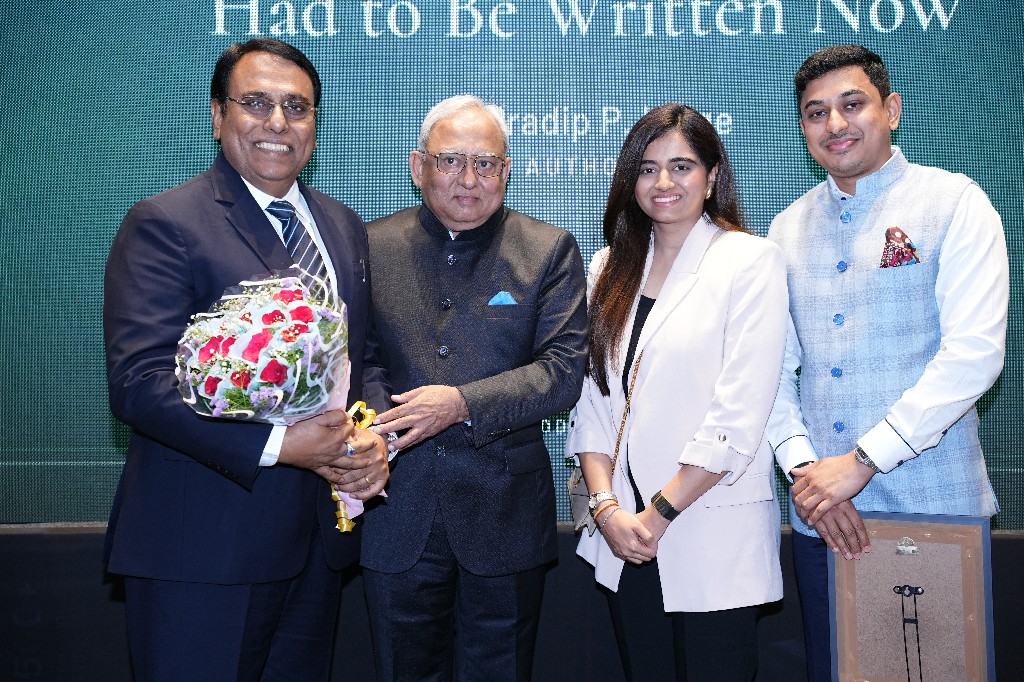
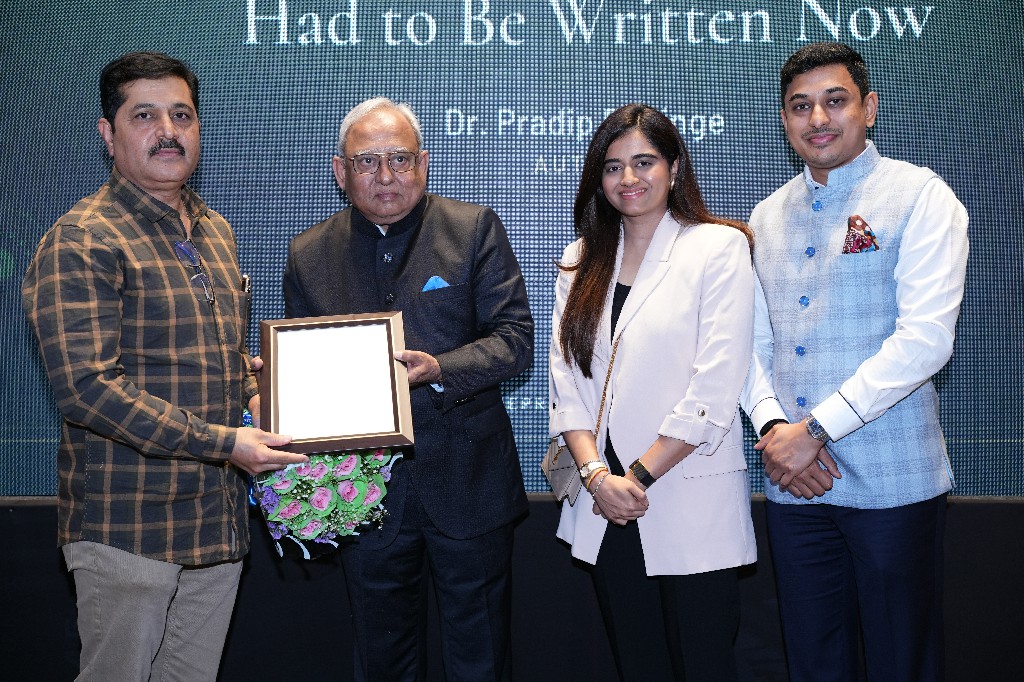
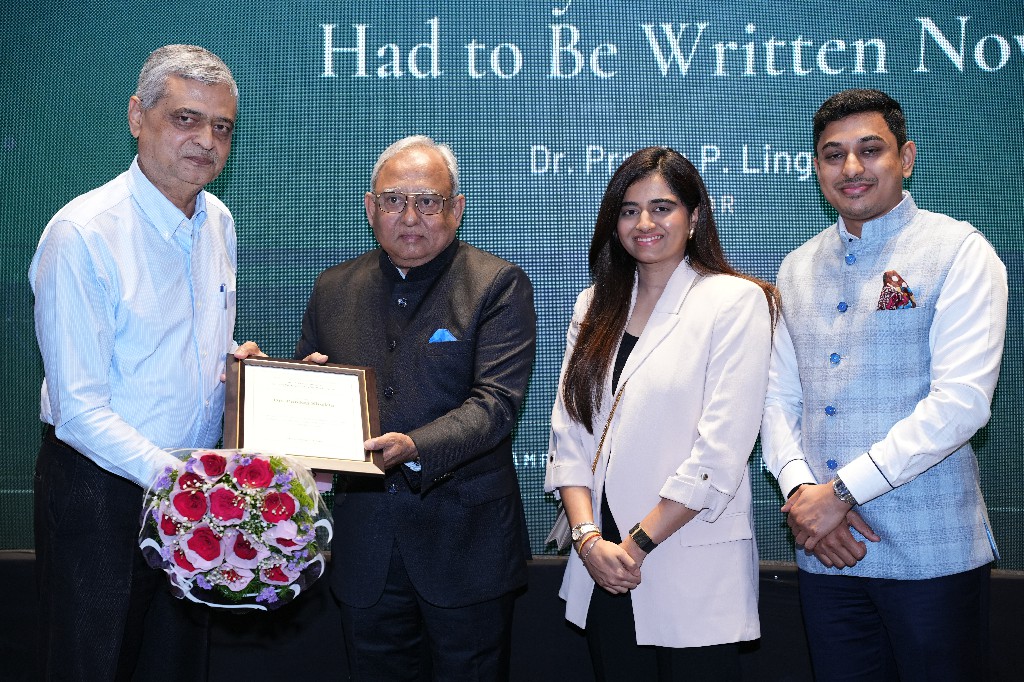
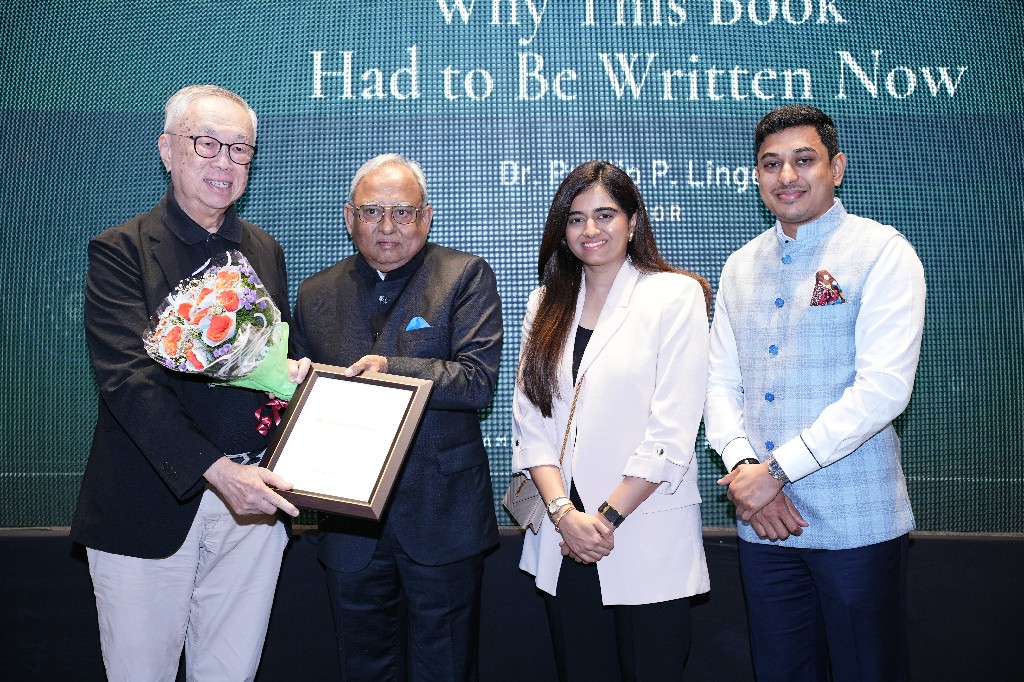
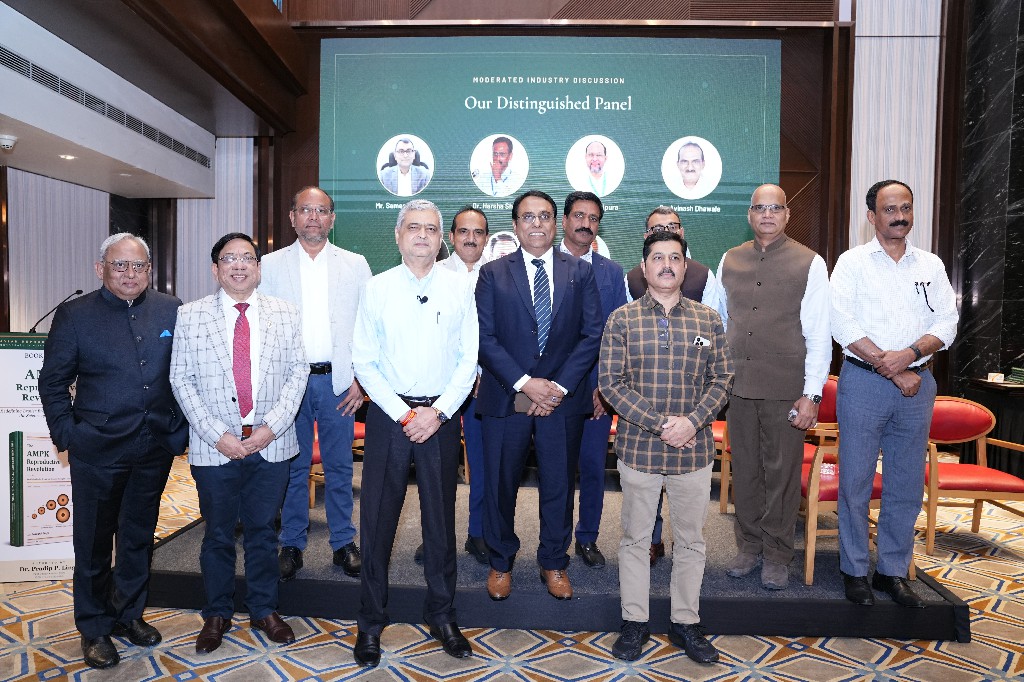
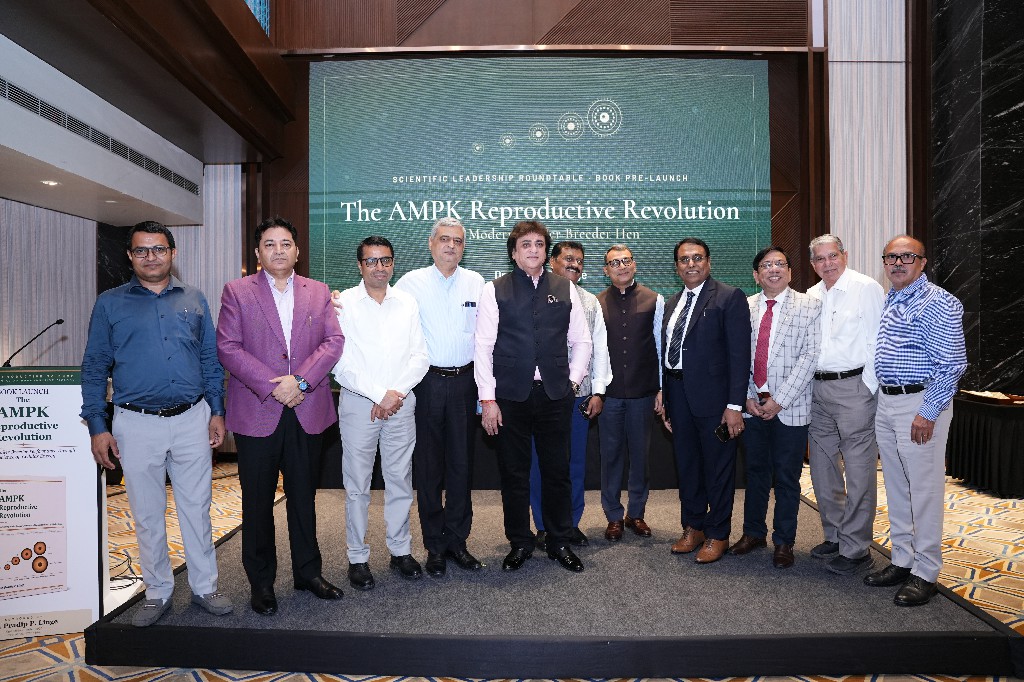
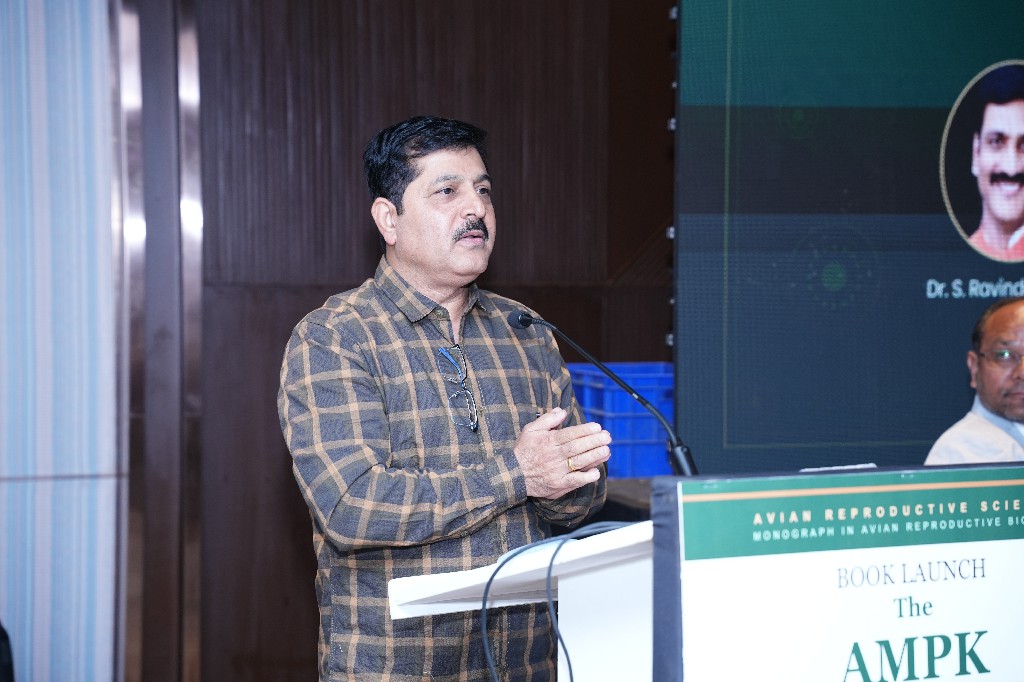
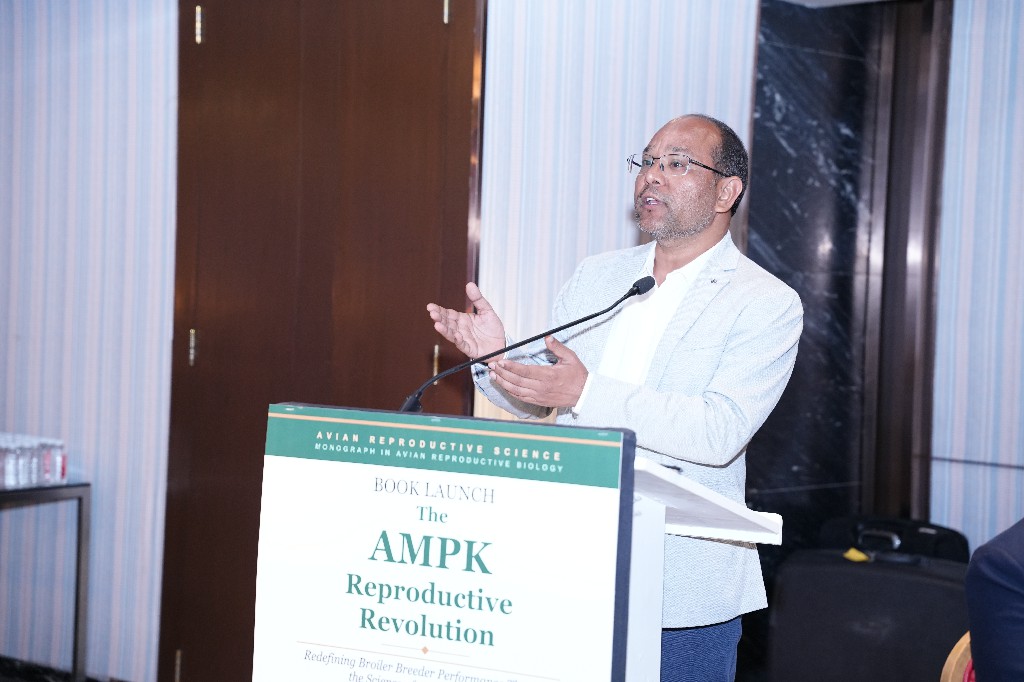
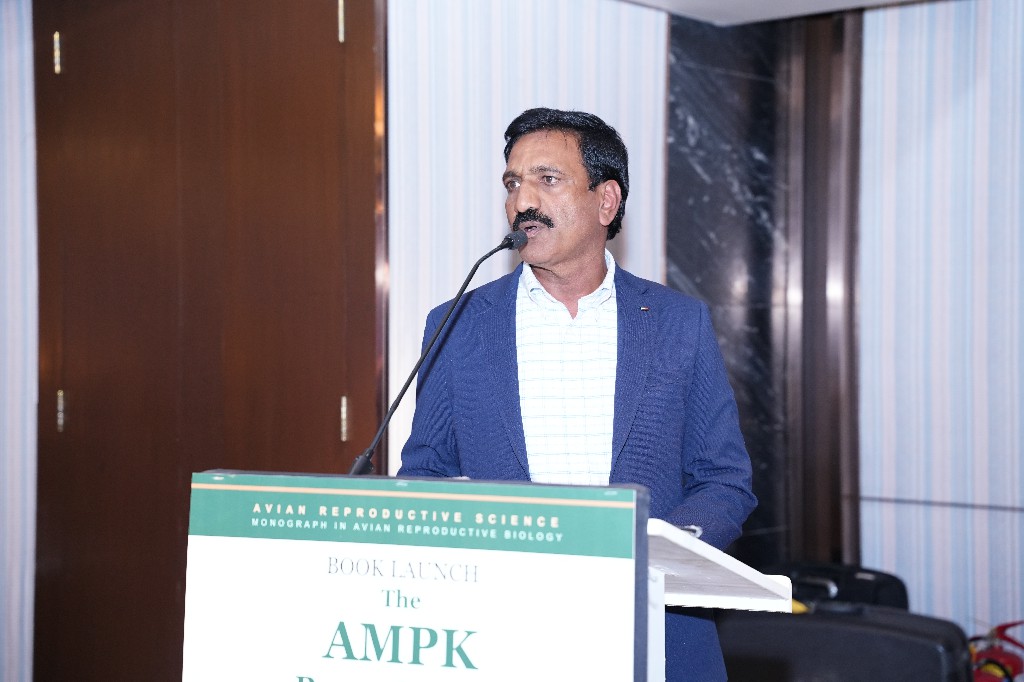
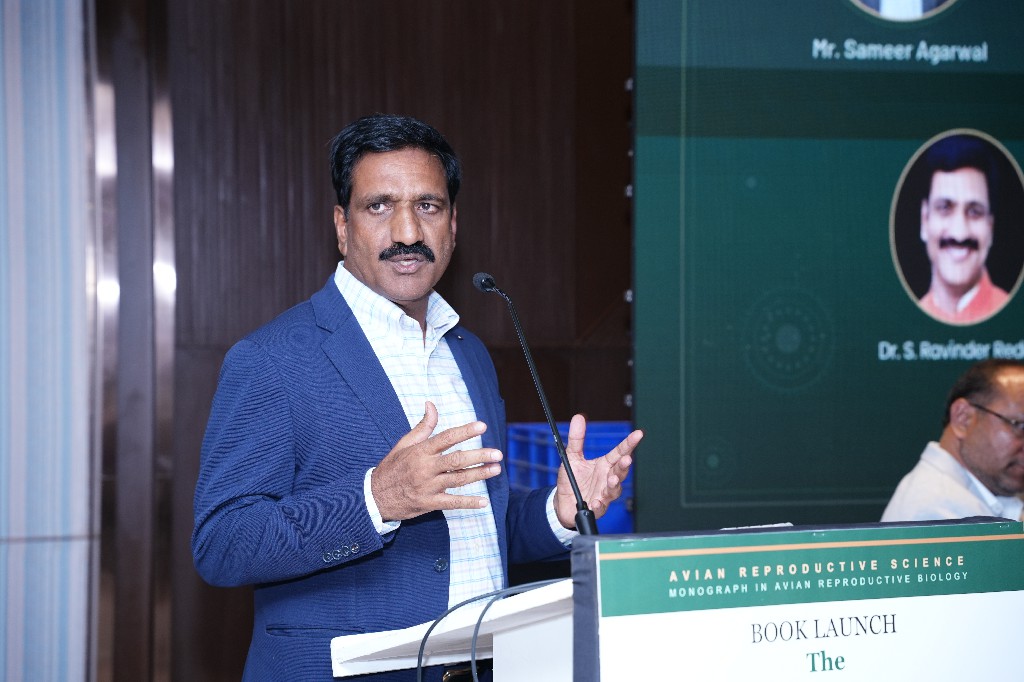
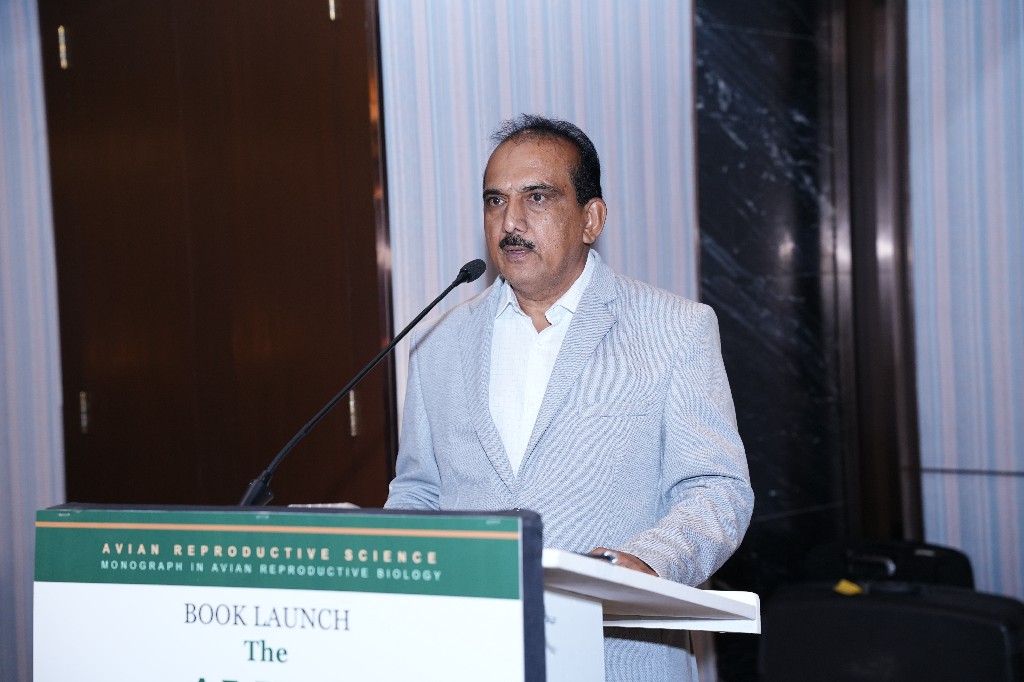
On June 10, 2026, the Sheraton Grand Bangalore Hotel became the setting for one of the most significant gatherings whereveterinarians, consultants, breeder specialists, and industry leaders assembled by invitation for a Scientific Leadership Roundtable and the ceremonial pre-launch of a publication that promises to reframe how the sector thinks about reproductive performance in modern broiler breeders.
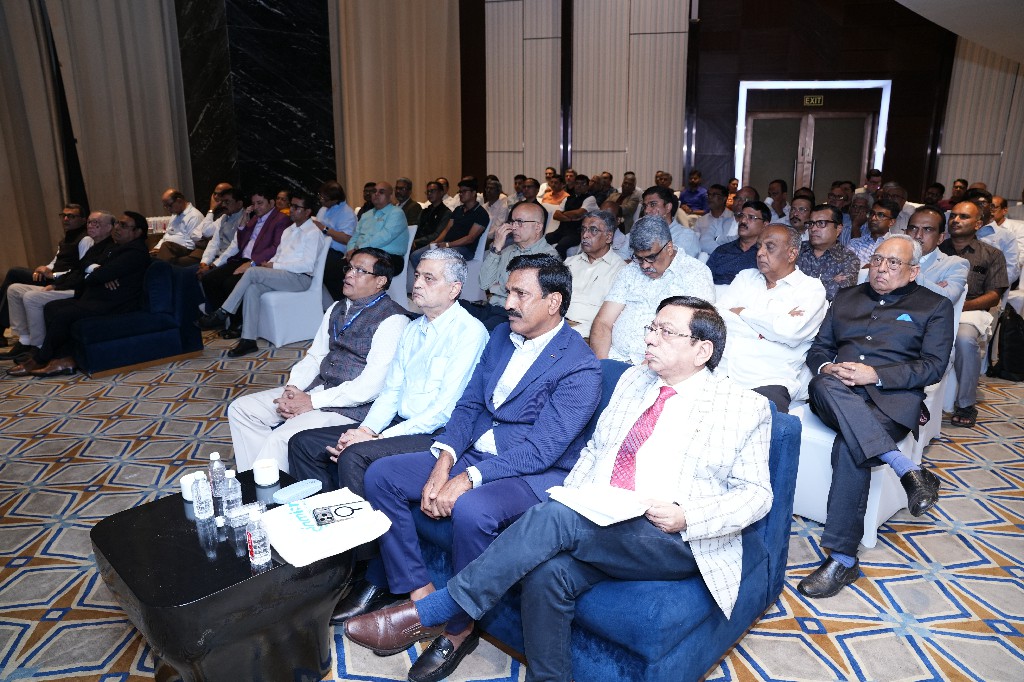
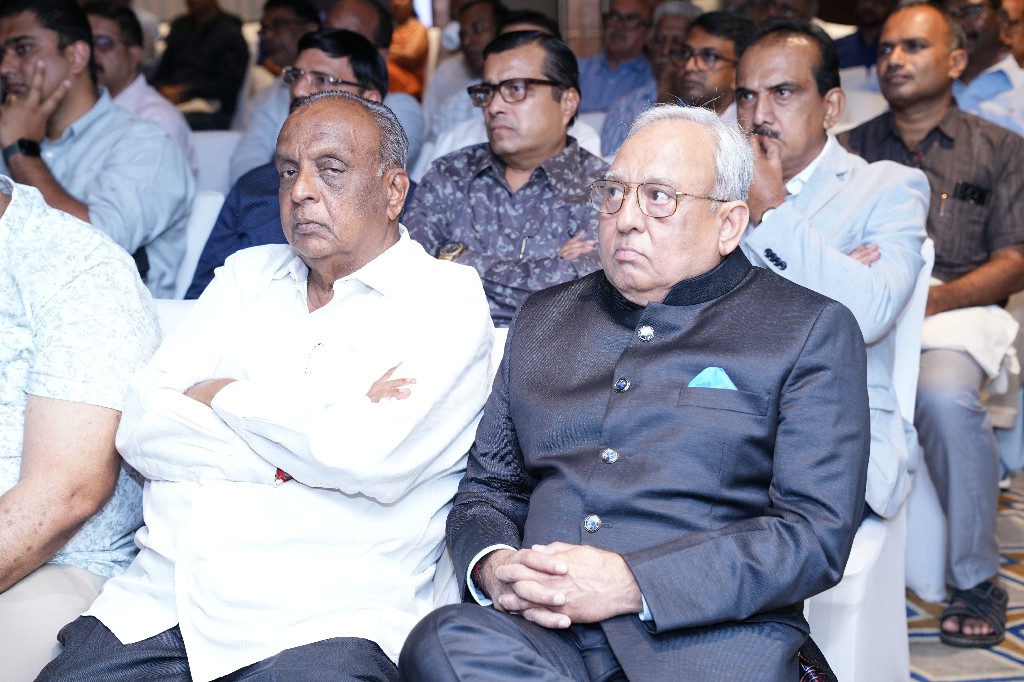
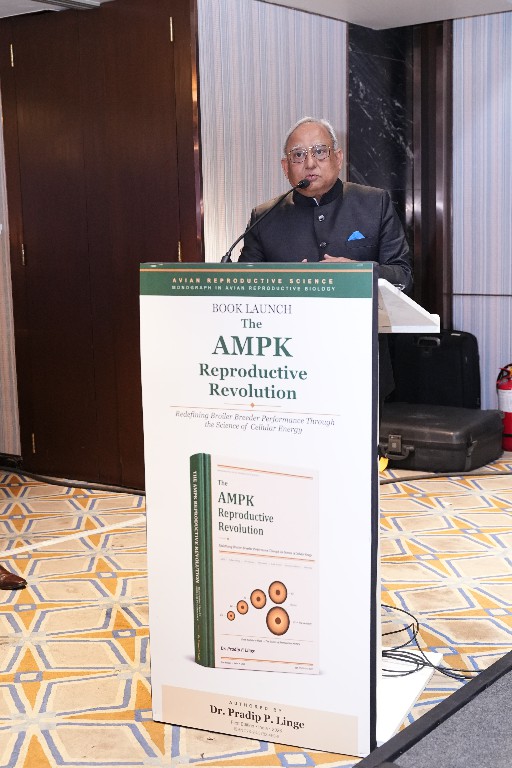
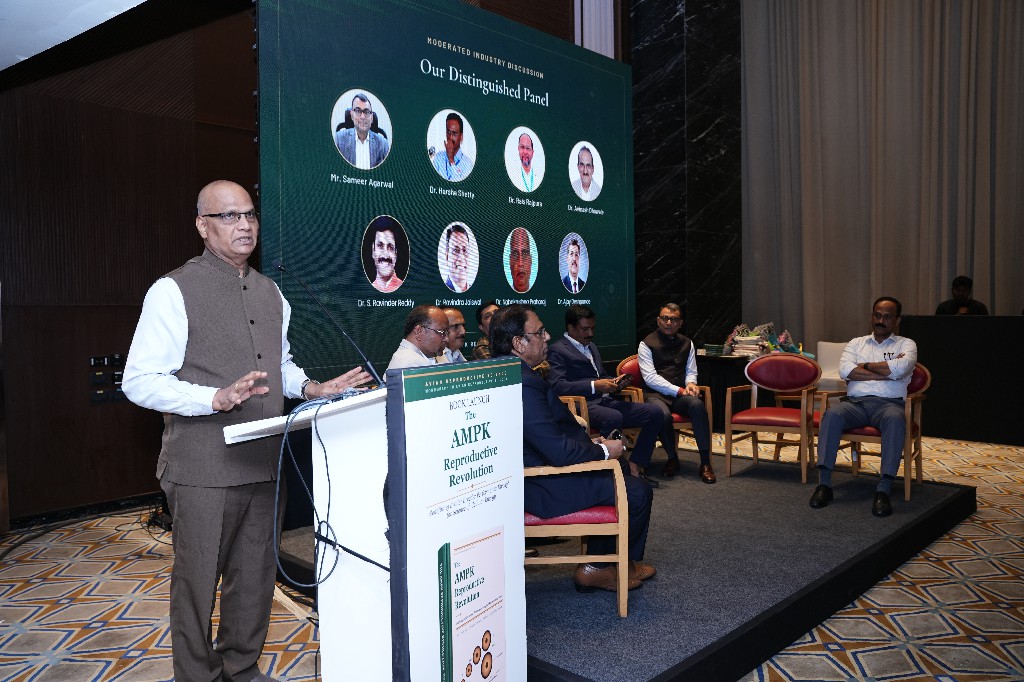
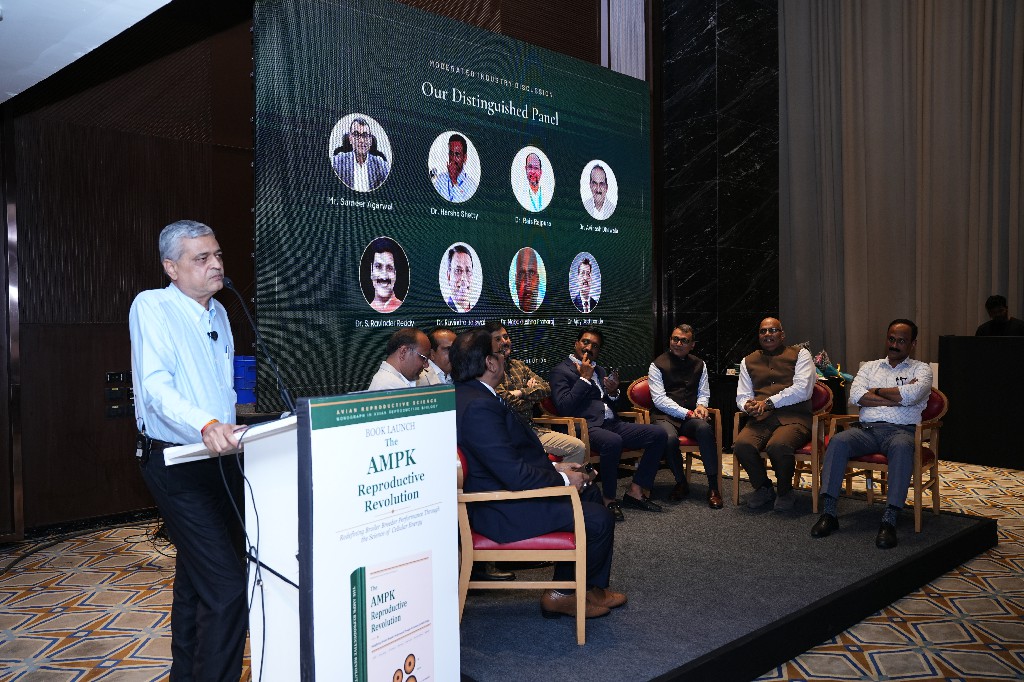
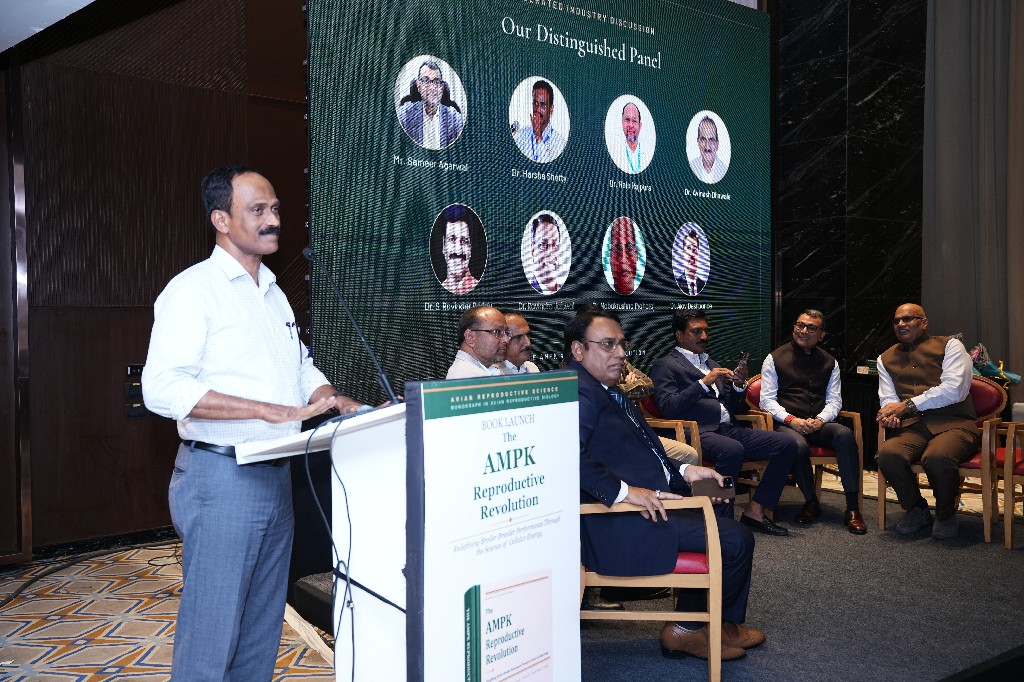
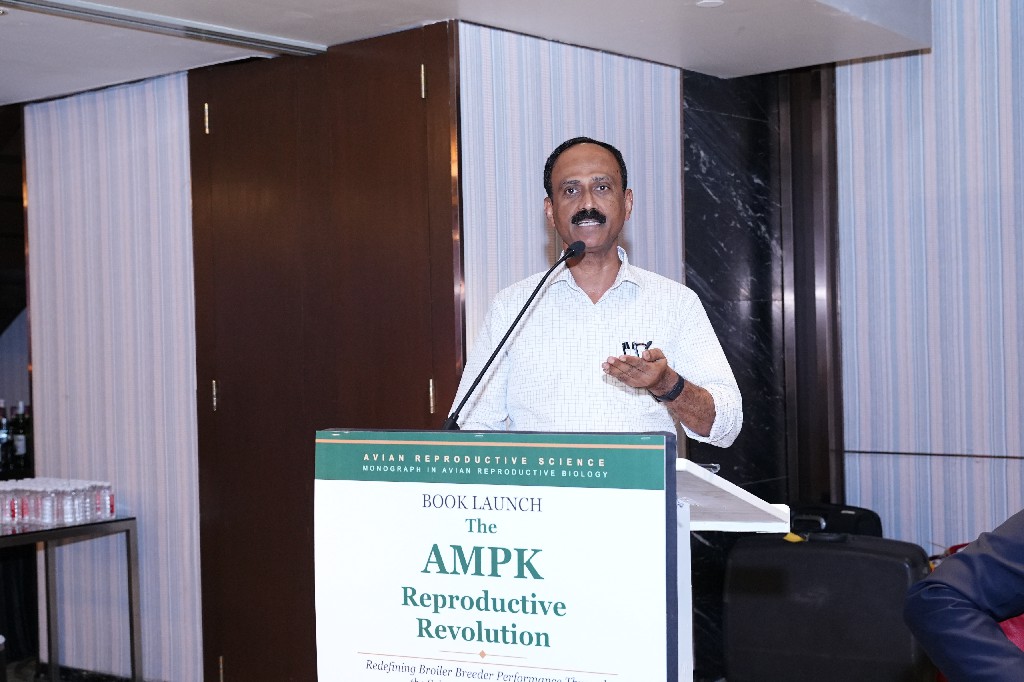
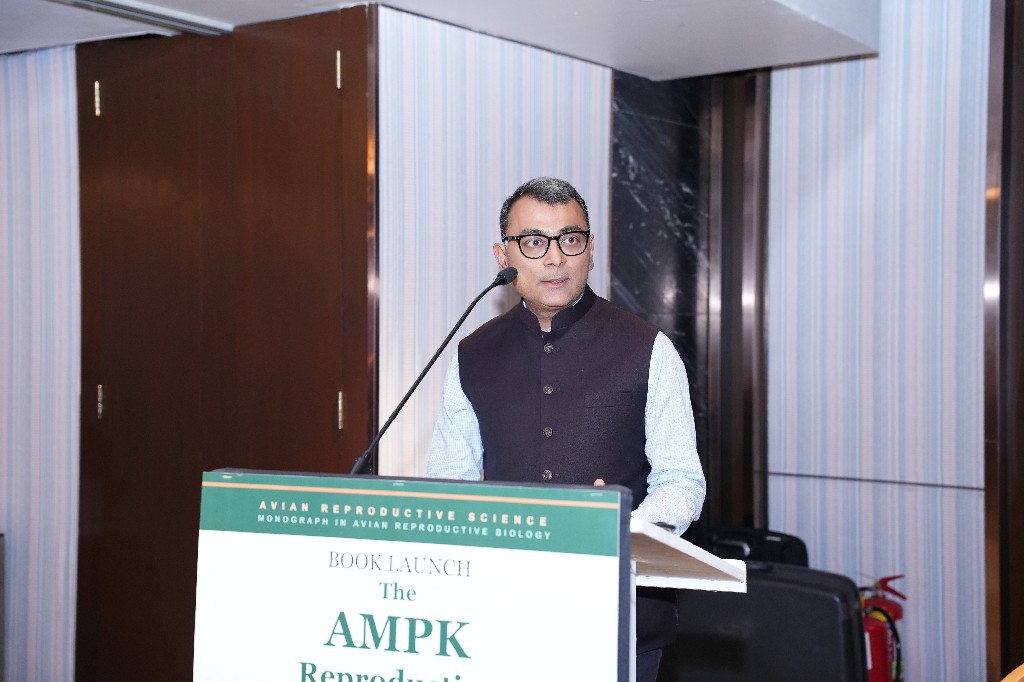
The publication at the centre of the evening the AMPK Reproductive Revolution is authored by Dr Pradip P Linge. Its central thesis: that AMP-activated protein kinase (AMPK), a cellular energy sensor, plays a pivotal and underappreciated role in determining breeder flock performance, from hatchability through to long-term bird vitality.
The Science Program
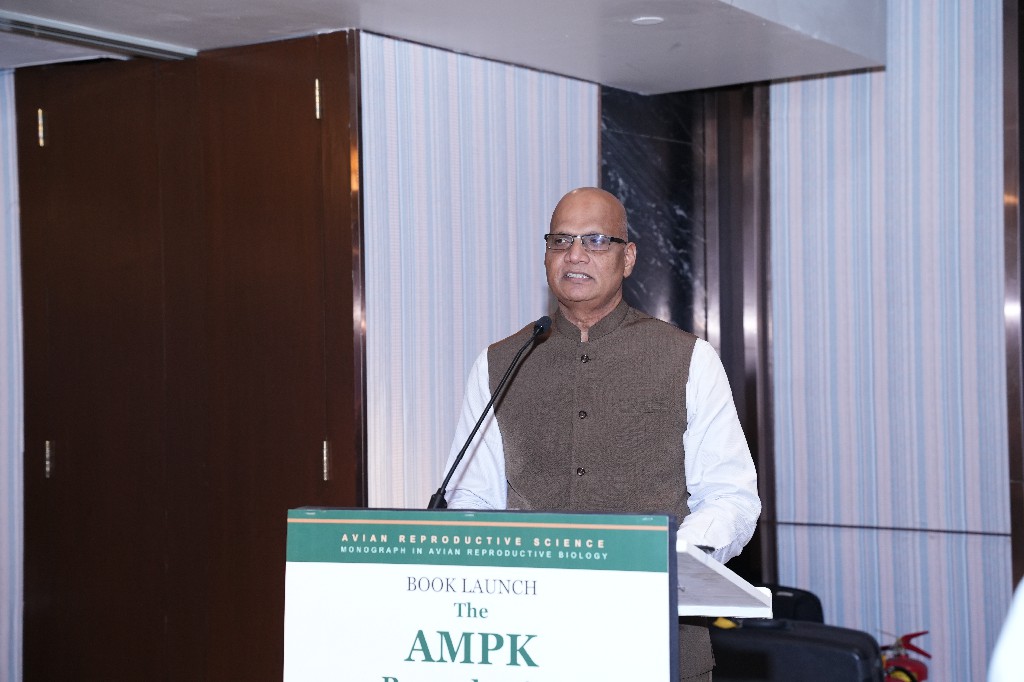
In his author address titled ‘Why This Book Had to Be Written Now’, Dr Linge argued that the industry has long focused on visible parameters feed intake, body weight, egg production curves while overlooking the cellular energy dynamics that ultimately drive those outcomes. AMPK, he contends, is the missing link.
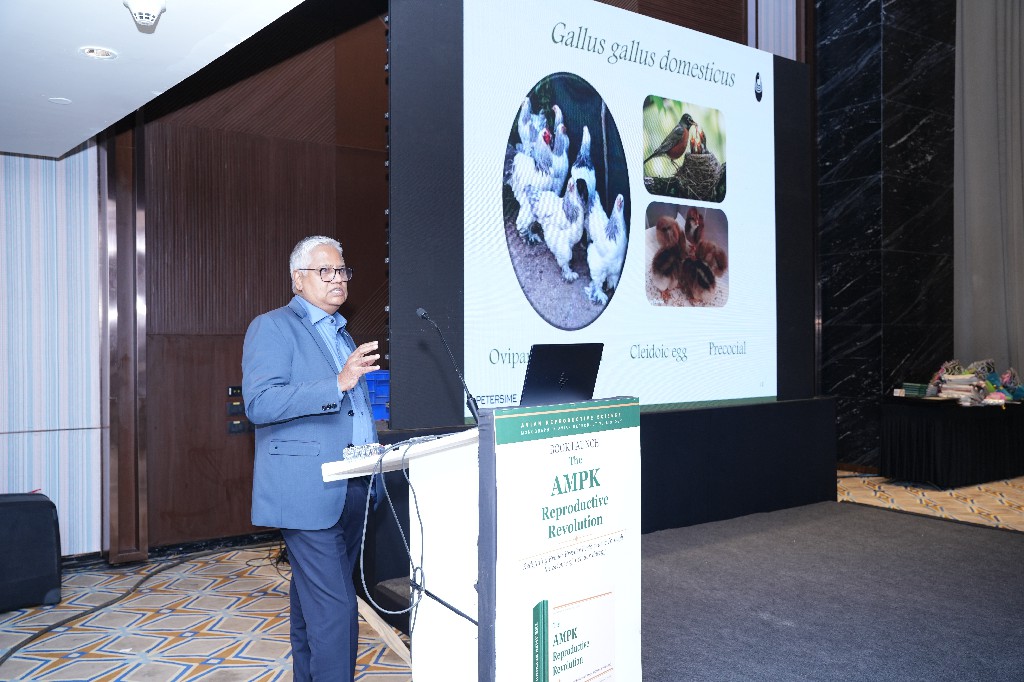
Dr Nikita Deshmukh opened the formal presentations with a paper on ‘Broiler Breeder Metabolism: The Hidden Driver of Reproductive Consistency’. Dr Sujit Menon followed by examining embryonic development as a direct reflection of breeder metabolic health connecting the parent bird’s cellular condition to outcomes visible at the hatchery days later.
Industry Panel & Key Discussions
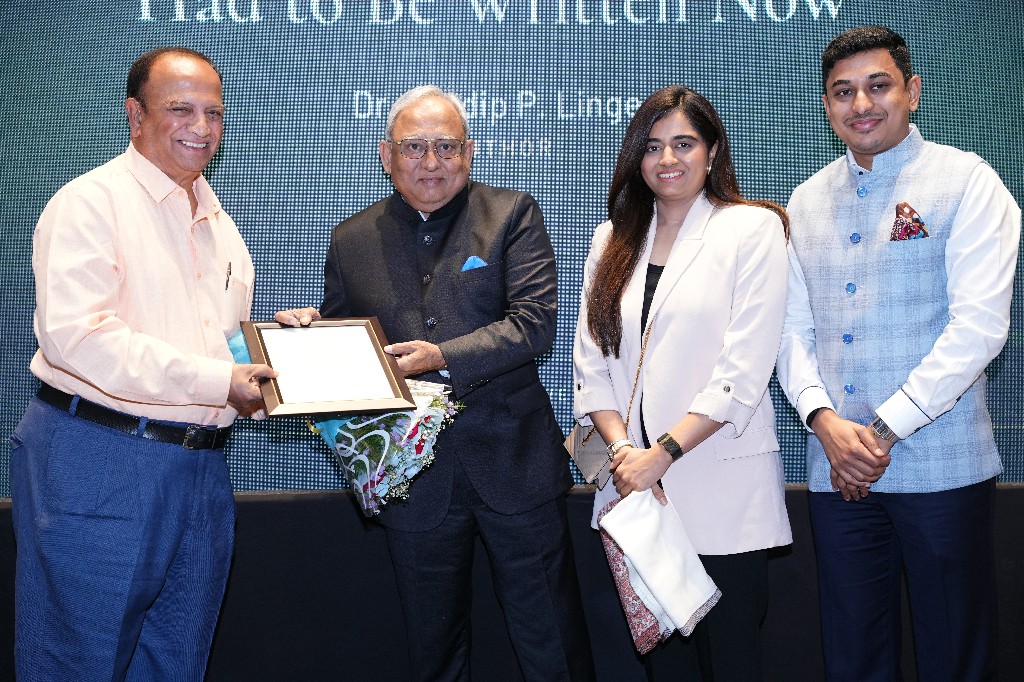
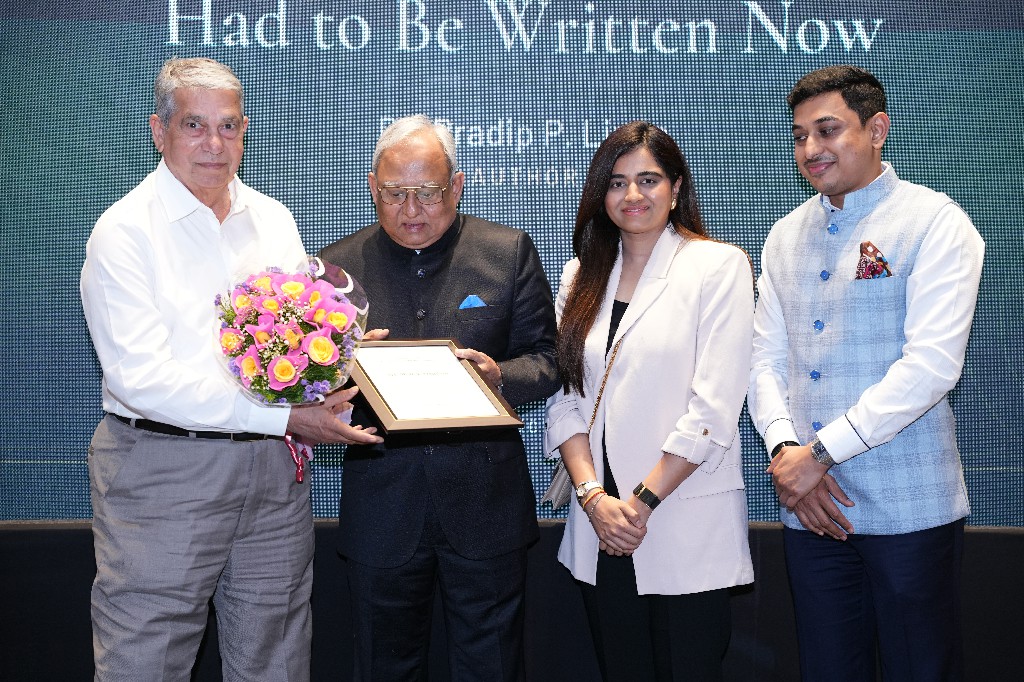
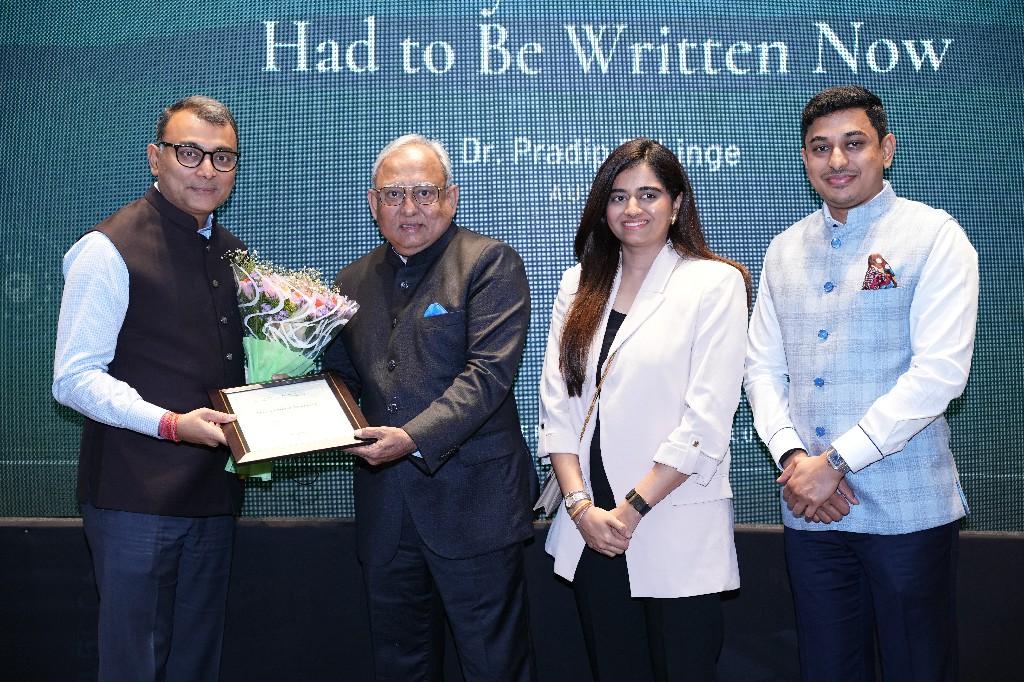
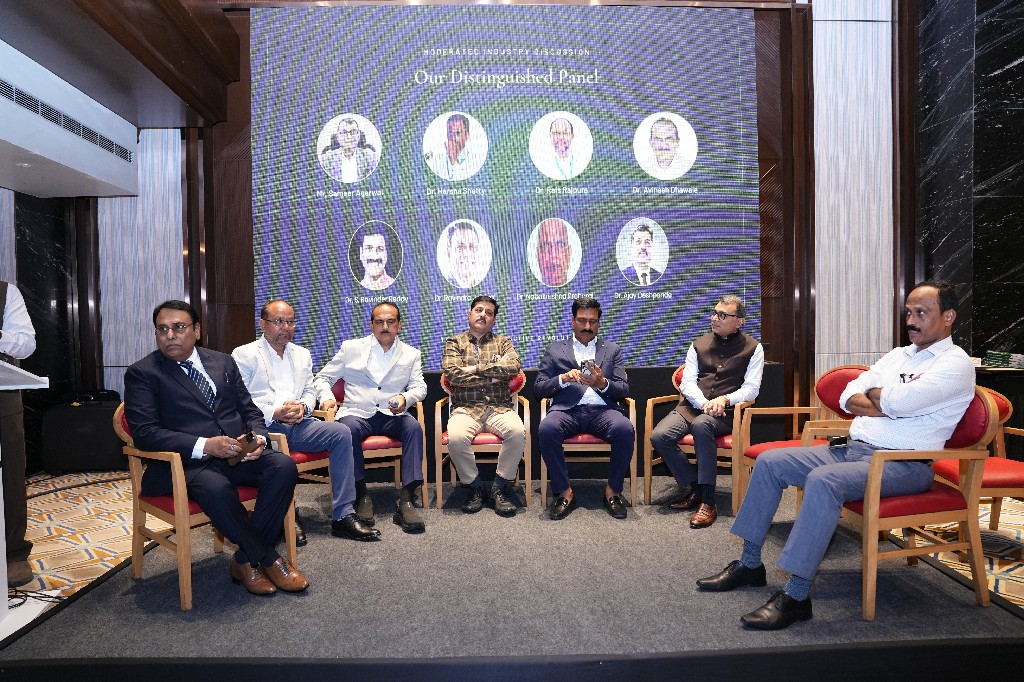
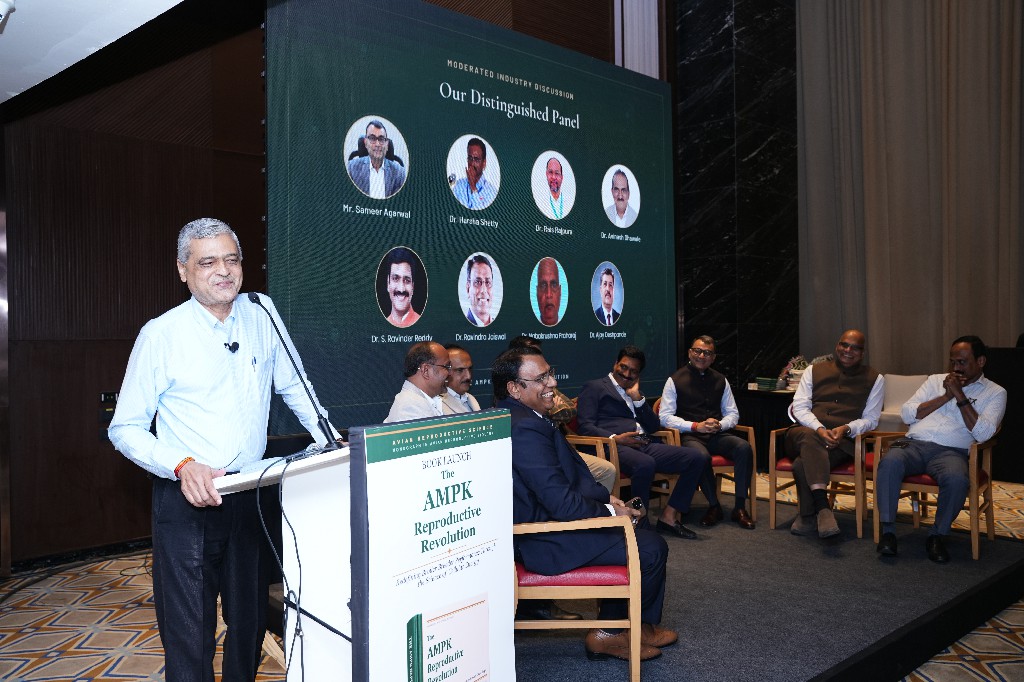
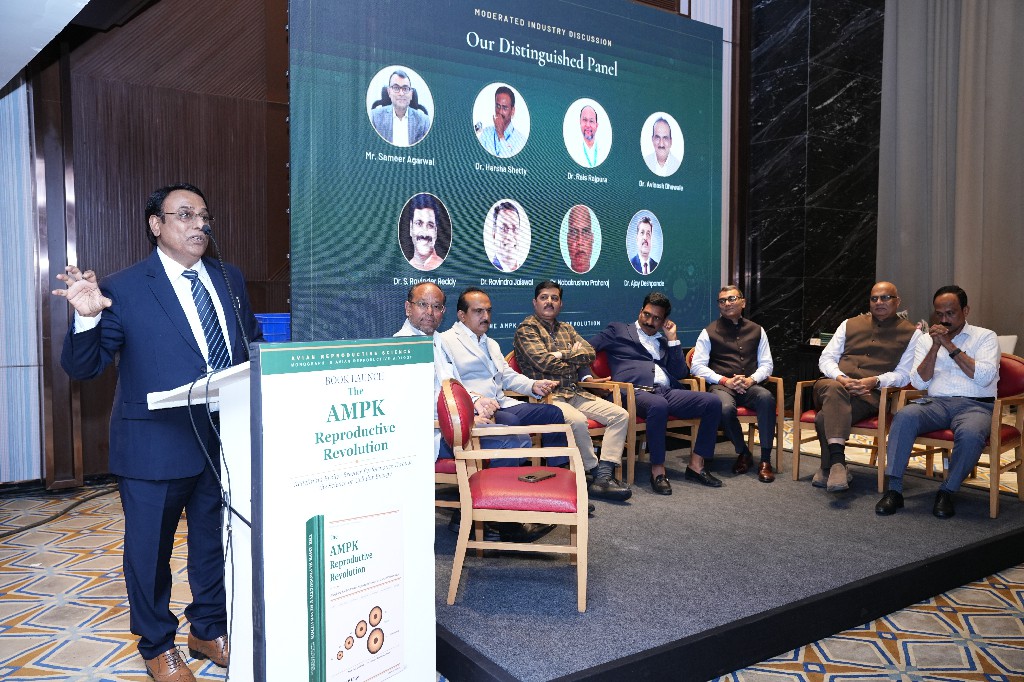
A moderated panel chaired by Dr Pankaj Shukla formed the centrepiece of the evening. Panellists including Dr Praharaj N K, Dr Rais Rajpura, Dr Ajay Deshpande, Mr Sameer Agarwal, Dr Ravindra Jaiswal, Dr Harsha Shetty, Dr Avinash Dhawale, and Dr Ravinder Reddy tackled flock consistency, hatchability concerns, and the role of science-driven management in addressing them. Several distinguished guests were also formally felicitated during the program.
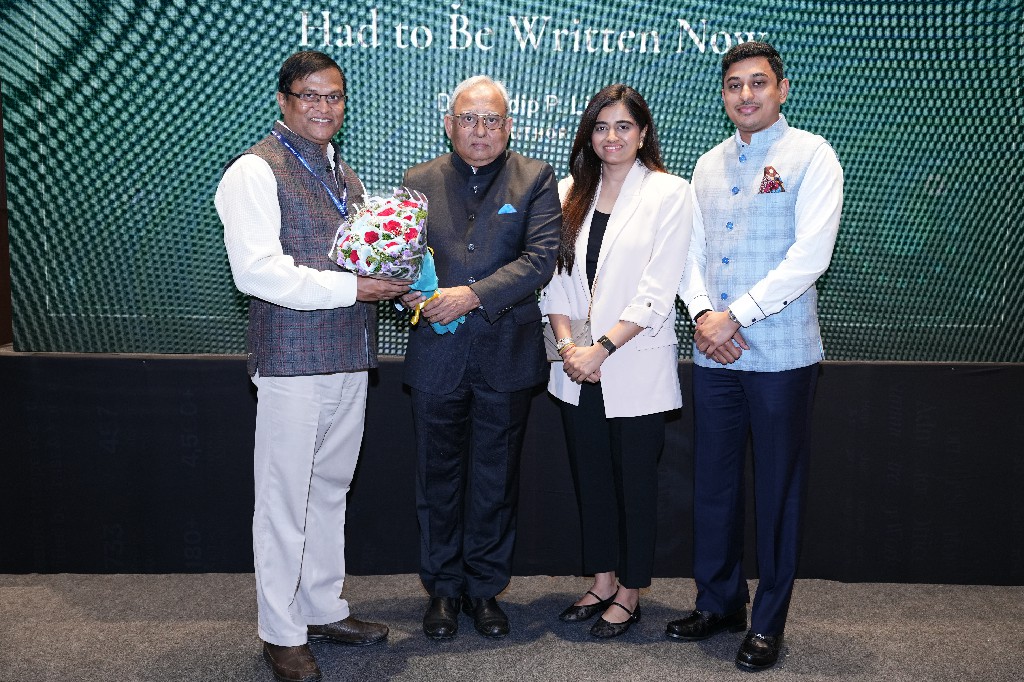
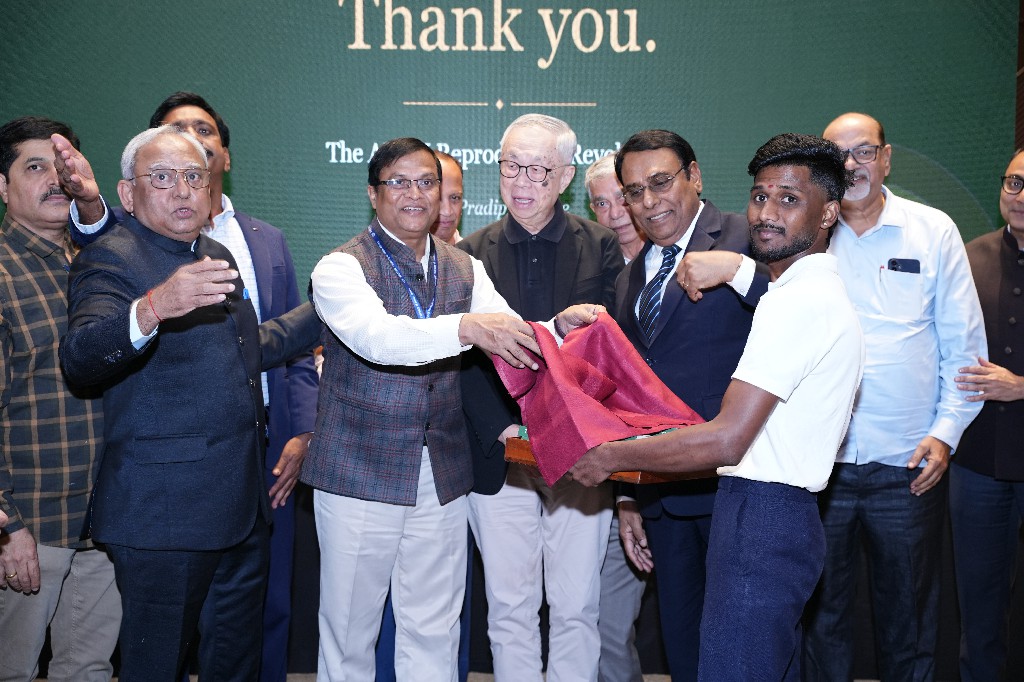
The ceremonial pre-launch included special recognition for Dr Chin Hou Cheong, honoured as Guest of Honor and dedicatee of the publication, and Dr Sujit Menon as co-dedicatee a gesture that underlined the collaborative intellectual lineage behind the work.
What This Signals for Indian Poultry
India’s poultry sector has grown rapidly, and with that growth has come pressure to improve efficiency, reduce losses, and elevate reproductive management standards. The Bengaluru roundtable reflects a maturing industry one where producers and researchers increasingly recognise that empirical biology, not rule-of-thumb management, must underpin the next phase of growth.
If the science behind the AMPK Reproductive Revolution holds at scale, the practical implications for hatchability protocols, nutritional management, and flock longevity strategies could be considerable. The networking dinner that closed the evening was, in that sense, a continuation of a conversation the Indian poultry industry has been building toward for years.