At a time when misinformation spreads faster than science, the poultry sector in India faces an unusual challenge: not disease, not production constraints, but perception. The National Press Conference organized by VIP-Vets In Poultry, on the occasion of World Veterinary Day, addressed one of the most pressing issues affecting the sector the growing ecosystem of myths and misinformation surrounding chicken and eggs.

Across India, more than 200 recurring myths influence consumer behaviour, media narratives, and even policy discussions. These myths range from concerns about hormones and antibiotics to misconceptions about bird flu, egg safety, nutrition, and environmental impact. While these narratives often originate from isolated incidents, partial information, or social media amplification, their impact is far-reaching.
The cost of misinformation is not theoretical. It is real, immediate, and deeply human. Farmers, often operating on tight margins, are the first to absorb the shock. A rumour can collapse demand overnight. A viral message can disrupt entire supply chains. Markets that run on habit quickly shift to fear. Importantly, these disruptions occur even when there is no change in scientific evidence, no new health advisory, and no verified risk to consumers.
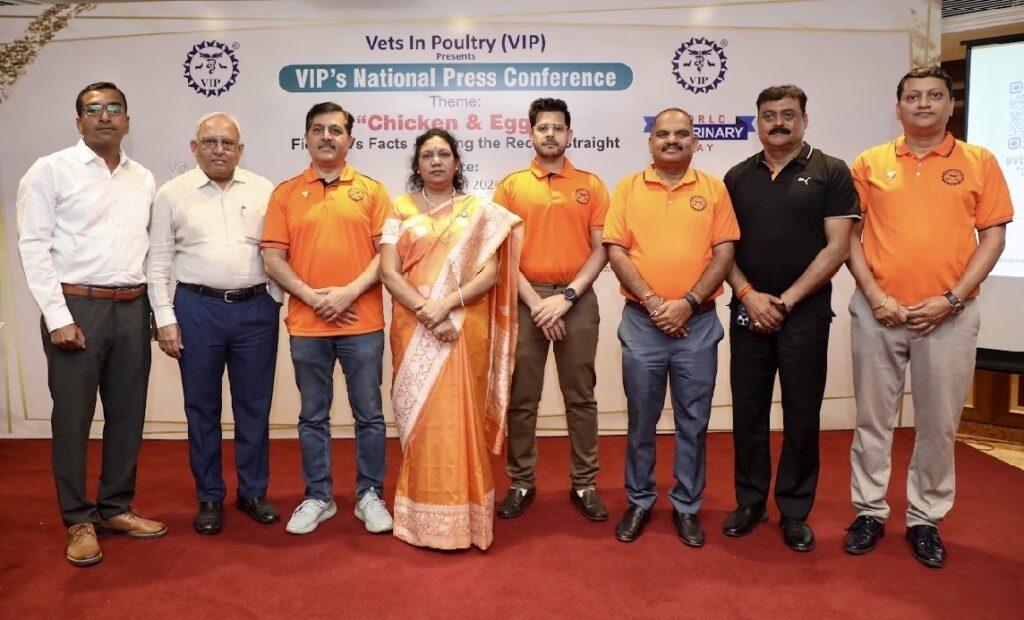
The poultry sector is not just an industry it is a critical component of India’s nutritional security. Chicken and eggs are among the most affordable and accessible sources of high-quality protein. They play a crucial role in addressing protein deficiency, supporting child growth, and improving public health outcomes. Misinformation, therefore, does not just harm producers; it directly affects national nutrition goals. At the press conference, VIP presented a structured “Myth vs Fact” framework to address some of the most widely circulated beliefs. These included concerns around hormones in broiler chicken, antibiotic residues, the safety of consuming poultry during disease outbreaks, the nutritional value of eggs, and the perceived superiority of “desi” variants.
Scientific evidence remains clear and consistent. The use of growth hormones in poultry is not practiced due to biological, regulatory, and economic reasons. Antibiotic use in poultry is governed by evolving stewardship practices, compliance frameworks, and regulatory oversight, with increasing emphasis on responsible usage. Disease outbreaks such as avian influenza are managed through established surveillance and response systems, and food safety risks depend on proper handling and cooking rather than mere association with the disease event.
Similarly, long-standing consumer beliefs such as brown eggs being more nutritious than white eggs, or desi chicken being inherently safer than broiler chicken do not hold scientific ground. Egg shell colour is determined by breed and has no direct relationship with nutritional content. Food safety, whether in eggs or meat, depends on hygiene, storage, handling, and cooking practices.
Another critical area addressed was the growing tendency to link poultry consumption with unrelated health conditions such as early puberty, infertility, or chronic diseases. Experts emphasized that such conditions are influenced by multiple factors, including lifestyle, environment, genetics, and broader dietary patterns. Isolating chicken or eggs as singular causes is not supported by evidence and risks oversimplifying complex public health issues.
The environmental narrative surrounding poultry was also discussed. While all food production systems have environmental footprints, poultry remains one of the most efficient converters of feed into protein. Waste management, when done responsibly, allows for recycling and productive use, including applications such as organic fertilizers and biogas. The focus, therefore, should be on improving systems and practices rather than generalizing entire sectors as harmful.
A key message from the conference was the need for responsible communication. In the age of instant information, the line between verified news and unverified content has blurred. VIP emphasized that outbreak-related news must be communicated with precision, clearly distinguishing between exposure risks and consumption risks. Public messaging must be grounded in verified data, supported by scientific evidence, and aligned with official advisories.
The role of regulatory bodies such as FSSAI, public health institutions, and veterinary authorities remains central in ensuring food safety. These systems are active, evolving, and responsive. At the same time, the media plays a critical role in shaping public understanding. Responsible reporting, therefore, is not just about speed, but about accuracy, context, and clarity.
VIP – Vets In Poultry, as a professional body of veterinary experts, reiterated its commitment to scientific integrity, public health, and sectoral transparency. The organization highlighted that addressing misinformation is not merely a defensive exercise for the industry. It is a professional and ethical responsibility rooted in science, animal health, and consumer welfare. As India continues its journey toward improved nutrition, food safety, and sustainable agriculture, the importance of trust cannot be overstated. Trust is built on facts. And facts must be protected.
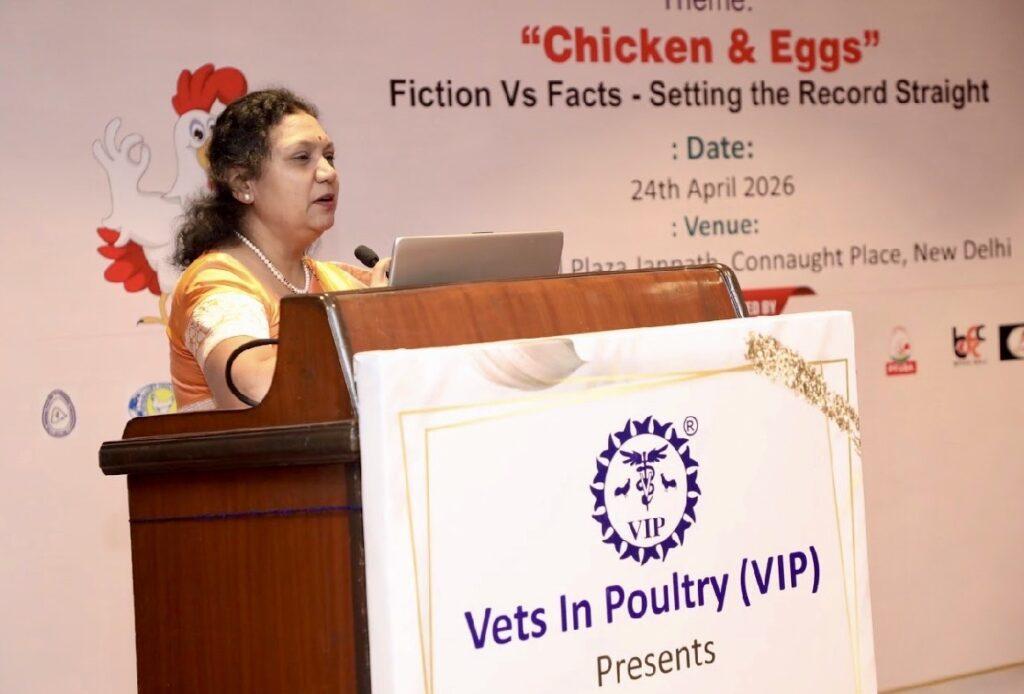
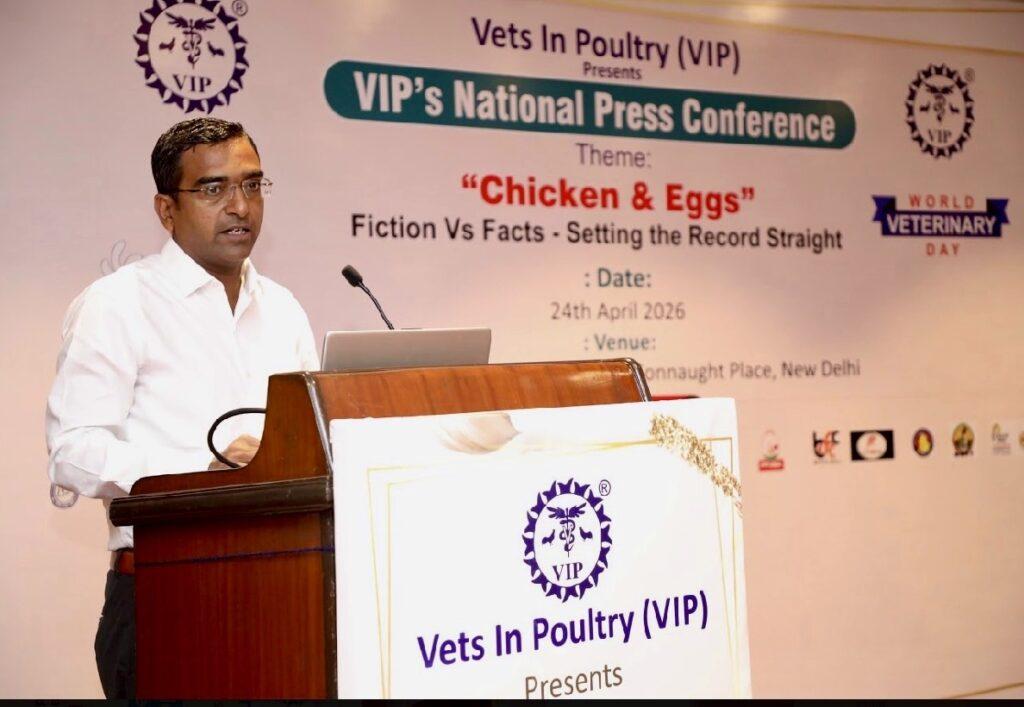
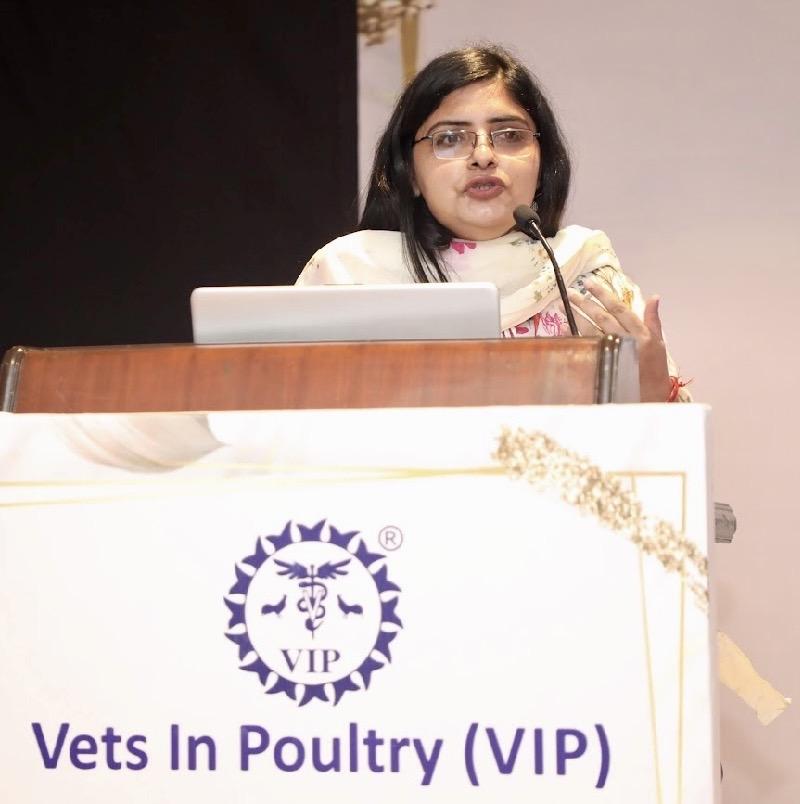

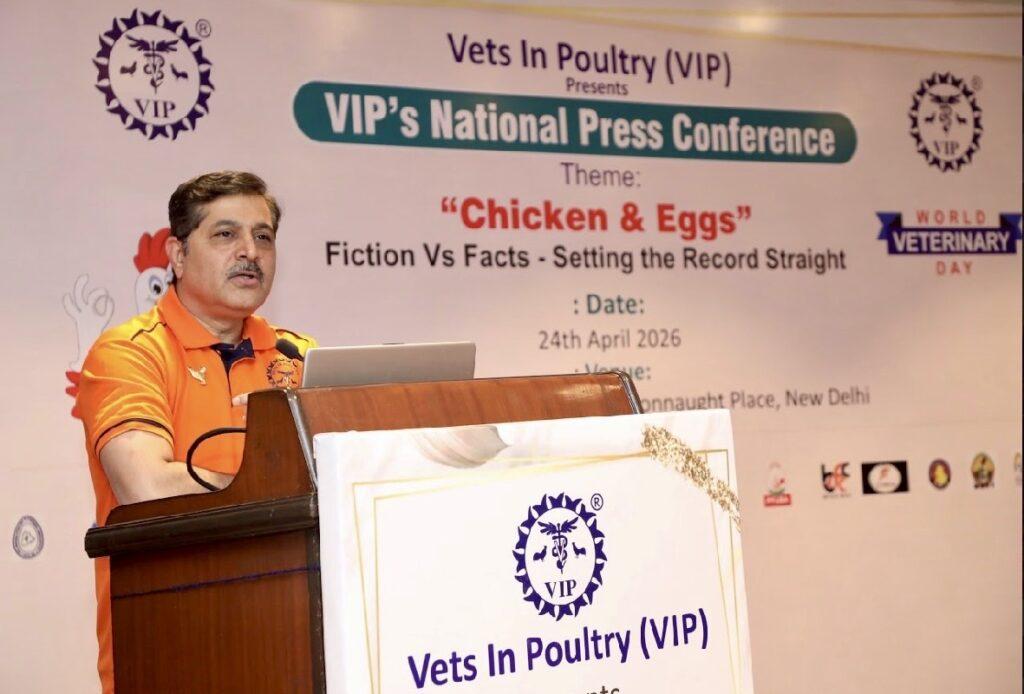


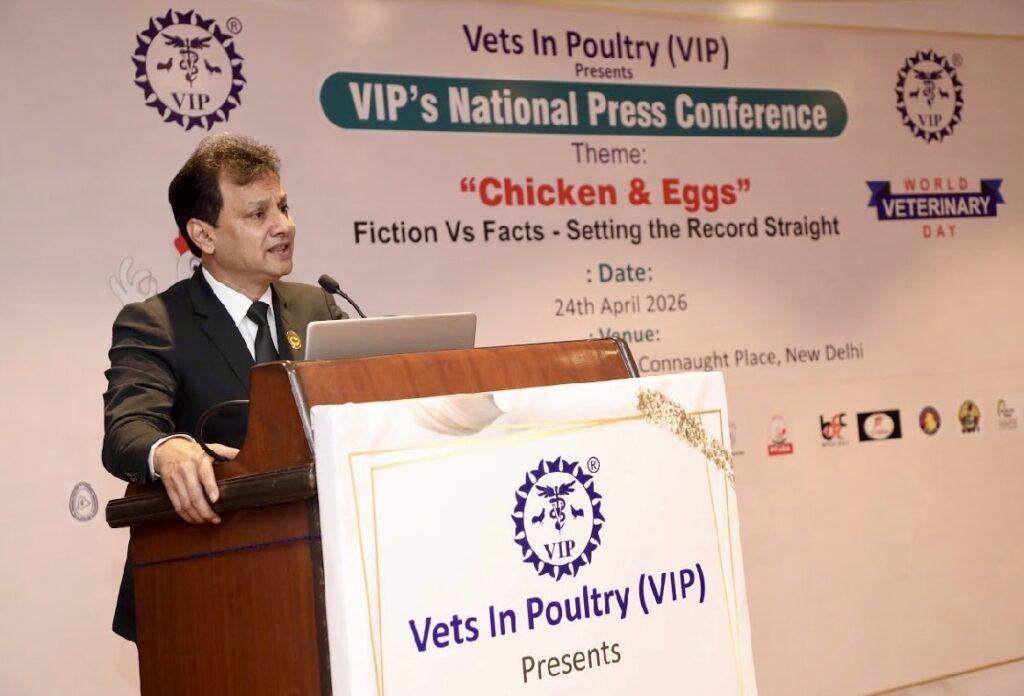
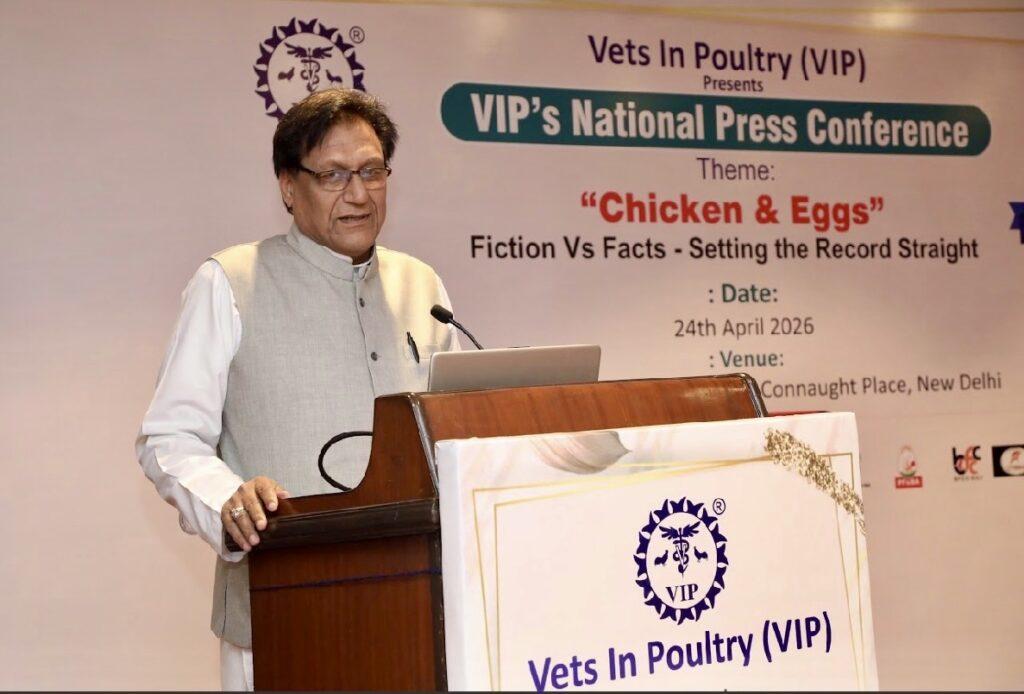
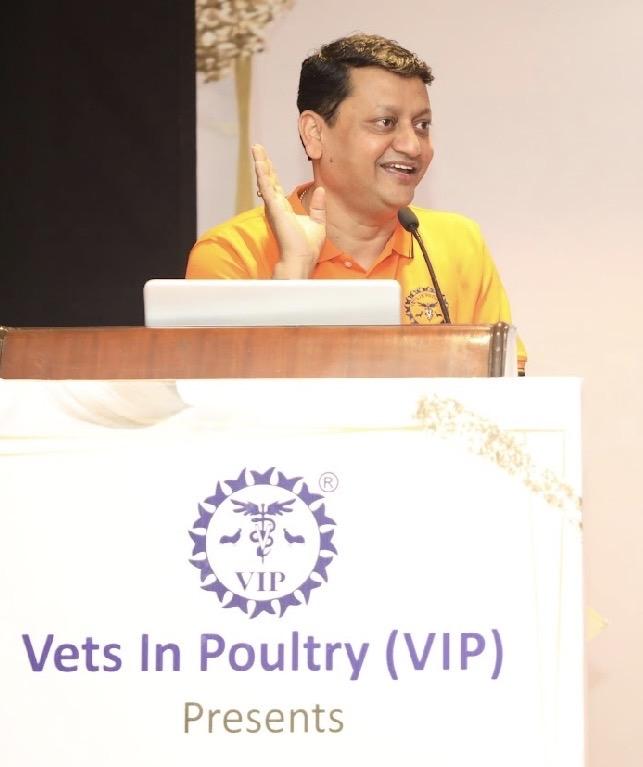
Dr Santosh Ire, Secretary, VIP, presented the initiative and highlighted the need for scientific awareness.
Dr Ajay Deshpande, President, explained the role of VIP and emphasized the importance of poultry products in India’s nutritional ecosystem and food market.
Dr Anju Deshpande, Media Head, along with Dr Anurag Jena and Dr Jeevan Sonawane, addressed widely circulated myths related to chicken and eggs, reinforcing evidence-based facts.
Dr Pinky Dalal, Dietician, AIMS Delhi shared practical and need base importance of protein in india and reality check of consumer mindset.
Regional Presidents Dr Vishal Rawat, Dr Sharad Singh & Dr Surender Jahangir stressed the importance of scientific and responsible poultry farming practices.
Mr Uday Byas, President, Poultry India, highlighted the critical role of the Indian poultry sector in ensuring national food security.
Mr Nawab Ali, President, UP Breeder Association enlighten need of vets and poultry protein.


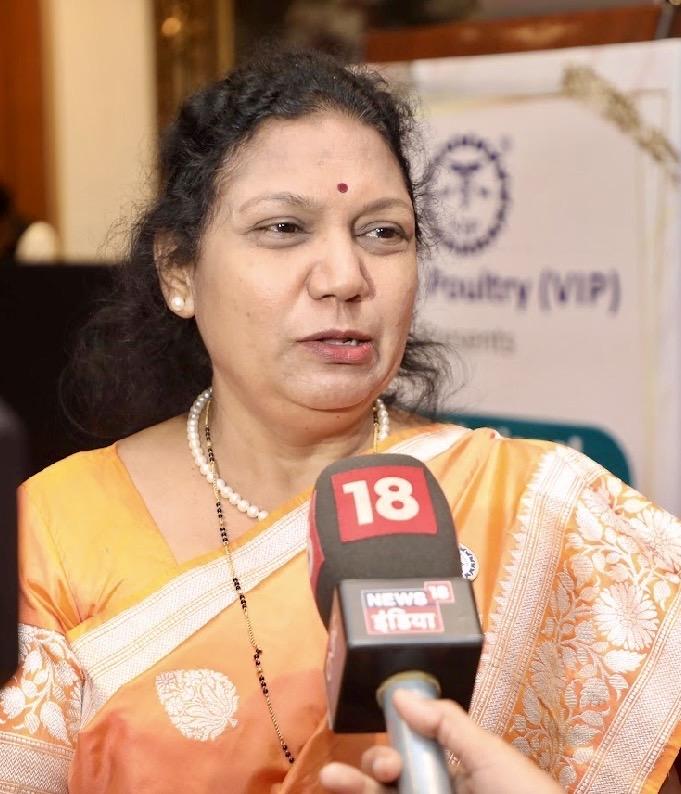
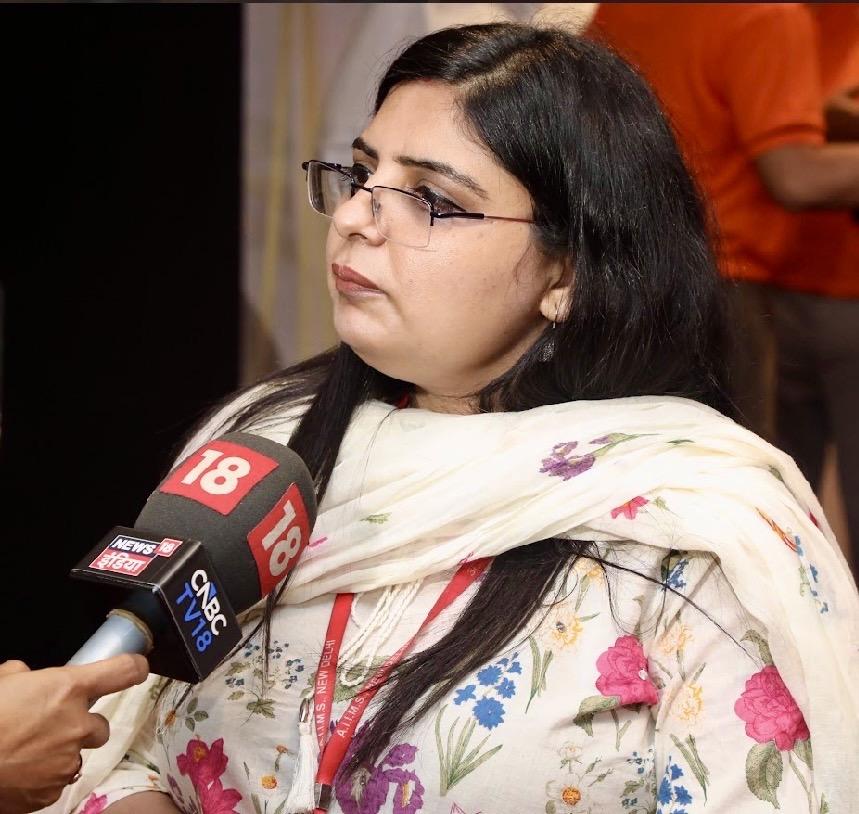
The event was attended by major poultry associations, government authorities, and medical professionals.
VIP appealed to consumers across India to rely on verified information and connect with the VIP media team if they encounter misleading or unscientific news related to poultry.
For further information, clarifications, or expert insights, stakeholders and media professionals are encouraged to connect with VIP – Vets In Poultry.
“Chicken & Eggs : Real Food. Real Facts.”